contact@haitiwonderland.com+509 36184317

Discover

Shopping Cart

Haïti : Citadelle la FerrièreHaïti : Citadelle la Ferrière

News / Moise Francois / View Recent Posts

Recently Posted

Here are five compelling reasons why you should definitely visit Haiti’s beaches

1- Abaka Bay (Île-à-Vache): Start your Haitian adventure with the magnificent Abaka Bay, recently named one of the most beautiful beaches in the world by CNN. Located on the enchanting island of Île à Vache, this bay offers a pristine white sand beach and calm Caribbean waters, framed by lush green hills. Abaka Bay Resort offers a truly exclusive and secluded experience, with bungalows located directly on the beach, offering panoramic views and direct access to the fine sand and crystal clear sea. The dining options are equally impressive, with one restaurant offering breathtaking ocean views and epic sunsets. To get to Île à Vache, simply take a 15-20 minute boat ride from Les Cayes, located off the southern coast of Haiti. 2- Île à Rat (Amiga Island): As soon as you set foot on Île à Rat (also known as Amiga Island), this little slice of paradise will steal your heart. Its smooth white sand beach immediately catches the eye, while gentle waves create a dreamy oasis against the pearly shore. Located in the turquoise waters off the coast of Plaine du Nord in northern Haiti, Île à Rat is a 1.8 hectare piece of white coral covered in a small wild forest. The island is a peaceful retreat, especially for couples looking for a serene getaway. To get to Île à Rat, you can take one of the many water taxis waiting in Labadee, a 30-minute drive from Cap-Haïtien. Keep in mind that the island is uninhabited, so it is important to bring everything you need for a comfortable stay, including drinking water. 3- Côtes des Arcadins: Nestled north of the bay of Port-au-Prince, Côtes des Arcadins stretches over 19 kilometers of white sand beaches lined with palm trees, making it one of the most popular seaside destinations from Haiti. The combination of the deep blue sea, mountains, mangrove forests and the coral reef formed by the Arcadins islets creates a breathtaking spectacle. It is also a great place for divers. To get there, follow the road north of the bay of Port-au-Prince. You will be amazed by the natural beauty of this region. 4- Plage de Gelée: This beach is one of the most popular thanks to its crystal clear waters and soft sand, all with a pastoral landscape in the background. If you are looking for a place to relax and soak up the sun, Gelée Beach is a great choice. 5- Jacmel Beach: Although swimming is not recommended here, Jacmel Beach is famous for its picturesque charm and artistic atmosphere. It is located in the historic town of Jacmel, known for its lively carnival and colorful houses. Explore the beach, admire the architecture and soak up Haitian culture. Don’t forget your swimsuit and sunscreen, and enjoy these hidden treasures of Haiti! 🏖️☀️

Haïti, a rich and impoverished country

Located in the western part of the island of Hispaniola, Haïti is a land imbued with natural, cultural and historical wealth. Unfortunately, behind the beauty of its landscapes, the richness of its culture and the delicacy of its cuisine lies a complex reality marked by the debt of its independence and the persistent interference of third countries, casting a shadow over its stability. b~The Natural Beauty of Haïti~b Haïti, nicknamed the "Pearl of the Antilles", dazzles with the diversity of its landscapes. From majestic mountains and lush valleys to meandering rivers and sandy beaches, the country offers natural beauty worth celebrating. The famous Citadelle Laferrière mountains and the refreshing waterfalls of Bassin-Bleu are just a few examples of the splendor that characterizes this nation. b~A Rich and Diverse Culture~b Haïti stands out for its vibrant and diverse culture. A heritage of African, French and indigenous influence, Haïtian music, dance and art reflect a unique fusion. Colorful festivals, like Carnival, are celebrations of this cultural richness, attracting visitors from all over the world. b~Delicious Cuisine~b Haïtian cuisine, tasty and spicy, is another aspect worth celebrating. Dishes like griot, sticky rice, and the legendary joumou soup, traditionally prepared to commemorate independence, are all culinary delights that demonstrate the country’s gastronomic ingenuity. b~Heritage Treasures and Paradise Beaches~b Haïti’s heritage treasures, such as the remains of the Sans-Souci Palace and the Citadelle Laferrière, listed as UNESCO World Heritage Sites, are testimonies to the architectural grandeur of Haïti’s past. At the same time, beaches like Labadee and Jacmel offer havens of peace with crystal clear waters, attracting travelers in search of a tropical paradise. b~A Fascinating Story~b The history of Haïti is both fascinating and tragic. It was the first country in the Americas to gain its independence, in 1804, after a courageous slave revolt. However, this independence came with a heavy financial price. France demanded exorbitant compensation, thus laying the foundations for Haïti’s foreign debt. b~The Debt of Independence and Foreign Interference~b Despite these treasures, Haïti struggles with the reality of its independence debt. After gaining its freedom, the country was forced to pay France a considerable sum in compensation for losses associated with the abolition of slavery. This debt has been a major economic burden for Haïti, hindering its development. Additionally, foreign interference continues to create significant challenges. External political and economic interventions have often contributed to the country’s instability, hindering its ability to build a sustainable future for its citizens. b~In conclusion~b Haïti remains a country of multiple riches, but its challenges persist. Despite its natural beauty, rich culture and fascinating history, the nation needs enlightened international support and lasting solutions to overcome the obstacles that stand in its way. Haïti’s wealth lies not only in its enchanting landscapes, but also in the potential of its people to be resilient and prosper despite persistent challenges.

Timoun se Moun: A poetry competition to promote children’s rights in Haiti

A wounded country. Bent under the weight of a multidimensional crisis. Widespread violence. Hope slammed shut. A sacrificed generation. Children are increasingly threatened. They are increasingly confronted with all forms of vulnerability that hinder their overall development. ACTIF is launching the second edition of the "Timoun se Moun" poetry competition. A citizen initiative in which the organization uses writing as a springboard to build what life deprives Haitian children of. Pain can be turned into gold. For ACTIF (Community Action for Transformation and Formal Integration), poetry is a philosopher’s stone. Not only for this organization, but also for all those who believe that writing can help rekindle the stars. Faced with this urgent need for action, this is "an initiative to raise awareness, denounce, and affirm loud and clear that every child matters, every child deserves protection, hope, and a future," reads the competition’s descriptive document. So what do you intend to do with your human light? Through this competition, participants have the opportunity to engage in an act of resistance, like a cry of conscience to raise the voice of broken childhoods. Open from May 18 to June 18, "Timoun se Moun" is open to all Haitians living in the country and aged 18 and over. Texts must be submitted in Creole. Behind this initiative, ACTIF intends, on the one hand, to affirm our cultural and linguistic identity, and on the other, to enrich our Creole literature, promote it, and encourage creativity in our vernacular. The text must not exceed 500 words. The format chosen is PDF, Times New Roman font, size 12, and 1.5 line spacing. This competition aims to offer a touch of affection to these children who are the first victims of the country’s descent into hell. To evaluate the literary quality and essence of the submitted texts, a jury is composed of Ruthza Paul, Douglas Zamor, and Darly Renois. The former is a physician and winner of the first edition of this competition. The other two work in the fields of sociology, psychology, and literature. In addition to the "Jury Prize: 15,000 HTG + books + certificate" and "Audience Prize: 5,000 HTG + certificate + books" prizes, the best texts will be included in an anthology to be published by Éditions Répérages. It should be noted that there will be one winner for each prize. This initiative reflects ACTIF’s commitment to honoring authors who embrace the cause of underprivileged children while enriching Haiti’s literary heritage. This competition extends a helping hand to all those who believe that through poetry, one can transform one’s life into a masterpiece. At the same time, it offers the opportunity to contribute to ACTIF’s child protection program. Each participant may submit a single text. It must be sent by email to the following address: actifkonkoupwezi@gmail.com. The partial results will be published on June 30, 2025, and the final results on July 18, 2025. For more information, visit ACTIF at the following address: 18 Rue Desdunes, Imp. Thoby, Mahotière 79, Carrefour, Haiti, or contact the organization at the following number: (+509) 38 44 57 57. More than just a contest, ACTIF invites you to say No. No to forgetting. No to passivity. No to violence against children and the violation of their rights.

Recently Posted

History

History

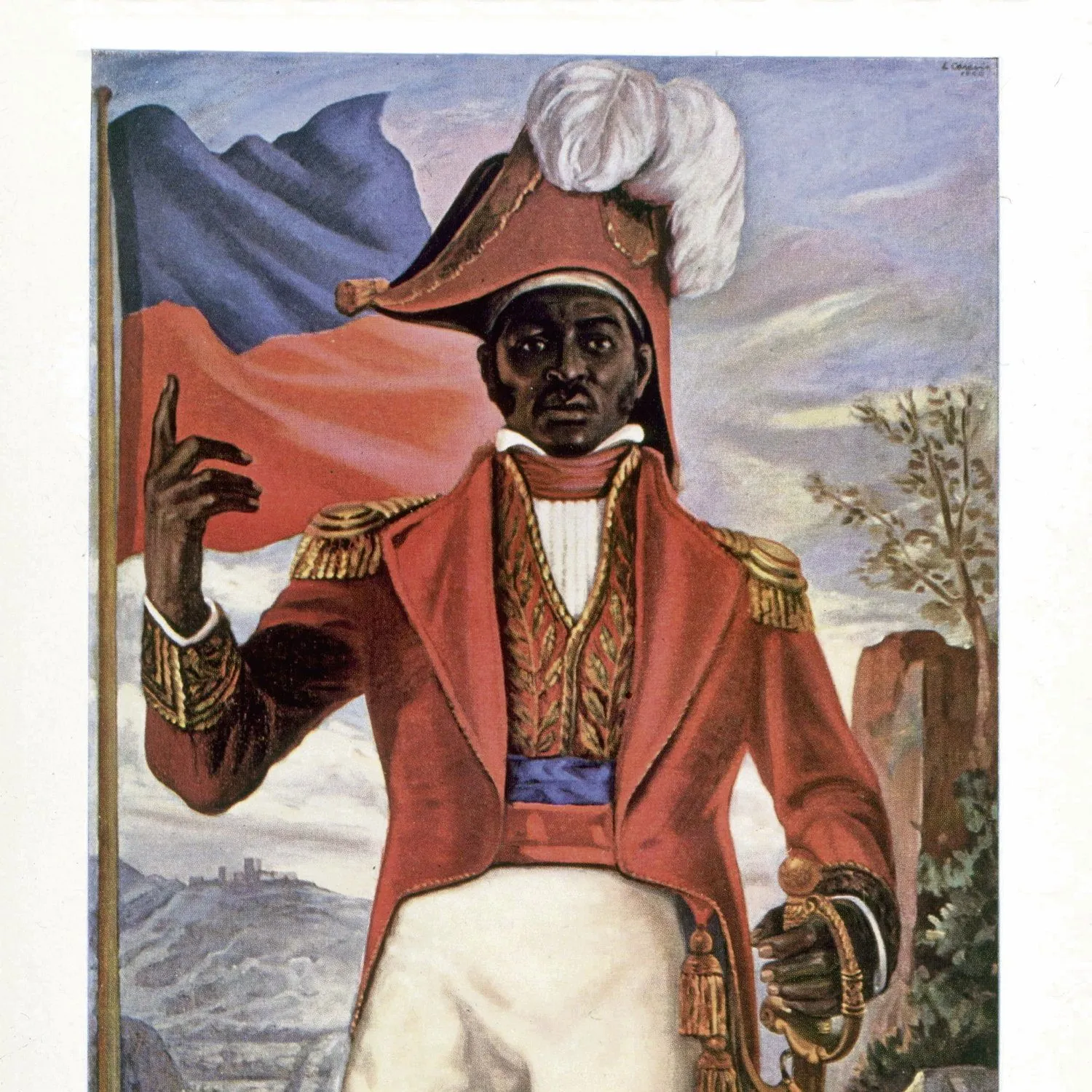
First black nation to free itself from slavery and gain independence from France in 1804 and influenced other liberation movements around the world, inspiring struggles for freedom and equality.

Natural beauty

Natural beauty

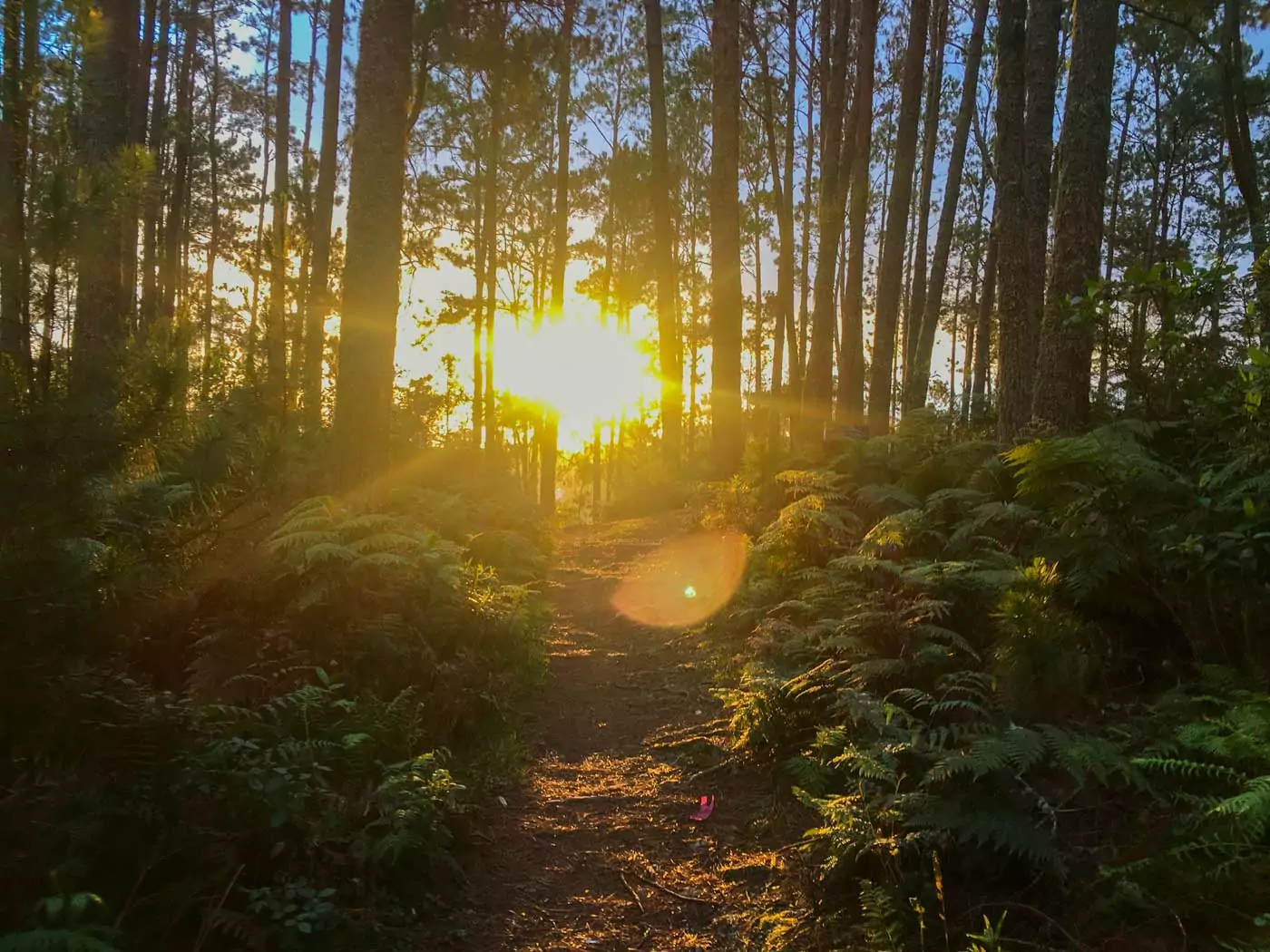
Haïti is blessed with spectacular natural landscapes, including white sand beaches, mountains and rich biodiversity.

Heritage

Heritage

Haïti has a rich historical heritage, including sites like the Citadelle Laferrière and the Sans-Souci Palace, listed as UNESCO World Heritage Sites.

Culture

Culture

Haïti has a rich and diverse culture, influenced by African, European and indigenous elements. Haitian music, dance, art and cuisine are celebrated around the world.

  • +
    • Post