


contact@haitiwonderland.com+509 36184317

Discover

Shopping Cart

Haïti : Citadelle la FerrièreHaïti : Citadelle la Ferrière

News / Scientific Research / View Recent Posts

News November 29, 2024

Conference / Festival Quatre Chemins / 21st edition

The impact of collective and individual trauma on the personal development of young people in Port-au-Prince While writers, actors, dancers, poets, among others, have gratified us with their performances, the master’s degree student in psychology at the Faculty of Human Sciences (FASCH), Lourdya Blaise, spoke with the audience about trauma. Structured around the theme "Youth and Trauma, analysis of the impact of collective and individual trauma on the personal development of young people living in Port-au-Prince between 2010-2024", this conference gave rise to enriching discussions. During this meeting, moderated by Michaël Formilus, Ms. Blaise showed how the events that have taken place in the country have caused cases of trauma among Haitians. According to the student, citing the American Psychological Association, we speak of trauma as a consequence of trauma. The latter is explained by the fact that we feel threatened, whether it is the person in question or their loved ones. However, she specifies that a collective trauma remains depending on the impact that the event has on the individual. To illustrate her remarks, she mentioned the earthquake of January 12, 2010, considered a collective trauma, insofar as it still occupies our minds. This tragedy reminds us of the disappearance of our loved ones and enormous losses. This is the case of a trauma that becomes a collective trauma. For the student, it should be emphasized that when an event occurs, some people are traumatized and others are not. According to him, the violence of armed gangs is not perceived in the same way, says Ms. Blaise. There are people who have fled their homes but are not traumatized. In fact, some people see traumatic situations as a passing event, she says. The speaker also spoke about collective trauma, which, according to him, preoccupies the mind, even if we no longer experience it. It manifests itself in several forms: lack of sleep, fear psychosis, intrusive thoughts, intense heartbeat, etc. Generally, symptoms related to trauma are hard to die. When it persists, it becomes acute stress. To deal with it, we must talk to other people. If the situation persists, acute stress turns into a phase of post-traumatic stress; in this case, we must confide in a trusted person or go see a mental health specialist, she advises. In her presentation, Lourdya Bazile also drew attention to the psychological state of children in these times. According to the presenter, children are also facing this crisis situation, even if they do not talk about it to their parents. As much as adults, children also plan their future. Faced with flouted school years, they become pensive and worried, she stressed. They withdraw. The child who used to be brilliant can become violent and perform less well at school. Parents are called upon to listen to them and understand them. A good moment of exchange, rich in practical advice. The audience participated fully. In turn, the presenter invites them to breathe better and meditate. "We live in a country where worries mix, we must take time for ourselves, do sports, eat well, make sure that the sleeping space is clean and take time for ourselves. There is more than one way to find calm," recalls the psychologist. Gertrude Jean-Louis

Par Haïti Wonderland |
Learn more
Culture May 30, 2024

Why do some people ignore the Guede party?

The Guédés Festival is a significant event in the Haitian Vodou religion. It takes place every November 1st and 2nd in Haiti, and it is dedicated to paying homage to the dead. Here are some elements to better understand this celebration: Meaning of Guedes: Guédés are spirits of death in the voodoo pantheon. They symbolize the transition between life and the afterlife. Different names are attributed to these spirits: Papa Guédé, Guédé Nibo, Guédé Masaka, Guédé fouillé, Guédé plumage. In the Voodoo concept, the Guédés maintain a harmonious relationship with the dead. Ritual of the Feast of the Gedes: Vodouists clean the graves and bring flowers to honor the memory of the deceased. They dance and sing to the rhythm of vodou and rara music. Vèvè (sacred symbols) are drawn to invoke the spirits. The color black, symbol of mourning, marks the beginning of life in the voodoo world. Purple mauve evokes transformation, and white symbolizes purity. Relationship with Protestants and Christians: Some Protestants reject the Feast of Geeds and organize days of prayer to chase away “evil spirits”. Christians do not pray for their dead, because their faith teaches them that the deceased are welcomed by the Lord. In short, the Guédés festival is a crucial moment for Vodouists, marking the temporary return of spirits to the world of Vodou. It shows respect for the dead and is an integral part of Haitian culture.

Par | 1
Learn more
Culture February 17, 2024

Haiti: Carnival and Rara: Crossed Perspectives on Culture and Haitian Identity

In our tradition, carnival represents an essential cultural activity. Indeed, for the holding of it this year, the State had drawn from the public treasury not only a huge sum but also a strong concentration of law enforcement to ensure the protection and security of carnival-goers in the area. metropolitan. Despite numerous criticisms and concerns expressed by certain media on the one hand, then on the other hand by the democratic opposition. While it is true that in Port au Prince these concerns had had a no less valuable consequence on the progress of this festivity. It is no less true that this was the case in other provincial towns, as proof in the southeast department the authorities did not record anything as an element of accident or incident during the progress of the carnival unlike Port au Prince. Certainly, socio/economic problems are increasingly worrying, nevertheless what makes us what we are today, a free and independent people is none other than our exceptionality. This deeply expresses our intrinsic characteristic in relation to people. In fact, historically we are a people who laugh and cry, smile and irritate, dance and hit the system, sing and fight so well that "grenadya alaso sa ki mouri zafè ya yo" is the most emblematic song of the slaves for the conquest of our freedom. We do not intend to claim that those who expressed their disagreement with the carnival are showing a historical deficit. However, we leave in the shadows a fundamental question: why is carnival taken care of by the State while the rara is like an abandoned child? The rara is not only a simple cultural tradition but, above all, it is the heritage of our valiant warriors who bravely fought the French expeditionary army, the most powerful of the time. While, this mass cultural, she is still marginalized by state authorities. It is emphasized that social cohesion is the dead point of carnival. On the other hand, this is the strong point of rara. As proof, the Thursday of the Dead in our Voudouesque tradition which represents the opening ceremony for the rara bands is the blatant testimony of this social cohesion. And, in fact, there were circles of people who took divergent directions to attend the opening ceremony of their rara bands. For this opening ceremony the atmosphere was a taste of carnival in terms of color. On the side of Croix Hilaire, for the title champion Ratyèfè full force band, the color of his club was very diverse, a long dress of apricot yellow, mauve white, then white scarf. In terms of performance, this band had completely proven its champion skills thanks to its arsenal of musicians who were not in their testing phase. To tell the truth, they performed their note with surgical precision as a doctor-surgeon in his surgical procedure. The synchronization between the musicians, the instruments and then the fans form a whole and harmonize perfectly well. This band not only has the magic of words and verbs, it seems that they also have the magic to thrill even the most reluctant fans. Moreover, his performance for this dead Thursday was a challenge for his rivals this weekend to the extent that their performances were less good. On the symbol side of light, Grap Kenèp was the wonder of the Thursday evening of the dead. His club dressed in the appropriate color for this evening, purple scarf, purple jersey, then white “kolan”. In a symbolic way, this marriage of color represents Baron in Haitian Vodou. Without a doubt, it was the most beautiful symbolic representation of the evening. In terms of performance, returning from the cemetery we felt a very strong warmth of jubilation, elation, and playfulness for a completely balanced performance. As far as Chenn Tamarin is concerned, it was already 2 a.m. when our team met him, it was a less good performance than what we were accustomed to. On the symbolic side it leaves something to be desired. His news was that he had his own media. Petit-Goave/Culture and Society

Par Gladimyr Vaval |
Learn more

Recently Posted

Cultural exploration: Discovering the Haitian soul

Cultural exploration offers a fascinating window into the richness and diversity of world heritage. Among destinations that captivate with their history, art and unique identity, Haïti stands out as a cultural gem worth discovering. b~Historical heritage:~b The history of Haïti is marked by the resilience of the Haitian people in the face of slavery, colonization and political challenges. It is the first independent state in Latin America and the only one founded by a successful slave revolt. Haiti’s historical heritage is reflected in its art, music, dance and beliefs. b~Art and Crafts:~b Haitian artistic expression is vibrant and powerful. Naive painting, famous for its bright colors and narrative themes, has its roots in Vodou traditions and local folklore. Haitian artists have gained international fame by capturing the mystical spirit and daily life of the country. b~Music, rhythm of the Haitian soul:~b Music is the pulsating soul of Haiti. From direct compass to voodoo to jazz to rasin, each musical genre has a deeply rooted history in Haitian culture. The iconic band, Boukman Eksperyans, fuses traditional rhythms with modern influences, creating a unique sonic experience that transcends boundaries. b~Dance and movements:~b Dance in Haïti is a celebration of life and spirituality. Voodoo dances, such as Yanvalou and Banda, embody sacred rituals while preserving African heritage. The graceful movements and colorful costumes tell stories from Haitian history, creating a deep connection between past and present. b~Spirituality and Voodoo:~b Vodou, often misunderstood, is an essential component of Haitian culture. It is a syncretic religion that combines African, Native American and Catholic elements. Vodou ceremonies, with their intoxicating dances and mystical rituals, are powerful expressions of Haitian spirituality and are rooted in the quest for connection with ancestors and deities. Exploring the Haitian soul means delving into a world where history, art, music and spirituality intertwine to form a unique cultural web. Haiti, with its diversity and resilience, offers an experience rich in emotions and discoveries. Whether through the bustling streets of Port-au-Prince, the vibrant art galleries or the captivating rhythms, every corner of this Caribbean country reveals a captivating facet of its deep and living soul.

Recently Posted

History

History

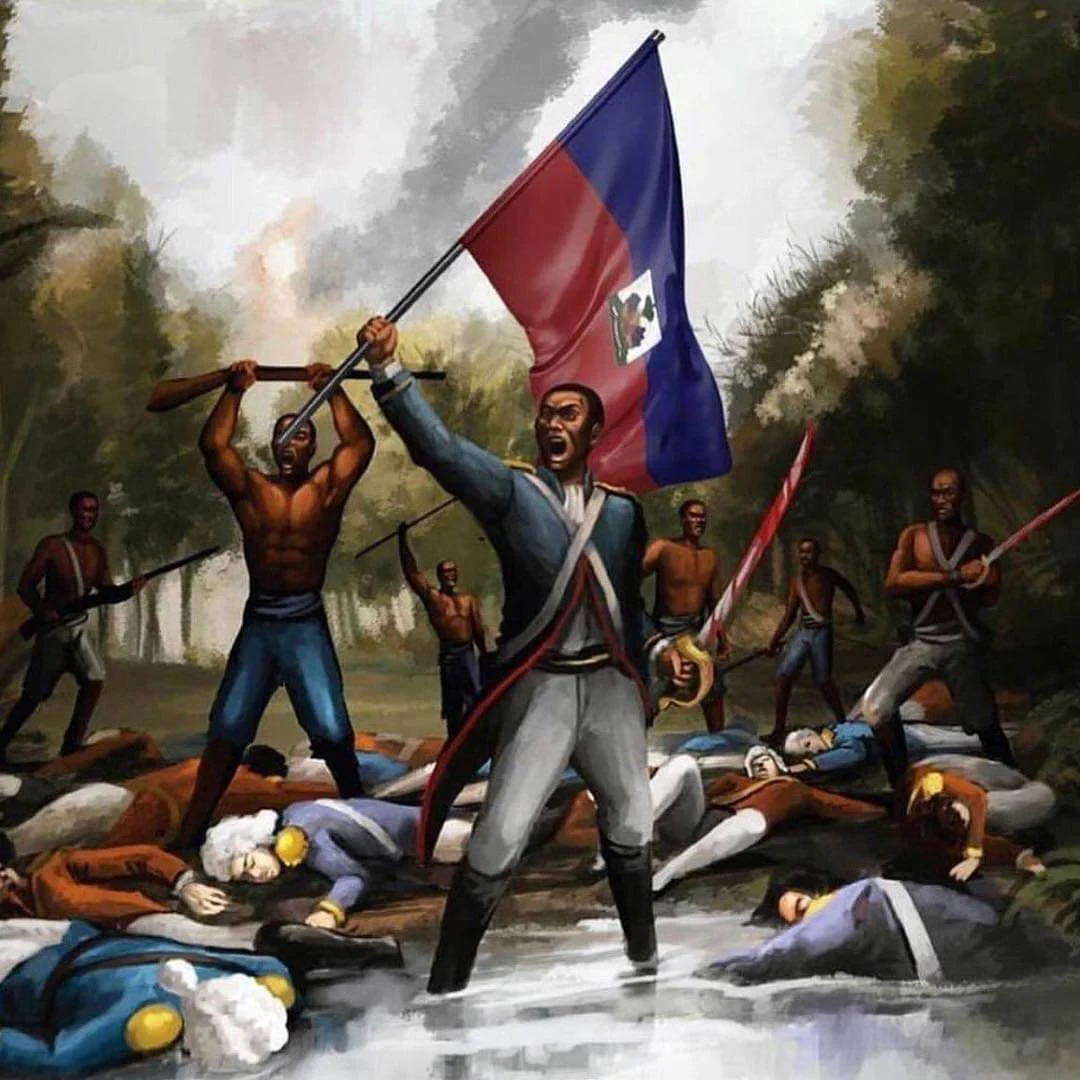
First black nation to free itself from slavery and gain independence from France in 1804 and influenced other liberation movements around the world, inspiring struggles for freedom and equality.

Natural beauty

Natural beauty

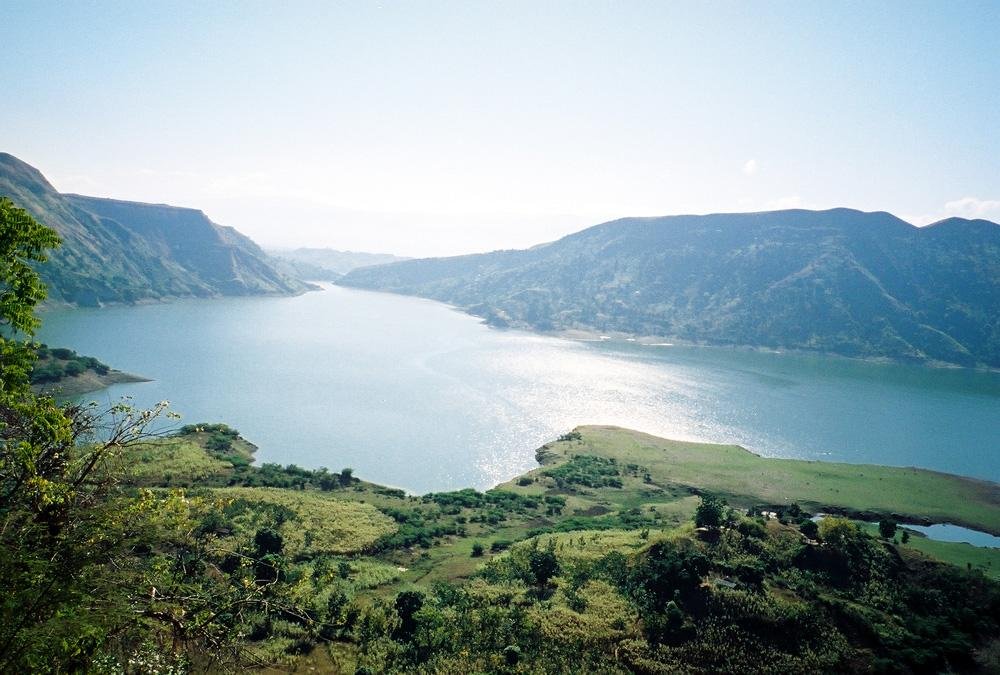
Haïti is blessed with spectacular natural landscapes, including white sand beaches, mountains and rich biodiversity.

Heritage

Heritage

Haïti has a rich historical heritage, including sites like the Citadelle Laferrière and the Sans-Souci Palace, listed as UNESCO World Heritage Sites.

Culture

Culture

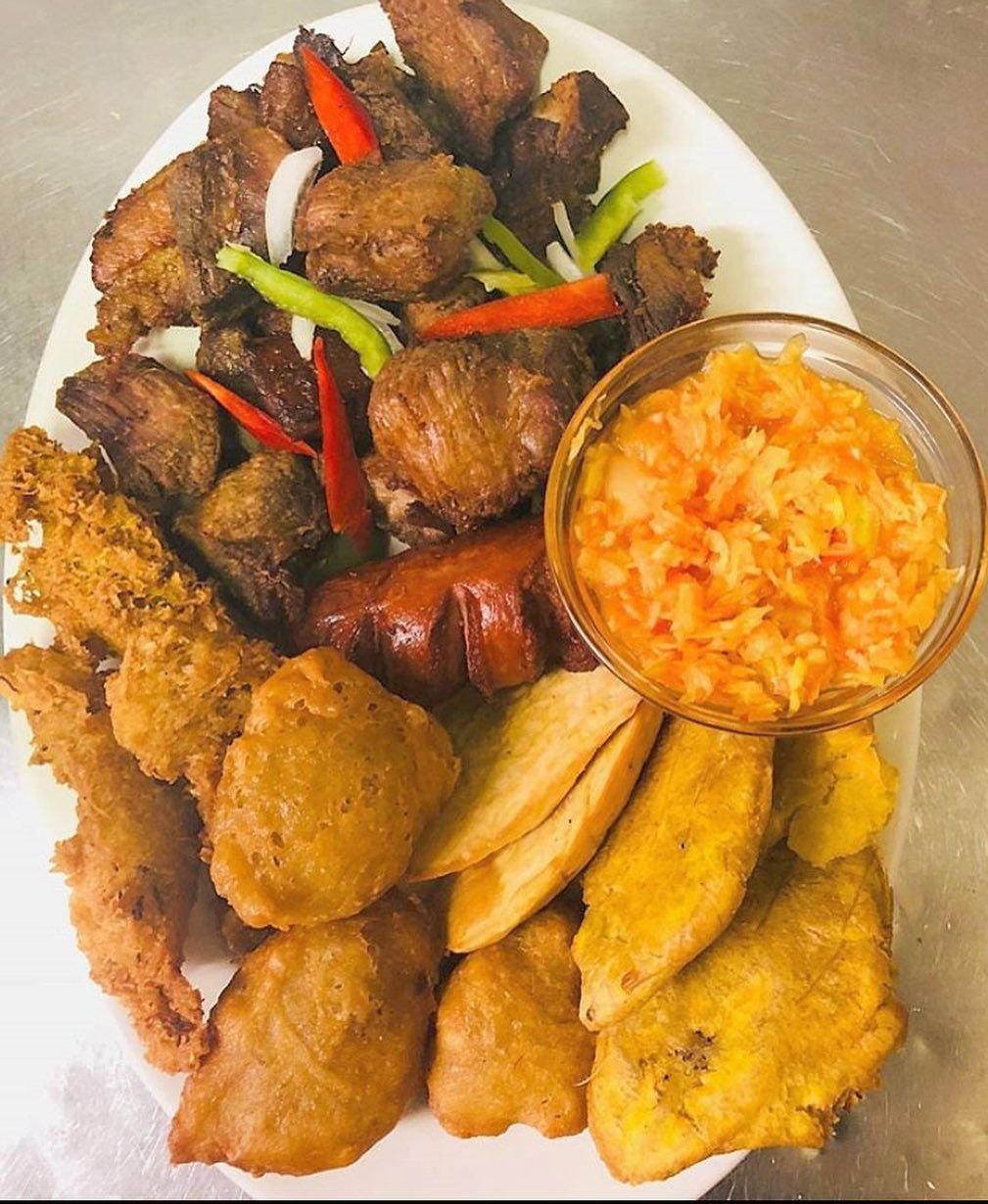
Haïti has a rich and diverse culture, influenced by African, European and indigenous elements. Haitian music, dance, art and cuisine are celebrated around the world.

  • +
    • Post