Haitian Cuisine: Carnival Beignets Recipe! (Benyen Kanaval!)
It’s Carnival time! Instead of lamenting the traditions that are disappearing, let’s recreate some memories in your kitchen during this festive season by making beignets! "Benyen kanaval"!

In 2025, the name Jephte Estiverne echoes ever louder in the Haitian literary world. A poet, linguist, and trained sports journalist, this young author with a meteoric rise, originally from Carrefour-Feuilles, is establishing himself as one of the most promising voices of his generation. Through personal insights and reflections, he shares his journey, his relationship with writing, his vision of the country, literature, and poetic commitment.
Haïti is a fascinating nation, rich in history, culture, and mysteries. Although often overlooked or reduced to stereotypes, it is full of unique facts that testify to its essential role in world history and its natural treasures. Here are 10 surprising facts about Haïti that you may not know.
The word crisis carries an infinite number of meanings. No intention of revealing them all this afternoon. However, a few clarifications are necessary. A kid whose parents do not have enough money at Christmas to buy her a Little Black Mermaid doll has a fit and locks herself in her room without touching her meals for the day. A boy whose dog was suddenly poisoned by a neighbor in revenge or shot after contracting rabies, losing a faithful friend overnight, enters into crisis. Finally, a society in the grip of all sorts of mutations and whose leaders are weak, perhaps prolonged in a deep crisis. In the first case, the young girl sulks to attract the attention of her parents in order to feel appreciated by children her age at school or in the neighborhood. Today, thirty minutes of negotiations can be enough to find a lasting solution. In my day, a few well-aimed belt blows would have overcome this whim. But, humanity evolves, they say. In the second case, this boy can find his smile again after a few weeks. He needs a little attention and, probably, another dog. As Stendhal would say, only passion triumphs over passion. In the last case, this society led by inepts is shaken to its deep foundations. Its institutions can disintegrate one by one. The vital forces dissolve in no time. This situation creates a societal tsunami that destroys all life within this community. It is indeed a crisis. The crisis from this point of view constitutes an alarming, desperate situation in the existence of a community where nothing is going well. Chaos reigns supreme. The very essence of life disappears. The individual can take precedence over the community. Everyone tries to solve their problems without worrying about others. The closest neighbor is relegated light years away from you. How can we turn to creation? How can we continue to conceive of otherness? How can the artist absorb this great collective disarray as a source of motivation? These are the questions I must answer. An artist sees and feels what ordinary mortals cannot even imagine in a thousand-year life. He creates to denounce, when his conscience as a human being is revolted. He exalts heroes or the homeland according to his feelings. He sings the beauty of an irresistible, captivating or ugly resplendent woman. He can also use the ambient desolation to give meaning to life. Creating in literature as in the arts in general does not depend on the situation. The act of creation depends on the creator’s disposition. Events paralyze some and galvanize others. Creating is enjoyable. Everyone therefore enjoys according to their own whim. Writing opens the way to change. The writer takes a different look at the world. By embedding himself in reality, he embellishes it, makes it better or hideous depending on the message he intends to share. All things considered, with him, life is never fixed. Writing is putting the world in a jar to travel the universe. The artist broods over his work in all weathers. Oswald Durand was delighted to see Choucoune’s beautiful body from his secret observatory. Musset, on the other hand, was in pain writing his October night. As for Dany Laferrière, in exile, he described the horrors of the Duvalier dictatorship and the carefree attitude of the young girls in his neighborhood in this violent and dangerous world. Ultimately, the writer lives in a society with values that he shares or not. They condition his existence or have no hold on him. In many ways, the surrounding world serves as his laboratory. He carries out his experiments there. He casts a new, worn, disillusioned, melancholic, violent, bitter look at the world depending on his mood. Pitié is the work of an old soul crushed under the weight of an existence that tastes of absinthe. Young Mike Bernard Michel lives by expedients and lies. The hands of life fall on him with indescribable violence. Misfortune embraces him day and night. Should we give up? Musset liked to say: "Man is an apprentice, pain is his master. And no one knows himself until he has suffered." The artist must produce under all skies. Such is his vocation. Incompetents in power, legal or highway bandits, the high cost of living, unemployment, heartaches are all subjects of concern for him. If it is true that a hungry belly has no ears, the fact remains that it keeps the brain awake. What am I saying, it stimulates it to the point of creating timeless works. Mr. Pitié, you have a bright future ahead of you. Work of Jean Rony Charles, the book is available from Éditions Repérage.
Agriculture is at the heart of Haiti’s economy and daily life. Despite challenges related to infrastructure and climate conditions, this sector remains vital for the majority of the population. Let’s discover how Haitian agriculture shapes the country, its economy, and its traditions.
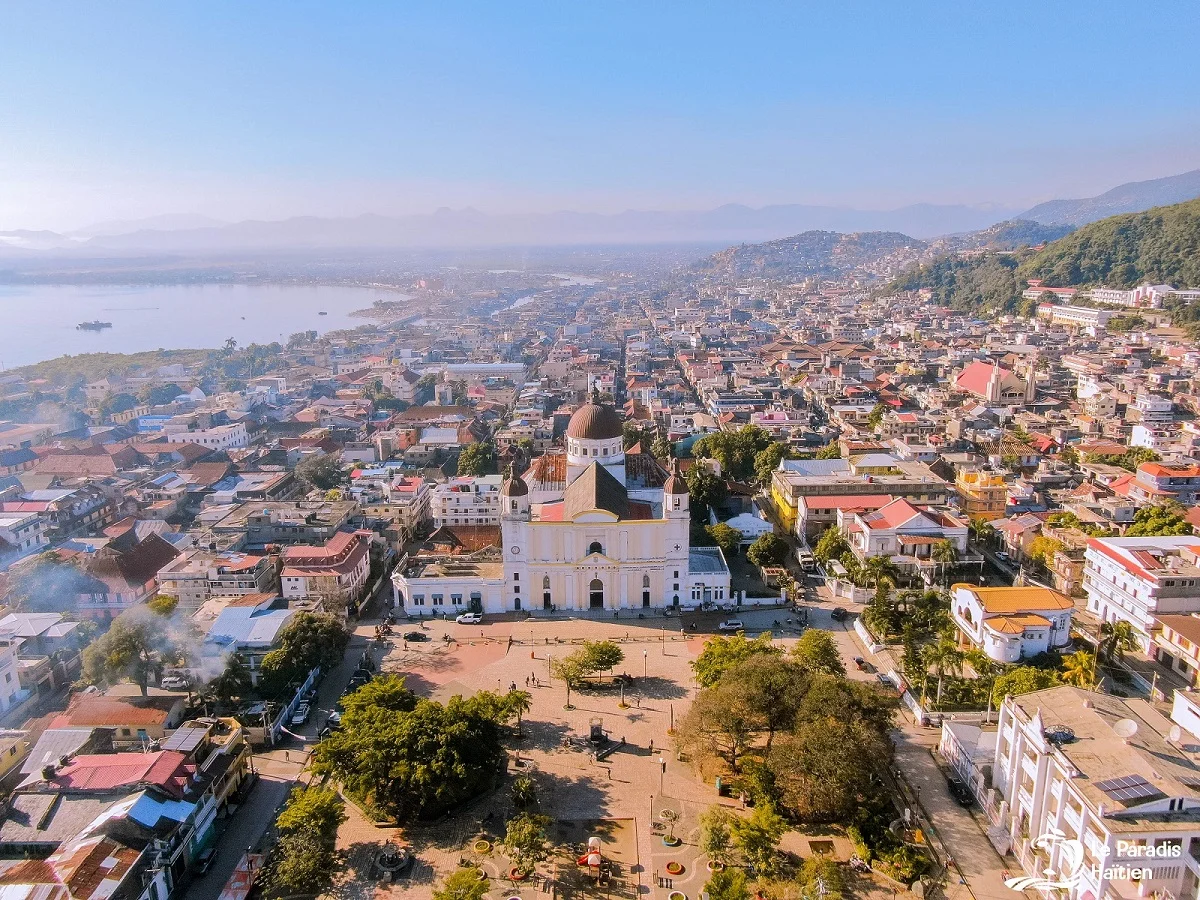
Cap-Haïtien, is a coastal city in the northern department of Haiti, formerly known under the names of Cap-Français or Cap-Henri. Dominated by the Morne Jean mountain, this destination offers an immersion in the French colonial past and the Haitian revolution. Nestled by picturesque bays and bordered by the Haut-du-Cap river, Cap-Haitien appeals to travelers looking for authenticity and seaside adventure. The city, rich in history and culture, has seen the birth of renowned artists like Philomé Obin and hosts a vibrant music scene with the groups Septentrional and Tropicana from Haiti. Its hidden treasures, including the Citadelle La Ferrière and the historic site of Vertières, as well as its magnificent natural landscapes, make Cap-Haitien an unmissable destination in the Caribbean. Paradise beaches in Labadie and cobbled streets evoking a rich past invite visitors to fully immerse themselves in Haitian history and culture. Cap-Haïtien, formerly Cap-Français or Cap-Henri, is the second city of Haiti, capital of the Nord department and the district of Cap-Haïtien. Located on the northern coast of the Republic of Haïti , was considered in the 19th century as the safest port. Dominated by the Morne Jean mountain, culminating at 718 meters above sea level, the town is located at the mouth of the Haut-du-Cap river, on the west coast. of the bay of Cap-Haïtien. To the west of the town lies the Acul Bay.
Ah, summer in Haiti! A season where the sun shines high in the azure sky and the crystal clear waters of the Caribbean Sea invite relaxation and adventure. When you think of Haiti, its heavenly beaches may not be the first thing that comes to mind, but this Caribbean gem is actually full of breathtaking coastal treasures. From the north coast to the south coast, each beach offers a unique experience, blending history, culture and nature with stunning natural beauty. Here is a selection of the essential beaches to visit during your summer getaway to Haiti:
The Francophone Youth Parliament (PFJ) is an entity of the Parliamentary Assembly of the Francophonie (APF), which itself is part of the International Organization of La Francophonie (OIF). Established in 1999 during the Moncton Summit in Canada, this parliament for Francophone youth provides a genuine opportunity to forge connections among young people from the Francophone world. This real platform for debate and advocacy allows young people to have their voices heard and actively participate in shaping the future of La Francophonie. The body meets sequentially, with young people from almost all Francophone backgrounds gathering at each edition to discuss contemporary issues affecting global youth, such as precariousness, a lack of faith in democracy, characterized by a high number of young people abstaining from elections, a lack of civic engagement, the fight against inequalities, climate change, and even the impact of social media on youth. It is important to note that although the decisions made during these meetings are not legally binding, they remain powerful tools to describe the real will and needs of youth in the Francophone space, with the aim of facilitating actions by leaders.
Haitian cuisine, with its blend of spices, flavors, and traditions, occupies a unique place in the Caribbean culinary panorama. Rooted in centuries of history and cultural influences, it is distinguished by several elements that make it exceptional. Let’s discover what makes Haitian gastronomy unique.
The Haitian Creole, born in the 17th century during the French colonization on the island of Hispaniola, is not only a communication tool; it is an essential part of the Haitian identity. Despite being recognized as an official language in 1987, French is still considered an elite language, creating a social divide. In the educational system, where French is the language of instruction, Creole is often neglected, which affects the ability of students to understand what they are learning, especially for children from rural areas. It has a unique grammatical structure that facilitates learning, and serves as a means of cultural expression in literature, music, and other arts. The advancement of technology will allow Creole to gain more visibility in social media, but the stigmatization of the language still exists. Therefore, it is important for Creole to be valued in education and other sectors, to allow the new generation to grow up with pride for their heritage. The Haitian Creole language, which is the first language for the majority of people in Haiti, is not only a means of communication, but it is also a reflection of the cultural wealth and history of the people. In a country full of diversity, Creole and its origin, its evolution and its place in society, is a testimony of resistance and adaptation.
PAQÉMO, short for "Projet Artistique de Quartiers et Éducatif Musical en Orchestre" (Neighborhood Artistic and Educational Orchestral Music Project), is an ambitious initiative launched in 2022 by the Association Musicale et Éducative à Vocation Sociale (AMEVS), co-founded by Jéricho Pierre-Noël and Cecilia Madolena Clénard, Haitian students at Sorbonne University. Today, the project includes other names such as Sargine Any Melissa Bernard, Mohamed Etamine, Ege Tarik Eken, Youssef Naccache, and Sohann List Massaregli, all Sorbonne students dedicated to promoting access to musical education in Haiti—particularly classical music—as a tool for holistic development. The goal of PAQÉMO’s founders is to use music as a means of education, inclusion, and social transformation, integrated alongside the traditional Haitian school curriculum.

First black nation to free itself from slavery and gain independence from France in 1804 and influenced other liberation movements around the world, inspiring struggles for freedom and equality.

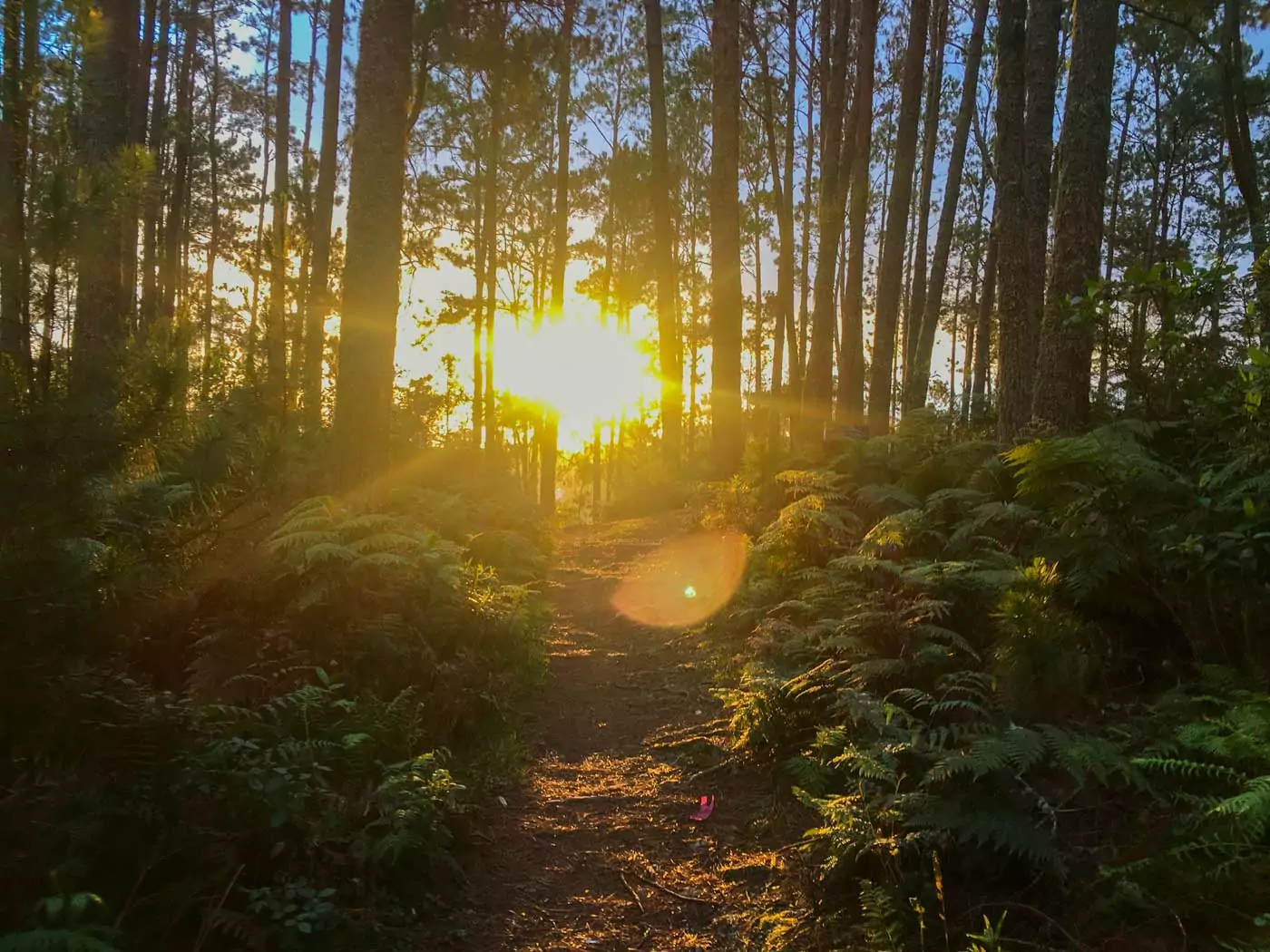
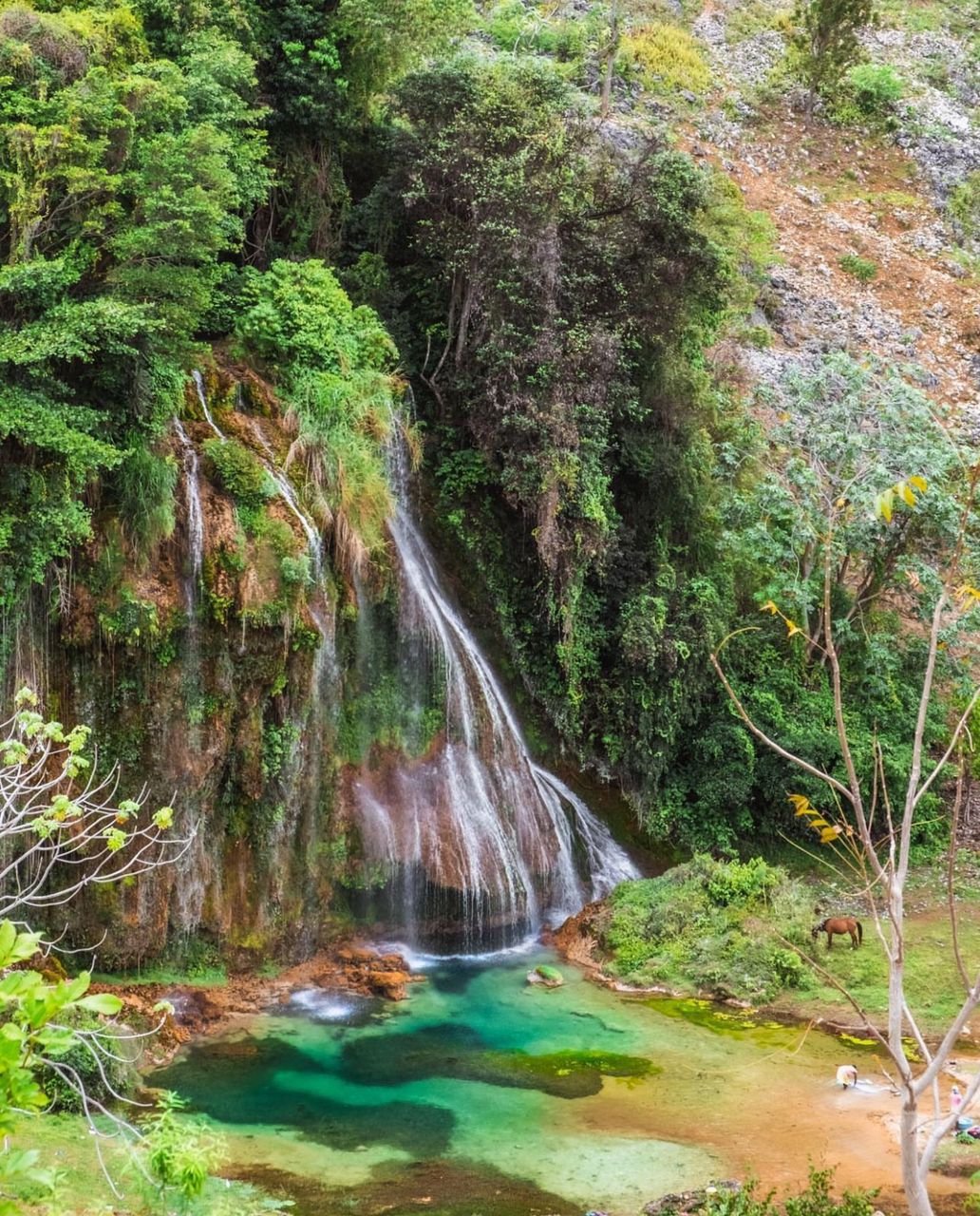
Haïti is blessed with spectacular natural landscapes, including white sand beaches, mountains and rich biodiversity.

Haïti has a rich historical heritage, including sites like the Citadelle Laferrière and the Sans-Souci Palace, listed as UNESCO World Heritage Sites.

Haïti has a rich and diverse culture, influenced by African, European and indigenous elements. Haitian music, dance, art and cuisine are celebrated around the world.