
What is Haiti’s National Motto? Discover Its Deep Meaning
Discover Haiti's national motto: Liberty, Equality, Fraternity. Its revolutionary origins, profound meaning, and unique global impact.

In a country where many schools lack digital resources, a local and adapted solution stands out: AsProNote, an educational platform developed by Fedner Michel, an active member of the Coding Club Carrefour.
Haïti is a country located in the Caribbean, occupying the western third of the island of Hispaniola which it shares with the Dominican Republic. With a rich and complex history, Haïti stands out for its vibrant culture, unique heritage and resilience in the face of challenges.
The largest valley in Haïti is called the Artibonite Valley. Nestled in the heart of the country, this valley is a true natural and economic wealth for the nation. Thanks to its fertile lands, its importance in agricultural production and its role in Haitian history and culture, the Artibonite Valley is an emblematic place in many ways. In this article, we will explore the characteristics that make this valley a national treasure.
The Haitian flag is much more than just a national emblem. It is a symbol of the struggle for independence, cultural identity, and the resilience of a people. Every year on May 18, Haitians come together to celebrate their flag with a unique fervor. This article explores the significance of this day and the different ways it is celebrated across the country.
"Pig’s trotter" stew is an iconic dish of Haitian gastronomy, appreciated for its rich flavors and melting texture. This stew is prepared from carefully cleaned pig’s trotters, marinated with local spices such as garlic, chili pepper, thyme and cloves, then slowly braised until tender and a creamy sauce is obtained. Vegetables such as carrots and potatoes are often added, as well as a spicy tomato sauce that enhances the dish. Accompanied by white rice, sticky rice or even weighed bananas, pig’s trotter stew is a real explosion of flavors that brings families together around a generous and friendly meal.
Every November 1st and 2nd, Haïti comes alive with the colors black and purple to celebrate the Guédés, spirits venerated in the voodoo religion, symbols of a powerful bond between the living and the dead. Fascinating, indomitable and provocative, the Guédés form a true family in the pantheon of Haitian voodoo, where they are respected for their role as spiritual guides of the deceased to the afterlife. Led by iconic figures such as the legendary Baron Samedi and his companion Grann Brigitte, the Guédés embody the paradoxes of life and death. Each Baron has a unique personality: Baron Cimetière, Baron Kriminel, and Baron La Croix are the guardians of the souls that wander on the borders of the world of the dead. Together, they form a powerful and somewhat frightening presence, but one that is deeply rooted in Haitian culture. The Guédés are not like other voodoo spirits; they demonstrate their fearlessness in a spectacular way. Accustomed to death, they are fearless and are provocative: they eat glass, raw peppers, and coat their sensitive parts with rum and pepper. These gestures mark their indifference to danger and remind us that they have already known earthly life. They are thus psychopomps – these beings who lead the souls of the dead – and act as bridges between the world of the living and that of the dead. Some Guédés, like Guédé Nibo, wear black, purple, and white clothing, each with unique characteristics. They are many and varied: Guédé Fouillé, Guédé Loraj, Papa Guédé, and many others. These are the spirits who, each year, remind Haitians of the importance of remembering and honoring the deceased. The cult of the Guédés is not only religious; it is also cultural and historical. According to tradition, their spiritual territory, or “Fètomè” – nicknamed the “Country without Hats” – is a place where the souls of ancestors reside. According to stories, the origins of this cult go back to the Abomey plateau, the ancient capital of the kingdom of Dahomey, in Africa, where death and life coexist in a form of symbiosis. This celebration in Haïti even finds echoes in ancient history. The Romans also honored their dead with the “Fête des Lémuria”, which took place in February, to ward off spirits and restore peace between the world of the living and that of the deceased. For Haitians, honoring the Guédés is about accepting death as a part of life and celebrating the invisible bonds that unite us with those who have left us. It is also a way of resisting, because life, despite its challenges, must be celebrated in all its complexity and depth.
Le Paradis Haitien, a passionate community operating in the fields of tourism, history and heritage, has given itself the noble mission of discovering, knowing and promoting Haiti. This initiative goes well beyond simple tourism, as it aims to strengthen the connection between Haitians, whether they reside in Haïti or abroad, and their country, by offering unique and meaningful experiences. b~The Haitian Paradise Mission~b The mission of Paradis Haitien is clear and inspiring. It’s about reconnecting and connecting every Haitian, wherever they are, with their country in a way that transcends the usual clichés. They aspire to create a sense of belonging by offering unparalleled experiences that showcase the cultural richness and diversity of Haiti. By building and strengthening the “Haitian Narrative,” Haitian Paradise seeks to ensure that each individual reappropriates, defends and acts responsibly for the well-being and development of the country.
Haitian cuisine, with its blend of spices, flavors, and traditions, occupies a unique place in the Caribbean culinary panorama. Rooted in centuries of history and cultural influences, it is distinguished by several elements that make it exceptional. Let’s discover what makes Haitian gastronomy unique.
The history of Haïti and France is a complex and tumultuous saga, marked by conflict, struggles for freedom, and lasting impacts on both nations. This story begins in the 17th century and continues to resonate in contemporary relations between the two countries. This article explores the key moments of this historic relationship, highlighting the sacrifices, struggles, and economic issues that defined it.
Originally from Bainet and raised in Petit-Goâve, Haiti, Emmanuel Joseph embodies one of the rising figures of the Haitian intelligentsia. A jurist, ethicist, and Ph.D. candidate in philosophy at the University of Sherbrooke (Canada), his journey reflects a rigorous commitment to justice, human rights, and critical thinking. Local Roots, Global Outlook Educated in Haiti’s public and religious schools, Emmanuel Joseph began his intellectual path at the Apostolic School of Petit-Goâve, then excelled at the Lycée Faustin Soulouque. His grades, consistently between 8 and 9 out of 10, demonstrated remarkable discipline and rigor from an early age. His university education began at the Faculty of Ethnology (FE) and the Faculty of Law and Economics (FDSE) of the State University of Haiti, where he earned his bachelor’s degree in November 2013. His academic profile sharpened in Canada, especially at the University of Quebec in Rimouski (UQAR), where he completed a master’s degree in philosophy/ethics in 2020, before pursuing a Ph.D. at the University of Sherbrooke, focusing on a broad yet fundamental theme: humanitarian action as experience.
On Wednesday, October 24, 2024, in the premises of the Office of Citizen Protection, on the road to Bourdon, the 8th Wednesday outing of the Monferrier Dorval chair took place. As a reminder, the Wednesdays of the chair are one of the initiatives taken within the framework of the Monferrier Dorval chair of constitutional law, established on March 12 by the Council of the State University of Haïti (UEH). The rector, Mr. Fritz Deshommes, is the technical director. Professor Henri Marge Dorléans, former Minister of Justice, is the scientific director, and the dean of the Faculty of Law and Economics, Me Eugène Pierre Louis, holds the position of both technical and scientific vice-president. It should also be noted that the two main objectives of the chair are, on the one hand, to promote the memory of Professor Dorval, then President of the Bar Association, who was cowardly assassinated in front of his house, near that of the presidential couple at the time, on August 20, 2020. On the other hand, it is about promoting the work he had undertaken in the country, as a professor of constitutional law, around the need to make a constitutional change to facilitate effective governance and better institutional management of Haiti.
Haiti, rich in history and culture, celebrates several national holidays throughout the year. These celebrations reflect the identity and resilience of the Haitian people, marking key moments in their history and honoring their traditions. Discover the most important national holidays in Haiti, their meanings and how they are celebrated.
If you’re looking for an unforgettable musical experience this summer, look no further than Sumfest in Haiti. This unmissable festival brings together the biggest names in the Haitian music scene for a crazy weekend, all in an idyllic setting by the sea. This is why Sumfest is the event not to be missed for all music lovers. Haitian music and culture.

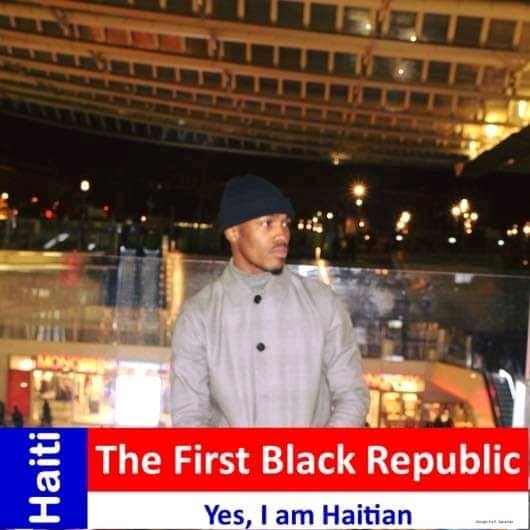
First black nation to free itself from slavery and gain independence from France in 1804 and influenced other liberation movements around the world, inspiring struggles for freedom and equality.

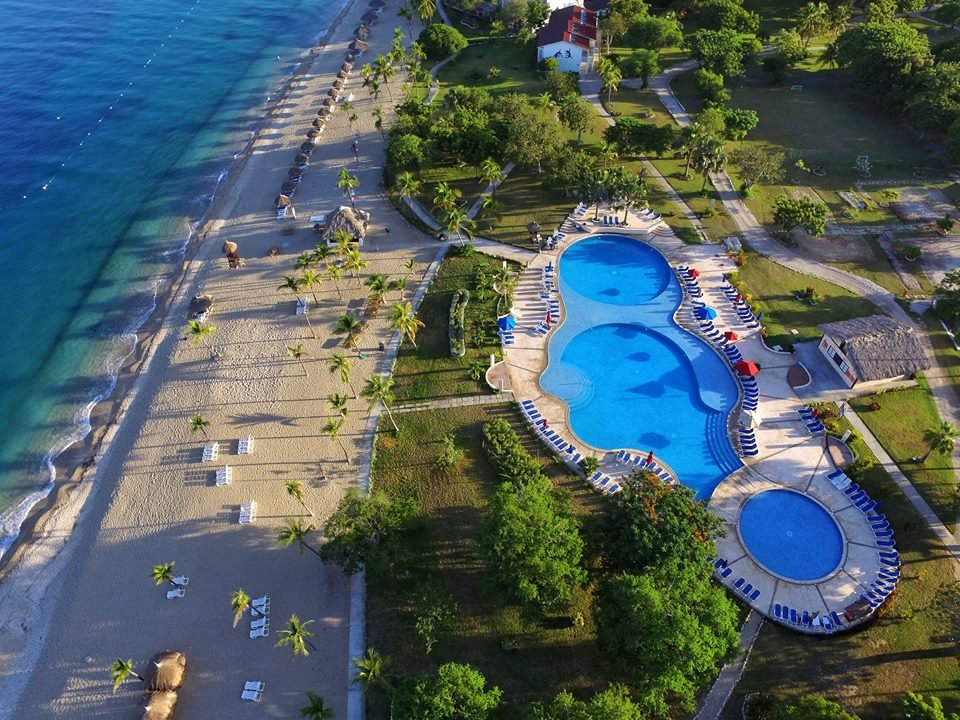
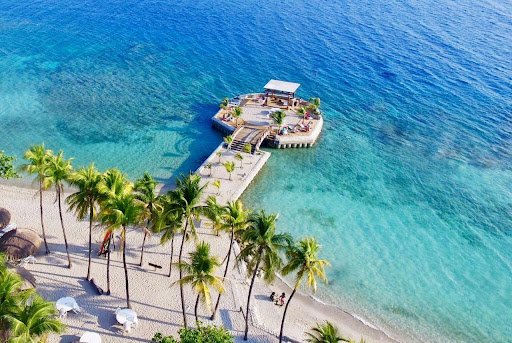
Haïti is blessed with spectacular natural landscapes, including white sand beaches, mountains and rich biodiversity.

Haïti has a rich historical heritage, including sites like the Citadelle Laferrière and the Sans-Souci Palace, listed as UNESCO World Heritage Sites.

Haïti has a rich and diverse culture, influenced by African, European and indigenous elements. Haitian music, dance, art and cuisine are celebrated around the world.