Haitian Cuisine: Carnival Beignets Recipe! (Benyen Kanaval!)
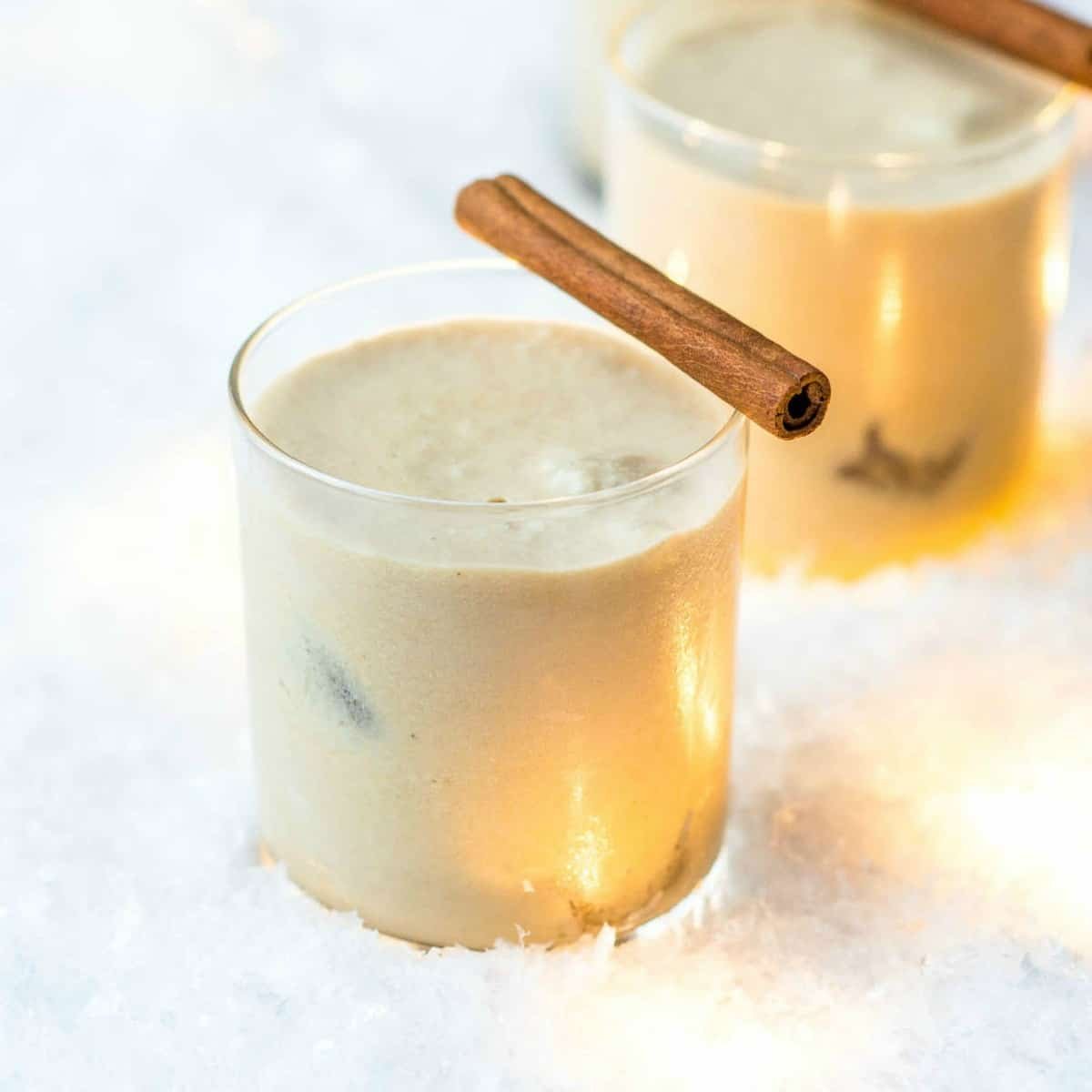
It’s Carnival time! Instead of lamenting the traditions that are disappearing, let’s recreate some memories in your kitchen during this festive season by making beignets! "Benyen kanaval"!

The Jacmel Jazz Festival, one of the most anticipated cultural events of the year in Haiti, returns in force with its 8th edition. Organized by the cultural association of the same name, under the direction of Richecard Cine, founding president, the festival will take place on April 30, 2024 in the picturesque town of Jacmel, known for its rich artistic and cultural heritage.
Haiti, a country rich in history, culture and natural beauty, is one of the most fascinating and underrated destinations in the Caribbean. For years, this country was perceived through a negative prism, but today, Haïti deserves to be rediscovered. If you are wondering why travel to Haïti now, this article will convince you that now is the perfect time to discover this unique island, full of surprises and hidden treasures.
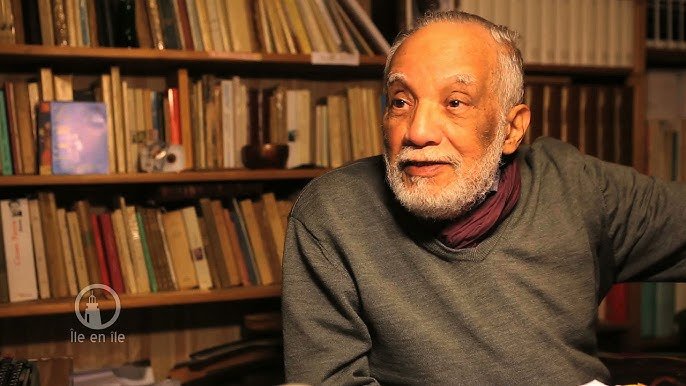
Frankétienne is the stage name of the man who officially bore the name Jean-Pierre Basilic Dantor. He was born in the Artibonite department of Haïti on April 12, 1936. His father, who did not recognize him at birth, was, according to his own account, an American industrialist who had come to do business in Haiti, and his mother was an Artibonite farmer. This makes Frank a similar case to the great Jamaican artist Bob Marley, who had a typical story, in addition to the fact that both men made their country known abroad and left their mark on their land from within through their art. Frank died on Thursday, February 20, 2025, in Delmas, his home town for decades. He was about to celebrate his 89th birthday.
Haiti, nestled in the Caribbean, is often recognized for its picturesque beaches and rich culture. However, this island country also carries a deep and significant historical legacy: that of being the first black country to gain independence and abolish slavery, becoming a powerful symbol of freedom and resistance.
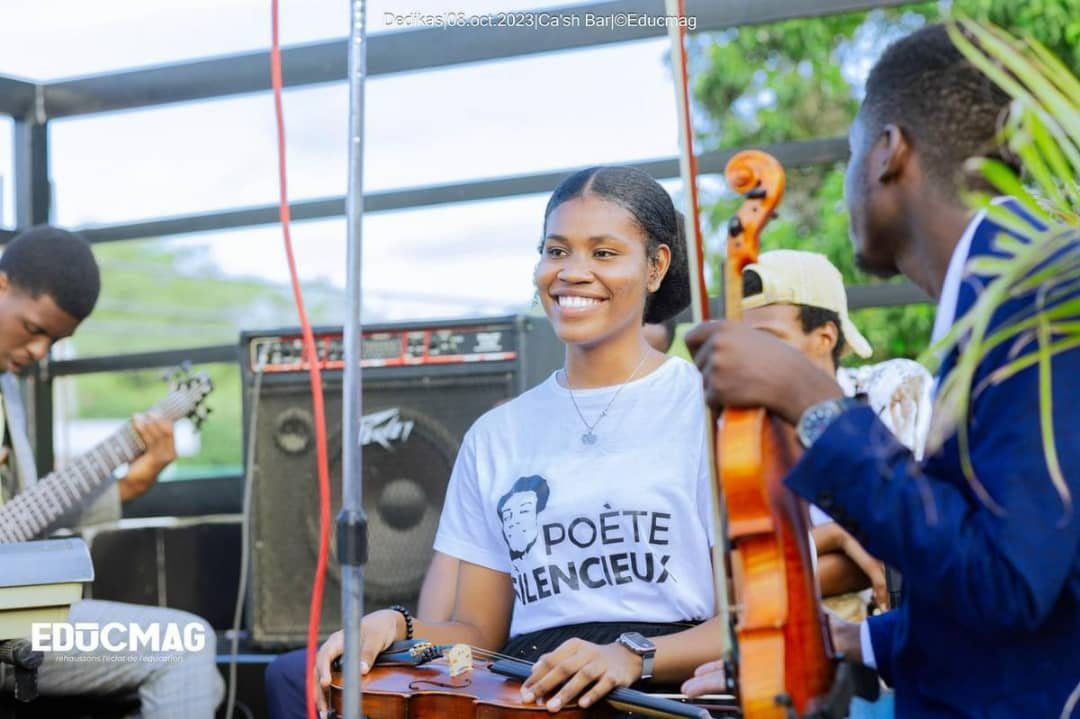
Music has always been an essential part of Haïtian culture, and among the many genres that have emerged from this Caribbean island, Compas holds a special place. It is a musical style that carries with it the history, cultural diversity and vibrant energy of Haïti. b~Origins and Evolution~b The Compas Haïtien, also known as Kompa, has deep roots in Haïtian and African musical traditions. Its development was influenced by genres such as Dominican merengue, Cuban salsa, jazz and even rock. This fusion of styles has resulted in a distinctive sound that embodies the cultural richness and diversity of Haïti. The Haïtian Compass has evolved over the decades, moving from a more traditional style to more modern and sophisticated forms. Iconic artists such as Nemours Jean-Baptiste and Tabou Combo helped shape the genre and propel it onto the international music scene. b~The Characteristics of the Compass~b Le Compas Haïtien is characterized by its intoxicating rhythm and complex arrangements. Traditional instruments such as guitar, saxophone, drums, and of course, bass, play a crucial role in creating this catchy music. The lyrics, often sung in Haïtian Creole, address varied themes, from love and joy to social and political issues. Dance is an inseparable component of the Haïtian Compass. The irresistible rhythms encourage the dancers to sway to the music. Traditional dance moves, such as "Kompa Direk" and "Kompa Love," reflect the joyful expression and sensuality that characterize this musical genre. b~Global Influence~b Over the years, the Haïtian Compas has transcended the borders of Haïti to conquer the international stages. Haïtian artists helped popularize the genre around the world, bringing with them the warmth and vitality of Haïtian culture. Music festivals dedicated to Compas attract fans from around the world, providing an immersive experience of this catchy music. The Haïtian Compass is much more than a musical genre; it is a standard bearer of Haïtian culture, a mirror reflecting the history, diversity and resilience of the Haïtian people. Discovering the Haïtian Compas means diving into a world of captivating rhythms, passionate dances and captivating stories, while celebrating Haïti’s unique musical heritage. Whether you are a world music lover or simply curious about new experiences, the Compas Haïtien is an invitation to an unforgettable sound journey.
Haïti is known for its significant history and its crucial role in the fight against slavery and for independence. The country gained independence from France on January 1, 1804, becoming the world’s first independent black republic and the first country in the Americas to abolish slavery. However, this independence came at an enormous cost, the effects of which are still felt today.
Cap-Haïtien, is a coastal city in the northern department of Haiti, formerly known under the names of Cap-Français or Cap-Henri. Dominated by the Morne Jean mountain, this destination offers an immersion in the French colonial past and the Haitian revolution. Nestled by picturesque bays and bordered by the Haut-du-Cap river, Cap-Haitien appeals to travelers looking for authenticity and seaside adventure. The city, rich in history and culture, has seen the birth of renowned artists like Philomé Obin and hosts a vibrant music scene with the groups Septentrional and Tropicana from Haiti. Its hidden treasures, including the Citadelle La Ferrière and the historic site of Vertières, as well as its magnificent natural landscapes, make Cap-Haitien an unmissable destination in the Caribbean. Paradise beaches in Labadie and cobbled streets evoking a rich past invite visitors to fully immerse themselves in Haitian history and culture. Cap-Haïtien, formerly Cap-Français or Cap-Henri, is the second city of Haiti, capital of the Nord department and the district of Cap-Haïtien. Located on the northern coast of the Republic of Haïti , was considered in the 19th century as the safest port. Dominated by the Morne Jean mountain, culminating at 718 meters above sea level, the town is located at the mouth of the Haut-du-Cap river, on the west coast. of the bay of Cap-Haïtien. To the west of the town lies the Acul Bay.
Haitian culture is a true treasure, woven from the creativity of its artists, its rich heritage and the diversity of its cultural expressions. Among these cultural gems, the rara stands as a true national emblem, uniting Haitians through its captivating rhythms and centuries-old traditions. During the first Rara weekend, this very essence of Haitian culture shone brightly, revealing palpable social cohesion. Despite the absence of law enforcement, tranquility reigned in Petit-Goâve, testifying to the ability of citizens to come together in peace and conviviality. However, media attention was mainly focused on the first plain, leaving a certain imbalance in the coverage of the festivities. Ratyèfè, three-time reigning champion, once again captivated minds with his talent and artistic mastery, offering an unparalleled spectacle. But his rival, Lambi gran dlo, was not to be outdone, displaying a determination to compete for first place. The event was also marked by unfortunate incidents, reminding us that despite the beauty of tradition, tensions can arise. Clashes between fans of different groups tarnished the festive atmosphere, highlighting the need for careful management of celebrations to avoid such excesses. At the heart of this musical competition, where each group aspires to recognition and victory, a complex picture of rivalries and alliances emerges. Chenn tamarin, although appearing asleep in the first moments, shows signs of waking up, ready to shake up the established order. On Sunday evening, Lambi gran dlo honored the memory of one of its loyal supporters, while Grap Kenèp was the scene of violence between fans, recalling the fragility of social cohesion when passion runs wild. In this whirlwind of emotion and competition, it is crucial to keep in mind that it is the journalist who must look to the events, and not the other way around. This is how we draw up the first ranking for this first weekend: 1. Ratyèfè 2. Lambi grand dlo 3. Chenn tamarind Beyond the results, it is the preservation of unity and mutual respect that must remain at the heart of these celebrations, making the rara not only a musical festival, but above all a symbol of the wealth and resilience of the people Haitian.
Located in the heart of southeastern Haiti, the Pichon Waterfall emerges as a natural gem, providing a breathtaking experience for visitors seeking adventure and natural beauty. Nestled in the lush greenery of the Belle-Anse region, this majestic waterfall amazes with its imposing height and its crystal clear waters which cascade down the rocks with grace. The Pichon waterfall is much more than just a natural wonder; it is a place steeped in history and legends, captivating visitors with its mystical ambiance. According to local tradition, it would have been a gathering place for indigenous communities, testifying to the cultural richness of the region. For outdoor enthusiasts and adventure-seeking travelers, Pichon Waterfall offers a myriad of exciting activities. Scenic hikes through the surrounding jungle lead to spectacular viewpoints of the waterfall, offering unforgettable opportunities to take stunning photos. Additionally, travelers can refresh themselves in the crystal clear waters of the waterfall, letting themselves be enveloped by the revitalizing freshness of nature. The more adventurous can even venture to swim in the natural pools formed by the waterfall, creating lasting memories of their visit to Belle-Anse. As an emerging tourist destination, Pichon Waterfall also offers a unique opportunity to experience local culture and support surrounding communities. Visitors can explore the nearby picturesque villages, discover local crafts and taste delicious traditional Haitian cuisine. Whether you are a nature enthusiast, an adventure lover or simply in search of tranquility and beauty, the Pichon waterfall in Belle-Anse invites you to immerse yourself in a world of natural wonders and unforgettable discoveries. Come discover this hidden treasure and let yourself be seduced by the magic of the Pichon waterfall, an unforgettable experience in the heart of Haiti.
On Friday, August 16, 2024, the historic city of Cap-Haïtien was the scene of a new edition of the OKAP ANN PEDALE event, marking the launch of the fifth edition of SUMMER STREET. This annual event, now unmissable, was distinguished by an effervescent atmosphere and a strong message aimed at promoting the Northern region of Haiti.
Haiti, a small Caribbean country, is a destination that is still too often unknown to the general public. However, this country is full of natural, historical and cultural treasures that deserve to be discovered. From its heavenly beaches to its impressive historical heritage, including its exquisite cuisine, Haïti offers a unique experience that will not fail to surprise and enrich those who choose to visit it.
Haiti, as a Caribbean nation rich in history and culture, has played a crucial role in the promotion and defense of human rights since its independence in 1804. The Universal Declaration of Human Rights (UDHR), adopted by the he United Nations General Assembly in 1948, embodies the fundamental principles of human dignity, equality and freedom for all individuals, regardless of their origin or status.

First black nation to free itself from slavery and gain independence from France in 1804 and influenced other liberation movements around the world, inspiring struggles for freedom and equality.

Haïti is blessed with spectacular natural landscapes, including white sand beaches, mountains and rich biodiversity.

Haïti has a rich historical heritage, including sites like the Citadelle Laferrière and the Sans-Souci Palace, listed as UNESCO World Heritage Sites.

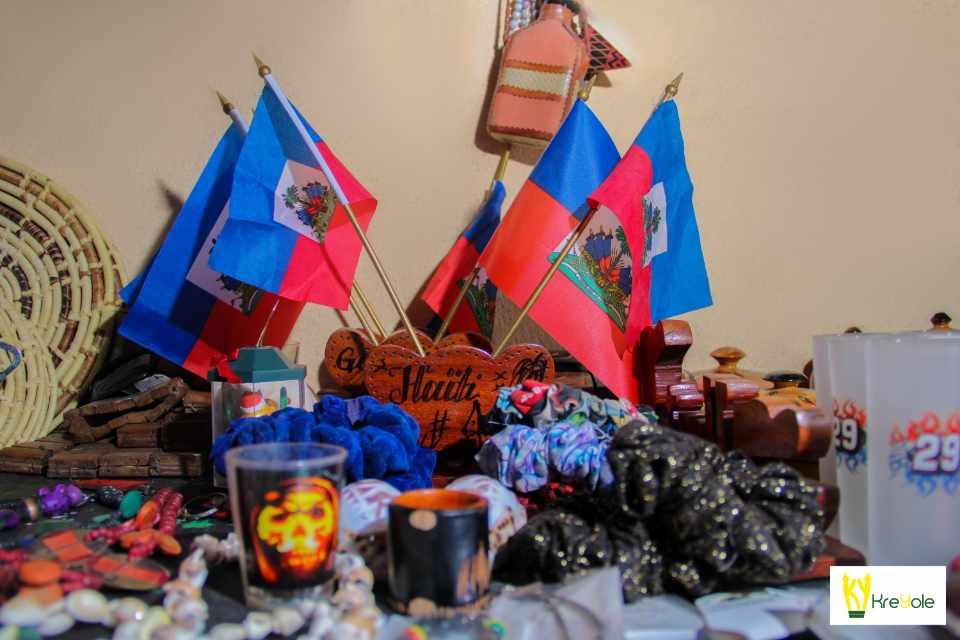
Haïti has a rich and diverse culture, influenced by African, European and indigenous elements. Haitian music, dance, art and cuisine are celebrated around the world.