Tony Mix: Haiti’s #1 Essential DJ
Discover Tony Mix, Haiti's #1 essential DJ, master of the atmosphere and ambassador of Haitian music internationally.

Haiti, often called the "Pearl of the Antilles", is a hidden treasure of the Caribbean, full of breathtaking natural and historical sites. If you are planning a trip in 2025, here are seven heavenly places that are sure to amaze you. Prepare yourself to explore fascinating landscapes, discover a rich heritage and enjoy the warm welcome of the Haitians.
Haiti, nestled in the Caribbean, is often recognized for its picturesque beaches and rich culture. However, this island country also carries a deep and significant historical legacy: that of being the first black country to gain independence and abolish slavery, becoming a powerful symbol of freedom and resistance.
Haïti is a country that never ceases to fascinate with its rich history, vibrant culture and breathtaking natural beauty. Although often overlooked, Haïti is full of treasures that deserve to be discovered. This unique Caribbean country, marked by centuries of history, a diverse culture and breathtaking landscapes, offers an unforgettable travel experience. Follow us to discover this jewel of the Haitian people.
Haiti, officially the Republic of Haïti (Ayiti in Creole), is a country in the Greater Antilles. With an area of approximately 27,750 square kilometers, it is the third largest country in the Caribbean after Cuba and the Dominican Republic. Haïti shares a 360-kilometer land border with the Dominican Republic, strengthening ties and cultural distinctions between the two nations that cohabit on the island of Hispaniola. Haiti’s coastline stretches approximately 1,770 kilometers, bordering the Atlantic Ocean to the north and the Caribbean Sea to the south. This island is full of historical treasures, stunning natural landscapes and a vibrant culture worth exploring. Discover this Caribbean gem with us.
Traditional Haitian dance is rich in history and meaning. It constitutes an essential part of Haitian culture. Practiced during various celebrations such as festivals and religious ceremonies, it is in its essence, a vibrant testimony to the resilience and creativity of a people whose roots are deeply immersed in a fascinating past. Through its rhythms, movements and costumes, this dance tells stories, celebrates traditions and unites entire generations of Haitians.
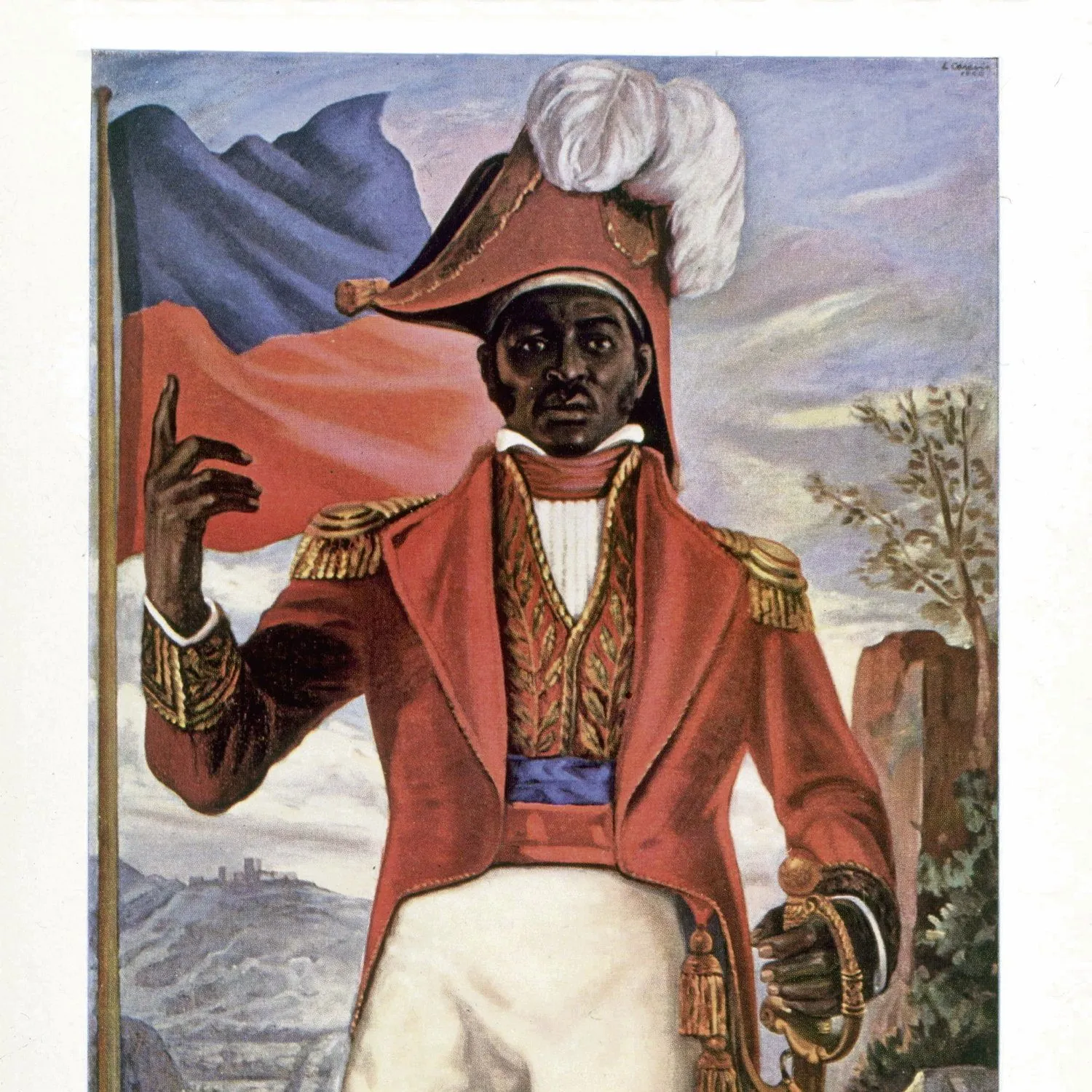
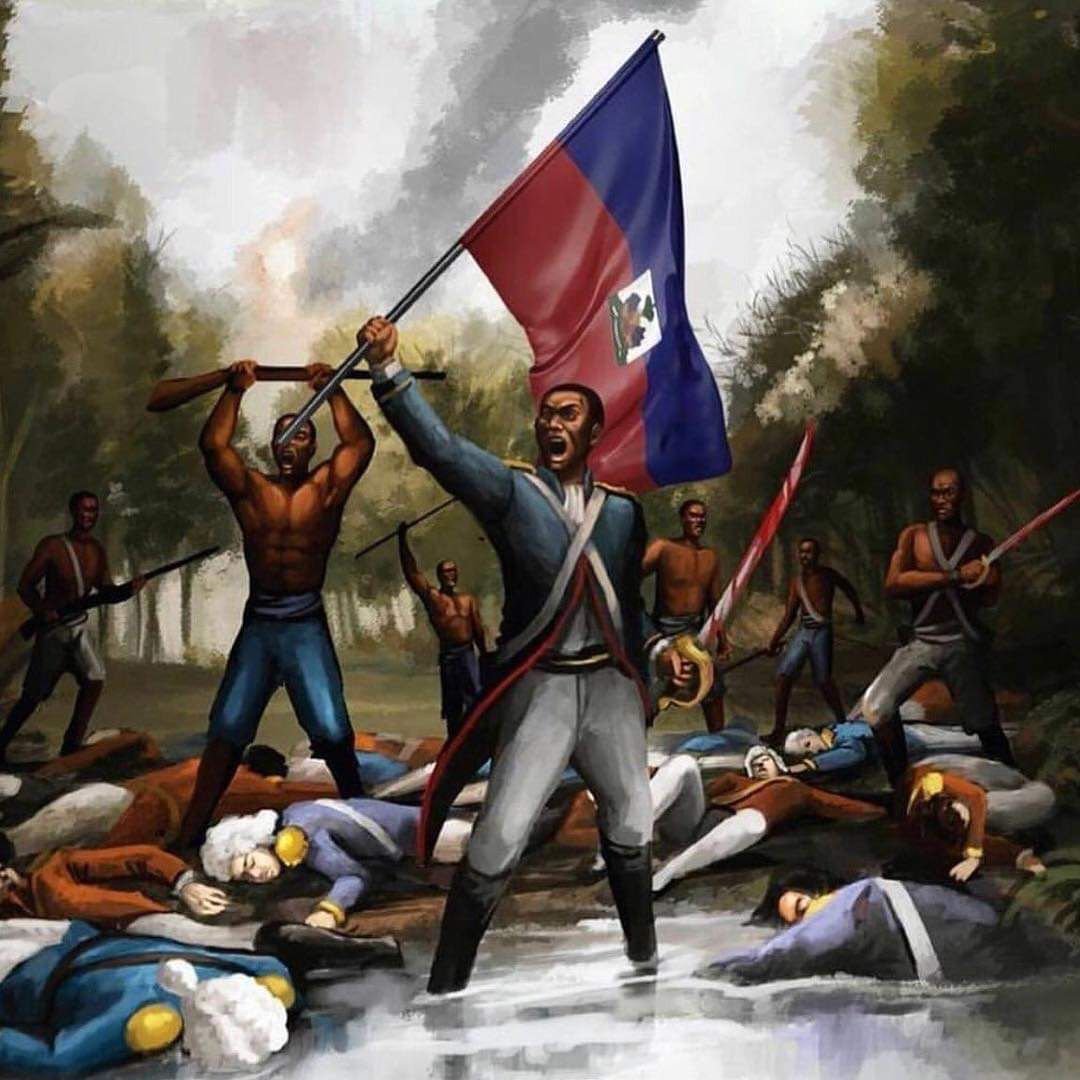
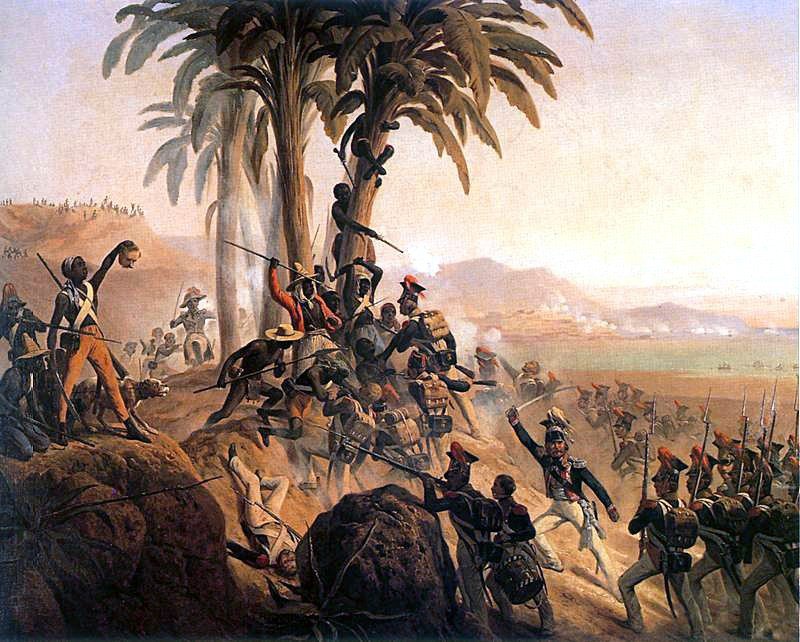
Vertières is the place where history’s light shines brightly. The war that led to the independence of the first black republic in the world, Haiti, spanned several decades. Jean-Jacques Dessalines, who proclaimed the victory on January 1, 1804, was a man who cleverly capitalized on the honorable legacy left by Toussaint Louverture at the head of this struggle for the first liberation of a black people in the Americas. The Battle of Vertières took place in the northern outskirts of Saint-Domingue, the name of Haïti under the yoke of slavery, near the current commune of Limbé. Under a pouring rain, mixing the mud with the blood of the freedom fighters represented by Dessalines’ indigenous army, on November 18, 1803.
Haiti, a Caribbean country with a complex history and varied landscapes, is often perceived through clichés that do not reflect the richness and diversity of its culture and people. Too often, we forget to see Haïti in all its grandeur, as a nation with a unique heritage, impressive resilience and untapped potential. In this article, we will break the stereotypes and present you with another side of Haiti, full of beauty, history and hope.
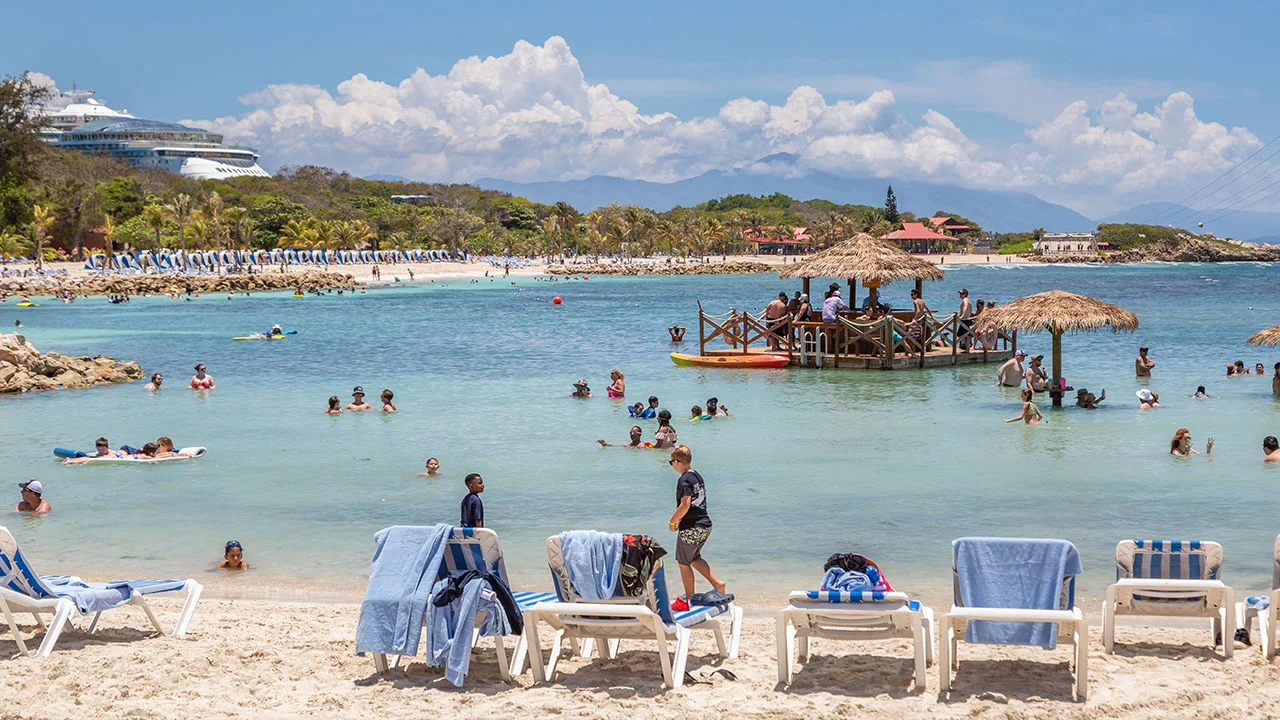
Haiti, a captivating Caribbean island, is a tropical paradise often overlooked by travelers. Between white sand beaches, mountainous landscapes, vibrant culture and fascinating history, this island gem offers a unique and unforgettable experience. If you are looking for an authentic destination, off the beaten track, Haïti is the perfect place for an adventure rich in discoveries. Here is why Haïti deserves its place among the most beautiful places to explore.
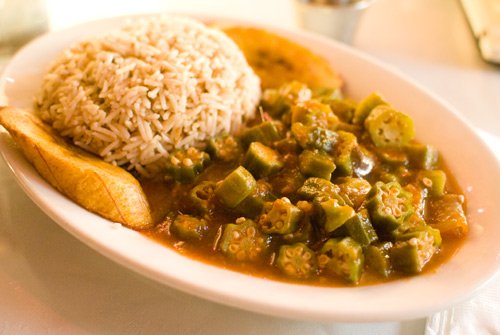
Haitian and African cuisine are gastronomic treasures that highlight local ingredients and preparation techniques passed down through generations. Among the most popular dishes of both cuisines, Haitian Tonmtonm and African Foutou (or Fufu) are distinguished by their rich flavors and unique textures. These two dishes, although they share a similar foundation - the use of local products such as cassava or plantain - have interesting differences, especially in their preparation, taste and accompaniment.
In a world dominated by digital giants (Facebook, TikTok, Instagram, and others), Toupatou stands out as a beacon of hope and local innovation. Developed by the dynamic RTH team, under the leadership of Jean Mary Revolus, current manager of the Manoir Adriana Hotel, Toupatou stands out as one of the first Haitian social networks, designed by and for Haitians.
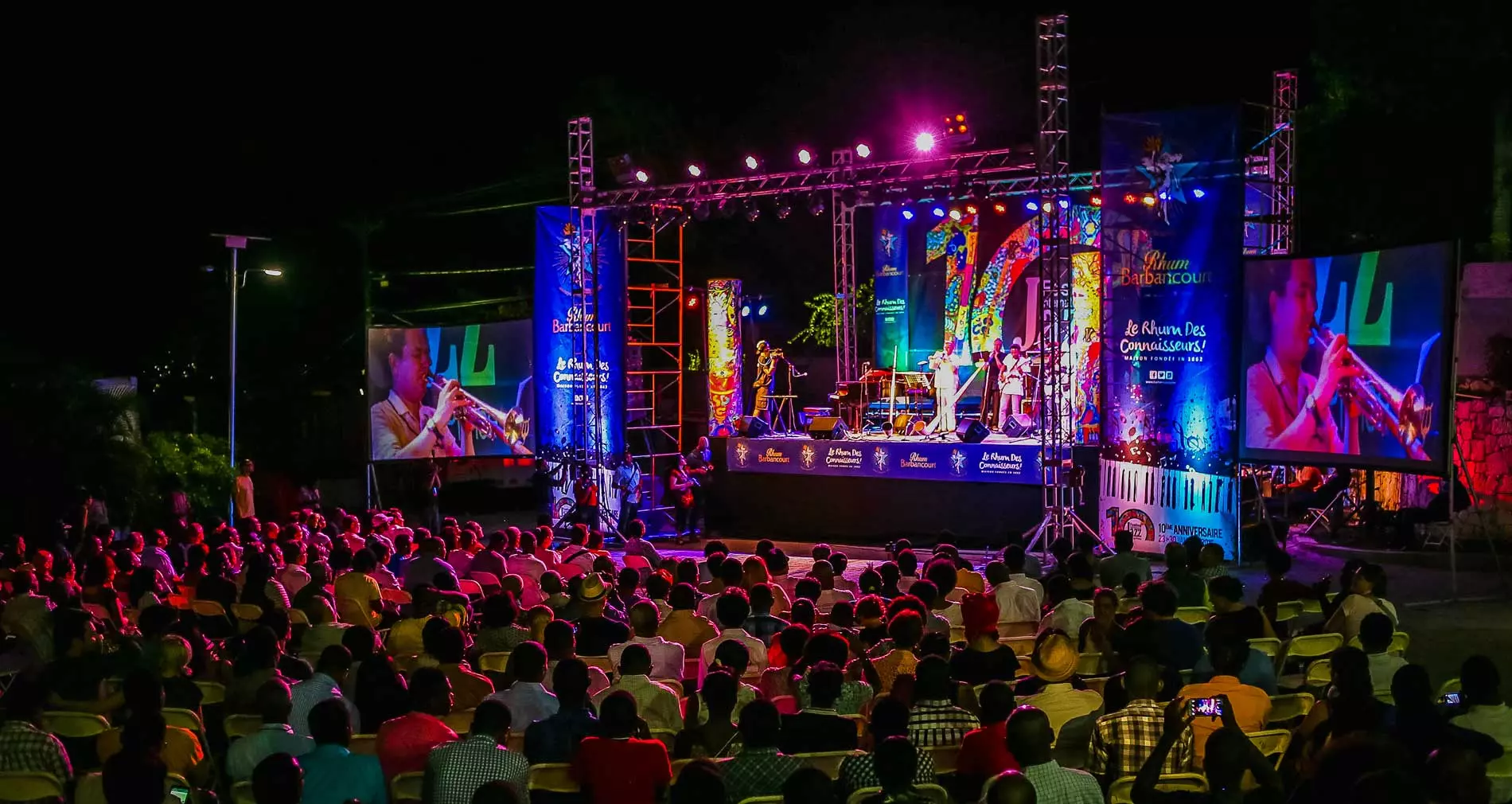
On Sunday, April 6, 2025, the Karibe Convention Center in Juvenat transformed into a true cultural temple to close the 18th edition of the Port-au-Prince International Jazz Festival (PAPJAZZ). This year, the festival took place under the evocative theme "PAP JAZZ it UP", and it was held in three sites primarily located in the Pétion-Ville commune. The festival took place entirely at these wonderful musical venues: a reference was made to the Latin Quarter, the Haiti-Brazil Cultural Center, and the Karibe Hotel. Due to the deteriorating situation in downtown Port-au-Prince in recent times, the French Institute site had to be abandoned by the festival organizers. Nevertheless, we can absolutely call this 18th edition of Pap Jazz a success. Indeed, this festival, now a major event of the Haitian year, was especially marked this year by the great resilience and determination of the organizers who were able to adapt to the country’s rhythm in order to satisfy their loyal festival-goers. Despite the difficult context, these festival-goers did not miss the opportunity to escape their harsh daily lives through music. It’s also important to note that this 18th edition of Pap Jazz took place after two postponements, at the very beginning of this year, with the last one occurring in March due to insecurity. In this regard, it is appropriate to call the monumental achievement of the Haïti Jazz Foundation and their partners an exceptional feat, as they were not discouraged and showed remarkable tenacity, while adapting to offer Port-au-Prince and its surroundings this moment of growth, beyond the city’s great sorrow, through music.

First black nation to free itself from slavery and gain independence from France in 1804 and influenced other liberation movements around the world, inspiring struggles for freedom and equality.

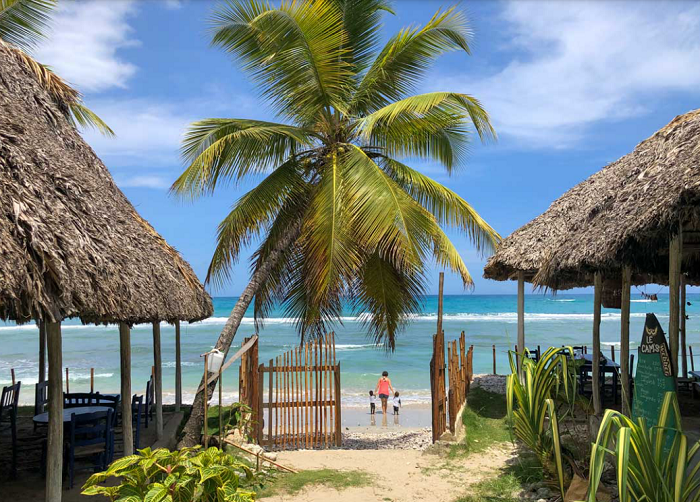
Haïti is blessed with spectacular natural landscapes, including white sand beaches, mountains and rich biodiversity.

Haïti has a rich historical heritage, including sites like the Citadelle Laferrière and the Sans-Souci Palace, listed as UNESCO World Heritage Sites.

Haïti has a rich and diverse culture, influenced by African, European and indigenous elements. Haitian music, dance, art and cuisine are celebrated around the world.