

contact@haitiwonderland.com+509 36184317

Discover

Shopping Cart

Haïti : Citadelle la FerrièreHaïti : Citadelle la Ferrière

News / Little-known places / View Recent Posts

Other March 30, 2024

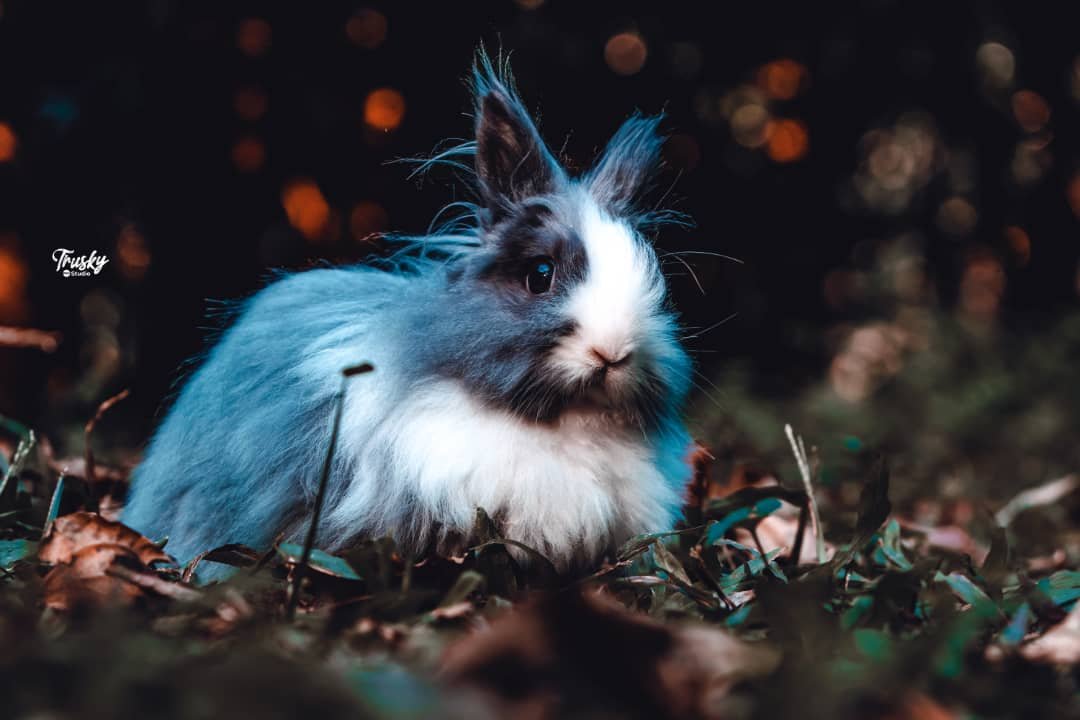
Caractéristique d’un lapin

Les lapins sont des mammifères appartenant à la famille des Leporidae. Voici quelques-unes de leurs caractéristiques principales : 1. **Physique** : Les lapins ont un corps couvert de fourrure douce, des oreilles longues et droites, de grands yeux sur les côtés de leur tête, et une queue courte et duveteuse. Ils possèdent de puissantes pattes arrière adaptées au saut. 2. **Taille et poids** : La taille et le poids peuvent varier considérablement selon la race, allant d’environ 500 grammes pour les plus petits à plus de 5 kilogrammes pour les plus grands. 3. **Comportement** : Les lapins sont connus pour être sociaux et peuvent vivre en groupes dans la nature. Ils communiquent entre eux par différents moyens, y compris par des sons et des mouvements corporels. Les lapins creusent des terriers pour y vivre et se protéger des prédateurs. 4. **Alimentation** : Ils sont herbivores, se nourrissant principalement de foin, d’herbes, de feuilles, de fleurs, et de certains légumes. Leur système digestif est adapté pour traiter une grande quantité de fibres. 5. **Reproduction** : Les lapins sont réputés pour leur capacité à se reproduire rapidement, avec des gestations courtes d’environ 28 à 31 jours. Une portée peut compter de un à douze lapereaux, selon la race. 6. **Sens** : Ils ont une excellente vision périphérique pour détecter les mouvements tout autour d’eux, mais ont une zone aveugle juste devant leur nez. Leur ouïe est également très développée, leur permettant de capter des sons à de grandes distances. 7. **Espérance de vie** : En captivité, les lapins peuvent vivre de 7 à 10 ans, selon la race et les soins prodigués, tandis que dans la nature, leur espérance de vie est généralement plus courte en raison des prédateurs et des maladies. Ces animaux nécessitent des soins appropriés, notamment un régime alimentaire équilibré, de l’exercice, et une attention particulière à leur bien-être émotionnel et physique pour vivre une vie saine et heureuse en captivité.

Par | 1
Learn more
Heritage March 18, 2024

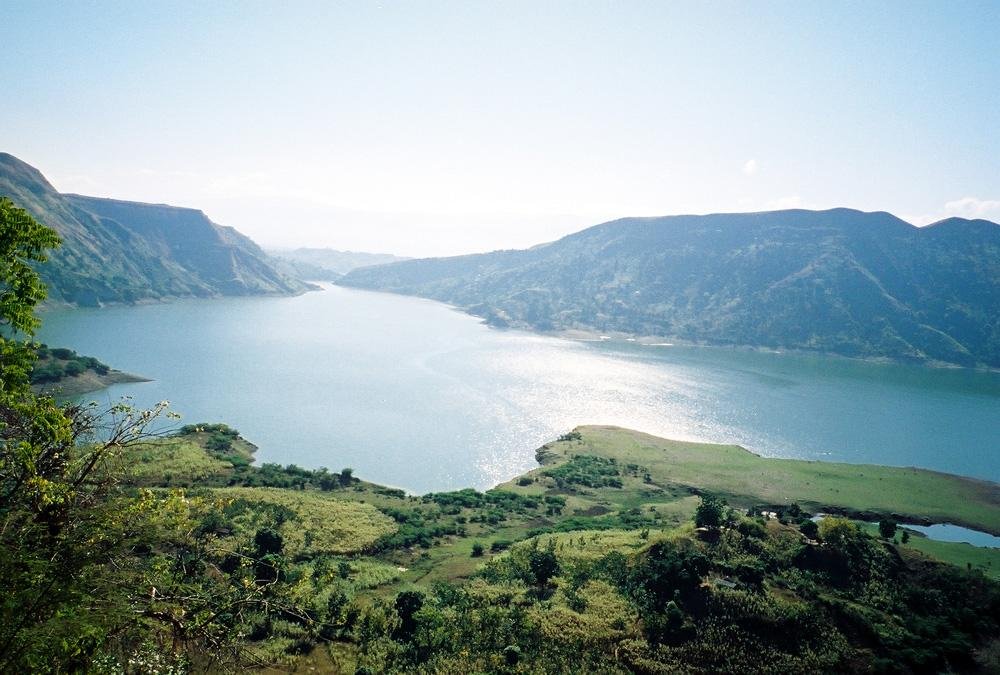
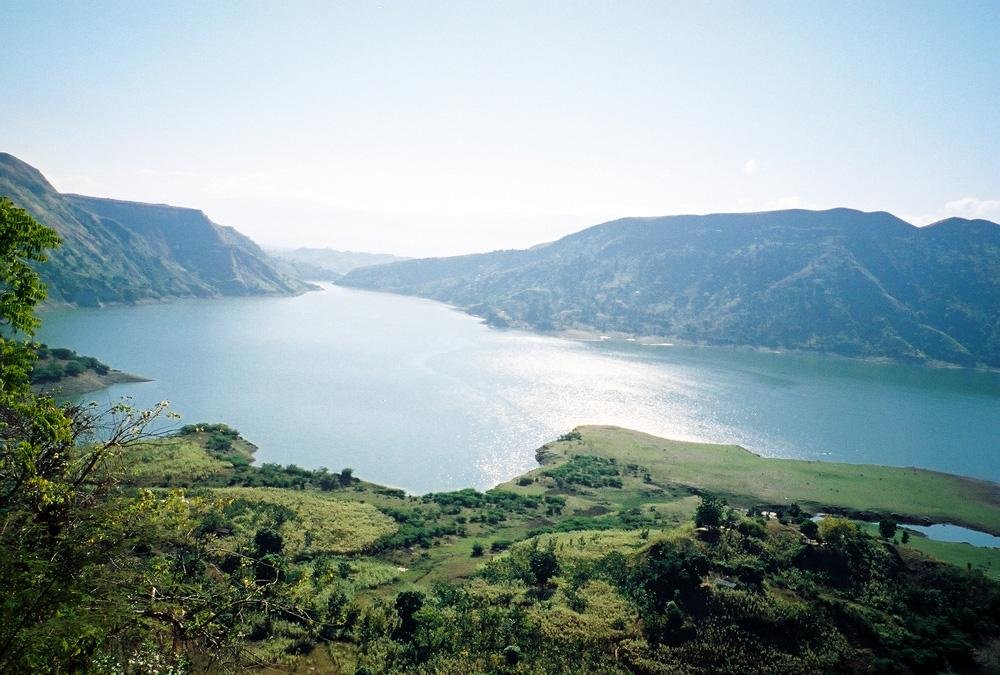
Haiti: Discovering Lake Péligre

At the heart of the majestic Haitian topography, lies a natural gem of breathtaking beauty: Lake Péligre. Nestled in the mountains of Haiti’s central region, this artificial lake is a wonder for local residents and amazed visitors alike. From its historical creation to its contemporary ecological importance, let’s explore together the riches of Lake Péligre. Origin and History: Lac de Péligre is the result of an ambitious engineering project undertaken in the 1950s. At that time, the Haitian government, in collaboration with international partners, undertook the construction of the Péligre Dam on the Artibonite River. The main goal was to provide large-scale electricity to Haïti while regulating river flooding to protect agricultural land downstream. Ecology and Biodiversity: Beyond its usefulness as a source of hydraulic energy, Lake Péligre is home to rich ecological diversity. The calm waters of the lake provide vital habitat for a variety of native fish species, supporting local fishing communities. In addition, the surrounding forests and hills that border the lake are home to diverse flora and fauna, contributing to the preservation of the regional ecosystem. Tourism and Leisure: For outdoor enthusiasts and nature enthusiasts, Lake Péligre offers a multitude of leisure opportunities. Visitors can enjoy peaceful boat rides on the tranquil waters of the lake, offering panoramic views of the surrounding mountains. Additionally, hiking trails winding through lush forests allow hikers to explore the area’s natural beauty. Lake Péligre represents much more than a simple artificial body of water. It is a living testament to human ingenuity and the natural beauty of Haiti. As an emerging tourism destination, it offers visitors an immersive experience in nature, while highlighting the crucial importance of environmental conservation. By preserving this natural treasure, we also preserve the sustainable future of our planet.

Par Haïti Wonderland |
Learn more

Recently Posted

Haiti: The Center department, one of the departments most resistant to natural earthquakes

The Center department, commonly called Plateau Central, is one of the ten (10) departments of Haïti most robust in the face of certain natural phenomena. Before becoming one of the ten (10) departments of Haiti, the Center department was part of the Great North. It is renowned for its natural landscapes, its biosphere climate and its resistance to certain natural phenomena. In addition to its natural productions such as corn, millet and livestock, the Center department is also known for its high mountains which constitute a robust defense against certain natural phenomena such as earthquakes and floods. Composed mainly of high mountains, the department of Charlemagne Peralte and Benoît Batravil is the only one of the ten (10) not to have an outlet to the sea. However, its inhabitants take advantage of the vast rivers, rivers and lakes which cross it . With an area of ​​3,487 km², the population of the Center department is estimated at 678,626 according to a study carried out in 2009. On this same area, the department is divided into four (4) districts and twelve (12) communes. Bordered to the east by the Dominican Republic, the Center department connects other departments of the country such as Nord and Artibonite, and connects the two countries of the island through border areas like Balladère, Hinche and Cerca Carvajal. In the Center department, there are sites that could attract tourists for their natural beauty. In Saut d’Eau, there is the Saut d’Eau waterfall, in Hinche we find the Zim basin, the Péligre lake, the Péligre hydroelectric dam, the Artibonite river, and the Deux river (2 ) Rooms in Thomonde, more precisely in "El Manni", not far from the communal section of Caille-Epin. Thanks to its strong mountains and its natural climate, the Center department remains one of the most resistant departments in the event of an earthquake in Haiti.

Christmas in Haiti: Between Magic, Discoveries and Delicacies

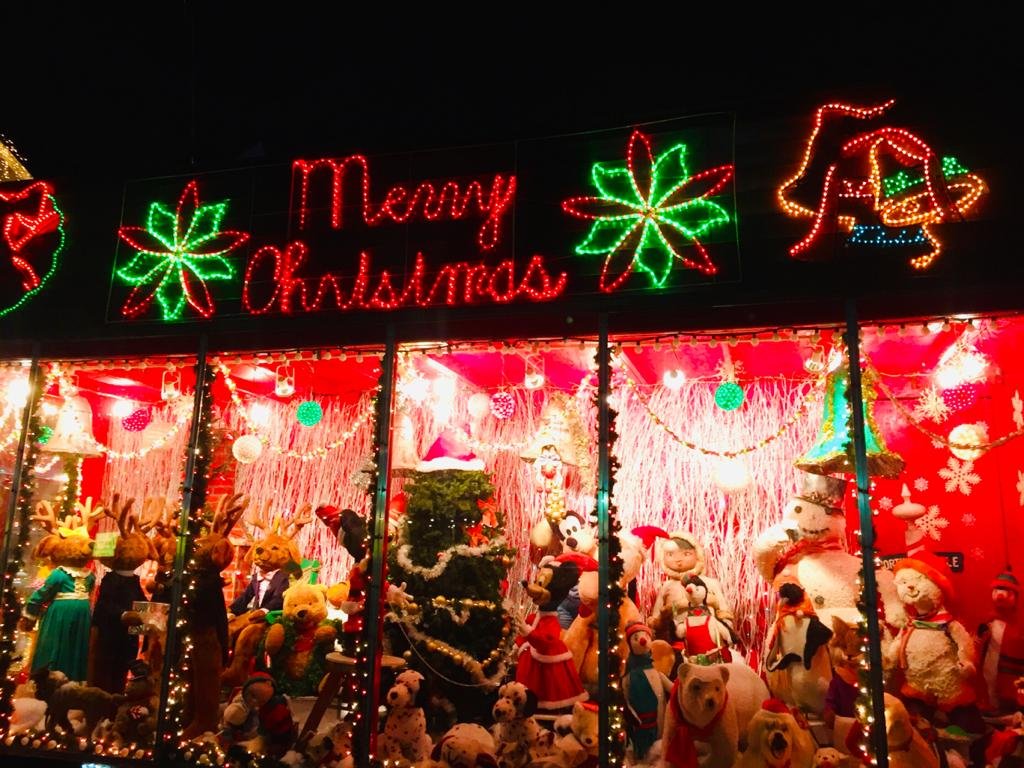
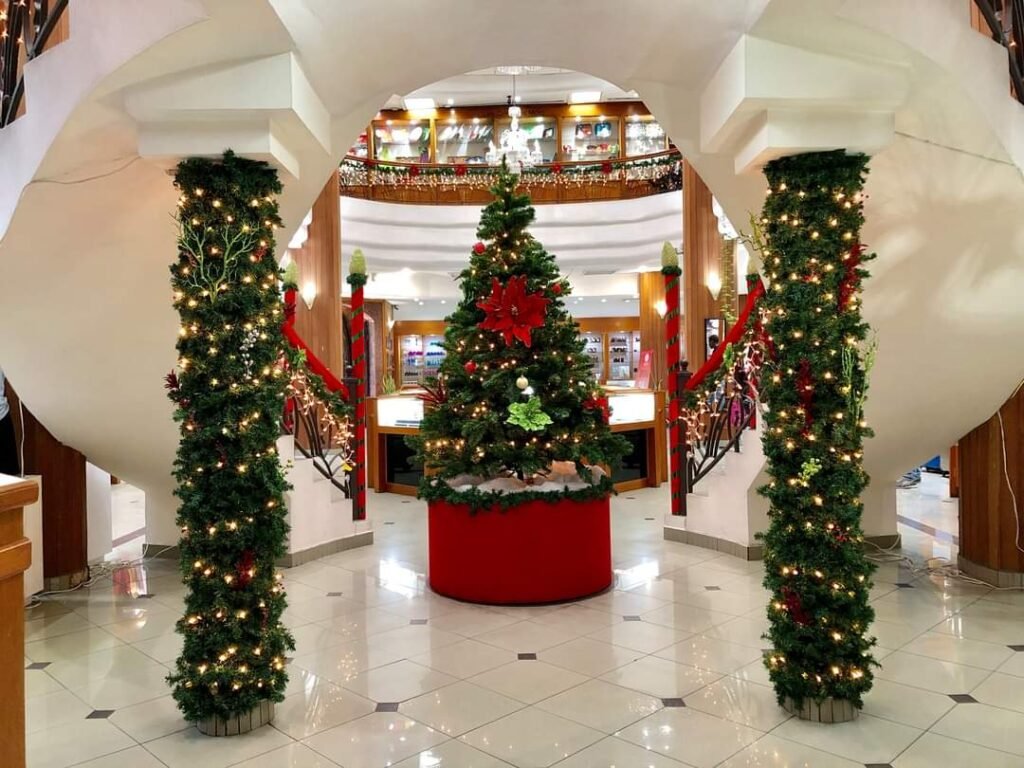
The joyful ringing of bells echoes through the streets of Haïti as the holiday season approaches. Christmas is a magical time when the streets light up, families gather and a warm atmosphere invades the island. Between traditions, cultural discoveries and gourmet feasts, Christmas in Haïti promises a unique experience. b~The Magic of Lights and Decorations~b From the beginning of December, Haïti is adorned with sparkling lights and festive decorations. The markets come alive with shimmering garlands, twinkling stars and ornate fir trees. The streets of Port-au-Prince in Jacmel shine with a special magic, inviting locals and visitors to immerse themselves in the festive spirit. b~Haitian Traditions at Christmas~b Christmas in Haïti is celebrated with a unique combination of religious traditions and local customs. Midnight Mass is a deeply rooted tradition, drawing worshipers to churches to celebrate the birth of Jesus in a vibrant atmosphere of song and prayer. A popular tradition is the "Dawn Mass" which takes place at dawn on December 25. The faithful gather to welcome Christmas Day with special fervor, testifying to the deep spirituality that permeates the festivities. The festivities are not limited to churches. Street parades, folk dances and concerts are commonplace, creating a joyful atmosphere throughout the country. Traditional Haitian music, such as direct compass and voodoo, adds a special dimension to these celebrations. b~Cultural Discoveries: Haitian Crafts~b Christmas is also an ideal opportunity to discover unique Haitian crafts. Christmas markets offer a variety of handicrafts, such as wooden sculptures, vivid paintings, wrought iron items and traditional jewelry. These works of art reflect the artistic talent of the Haitian people and provide unique and meaningful gifts. Local markets, such as the Ferrier market in Cap-Haitien and the Jacmel market, are essential places to discover the authenticity of Haitian crafts. These purchases also help support local artists and the community economy. b~Gourmet Feasts: Christmas Cuisine~b Christmas in Haïti is also a gastronomic celebration. Families gather around festive tables laden with traditional culinary delights. “Joumou soup”, a pumpkin soup, is an essential specialty of the holiday season. Pork, lamb and chicken dishes are also common, accompanied by rice and local vegetables. Traditional desserts, such as “Pen patat” and “Tablèt Pistach,” add a sweet touch to the celebration. Tropical fruits, such as mangoes and bananas, are also often present on Christmas tables, recalling the richness of Haitian biodiversity. Christmas in Haïti is a vibrant celebration that blends the magic of lights, religious traditions, local crafts and delicious cuisine. It is a time when joy and generosity are in the spotlight, and when Haitians open their hearts to share the magic of the season with the world.

Recently Posted

History

History

First black nation to free itself from slavery and gain independence from France in 1804 and influenced other liberation movements around the world, inspiring struggles for freedom and equality.

Natural beauty

Natural beauty

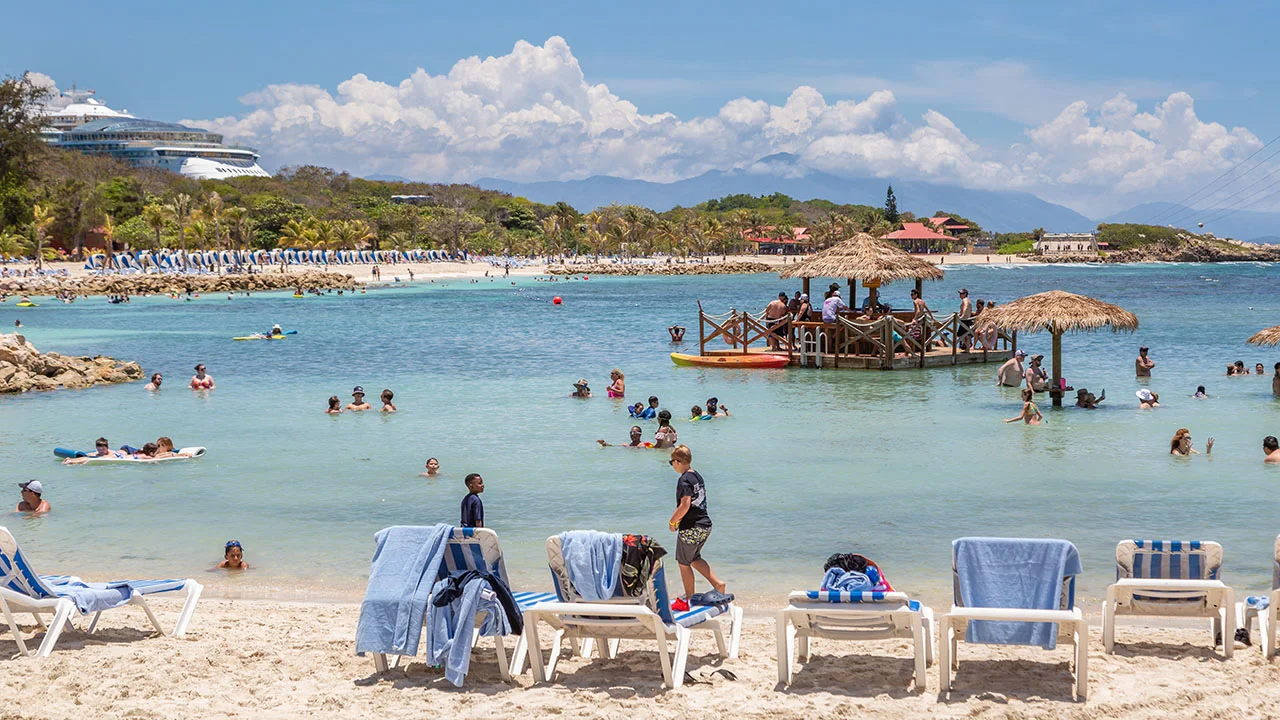
Haïti is blessed with spectacular natural landscapes, including white sand beaches, mountains and rich biodiversity.

Heritage

Heritage

Haïti has a rich historical heritage, including sites like the Citadelle Laferrière and the Sans-Souci Palace, listed as UNESCO World Heritage Sites.

Culture

Culture

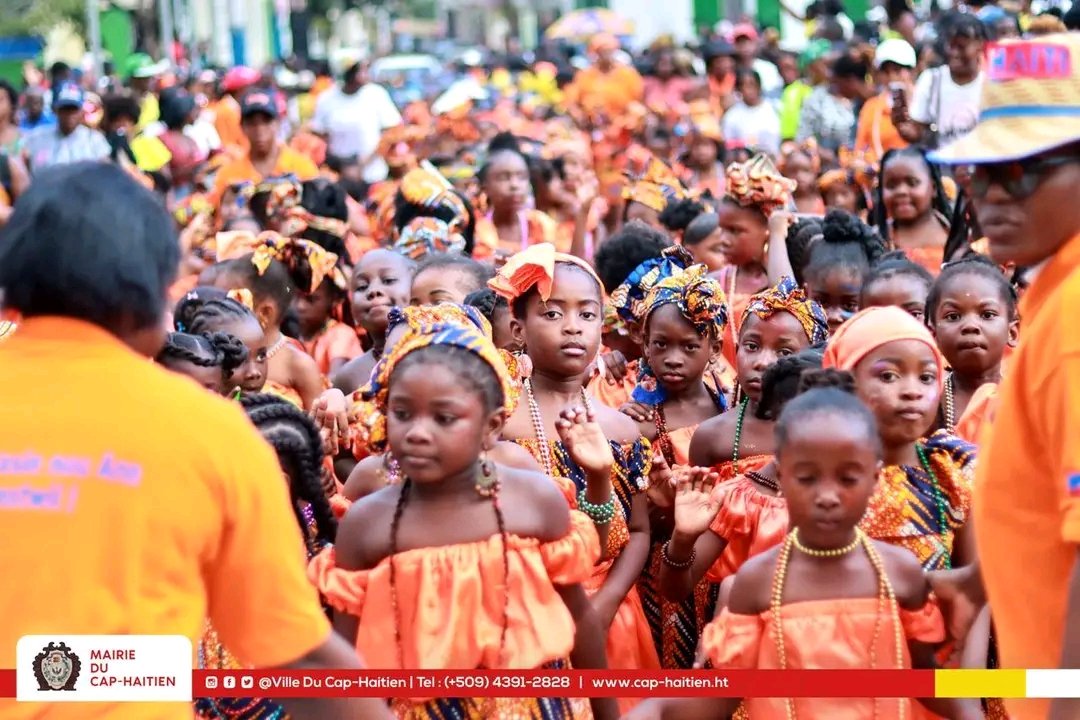
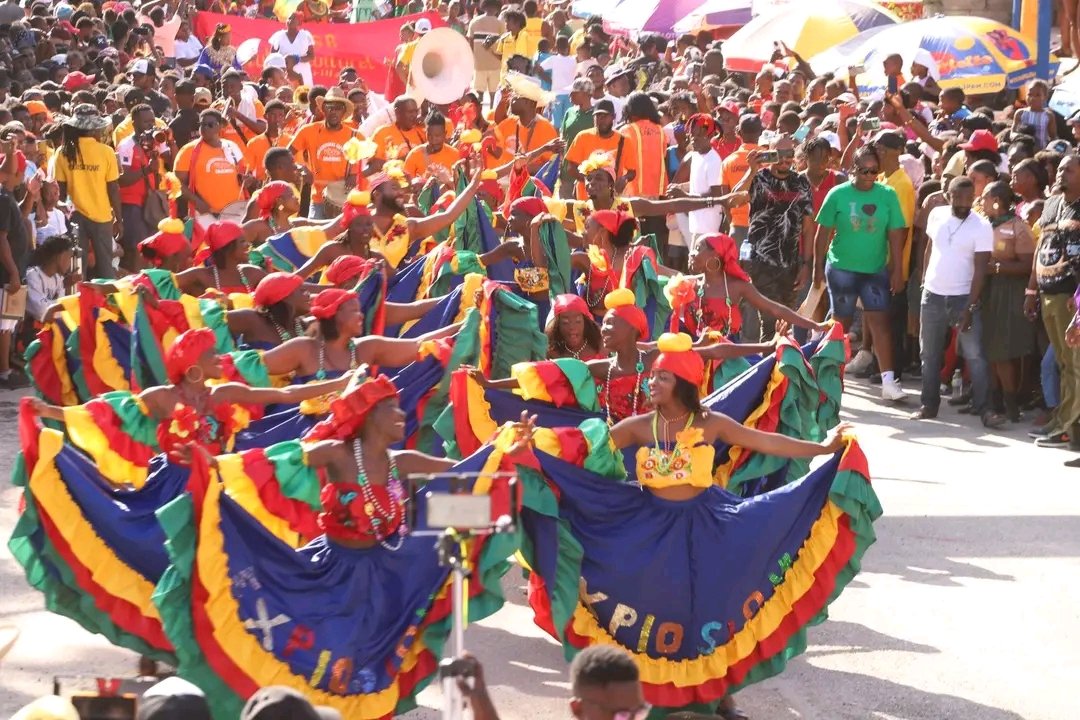
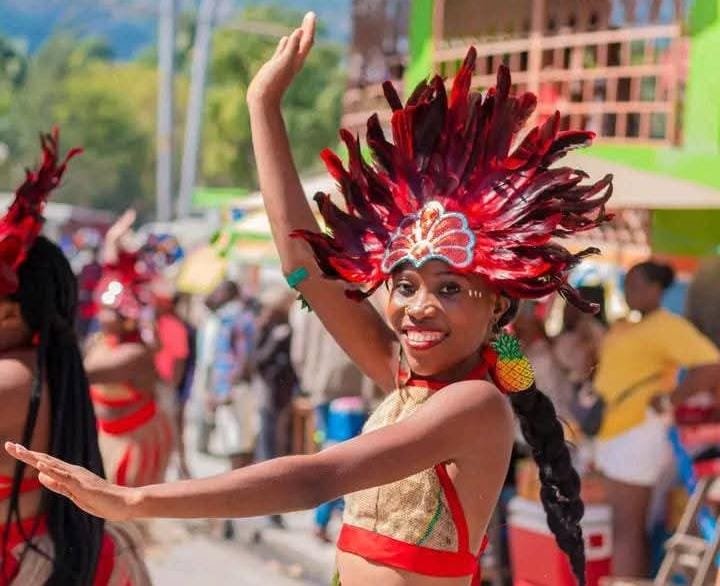
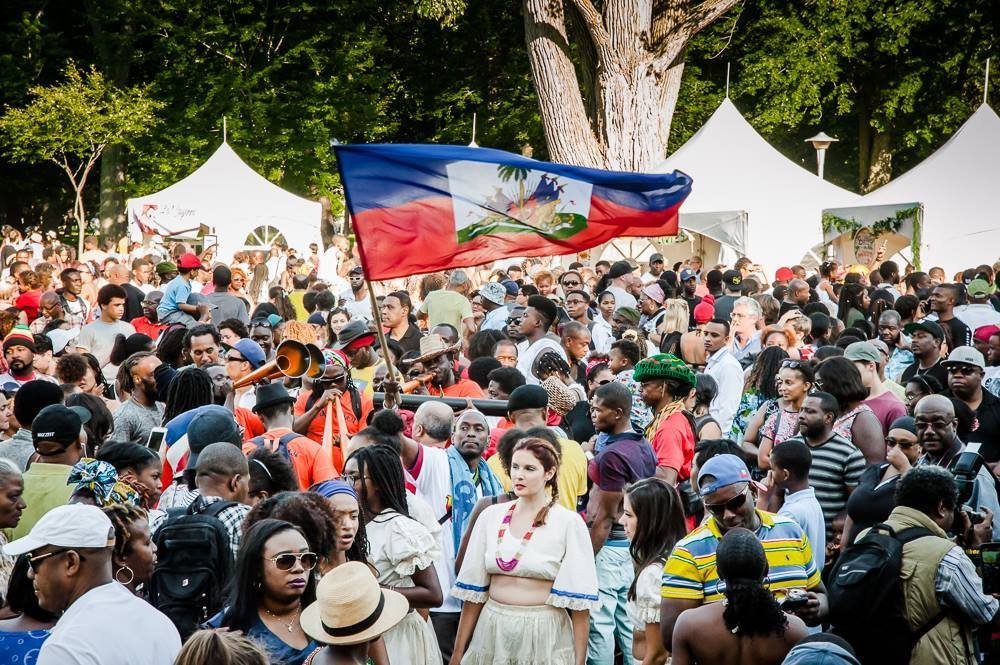
Haïti has a rich and diverse culture, influenced by African, European and indigenous elements. Haitian music, dance, art and cuisine are celebrated around the world.

  • +
    • Post