

The Legend of Haiti: The Island That Broke the Chains of Slavery
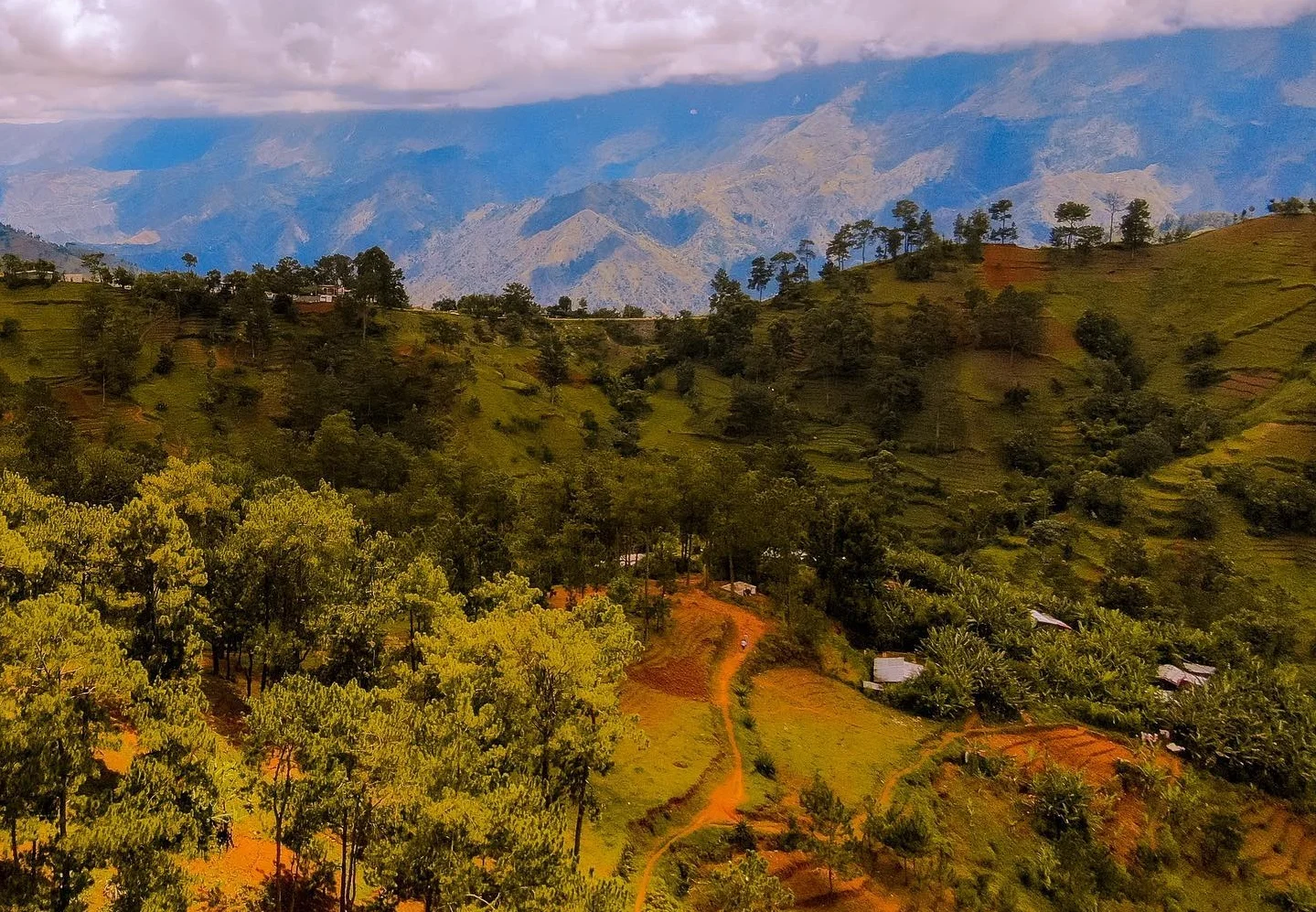
Once upon a time, in the turquoise waters of a dazzling sea, in the heart of the Caribbean, lay a magical island called Ayiti, "the Land of High Mountains."

Once a staple in Haitian homes, pea broth was a true culinary tradition, served almost every Saturday. This nourishing and comforting dish brought families together around the table, offering an explosion of flavors and essential nutritional intake. However, with changing eating habits and the growing influence of fast food, it is prepared less and less by the new generation, at the risk of falling into oblivion. Haitian pea broth is a thick soup prepared with red or black peas, simmered for a long time until they obtain a velvety texture. This broth is then seasoned with local spices such as garlic, thyme, parsley and cloves, then garnished with vegetables such as carrots and spinach. Some variations add pieces of meat, often beef or pork, and small dumplings called "dombrés" "bòy", which give it even more consistency. So why not revive this tradition and prepare a good pea broth this Saturday, like our grandparents did?
Haiti, a majestic Caribbean island, seduces with its landscapes, vibrant culture, and a fascinating history of struggle for independence. In this comprehensive article, discover everything you need to know to appreciate the beauty and authenticity of Haiti: its geographical location, legendary history, rich culture, heavenly beaches, historical sites, unique cuisine, traditions and much more.
Since 2014, the “PRIM POU CHANJMAN” (PPC) initiative, orchestrated by Gwoup Konbit through Leaders of Tomorrow, honors extraordinary young Haitians who carry out remarkable actions to improve their community. Initially called the “CITE SOLEIL PEACE PRIZE” and limited to young people from Cité Soleil, this program expanded in 2023 to include all young people in the country with a positive social impact. For its 11th edition, three young leaders were rewarded for their dedication and social influence in their respective communities.
Traditional Haitian dance is rich in history and meaning. It constitutes an essential part of Haitian culture. Practiced during various celebrations such as festivals and religious ceremonies, it is in its essence, a vibrant testimony to the resilience and creativity of a people whose roots are deeply immersed in a fascinating past. Through its rhythms, movements and costumes, this dance tells stories, celebrates traditions and unites entire generations of Haitians.
Frankétienne is the stage name of the man who officially bore the name Jean-Pierre Basilic Dantor. He was born in the Artibonite department of Haïti on April 12, 1936. His father, who did not recognize him at birth, was, according to his own account, an American industrialist who had come to do business in Haiti, and his mother was an Artibonite farmer. This makes Frank a similar case to the great Jamaican artist Bob Marley, who had a typical story, in addition to the fact that both men made their country known abroad and left their mark on their land from within through their art. Frank died on Thursday, February 20, 2025, in Delmas, his home town for decades. He was about to celebrate his 89th birthday.
Since 2015, Pot’iwa Pizza has conquered the hearts and taste buds of the inhabitants of Port-au-Prince, the capital of Haiti. Founded by visionaries Jude Vaillant and Rock André, Pot’iwa Pizza has become a true gastronomic icon by offering a unique specialty: smoked herring pizza. This culinary creation has revived childhood nostalgia among many Haitians, marking the beginning of an exceptional culinary adventure. The very name of the company, "Pot’iwa", is a tribute to the Haitian regions where its founders were born. Jude Vaillant, originally from the "Iwa" region, and his accomplice Rock André, native of "Potino", have united their origins to create a company that harmoniously fuses tradition and innovation. Despite the socio-economic challenges that punctuate Haitian daily life, Pot’iwa Pizza is committed to constantly improving its services. This unwavering determination led to the opening of a second branch of the company, this time in the city of Cap-Haïtien, in the north of the country. The inhabitants of this region now have the privilege of tasting the famous herring pizza, previously reserved for the inhabitants of Port-au-Prince. Aware of the importance of protecting its culinary heritage, the company made a strategic decision by filing a patent in the United States to protect its specialty: herring pizza. Jude Vaillant, CEO of the company, shares his vision behind the choice of herring: "In Haiti, our childhood was rocked by a particular flavor, present in many traditional dishes. We decided to bring this flavor to an emblematic dish like pizza, to create a unique culinary experience." Pot’iwa Pizza embodies the passion, nostalgia and perseverance of Haitians for their traditional cuisine. It is a story of flavors and success that continues to seduce palates around the world. For those who want to taste this delicious herring pizza, go to Pot’iwa Pizza, located at 26 boulevard Cap-Haïtien, or contact them at +509-47-30-9090. And for fans residing in Miami, USA, Pot’iwa Pizza is also available at 12485 NE 6th CT, North Miami, FL 33161. To order, call 305-456-5152. Also explore the immersive experience of Pot’iwa Pizza through your smartphone or virtual reality headset, and dive into their mouth-watering menu by visiting the following link: https://haitiwonderland.com/haiti-virtual-reality-ht/ bar--restaurant/haiti--pot-iwa-pizza--virtual-tour/9.
The largest valley in Haïti is called the Artibonite Valley. Nestled in the heart of the country, this valley is a true natural and economic wealth for the nation. Thanks to its fertile lands, its importance in agricultural production and its role in Haitian history and culture, the Artibonite Valley is an emblematic place in many ways. In this article, we will explore the characteristics that make this valley a national treasure.
The name "Haiti" is much more than just a word; it carries within it the history, culture and identity of a people. But what does this term really mean and what is its origin? Let’s discover together the richness of this word that resonates through the centuries.
Haitian cuisine is a veritable feast of flavors, where spices and aromas play a central role. Essential Haitian ingredients don’t just add flavor; they create a rich and complex aromatic profile that characterizes this vibrant cuisine. Among the most commonly used spices is chili pepper, which brings heat and intensity. Herbs such as thyme and parsley are often used fresh, adding a touch of freshness and depth. Garlic and ginger are also key elements, bringing spicy and earthy notes. Another iconic spice is clove, which is often used in marinades and stews. Saffron and turmeric are also present in Haitian cuisine, bringing not only color but also unique flavors. Lime zest and lemon juice are frequently used to enhance dishes, adding a refreshing acidity. Over time, our preferences evolve, and certain ingredients take up more or less space on our plates. Is there a spice you’ve abandoned or, on the contrary, rediscovered over time?
Perched majestically on the verdant mountain peaks of northern Haiti, Citadelle Laferrière stands as an enduring symbol of the resilience and greatness of the Haitian nation. This impressive historical monument is much more than just a stone structure; he embodies the spirit of freedom and pride that animates the Haitian people.
In the digital panorama of Haiti, Guy Alain Appolon stands out as an essential figure, particularly in the field of web development. Its name resonates as a reference for quality and innovation. What sets Appolon apart is his ability to merge art and code, an ability forged by his multiple talents, notably as a painter, computer graphic designer and musician, giving him extraordinary creativity.
The impact of collective and individual trauma on the personal development of young people in Port-au-Prince While writers, actors, dancers, poets, among others, have gratified us with their performances, the master’s degree student in psychology at the Faculty of Human Sciences (FASCH), Lourdya Blaise, spoke with the audience about trauma. Structured around the theme "Youth and Trauma, analysis of the impact of collective and individual trauma on the personal development of young people living in Port-au-Prince between 2010-2024", this conference gave rise to enriching discussions. During this meeting, moderated by Michaël Formilus, Ms. Blaise showed how the events that have taken place in the country have caused cases of trauma among Haitians. According to the student, citing the American Psychological Association, we speak of trauma as a consequence of trauma. The latter is explained by the fact that we feel threatened, whether it is the person in question or their loved ones. However, she specifies that a collective trauma remains depending on the impact that the event has on the individual. To illustrate her remarks, she mentioned the earthquake of January 12, 2010, considered a collective trauma, insofar as it still occupies our minds. This tragedy reminds us of the disappearance of our loved ones and enormous losses. This is the case of a trauma that becomes a collective trauma. For the student, it should be emphasized that when an event occurs, some people are traumatized and others are not. According to him, the violence of armed gangs is not perceived in the same way, says Ms. Blaise. There are people who have fled their homes but are not traumatized. In fact, some people see traumatic situations as a passing event, she says. The speaker also spoke about collective trauma, which, according to him, preoccupies the mind, even if we no longer experience it. It manifests itself in several forms: lack of sleep, fear psychosis, intrusive thoughts, intense heartbeat, etc. Generally, symptoms related to trauma are hard to die. When it persists, it becomes acute stress. To deal with it, we must talk to other people. If the situation persists, acute stress turns into a phase of post-traumatic stress; in this case, we must confide in a trusted person or go see a mental health specialist, she advises. In her presentation, Lourdya Bazile also drew attention to the psychological state of children in these times. According to the presenter, children are also facing this crisis situation, even if they do not talk about it to their parents. As much as adults, children also plan their future. Faced with flouted school years, they become pensive and worried, she stressed. They withdraw. The child who used to be brilliant can become violent and perform less well at school. Parents are called upon to listen to them and understand them. A good moment of exchange, rich in practical advice. The audience participated fully. In turn, the presenter invites them to breathe better and meditate. "We live in a country where worries mix, we must take time for ourselves, do sports, eat well, make sure that the sleeping space is clean and take time for ourselves. There is more than one way to find calm," recalls the psychologist. Gertrude Jean-Louis
In 1804, Haïti emerged from the flames of revolution as the world’s first independent black republic, but its freedom would come at a steep price. France, a former colonial power, orchestrated an unprecedented economic revenge, weaving a web of exploitation and injustice that would hamper Haiti’s development for generations. This toxic relationship, marked by extortion and violence, not only shaped the destiny of one nation but also filled the coffers of another, leaving deep scars that persist to this day. Immerse yourself in this story, a gripping tale of colonial greed and resilience, which reminds us of the importance of never forgetting the injustices of the past and their lasting impact on our world today.
Haiti, an island located in the Caribbean, is not geographically or politically attached to Africa. However, despite the distance and geographical differences, Haïti and Africa share an extremely strong historical, cultural and spiritual bond, forged by centuries of shared history, including the slave trade, colonization and the struggle for freedom. So, is Haïti part of Africa? Let’s explore this question from different angles, highlighting the African roots that shape Haïti to this day.

First black nation to free itself from slavery and gain independence from France in 1804 and influenced other liberation movements around the world, inspiring struggles for freedom and equality.

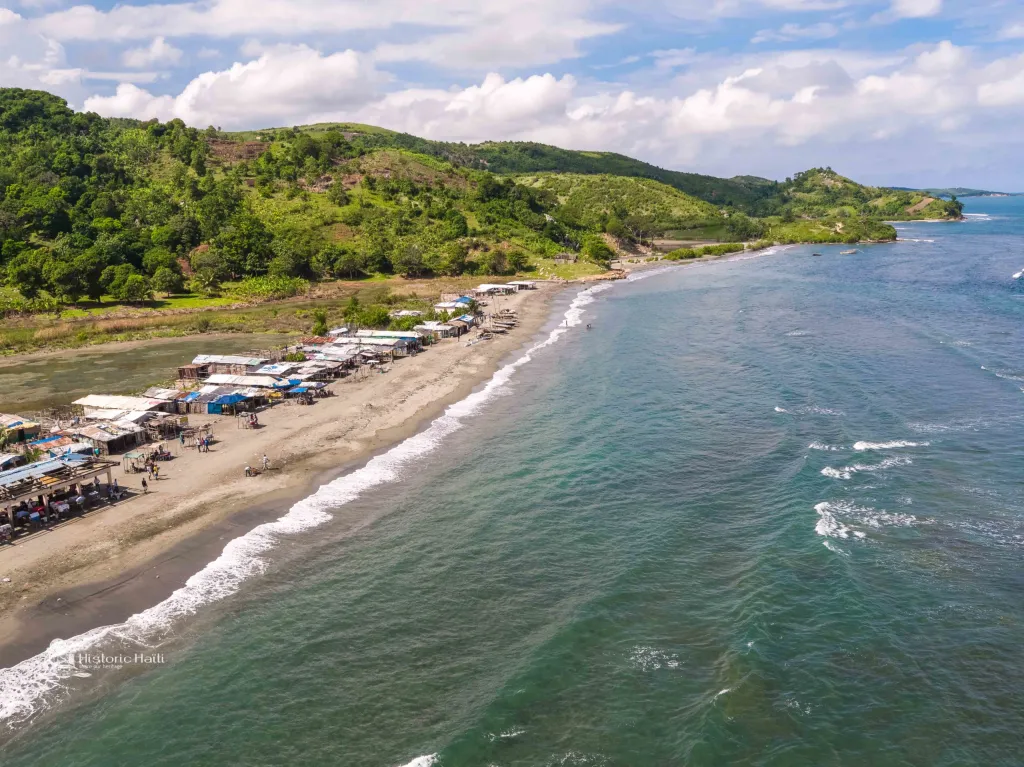
Haïti is blessed with spectacular natural landscapes, including white sand beaches, mountains and rich biodiversity.

Haïti has a rich historical heritage, including sites like the Citadelle Laferrière and the Sans-Souci Palace, listed as UNESCO World Heritage Sites.

Haïti has a rich and diverse culture, influenced by African, European and indigenous elements. Haitian music, dance, art and cuisine are celebrated around the world.