











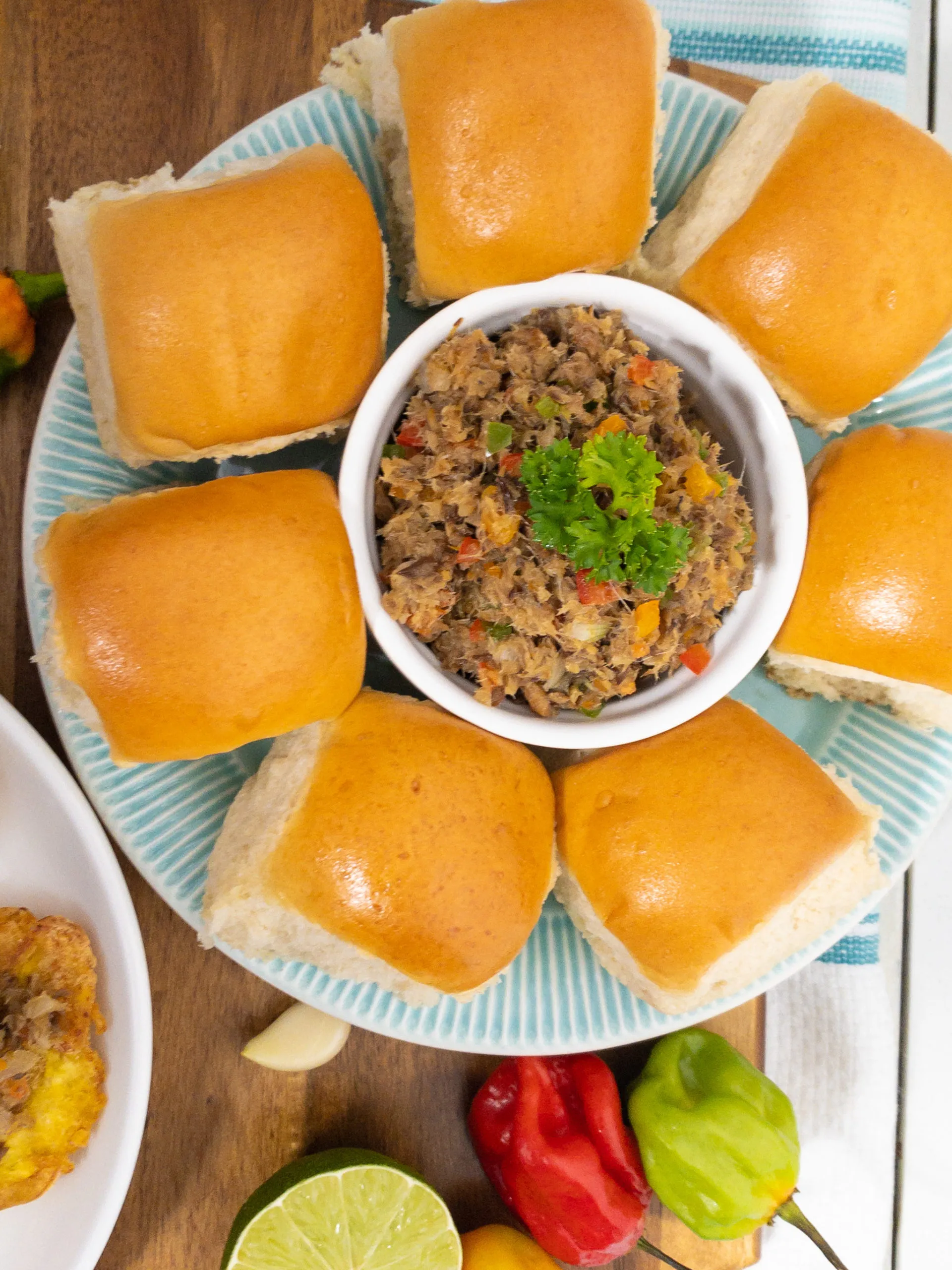
Haitian Cuisine: Chiktay Aransò Recipe!
Smoked herring chiquetaille, or chiktay aransò, is perfect as a starter or side dish with bread or cassava.
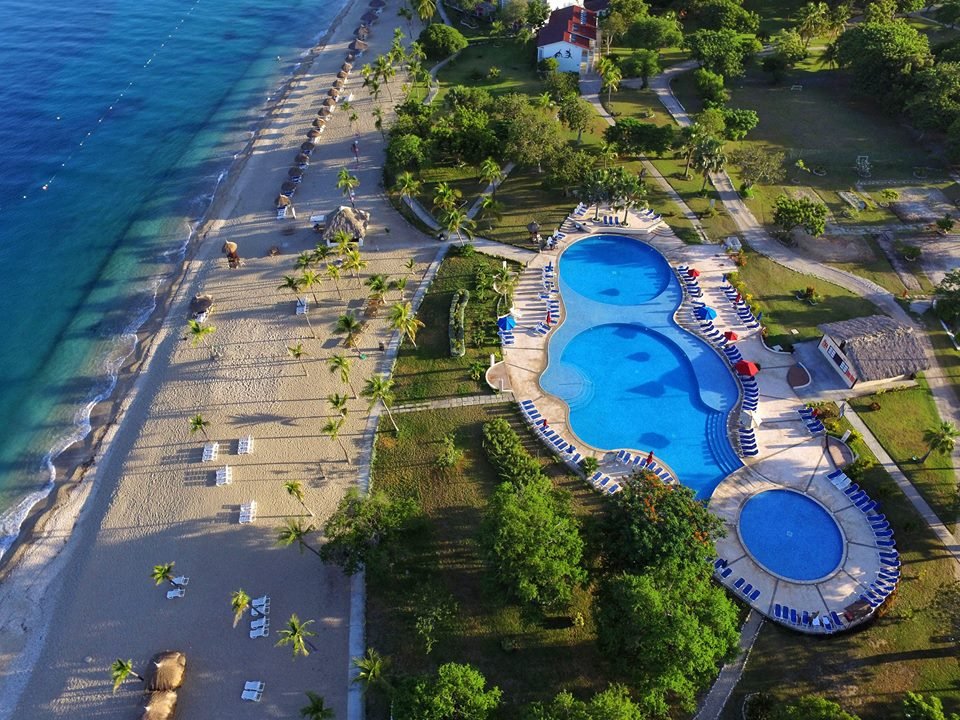
Haiti, the hidden gem of the Caribbean, offers a multitude of heavenly beaches that seduce with their natural beauty and tranquility. Far from the crowded tourist routes, these beaches offer an idyllic getaway for those looking for a true haven of peace. Here’s a look at Haiti’s most beautiful beaches, each one unique in its own way.
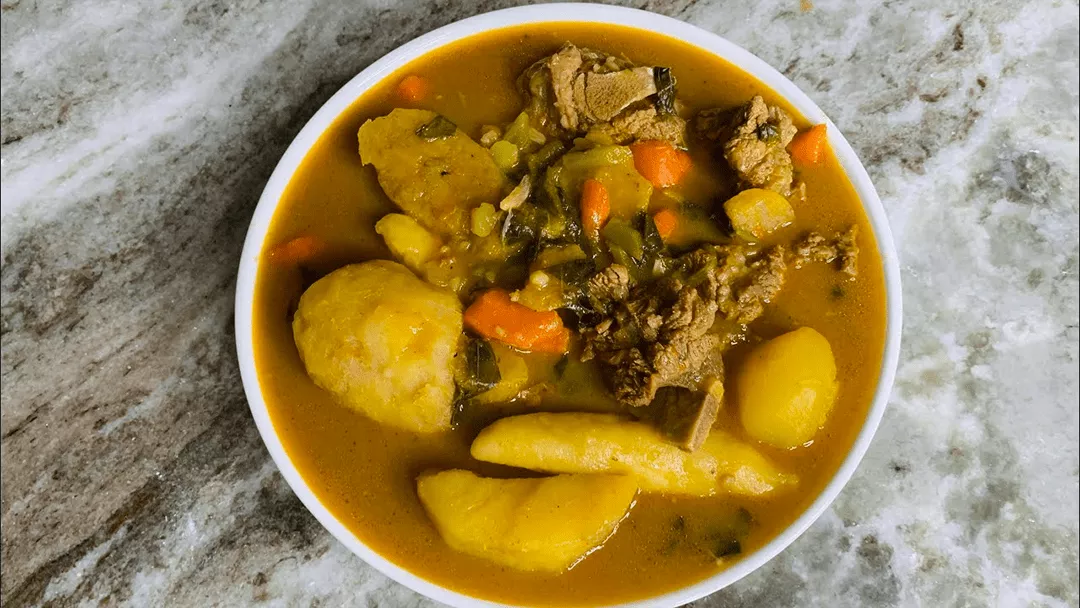
Are you Haitian? You are not Haitian but you have met them closely or from afar? Have you ever visited Haïti or do you have Haitian friends? No doubt! You have already eaten broth! Haitian broth is an emblematic dish of Haitian cuisine. This delicious broth is often prepared with a variety of meats, such as beef, pork or chicken, and is enhanced with fresh vegetables such as carrots, potatoes and celery. This mixture creates a harmony of flavors that reflects the richness of Haitian culture. The preparation of broth (bouyon) is a true culinary art. The ingredients are carefully selected and cooked slowly to allow the flavors to fully develop. Spices, such as thyme, garlic and chili pepper, add a touch of heat and depth to the dish. Traditionally, broth (bouyon) is served with rice or plantains, making it a complete and comforting meal. Broth is not just a dish, it is also a symbol of conviviality and sharing. It is often prepared during special occasions or family gatherings, strengthening the bonds between members of the community. If you feel like preparing broth one of these days, do not hesitate to ask for the recipe in the comments.
Christmas in Haïti is a magical time where culture, traditions and spirituality blend to offer a unique experience. Much more than a simple celebration, it is a time of sharing, reflection and rejoicing that unites Haitians, whether at home or across the diaspora. This article invites you to discover how the spirit of Christmas is lived in Haiti, through its traditions, celebrations and warm atmosphere.
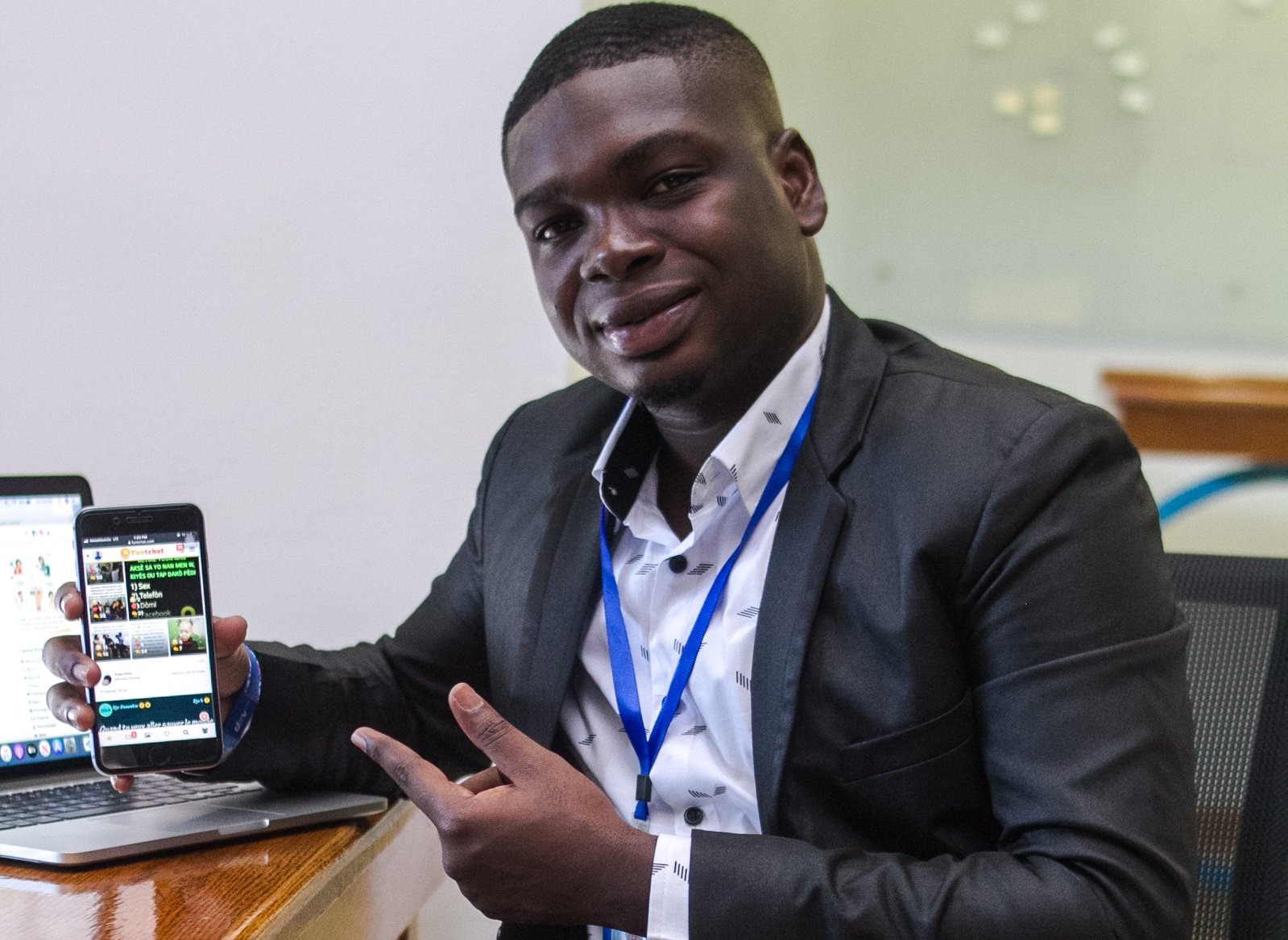
In the ever-changing world of web development, some names stand out for their expertise, creativity and commitment to knowledge sharing. Among them, Appolon Guy Alain shines like a beacon in the web design industry in Haiti. With more than 70 websites to his credit, intranet systems and many other projects, he is recognized as an indisputable reference in his field. What sets Apolon’s work apart are the attractive interfaces it creates. Sites such as https://haitiwonderland.com/, https://leadersdedemain.org/, https://shippex.net/, https://telehaiti.ht/, https://www.kelphotographystudio.com/, https ://leparadishaitien.ht/, https://beltike.com/ and many others, demonstrate his exceptional talent for combining aesthetics and functionality in a harmonious way. The key to Apolon’s success lies in its ability to merge art and technology. Before becoming an accomplished computer scientist, he was already a painter, a professional musician and a computer graphic designer. This diversity of talents gives him extraordinary creativity, allowing him to imagine unique and memorable interfaces. But Apolon not only creates remarkable websites, he also generously shares his knowledge and experience. In December 2022, he launched Coding Club Haiti, an initiative aimed at providing younger generations with the opportunities offered by the digital world. This initiative has gone beyond the borders of Haïti thanks to a collaboration with the Scientific Club of Students of the Virtual University of Burkina Faso, thus allowing Appolon to share its knowledge with young people from Burkina Faso, and soon, other countries from Africa. Read also: https://haitiwonderland.com/haiti/personnalite/expert-en-seo-et-uiux-design--decouvrez-le-developpeur-haitien-appolon-guy-alain/65 For Appolon, digital represents an essential pillar for the economic development of his country, Appolon is fully committed to this change. However, Apollo does not rest on his laurels. Always eager to learn, he is currently venturing into fields such as robotics and artificial intelligence, looking forward to the challenges the future holds. If you are looking for someone to create your website, Apolon is undoubtedly the best choice. Do not hesitate to contact him on his Facebook or Instagram page, or visit his personal website at https://www.appographic.com. With Appolon Guy Alain, your web project is in expert and creative hands, ready to bring your most daring ideas to life. Follow Appolon on Facebook : https://www.facebook.com/appolon.guyalain Linkedin : https://www.linkedin.com/in/appolon-guy-alain-298424113 Instagram : https://www.instagram.com/appolonguyalain65 Twitter : https://twitter.com/GuyAppolon Github : https://github.com/Appogithub
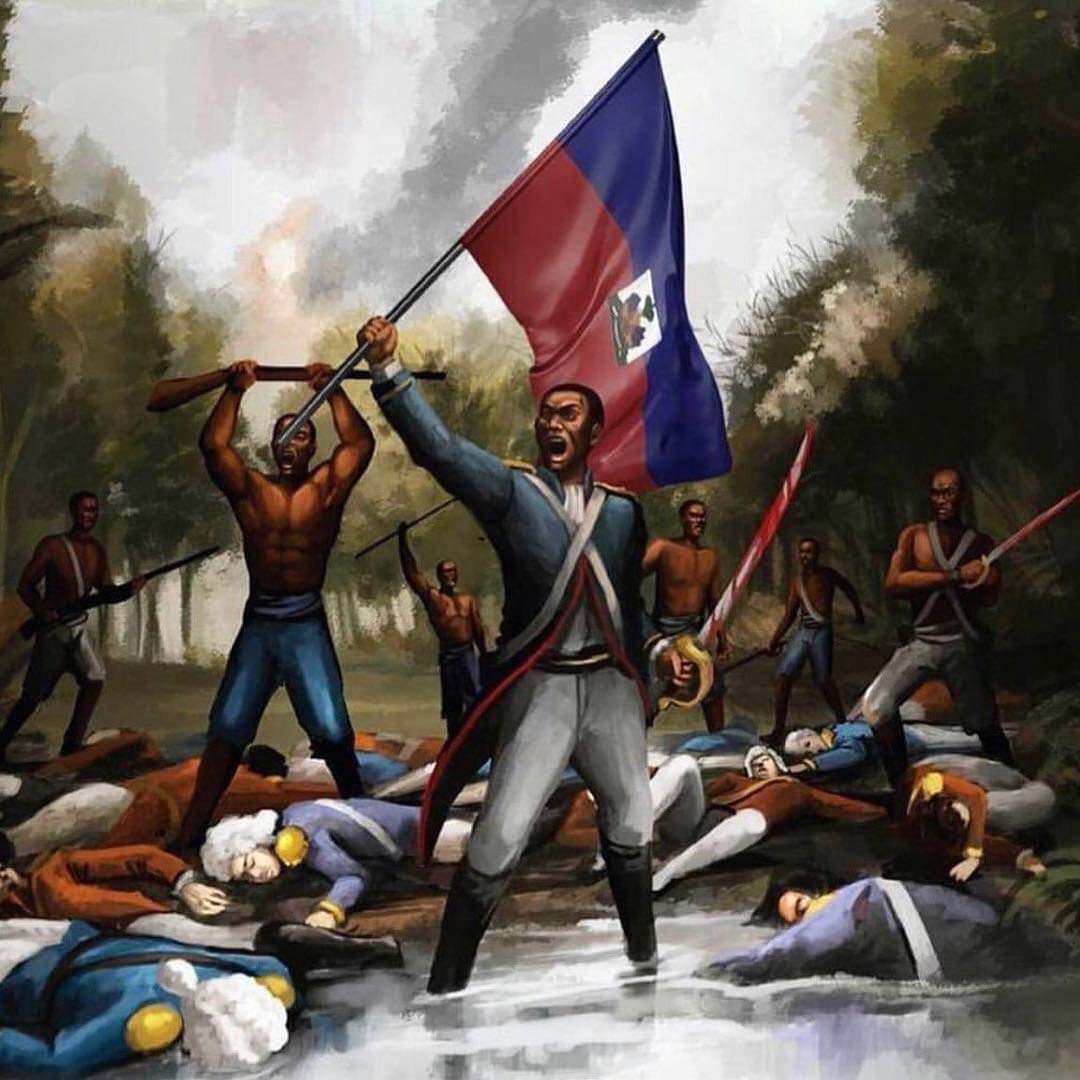
Haïti is known for its significant history and its crucial role in the fight against slavery and for independence. The country gained independence from France on January 1, 1804, becoming the world’s first independent black republic and the first country in the Americas to abolish slavery. However, this independence came at an enormous cost, the effects of which are still felt today.
Summer in Haiti, which generally runs from June to September, is a time marked by sunny days, high temperatures, and a lively atmosphere. If you’re wondering what this season is like in one of the jewels of the Caribbean, here’s what you need to know about summer in Haiti.
Soupe joumou, also known as soupe au giraumon, is much more than just a dish for Haitians. It embodies the spirit of freedom and resilience, celebrating Haiti’s independence every January 1st. This unique dish, made with giraumon, a tropical squash, fresh vegetables and meat, is known for its rich flavor and historical roots. Discover the traditional recipe for soupe joumou and its history, as well as the steps to prepare it at home.
Receive your packages from the United States stress-free, without a credit card, even in difficult times! Waiting for a package from the United States can quickly turn into a nightmare in Haiti: thefts, delays, blocked or lost packages... Lorvenson Don Pierre has experienced these situations. But instead of giving up, this talented young developer decided to take action. He founded Smartcore Express, a simple, reliable, and secure solution to allow all Haitians to receive their packages from the United States, hassle-free.
Livre en Folie, this annual event long awaited by literature enthusiasts in Haiti, will be held on Thursday, August 15, 2024 at the Caribe Convention Center hotel in Juvénat. Indeed, Le Nouvelliste, in collaboration with its usual partners, invites the Port-au-Prince public to come and celebrate, for the thirtieth time, the great intellectual wealth of Haitian writers and other thinkers, in this great annual book fair. This year, the entrance fee is set at 1,000 gourdes, which will be returned to you in the form of coupons, in order to be able to buy books once inside. Thirty years after the first edition, livre en folie has become a pillar of Haitian literary life and a highlight of the Haitian year. This year, it will take place in a particularly difficult context for the country, both economically and in terms of security, but will still have the merit of bringing together thousands of Haitians around the subject of the book.
Haïti is much more than a Caribbean island. It is a country rich in history, culture, gastronomy, and nature. Behind the challenges it has faced, Haïti shines with its unique heritage and major historical role. Here are seven fascinating facts that show why Haïti is a land of pride.
Port-au-Prince is the vibrant and historic capital of Haiti. Located on the bay of the same name, this city is much more than just an administrative center. It embodies the soul of the country through its history, vibrant culture, and resilience in the face of challenges. Let’s discover why Port-au-Prince is the beating heart of Haiti.

First black nation to free itself from slavery and gain independence from France in 1804 and influenced other liberation movements around the world, inspiring struggles for freedom and equality.

Haïti is blessed with spectacular natural landscapes, including white sand beaches, mountains and rich biodiversity.

Haïti has a rich historical heritage, including sites like the Citadelle Laferrière and the Sans-Souci Palace, listed as UNESCO World Heritage Sites.

Haïti has a rich and diverse culture, influenced by African, European and indigenous elements. Haitian music, dance, art and cuisine are celebrated around the world.
















