Haiti: Why do people confuse "Unity is Strength" and "Liberty - Equality - Fraternity"?
What is Haiti's real motto? Understanding the confusion between "Unity is Strength" and "Liberty-Equality-Fraternity."

At the initiative of students Savela Jacques Berenji and Louino Robillard, the first two Haitians to have integrated the diploma program initiated by “SUNX, Climate Friendly Travel (CFT) and the Institute of Tourism Studies (ITS), the “ Club Zanmi Lanati” was officially launched on Saturday July 13, 2024, in Haiti, in Delmas 66. More than thirty young people took part in the initiative whose objective, among other things, is to combat climate change, promote responsible tourism, train citizens (ecological tourists) and encourage the creation of tourist and cultural wealth for sustainable development, according to the initiators.
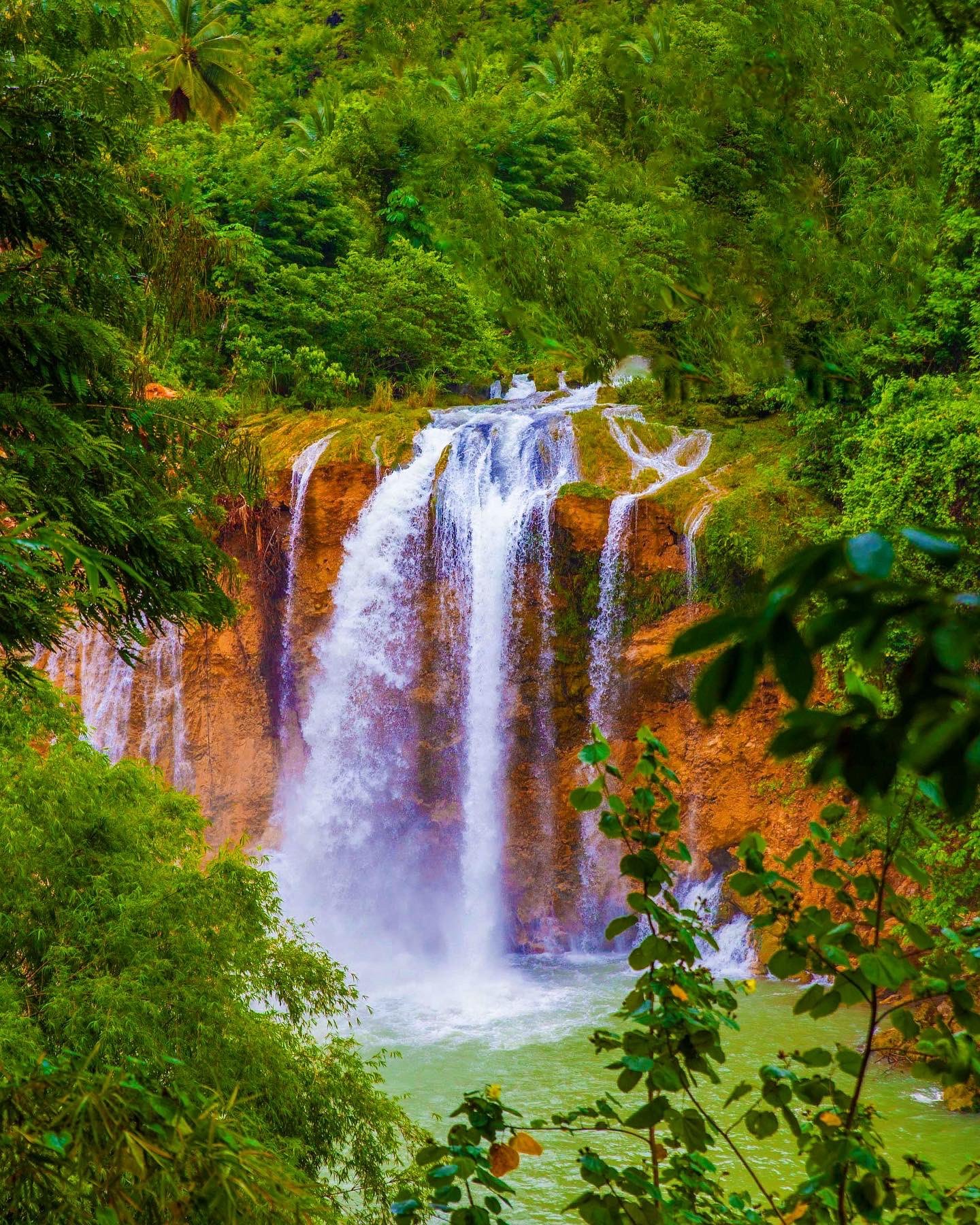
Located in the southern metropolis of Haiti, within the commune of Camp Perrin, near the city of Les Cayes, Saut Mathurine is one of the largest and impressive waterfalls in Haiti. this natural site is a true treasure for nature lovers, adventurers and tourists in search of authentic beauty. If the southern region of Haïti is known for its many lush beaches under the weight of the Antilles sun, its numerous caves, forts of all kinds and other important historical sites. Among all this great natural wealth, there are cities which stand out for their exceptional side. And which does not leave those who are willing to visit them indifferent. The Mathurine jump is precisely one of them. The Saut Mathurine stands out for its impressive height and powerful flow, creating a breathtaking natural spectacle. The waterfall, which flows forcefully into a pool, is made up of clear, turquoise waters, while providing an idyllic and peaceful setting for those who bathe there. In other words, visitors can take advantage of this enchanting setting to relax, picnic or swim in the fresh and invigorating waters of Mathurine Falls.
Nestled in the picturesque coastal town of Jacmel, in southeastern Haiti, Bassin Bleu is a true haven of tranquility in the heart of nature. Its crystal-clear blue waters and imposing rock formations make it a breathtakingly beautiful site, attracting travelers from around the world in search of escape and discovery. The sparkling turquoise waters of Bassin Bleu offer a feast for the eyes, inviting visitors to relax and rejuvenate in this idyllic setting. Whether swimming in its refreshing waters or lounging on its lush green banks, this natural oasis provides a welcome escape from the hustle and bustle of daily life. Surrounded by lush tropical vegetation, Bassin Bleu is home to exceptional biodiversity, with a multitude of unique plants and animals to discover. Hiking enthusiasts can venture along winding trails that meander through the surrounding forest, offering spectacular views of this pristine landscape. As a tourist destination, Bassin Bleu also offers economic development opportunities for local communities. By promoting sustainable tourism, it contributes to job creation, infrastructure development, and the promotion of local culture. Moreover, by raising awareness among visitors about the importance of preserving this fragile natural environment, tourism plays an essential role in its long-term conservation. Bassin Bleu in Jacmel is much more than just a tourist attraction: it is a true natural treasure to be preserved and appreciated. With its stunning natural beauty, remarkable biodiversity, and sustainable development opportunities, this magical place offers an authentic experience for travelers seeking moments of tranquility in the heart of nature.
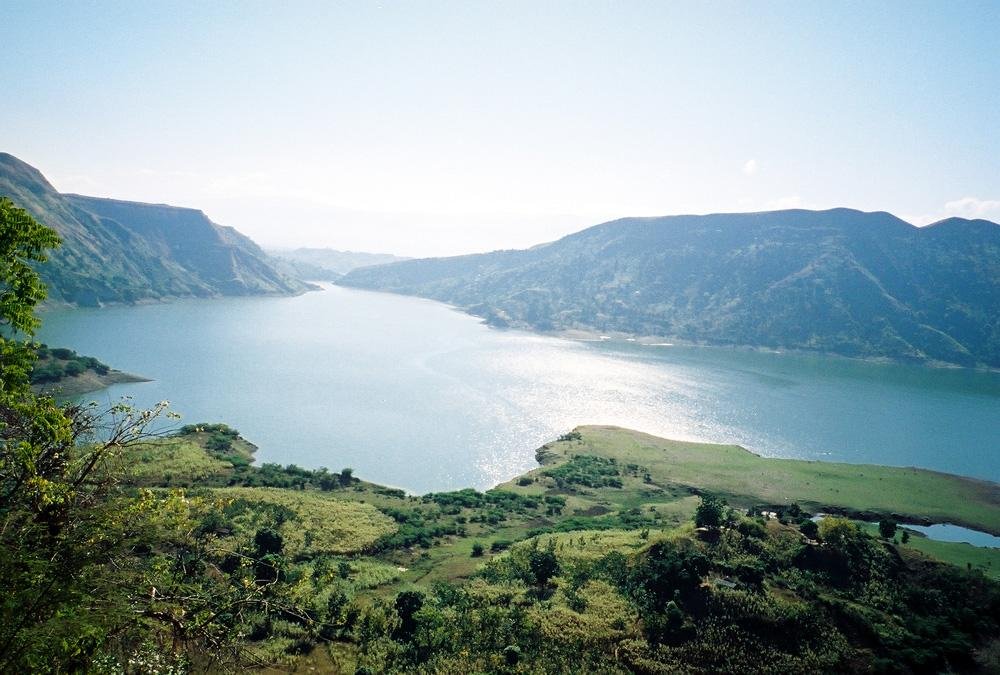
The Center department, commonly called Plateau Central, is one of the ten (10) departments of Haïti most robust in the face of certain natural phenomena. Before becoming one of the ten (10) departments of Haiti, the Center department was part of the Great North. It is renowned for its natural landscapes, its biosphere climate and its resistance to certain natural phenomena. In addition to its natural productions such as corn, millet and livestock, the Center department is also known for its high mountains which constitute a robust defense against certain natural phenomena such as earthquakes and floods. Composed mainly of high mountains, the department of Charlemagne Peralte and Benoît Batravil is the only one of the ten (10) not to have an outlet to the sea. However, its inhabitants take advantage of the vast rivers, rivers and lakes which cross it . With an area of 3,487 km², the population of the Center department is estimated at 678,626 according to a study carried out in 2009. On this same area, the department is divided into four (4) districts and twelve (12) communes. Bordered to the east by the Dominican Republic, the Center department connects other departments of the country such as Nord and Artibonite, and connects the two countries of the island through border areas like Balladère, Hinche and Cerca Carvajal. In the Center department, there are sites that could attract tourists for their natural beauty. In Saut d’Eau, there is the Saut d’Eau waterfall, in Hinche we find the Zim basin, the Péligre lake, the Péligre hydroelectric dam, the Artibonite river, and the Deux river (2 ) Rooms in Thomonde, more precisely in "El Manni", not far from the communal section of Caille-Epin. Thanks to its strong mountains and its natural climate, the Center department remains one of the most resistant departments in the event of an earthquake in Haiti.
Located in the heart of southeastern Haiti, the Pichon Waterfall emerges as a natural gem, providing a breathtaking experience for visitors seeking adventure and natural beauty. Nestled in the lush greenery of the Belle-Anse region, this majestic waterfall amazes with its imposing height and its crystal clear waters which cascade down the rocks with grace. The Pichon waterfall is much more than just a natural wonder; it is a place steeped in history and legends, captivating visitors with its mystical ambiance. According to local tradition, it would have been a gathering place for indigenous communities, testifying to the cultural richness of the region. For outdoor enthusiasts and adventure-seeking travelers, Pichon Waterfall offers a myriad of exciting activities. Scenic hikes through the surrounding jungle lead to spectacular viewpoints of the waterfall, offering unforgettable opportunities to take stunning photos. Additionally, travelers can refresh themselves in the crystal clear waters of the waterfall, letting themselves be enveloped by the revitalizing freshness of nature. The more adventurous can even venture to swim in the natural pools formed by the waterfall, creating lasting memories of their visit to Belle-Anse. As an emerging tourist destination, Pichon Waterfall also offers a unique opportunity to experience local culture and support surrounding communities. Visitors can explore the nearby picturesque villages, discover local crafts and taste delicious traditional Haitian cuisine. Whether you are a nature enthusiast, an adventure lover or simply in search of tranquility and beauty, the Pichon waterfall in Belle-Anse invites you to immerse yourself in a world of natural wonders and unforgettable discoveries. Come discover this hidden treasure and let yourself be seduced by the magic of the Pichon waterfall, an unforgettable experience in the heart of Haiti.
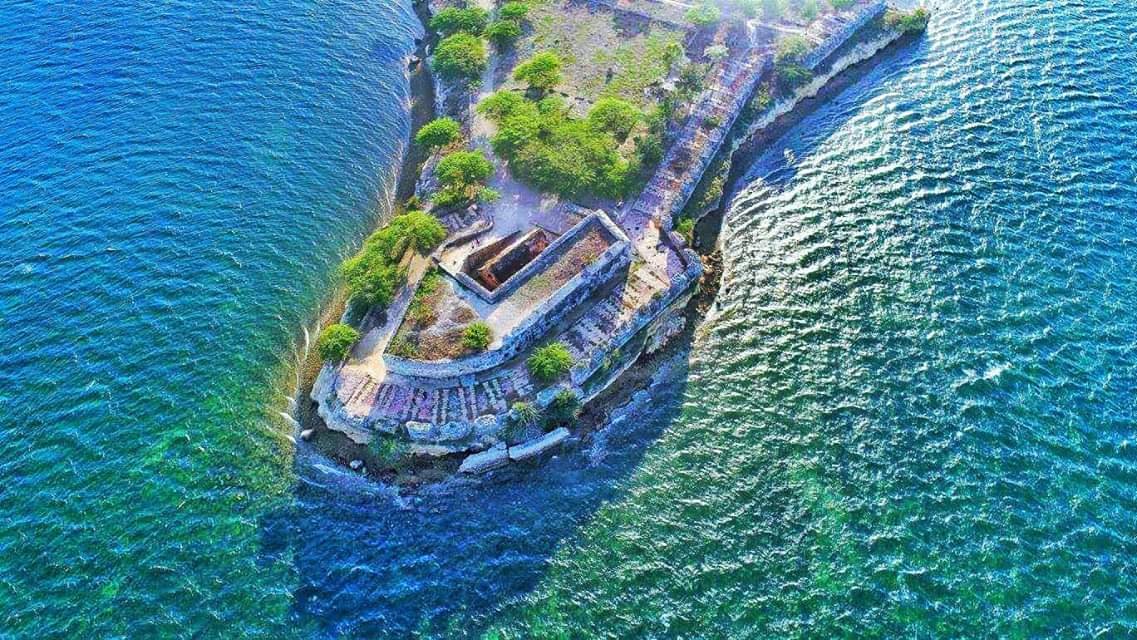
Nestled on the northeast coast of Haiti, between the green mountains and the azure waters of the Atlantic Ocean, lies a small town with undeniable charm: Fort Liberté. This historical and cultural gem is full of fascinating stories, picturesque landscapes and cultural richness that captivate visitors from around the world. A Historical Heritage Fort Liberté owes its name to the old fortress which overlooks the city, a vestige of the French colonial era. Built in the 18th century to protect the region from foreign invasions, this fort offers stunning panoramic views of the surrounding area, testifying to its strategic importance at the time. Today, it serves as a major tourist attraction, offering visitors a captivating insight into Haiti’s turbulent history. Culture and Traditions The cultural richness of Fort Liberté is reflected in its vibrant traditions, captivating music and local crafts. The city’s residents are renowned for their warm hospitality and pride in their heritage. Visitors can immerse themselves in the local culture by experiencing authentic Creole cuisine, watching traditional dance performances, or exploring bustling markets where a variety of handmade crafts can be found, such as wood carvings and vivid paintings. Natural beauty The surroundings of Fort Liberté are full of breathtaking natural treasures. The white sand beaches lined with palm trees offer an idyllic setting to relax and soak up the tropical sun. Outdoor enthusiasts will also find what they are looking for in the surrounding mountains, where they can hike through lush nature and discover hidden waterfalls and breathtaking panoramas. Fort Liberté, with its captivating blend of history, culture and nature, is a must-visit destination for those wishing to experience the true essence of Haiti. Whether you explore the historical remains, immerse yourself in the daily lives of the locals or marvel at the natural beauty of the surrounding area, this small town offers an enriching and memorable experience for all those who have the chance to visit it.
Perched in the heights, above the commune of Pétion-ville, the commune of Kenscoff is a jewel lit up above the metropolitan area of Port-au-Prince. The commune is located in the department of the West of Haiti, and is about 10 kilometers from the city center of Port-au-Prince, the capital of the country. The city of Kenscoff was founded in 1930, and was elevated to the rank of commune in 1934. The commune has an area of 202.76 square kilometers and is made up of five communal sections: Belle-fontaine, Bongars, Grand-fonds, Sourcailles. And Nouvelle-Touraine. Kenscoff is one of the most mountainous communes in Haiti.
The Lagon des Huîtres National Park, one of the jewels of Haitian biodiversity, is a true natural sanctuary. This park is home to twenty-one lagoons forming an ecosystem of inestimable richness. The Pichon waterfall, with its twelve majestic waterfalls, embodies the wild beauty and natural power of the site. The park’s vegetation is dominated by Bayahondes (Prosopis juliflora), creating a dry forest that serves as a refuge for diverse wildlife. Among the most notable residents are the graceful Greater Flamingo (Phoenicopterus roseus) and the Ricord Iguana (Cyclura ricordi), a species endemic to the island of Hispaniola. The red, gray and white mangroves of the Lagon des Huîtres site play an essential role in providing protected habitats for a multitude of species.
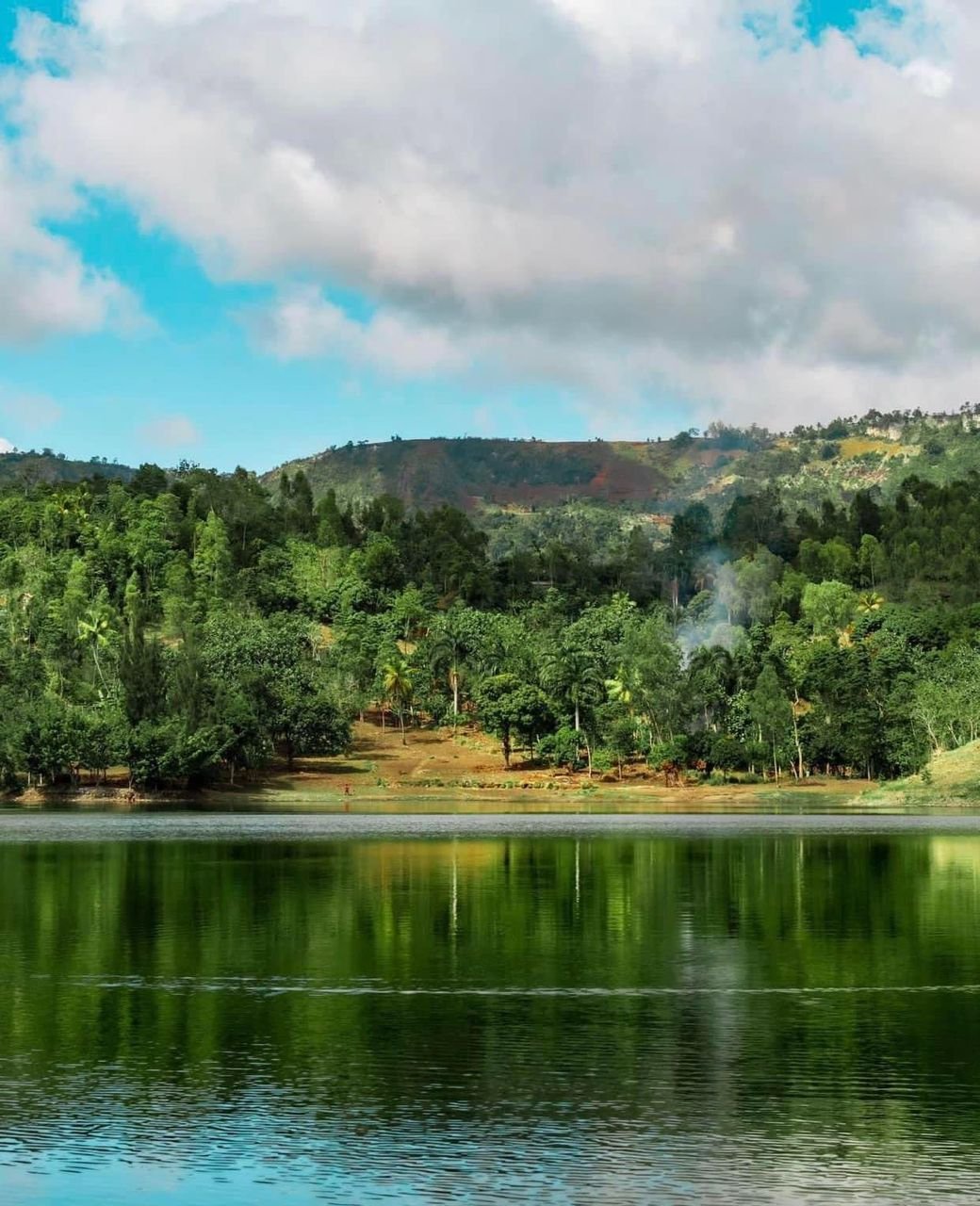
Located about an hour’s drive northeast of the bustling town of Jacmel, Étang Bossier emerges like a verdant gem from the heart of the hills, captivating the senses and offering an idyllic getaway for nature and adventure lovers. This natural sanctuary, anchored in the picturesque community of Bossier, is a premier destination for travelers seeking authentic discoveries and enchanting landscapes. With a generous surface area extending over 4 to 5 hectares, Étang Bossier stands majestically at an altitude of 600 meters in the 2nd section of the commune of Cayes-Jacmel, in Gaillard, surrounded by the magnificent sections of Ravine Normande , Cap Rouge and Michinot. This geographical diversity gives the place an incomparable ecological and landscape richness, inviting visitors to immerse themselves in the heart of lush nature. Beyond its natural charm, Étang Bossier is the cradle of community life rich in agricultural and pastoral traditions. The green fields resonate with local agricultural activities, with varied crops such as pistachio, congo pea, millet, and corn which bear witness to the ancestral know-how of the region’s inhabitants. Every Thursday, the local market comes alive with colors and flavors, offering a tempting range of fresh produce, robust livestock and of course, “pèpè” fish, a delight for fishing enthusiasts. However, behind this bucolic facade there are also challenges and needs. Despite the abundance of natural resources, many residents live in precarious conditions, highlighting the importance of sustainable support and development for the Bossier community and surrounding areas. For travelers looking for authentic and enriching experiences, Étang Bossier is an invitation to escape. By exploring its winding paths, being lulled by the song of birds and discovering the daily life of its welcoming inhabitants, visitors will have the unique opportunity to delve into the heart of Haitian culture and create unforgettable memories. During your next getaway to Cayes-Jacmel, let yourself be seduced by the magic of Étang Bossier. Whether for a day of adventure, a cultural immersion or simply a moment of relaxation in the middle of unspoiled nature, this hidden oasis promises you an extraordinary experience, imbued with authenticity and natural beauty. Come explore Étang Bossier and let yourself be enchanted by the simplicity and splendor of Haitian rural life.
Haïti is this small Caribbean country whose almost entire history is made up of great atrocities and a more than fabulous feat that a group of men had to accomplish for their own survival. The country was born at the heart of a story of resistance, of great importance and unparalleled in certain aspects, which can be proudly told to the rest of the world.
Haiti’s largest river is called the Artibonite. This majestic waterway, which crosses the country from one end to the other, is a key element in the geography, economy and daily life of Haitians. With its crucial role in agriculture, its historical importance and its impact on the local ecosystem, the Artibonite deserves special attention. This article explores the many facets of this iconic river.
The name "Haiti" is much more than just a word; it carries within it the history, culture and identity of a people. But what does this term really mean and what is its origin? Let’s discover together the richness of this word that resonates through the centuries.
Le Paradis Haitien, a passionate community operating in the fields of tourism, history and heritage, has given itself the noble mission of discovering, knowing and promoting Haiti. This initiative goes well beyond simple tourism, as it aims to strengthen the connection between Haitians, whether they reside in Haïti or abroad, and their country, by offering unique and meaningful experiences. b~The Haitian Paradise Mission~b The mission of Paradis Haitien is clear and inspiring. It’s about reconnecting and connecting every Haitian, wherever they are, with their country in a way that transcends the usual clichés. They aspire to create a sense of belonging by offering unparalleled experiences that showcase the cultural richness and diversity of Haiti. By building and strengthening the “Haitian Narrative,” Haitian Paradise seeks to ensure that each individual reappropriates, defends and acts responsibly for the well-being and development of the country.
Haïti is a small country located in the Caribbean, but what continent is it actually on? Although Haïti is often associated with tropical islands and paradise vacation destinations, its geographical location makes it a key part of the American continent. Let’s explore Haiti’s geographical location and its relationships with other nations in the Americas.

First black nation to free itself from slavery and gain independence from France in 1804 and influenced other liberation movements around the world, inspiring struggles for freedom and equality.

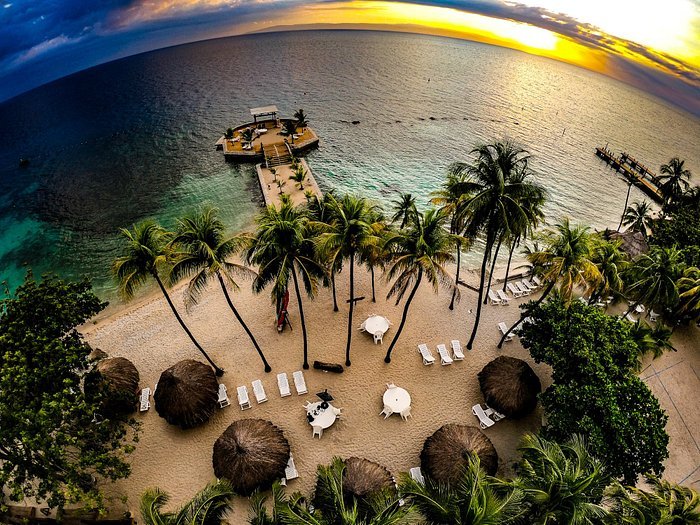
Haïti is blessed with spectacular natural landscapes, including white sand beaches, mountains and rich biodiversity.

Haïti has a rich historical heritage, including sites like the Citadelle Laferrière and the Sans-Souci Palace, listed as UNESCO World Heritage Sites.

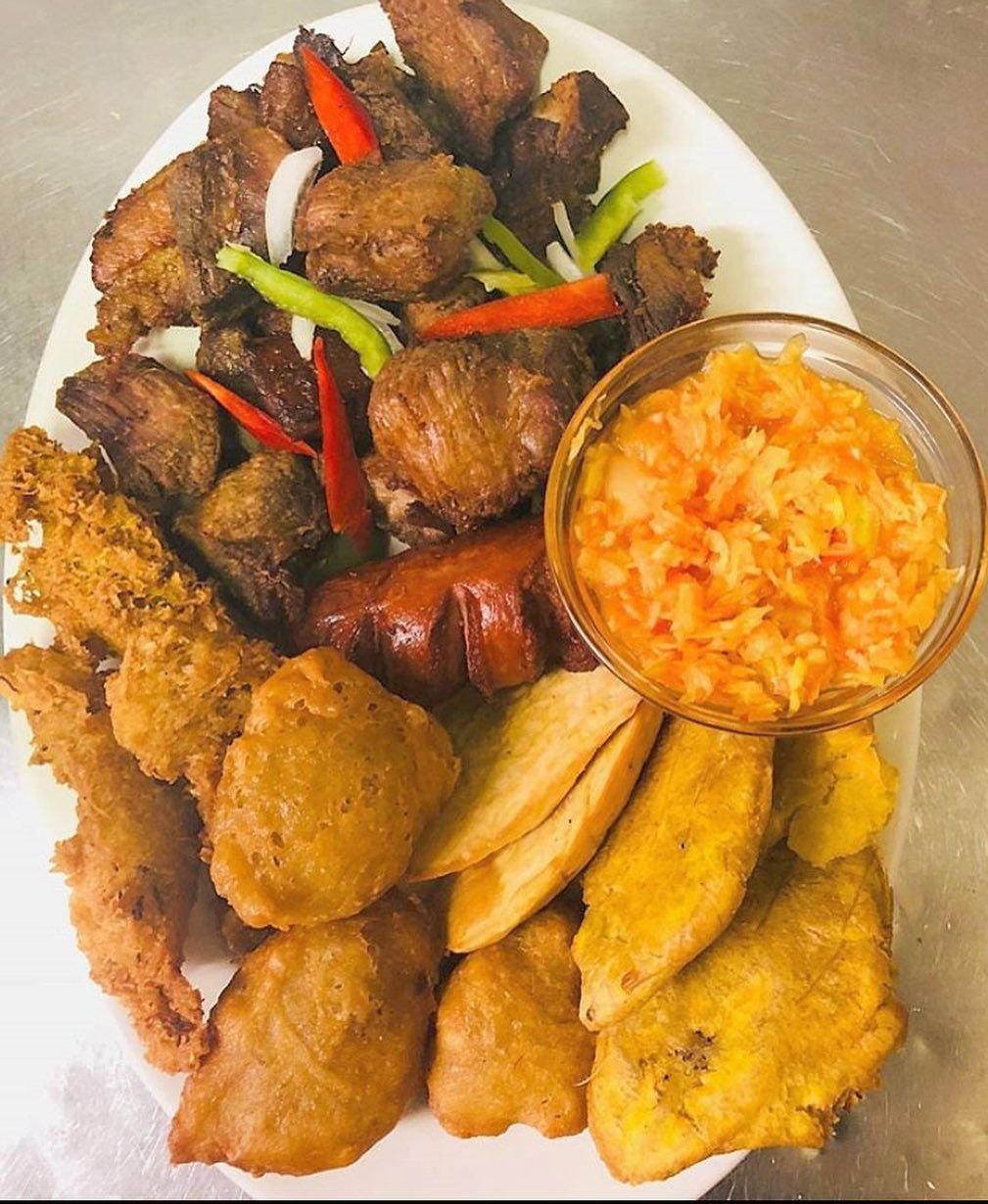
Haïti has a rich and diverse culture, influenced by African, European and indigenous elements. Haitian music, dance, art and cuisine are celebrated around the world.