






News / Country / View Recent Posts
Country
Learn more
Haiti
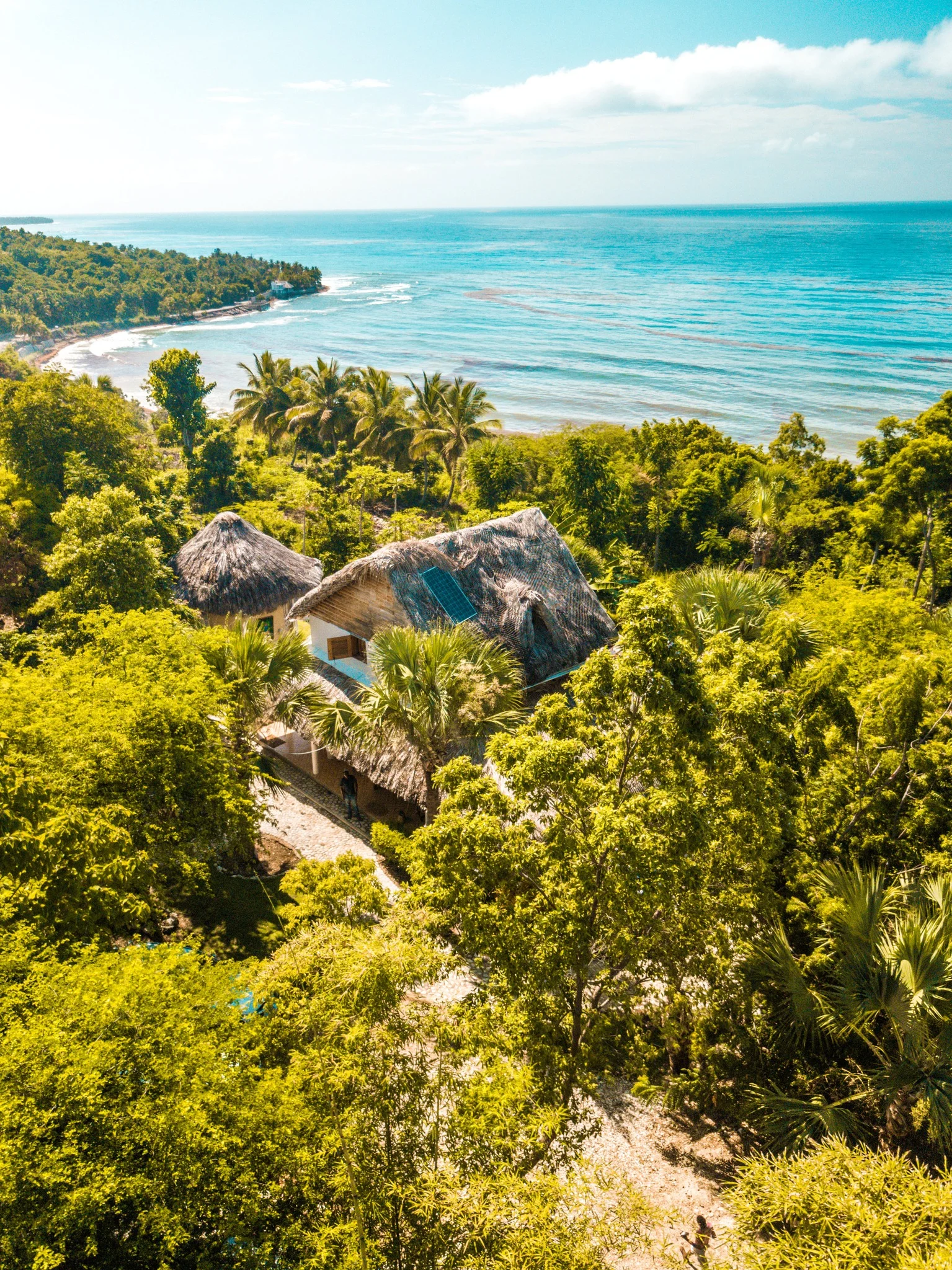
Haiti, officially the Republic of Haïti (Ayiti in Creole), is a country in the Greater Antilles. With an area of approximately 27,750 square kilometers, it is the third largest country in the Caribbean after Cuba and the Dominican Republic. Haïti shares a 360-kilometer land border with the Dominican Republic, strengthening ties and cultural distinctions between the two nations that cohabit on the island of Hispaniola. Haiti’s coastline stretches approximately 1,770 kilometers, bordering the Atlantic Ocean to the north and the Caribbean Sea to the south. This island is full of historical treasures, stunning natural landscapes and a vibrant culture worth exploring. Discover this Caribbean gem with us.
Learn more 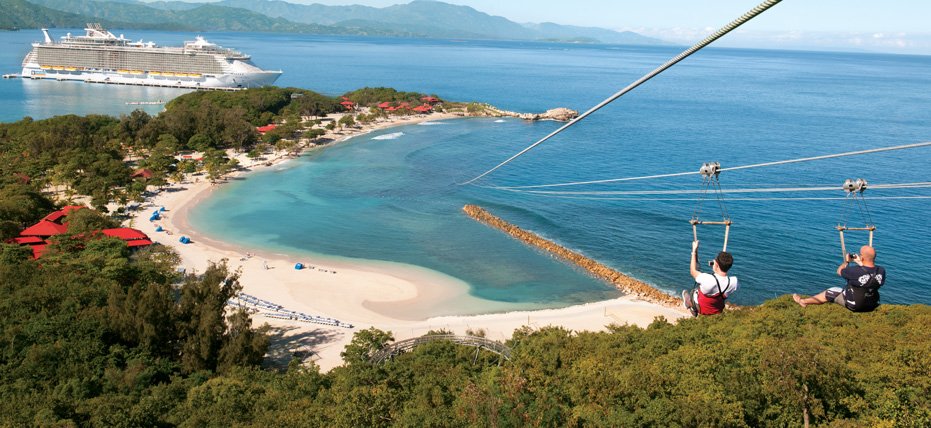
Country
Learn more
Republic of Haiti, Land of Freedom and Resilience
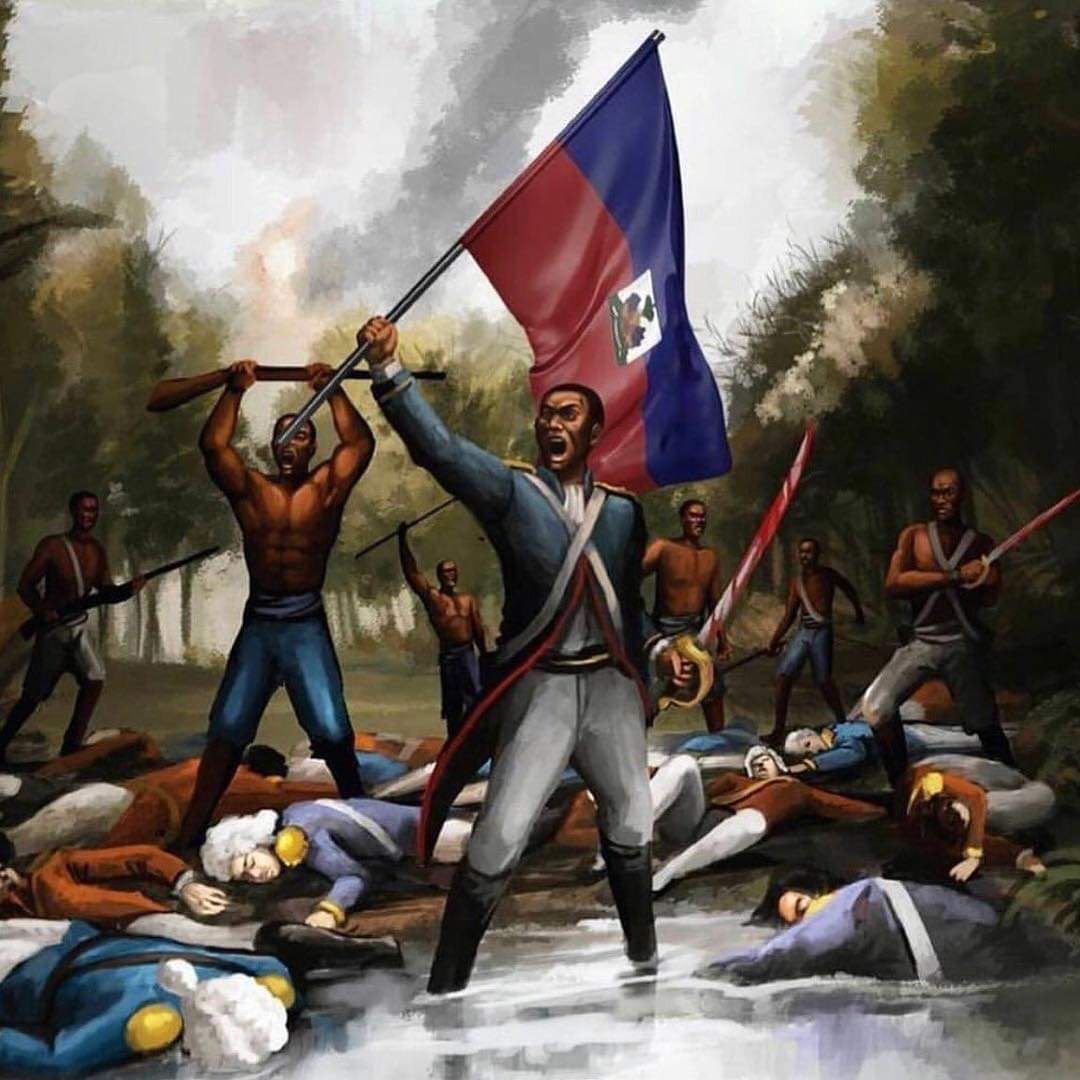
Nestled in the heart of the Caribbean Sea, the Republic of Haïti reveals its unique charms, proudly blending its rich historical heritage with breathtaking tropical nature. This majestic island, cradle of the first independent black republic, continues today to embody the resilience and spirit of freedom that shaped its unique destiny.
Learn more Recently Posted

Did You Know? Haïti is Home to the Largest Fort in the Caribbean
When we think of Haiti, we often think of its rich culture, heroic history, and breathtaking landscapes. But did you know that Haïti is also home to the largest fort in the Caribbean? The Citadelle Laferrière, located in the Nord department, is an architectural masterpiece and a symbol of freedom that attracts thousands of visitors each year. This historic monument is a national pride and a testament to the resilience of the Haitian people.

What is the most popular religion in Haiti?
Religious diversity in Haïti is a key aspect of its cultural identity, but Christianity, and more specifically Catholicism, is the most popular religion in the country. With its roots deep in colonial history, Haitian spirituality is also enriched by unique cultural practices, such as Vodou, that coexist with Christian beliefs. In this article, we explore the history, practices, and key figures surrounding religion in Haiti.

Haiti: Beyond the Clichés, Discover a Country Full of Wealth and Resilience
Haiti, a Caribbean country with a complex history and varied landscapes, is often perceived through clichés that do not reflect the richness and diversity of its culture and people. Too often, we forget to see Haïti in all its grandeur, as a nation with a unique heritage, impressive resilience and untapped potential. In this article, we will break the stereotypes and present you with another side of Haiti, full of beauty, history and hope.
Vertières, Fort Mazi: Beyond historical truth;
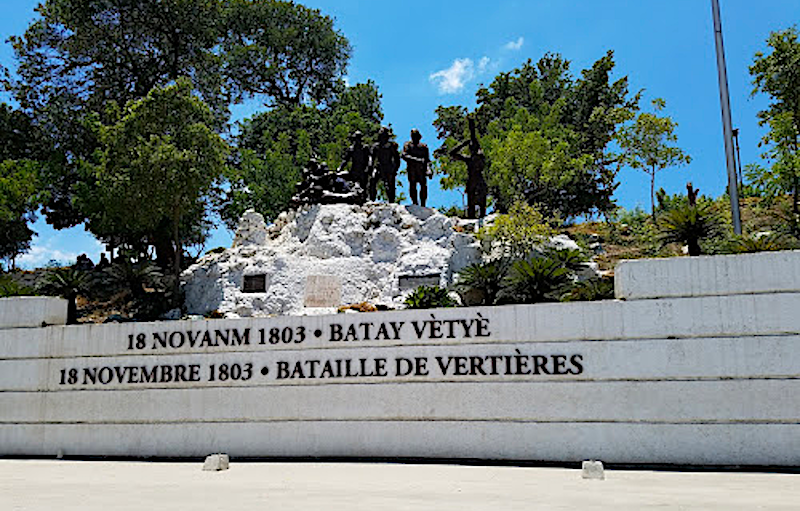
If you look up the word vertière in a French dictionary, you will not find it for fear that the world does not know this place represents the Achilles heels of the most powerful European army. What’s more, this one had just successfully won the eastern campaign. French historians of the time erased this geographical location from the radar of history because they did not want to tell the story as it is in the sense of explaining the first great humiliation of the expeditionary army French by bands of slaves who were totally ignorant in the art of waging war, much less in the handling of weapons. However, these illiterate wars routed the Napoleonic army, the most powerful at that time, using the means at hand. This expeditionary army, after having brought Europe to its knees, would experience its first rout by slaves in this geographical location, located in the Northern department of Haiti. Funny story, this city is not on the list of French words even though given its historical importance, it should be at the heart of universal history, far from putting an end to the invincibility of the undefeated army army. So as not to offend the white masters, no political leader has ever asked why vertière does not appear in any French dictionary? However, they celebrate this battle with great fanfare every November 18. What historic hypocrisy among our leaders! After Vertière many other historical places are strangled by historians in order to hide the extremes of atrocities of the French colonists on the slaves. It is in this context of historical strangulation that “Fort Mazi” is not mentioned in school history textbooks. This is located in Petit-Goave, 2nd municipal section, Arnoux locality. We came across this mega fort, during a mobile clinic entirely financed by the Ernest Junior foundation, a charitable foundation which works in the social sector, particularly in the field of art and music. According to residents , the oldest in this locality, this fort was built on at least 20 squares of earth by the settlers. It was a huge military complex divided into compartments, outposts, turtle rooms, rooms for treating colonists, a large Catholic church, and a cemetery. However, we never talk about this fort so much so that it is ignored by history teachers in the town of Petit-Goave. Certainly, the desired disappearance of this fort under the radar of history buries the atrocities, the barbarities, the most inhumane punishments of the colonists on the slaves. Looking closely at reality, everything seems true that it is the largest fort ever built during the period of colonization. Moreover, it probably seems the most fortified in relation to its importance. Remember that Vertière only exists in Haitian school history textbooks while Fort Mazi does not appear, much less in French dictionaries or history books. This explains why this fort was a secret place in which the settlers practiced crimes and atrocities that went beyond human understanding. Is it not a clear desire of historians to hide what this immense fort built on at least 20 tiles of earth really was? Discover the history of Haiti: A fascinating story to explore! : https://haitiwonderland.com/haiti/histoire/decouvrez-l-histoire-d-haiti--un-recit-fascinant-a-explorer/81

Category
- Recent articles 100
- Heritage 2
- Kitchen 53
- Culture 35
- Music 16
- History 48
- Nature 13
- Beache 27
- Craftsmanship 3
- Literature 16
- Religion 4
- Movie 2
- Ecology 0
- Tourism 68
- Personality 13
- Languages 1
- Theater 0
- Games 2
- Other 2
- Community 5
- Entrepreneurship 4
- Technology 16
- Country 3
- City 8
- Business 3
- News 40
- Geography 4
- Scientific Research 0
- Education 2
- Production 3
- Diaspora 9
- Good to know 60
- Business and economy 1
- Events and Festivals 19
- Things To Do 1
- Little-known places 0
- Sponsored Articles 0
Recently Posted














History
First black nation to free itself from slavery and gain independence from France in 1804 and influenced other liberation movements around the world, inspiring struggles for freedom and equality.

Natural beauty
Haïti is blessed with spectacular natural landscapes, including white sand beaches, mountains and rich biodiversity.

Heritage
Haïti has a rich historical heritage, including sites like the Citadelle Laferrière and the Sans-Souci Palace, listed as UNESCO World Heritage Sites.

Culture
Haïti has a rich and diverse culture, influenced by African, European and indigenous elements. Haitian music, dance, art and cuisine are celebrated around the world.
- +
Post