Holidays and Celebrations in Haiti
A complete calendar of national and religious holidays in Haiti. From Independence Day to Christmas, explore the vibrant culture of the Pearl of the Antilles.

The Francophone Youth Parliament (PFJ) is an entity of the Parliamentary Assembly of the Francophonie (APF), which itself is part of the International Organization of La Francophonie (OIF). Established in 1999 during the Moncton Summit in Canada, this parliament for Francophone youth provides a genuine opportunity to forge connections among young people from the Francophone world. This real platform for debate and advocacy allows young people to have their voices heard and actively participate in shaping the future of La Francophonie. The body meets sequentially, with young people from almost all Francophone backgrounds gathering at each edition to discuss contemporary issues affecting global youth, such as precariousness, a lack of faith in democracy, characterized by a high number of young people abstaining from elections, a lack of civic engagement, the fight against inequalities, climate change, and even the impact of social media on youth. It is important to note that although the decisions made during these meetings are not legally binding, they remain powerful tools to describe the real will and needs of youth in the Francophone space, with the aim of facilitating actions by leaders.
Subscribe to our newsletter to stay informed of all our activities and news on Haiti.
Haiti, the pearl of the Antilles, is a country rich in history and culture. Its public holidays are moments of celebration, commemoration and reflection on its glorious past. Each date has a special meaning, plunging Haitians into a festive and memorable atmosphere. b~January 1: National Independence Day and New Year~b January 1st is a doubly special day in Haiti. On the one hand, it is National Independence Day, commemorating the victory of Haitian slaves over French colonial forces in 1804. On the other hand, it is New Year’s Eve, marking the start of a new year full of promises and hopes. b~January 2: Feast of the Forefathers~b January 2 is dedicated to the memory of ancestors. It is an opportunity for Haitians to remember their roots, to celebrate the cultural heritage passed down from generation to generation. b~February: Carnival, Shrove Monday, Fat Tuesday, Ash Wednesday~b The month of February is marked by Carnival, one of the most colorful and dynamic festivities in Haiti. The streets fill with parades, lively music and wild dancing. Mardi Gras is the culmination of Carnival, followed by Ash Wednesday, marking the start of Lent. b~April: Easter, Maundy Thursday, Good Friday~b Easter celebrations in Haïti include the religious traditions of Maundy Thursday and Good Friday. It is a time of prayer and reflection for many Haitians. b~May 1: Agriculture and Labor Day~b May 1 is dedicated to celebrating the work and importance of agriculture in the life of the country. It is an opportunity to recognize the efforts of workers and to highlight the agricultural sector. b~May 18: Flag Festival~b Flag Day celebrates the Haitian flag, a symbol of independence and national pride. Haitians honor their colors and remember the courage of their ancestors in the fight for freedom. b~May 23: National Sovereignty Day~b This day commemorates the recognition of Haitian sovereignty by France in 1805. It is a moment of national pride and reaffirmation of independence. b~May - August: Ascension~b The Ascension is celebrated between May and August, a religious festival marking the ascension of Jesus Christ into heaven. b~June: Fête-Dieu~b Fête-Dieu, also known as the Feast of the Body and Blood of Christ, is an important religious celebration in June. b~August 15: Assumption of Mary~b The Assumption of Mary is a Christian holiday marking the ascension of the Virgin Mary into heaven. It is celebrated with fervor in Haiti. b~September 20: Birth Anniversary of Jean-Jacques Dessalines~b This date commemorates the birth of Jean-Jacques Dessalines, one of the founding fathers of Haïti and a key leader in the struggle for independence. b~October 17: Death of Dessalines~b October 17 is a day of commemoration of the death of Jean-Jacques Dessalines, recalling his impact on Haitian history. b~November 1: All Saints’ Day~b All Saints’ Day is a religious holiday honoring all saints, celebrated with prayers and visits to cemeteries. b~November 2: Day of the Dead~b All Souls’ Day is an opportunity to pay homage to the deceased by decorating graves and participating in religious ceremonies. b~November 18: Commemoration of the Battle of Vertières~b This day honors the decisive Haitian victory at the Battle of Vertières in 1803, marking the end of the French occupation. b~December 5: Discovery Day~b December 5 celebrates the discovery of the island by Christopher Columbus in 1492. b~December 25: Christmas~b Christmas celebrations in Haïti are marked by family reunions, festive meals and religious traditions. Public holidays in Haïti are much more than breaks from everyday life; these are moments that embody the soul and resilience of a people. Each celebration provides an opportunity to come together, remember the past and look to the future with hope and determination.
Haiti, an unknown pearl of the Caribbean, seduces with its cultural richness and breathtaking landscapes. Cradle of a fascinating history and a vibrant cultural identity, this country offers visitors an authentic experience, far from the beaten track.
Haiti, a land of hidden treasures, is full of breathtaking beaches, but among them, some stand out for an unexpected beauty that will not fail to surprise you. If you are looking for a place off the beaten track, offering an authentic and unforgettable experience, then Bassin Bleu beach deserves your full attention. This beach, nestled in a breathtaking natural setting, offers you moments of pure magic.
The history of Haïti and France is a complex and tumultuous saga, marked by conflict, struggles for freedom, and lasting impacts on both nations. This story begins in the 17th century and continues to resonate in contemporary relations between the two countries. This article explores the key moments of this historic relationship, highlighting the sacrifices, struggles, and economic issues that defined it.
From March 8 to 21, 2025, the Emmanuel Charlemagne Municipal Cultural Center welcomes a vibrant and emotional celebration of femininity with MUSES, a unique exhibition as part of Women’s Fortnight. This event delves into the very essence of Haitian women, representing them in all their complexity, strength, and beauty through the works of four exceptional artists. Let yourself be swept away by this unique artistic experience that invites you to rediscover women in a new light!

First black nation to free itself from slavery and gain independence from France in 1804 and influenced other liberation movements around the world, inspiring struggles for freedom and equality.

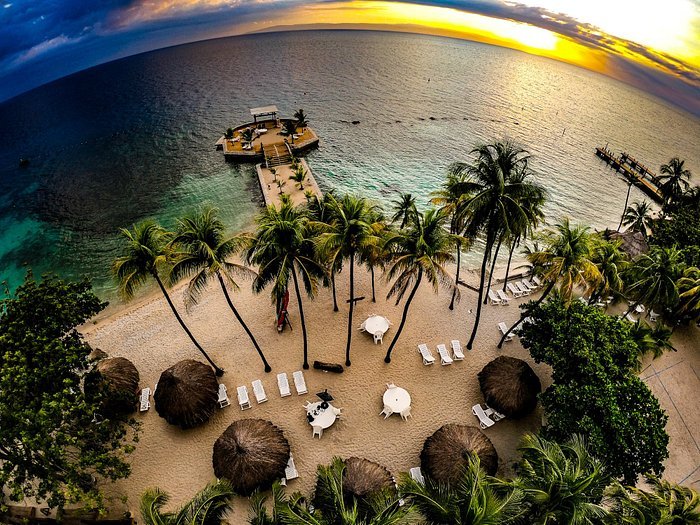
Haïti is blessed with spectacular natural landscapes, including white sand beaches, mountains and rich biodiversity.

Haïti has a rich historical heritage, including sites like the Citadelle Laferrière and the Sans-Souci Palace, listed as UNESCO World Heritage Sites.

Haïti has a rich and diverse culture, influenced by African, European and indigenous elements. Haitian music, dance, art and cuisine are celebrated around the world.