contact@haitiwonderland.com+509 36184317

Discover

Shopping Cart

Haïti : Citadelle la FerrièreHaïti : Citadelle la Ferrière

Recently Posted

Here are five compelling reasons why you should definitely visit Haiti’s beaches

1- Abaka Bay (Île-à-Vache): Start your Haitian adventure with the magnificent Abaka Bay, recently named one of the most beautiful beaches in the world by CNN. Located on the enchanting island of Île à Vache, this bay offers a pristine white sand beach and calm Caribbean waters, framed by lush green hills. Abaka Bay Resort offers a truly exclusive and secluded experience, with bungalows located directly on the beach, offering panoramic views and direct access to the fine sand and crystal clear sea. The dining options are equally impressive, with one restaurant offering breathtaking ocean views and epic sunsets. To get to Île à Vache, simply take a 15-20 minute boat ride from Les Cayes, located off the southern coast of Haiti. 2- Île à Rat (Amiga Island): As soon as you set foot on Île à Rat (also known as Amiga Island), this little slice of paradise will steal your heart. Its smooth white sand beach immediately catches the eye, while gentle waves create a dreamy oasis against the pearly shore. Located in the turquoise waters off the coast of Plaine du Nord in northern Haiti, Île à Rat is a 1.8 hectare piece of white coral covered in a small wild forest. The island is a peaceful retreat, especially for couples looking for a serene getaway. To get to Île à Rat, you can take one of the many water taxis waiting in Labadee, a 30-minute drive from Cap-Haïtien. Keep in mind that the island is uninhabited, so it is important to bring everything you need for a comfortable stay, including drinking water. 3- Côtes des Arcadins: Nestled north of the bay of Port-au-Prince, Côtes des Arcadins stretches over 19 kilometers of white sand beaches lined with palm trees, making it one of the most popular seaside destinations from Haiti. The combination of the deep blue sea, mountains, mangrove forests and the coral reef formed by the Arcadins islets creates a breathtaking spectacle. It is also a great place for divers. To get there, follow the road north of the bay of Port-au-Prince. You will be amazed by the natural beauty of this region. 4- Plage de Gelée: This beach is one of the most popular thanks to its crystal clear waters and soft sand, all with a pastoral landscape in the background. If you are looking for a place to relax and soak up the sun, Gelée Beach is a great choice. 5- Jacmel Beach: Although swimming is not recommended here, Jacmel Beach is famous for its picturesque charm and artistic atmosphere. It is located in the historic town of Jacmel, known for its lively carnival and colorful houses. Explore the beach, admire the architecture and soak up Haitian culture. Don’t forget your swimsuit and sunscreen, and enjoy these hidden treasures of Haiti! 🏖️☀️

Newsletter

Subscribe to our newsletter to stay informed of all our activities and news on Haiti.

Haiti: Discovering Lake Péligre

At the heart of the majestic Haitian topography, lies a natural gem of breathtaking beauty: Lake Péligre. Nestled in the mountains of Haiti’s central region, this artificial lake is a wonder for local residents and amazed visitors alike. From its historical creation to its contemporary ecological importance, let’s explore together the riches of Lake Péligre. Origin and History: Lac de Péligre is the result of an ambitious engineering project undertaken in the 1950s. At that time, the Haitian government, in collaboration with international partners, undertook the construction of the Péligre Dam on the Artibonite River. The main goal was to provide large-scale electricity to Haïti while regulating river flooding to protect agricultural land downstream. Ecology and Biodiversity: Beyond its usefulness as a source of hydraulic energy, Lake Péligre is home to rich ecological diversity. The calm waters of the lake provide vital habitat for a variety of native fish species, supporting local fishing communities. In addition, the surrounding forests and hills that border the lake are home to diverse flora and fauna, contributing to the preservation of the regional ecosystem. Tourism and Leisure: For outdoor enthusiasts and nature enthusiasts, Lake Péligre offers a multitude of leisure opportunities. Visitors can enjoy peaceful boat rides on the tranquil waters of the lake, offering panoramic views of the surrounding mountains. Additionally, hiking trails winding through lush forests allow hikers to explore the area’s natural beauty. Lake Péligre represents much more than a simple artificial body of water. It is a living testament to human ingenuity and the natural beauty of Haiti. As an emerging tourism destination, it offers visitors an immersive experience in nature, while highlighting the crucial importance of environmental conservation. By preserving this natural treasure, we also preserve the sustainable future of our planet.

Haïti: The Pearl of the Antilles

Located in the Caribbean Sea, Haïti is often nicknamed "The Pearl of the Antilles". This laudatory title not only reflects the beauty of its idyllic beaches, but also the history, culture and natural wealth of this island nation. Throughout the centuries, Haïti has acquired this prestigious reputation for various reasons, which go beyond its picturesque landscapes. b~Natural Beauty:~b Haïti is blessed with an abundance of natural beauty. Its sandy beaches, crystal clear waters, majestic mountains and lush valleys make it a dream destination for travelers from all over the world. Generous nature has endowed Haïti with impressive ecological diversity, which has helped shape its image as the pearl of the Antilles. b~Cultural Wealth:~b Beyond its landscapes, it is the richness of Haïtian culture which contributes to its reputation as a pearl. Haïti has a fascinating history, blending influences from indigenous Taino people, European settlers and African slaves. This cultural fusion gave rise to a unique artistic and musical tradition, embodied in expressions such as voodoo, naive painting and compass music. b~Historical Heritage:~b Haïti has played a central role in the history of the struggle for freedom and equality. In 1804, it became the first independent republic in Latin America and the Caribbean, after a revolution led by freed slaves. This courageous act of independence established Haïti as a symbol of resistance and determination, adding a historic dimension to its status as the pearl of the Antilles. b~Natural Resources~b Haïti is abundant in valuable natural resources, which has contributed to its nickname as the Pearl. Mineral-rich mountains, fertile soils and abundant water reserves have made Haïti a land of opportunity. Haïti, the pearl of the Antilles, is much more than just a tourist destination. It is a country whose natural beauty, cultural richness, historical heritage and natural resources contribute to a unique identity. It remains a jewel in the crown of the Caribbean, reminding the world of the strength and resilience of the Haïtian people.

Recently Posted

History

History

First black nation to free itself from slavery and gain independence from France in 1804 and influenced other liberation movements around the world, inspiring struggles for freedom and equality.

Natural beauty

Natural beauty

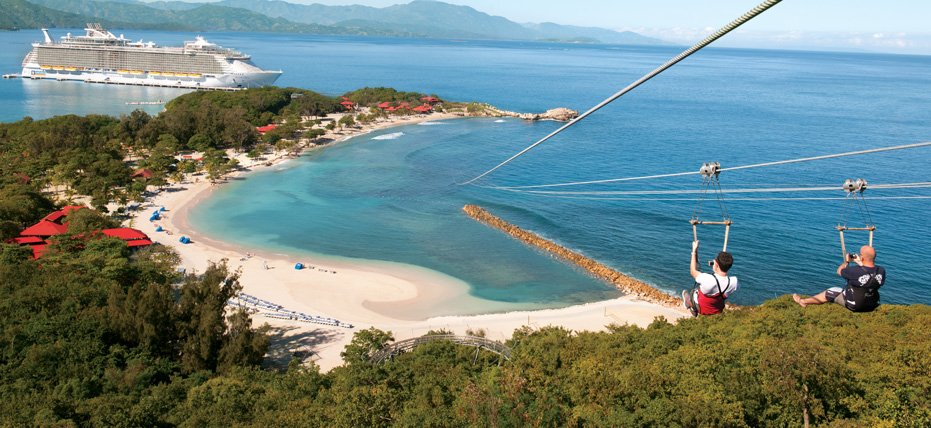
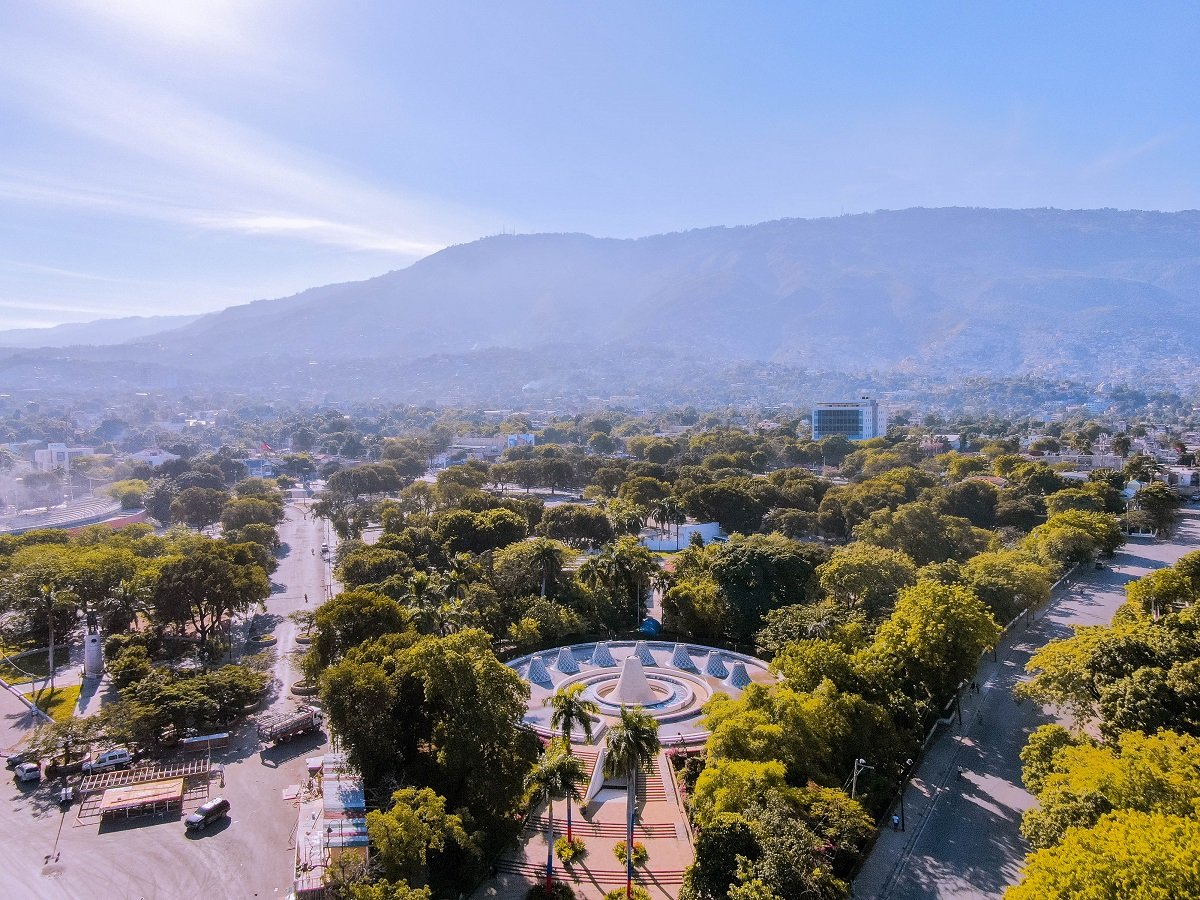
Haïti is blessed with spectacular natural landscapes, including white sand beaches, mountains and rich biodiversity.

Heritage

Heritage

Haïti has a rich historical heritage, including sites like the Citadelle Laferrière and the Sans-Souci Palace, listed as UNESCO World Heritage Sites.

Culture

Culture

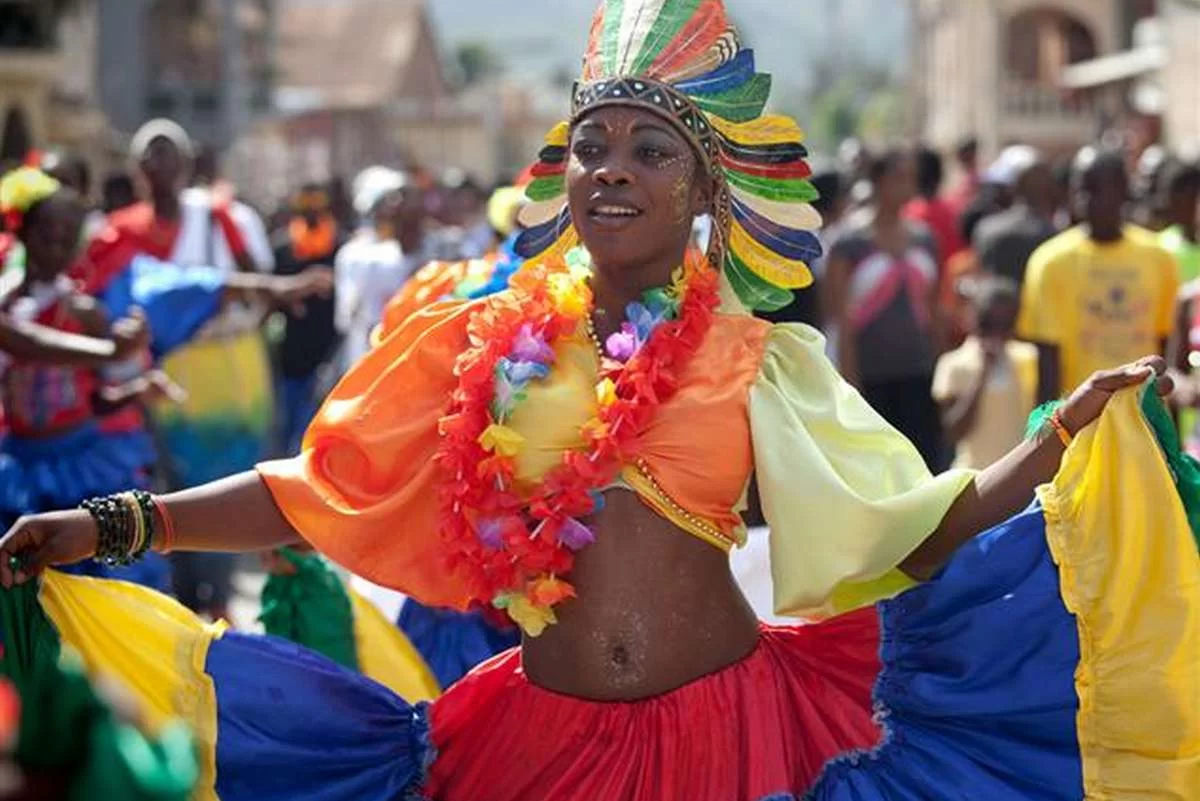
Haïti has a rich and diverse culture, influenced by African, European and indigenous elements. Haitian music, dance, art and cuisine are celebrated around the world.

  • +
    • Post