
Top 10 Tourist Sites to Visit in Haiti
Haiti, with its rich culture and diverse landscapes, is a fascinating tourist destination. Here is a selection of the ten best tourist sites not to be missed during your visit to Haiti.

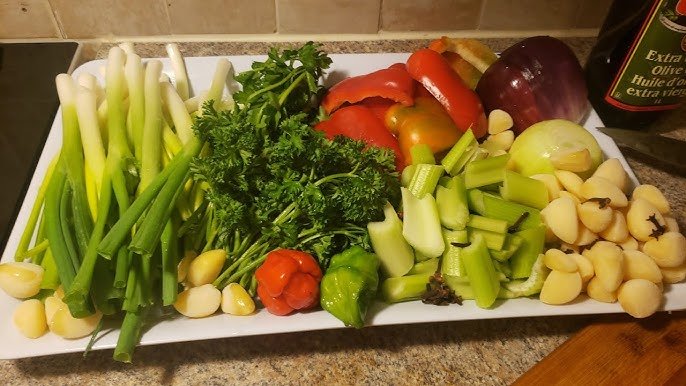
Haitian pain patate is a staple of traditional Haitian cuisine, often prepared for special occasions, holidays, or simply for the pleasure of enjoying a homemade dessert rich in flavor. This soft cake made with sweet potato, coconut milk, banana, and a savory blend of spices delights with its melt-in-the-mouth texture and irresistible aroma. Easy to make and full of character, pain patate is a true Proust madeleine for many Haitians. Whether you’re looking for comfort food or eager to discover a classic Caribbean pastry, this recipe will guide you step by step to successfully make this iconic Haitian dessert.
In Arabic, the family of words Amin, Iman or imam, imana designate faith, trust, security. This word is also present in the Swahili language (Kenya, Tanzania, East Congo Kinshasa) in the form imani: trust. "The term Imana is not the equivalent of God-Goddess which is a Western vision of divinity. Indeed,: "the term "imana" does not designate above all a personal being that should be honored and implored, but a diffuse fluid that should be captured." In other words, Imana is a neutral vital force that manifests itself in the inner cosmos of each living being." ¹ Imana, by Michel Darlin Johancy is a musical, symphonic and spiritual journey through three geographies: an inner geography of meditation, a cultural identity journey and an artistic musical stroll. These three itineraries unfold in Haitian spaces. This symphonic and spiritual journey takes place in 10 stages or 10 movements.
When it comes to choosing the perfect destination to spend the summer, Haïti emerges as a hidden gem in the Caribbean. With its favorable climate, sunny beaches and dazzling natural beauty, this island offers a unique and memorable tourist experience.
The Center department, commonly called Plateau Central, is one of the ten (10) departments of Haïti most robust in the face of certain natural phenomena. Before becoming one of the ten (10) departments of Haiti, the Center department was part of the Great North. It is renowned for its natural landscapes, its biosphere climate and its resistance to certain natural phenomena. In addition to its natural productions such as corn, millet and livestock, the Center department is also known for its high mountains which constitute a robust defense against certain natural phenomena such as earthquakes and floods. Composed mainly of high mountains, the department of Charlemagne Peralte and Benoît Batravil is the only one of the ten (10) not to have an outlet to the sea. However, its inhabitants take advantage of the vast rivers, rivers and lakes which cross it . With an area of 3,487 km², the population of the Center department is estimated at 678,626 according to a study carried out in 2009. On this same area, the department is divided into four (4) districts and twelve (12) communes. Bordered to the east by the Dominican Republic, the Center department connects other departments of the country such as Nord and Artibonite, and connects the two countries of the island through border areas like Balladère, Hinche and Cerca Carvajal. In the Center department, there are sites that could attract tourists for their natural beauty. In Saut d’Eau, there is the Saut d’Eau waterfall, in Hinche we find the Zim basin, the Péligre lake, the Péligre hydroelectric dam, the Artibonite river, and the Deux river (2 ) Rooms in Thomonde, more precisely in "El Manni", not far from the communal section of Caille-Epin. Thanks to its strong mountains and its natural climate, the Center department remains one of the most resistant departments in the event of an earthquake in Haiti.
The map of Haïti is an essential tool for understanding the geography of the country, its political organization, and its different regions. Whether for travelers, researchers, or those interested in the history of Haiti, this map provides crucial information on the location of cities, mountains, coastlines, and borders. This article explores the map of Haiti, its key elements, and what it represents for the Haitian people.
On Wednesday, October 24, 2024, in the premises of the Office of Citizen Protection, on the road to Bourdon, the 8th Wednesday outing of the Monferrier Dorval chair took place. As a reminder, the Wednesdays of the chair are one of the initiatives taken within the framework of the Monferrier Dorval chair of constitutional law, established on March 12 by the Council of the State University of Haïti (UEH). The rector, Mr. Fritz Deshommes, is the technical director. Professor Henri Marge Dorléans, former Minister of Justice, is the scientific director, and the dean of the Faculty of Law and Economics, Me Eugène Pierre Louis, holds the position of both technical and scientific vice-president. It should also be noted that the two main objectives of the chair are, on the one hand, to promote the memory of Professor Dorval, then President of the Bar Association, who was cowardly assassinated in front of his house, near that of the presidential couple at the time, on August 20, 2020. On the other hand, it is about promoting the work he had undertaken in the country, as a professor of constitutional law, around the need to make a constitutional change to facilitate effective governance and better institutional management of Haiti.
Every November 1st and 2nd, Haïti comes alive with the colors black and purple to celebrate the Guédés, spirits venerated in the voodoo religion, symbols of a powerful bond between the living and the dead. Fascinating, indomitable and provocative, the Guédés form a true family in the pantheon of Haitian voodoo, where they are respected for their role as spiritual guides of the deceased to the afterlife. Led by iconic figures such as the legendary Baron Samedi and his companion Grann Brigitte, the Guédés embody the paradoxes of life and death. Each Baron has a unique personality: Baron Cimetière, Baron Kriminel, and Baron La Croix are the guardians of the souls that wander on the borders of the world of the dead. Together, they form a powerful and somewhat frightening presence, but one that is deeply rooted in Haitian culture. The Guédés are not like other voodoo spirits; they demonstrate their fearlessness in a spectacular way. Accustomed to death, they are fearless and are provocative: they eat glass, raw peppers, and coat their sensitive parts with rum and pepper. These gestures mark their indifference to danger and remind us that they have already known earthly life. They are thus psychopomps – these beings who lead the souls of the dead – and act as bridges between the world of the living and that of the dead. Some Guédés, like Guédé Nibo, wear black, purple, and white clothing, each with unique characteristics. They are many and varied: Guédé Fouillé, Guédé Loraj, Papa Guédé, and many others. These are the spirits who, each year, remind Haitians of the importance of remembering and honoring the deceased. The cult of the Guédés is not only religious; it is also cultural and historical. According to tradition, their spiritual territory, or “Fètomè” – nicknamed the “Country without Hats” – is a place where the souls of ancestors reside. According to stories, the origins of this cult go back to the Abomey plateau, the ancient capital of the kingdom of Dahomey, in Africa, where death and life coexist in a form of symbiosis. This celebration in Haïti even finds echoes in ancient history. The Romans also honored their dead with the “Fête des Lémuria”, which took place in February, to ward off spirits and restore peace between the world of the living and that of the deceased. For Haitians, honoring the Guédés is about accepting death as a part of life and celebrating the invisible bonds that unite us with those who have left us. It is also a way of resisting, because life, despite its challenges, must be celebrated in all its complexity and depth.
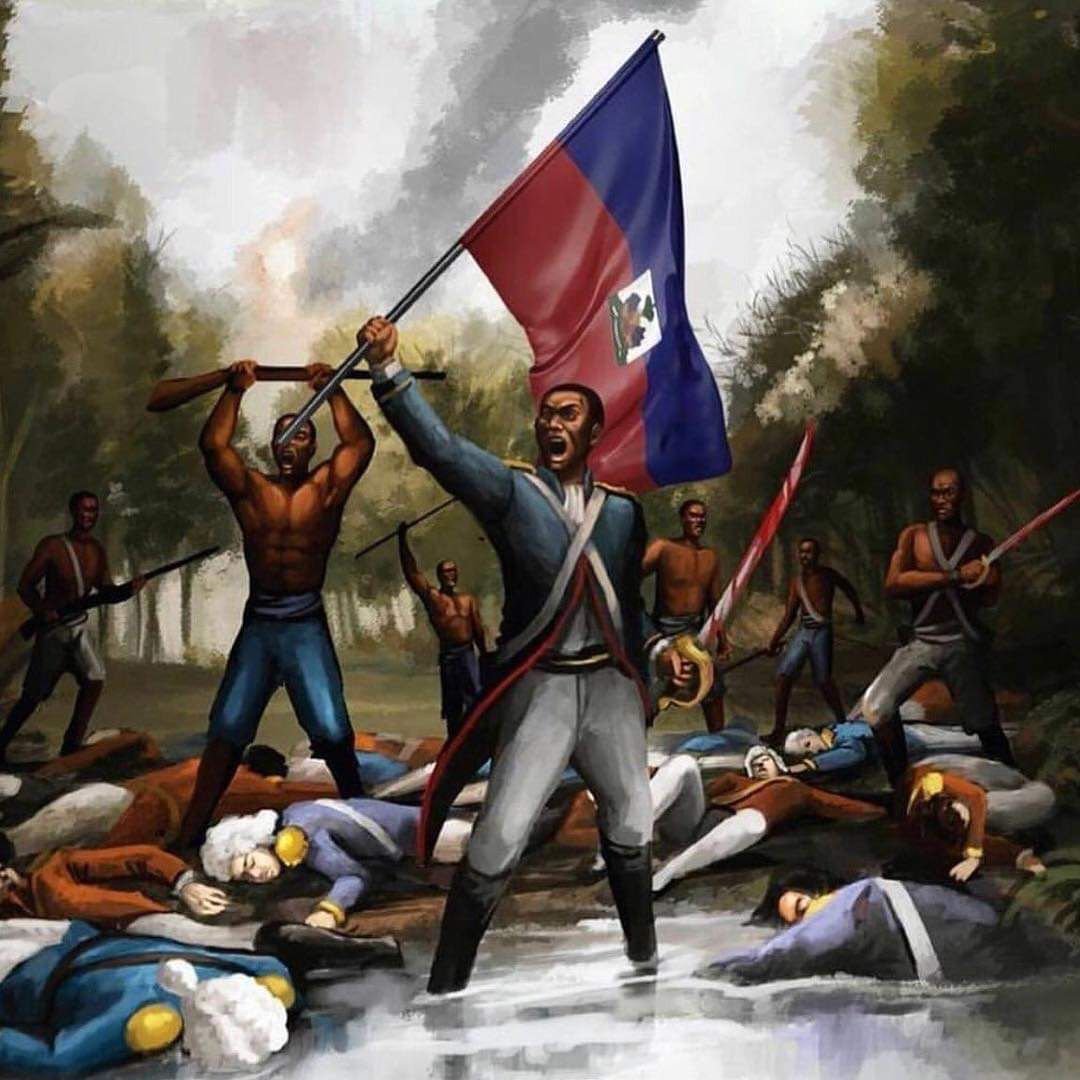
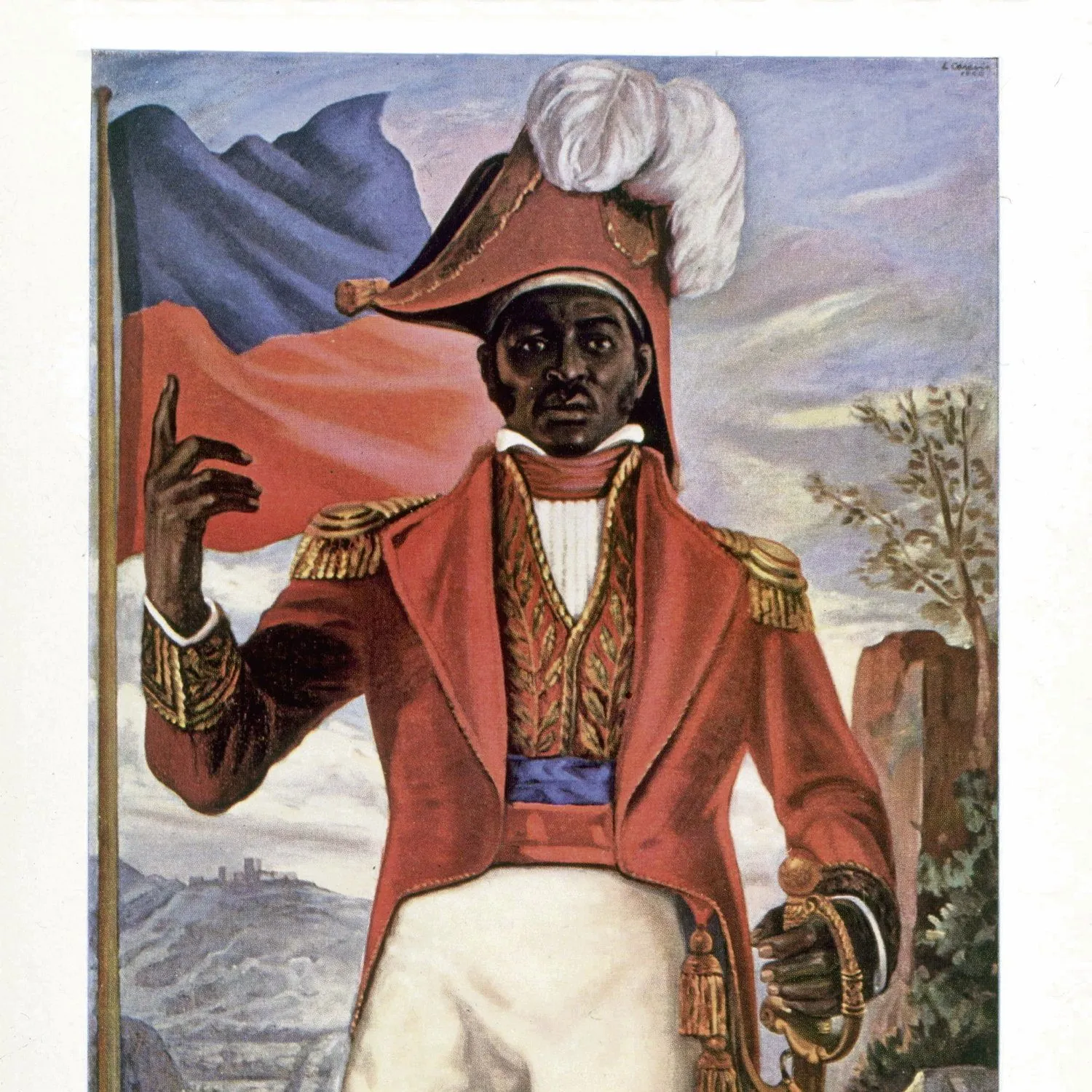
On January 1, 1804, a significant event in world history occurred: the proclamation of the independence of Haiti. On that day, Haïti became the first independent black country in the modern world, marking the end of more than a decade of bitter struggle against French colonial oppression and slavery.
Haïti is this small Caribbean country whose almost entire history is made up of great atrocities and a more than fabulous feat that a group of men had to accomplish for their own survival. The country was born at the heart of a story of resistance, of great importance and unparalleled in certain aspects, which can be proudly told to the rest of the world.
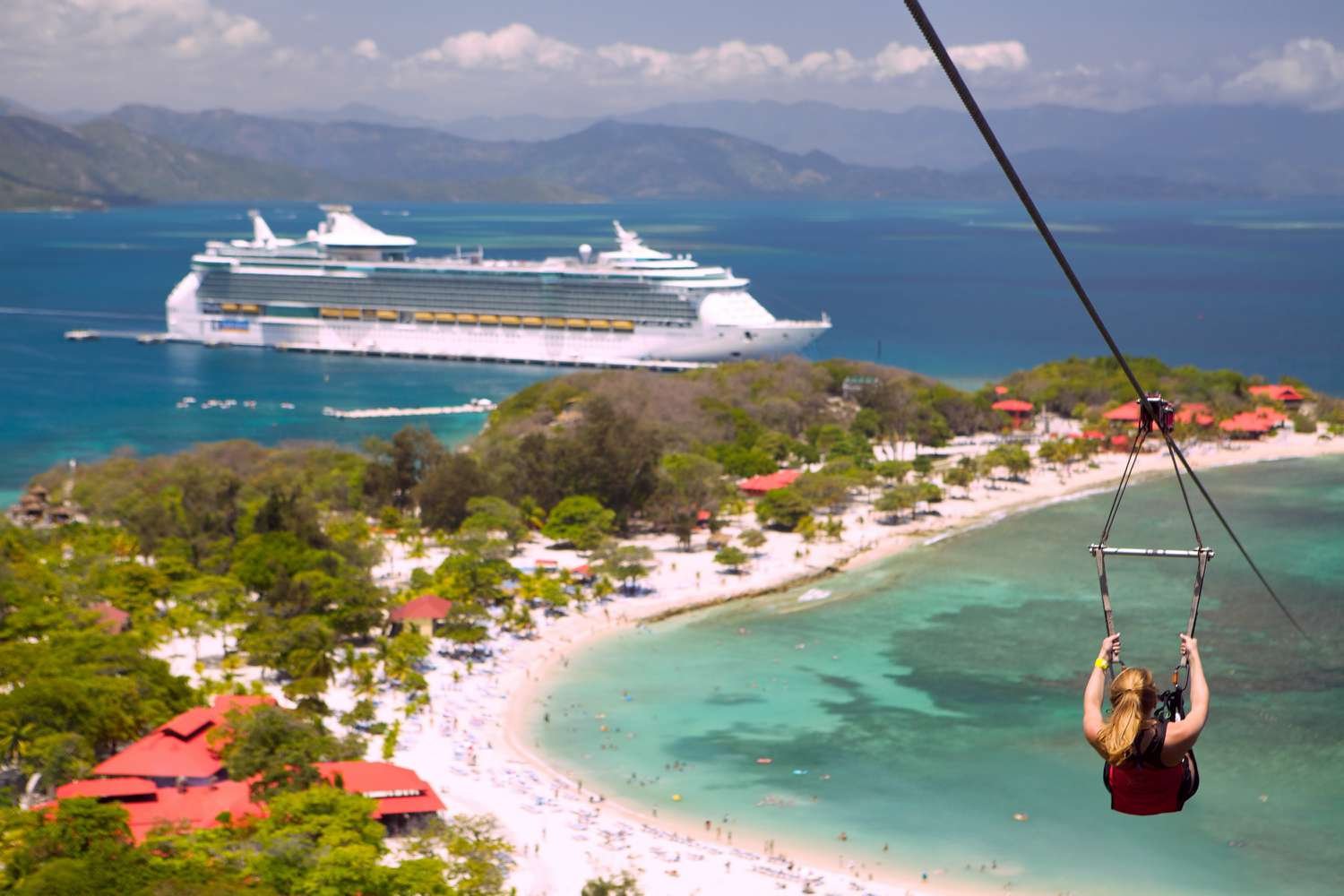
On September 1, 2024, Haïti vibrated to the rhythm of Roadtrip 4.0, an exceptional event that left a memorable mark on all participants. Organized by ShoublackHaïti and Championbusiness, this fourth edition of the Roadtrip brought together dozens of people on the beach of Marquis Paradise, near Labadee, Haiti, for a day combining relaxation, entertainment and cultural immersion.
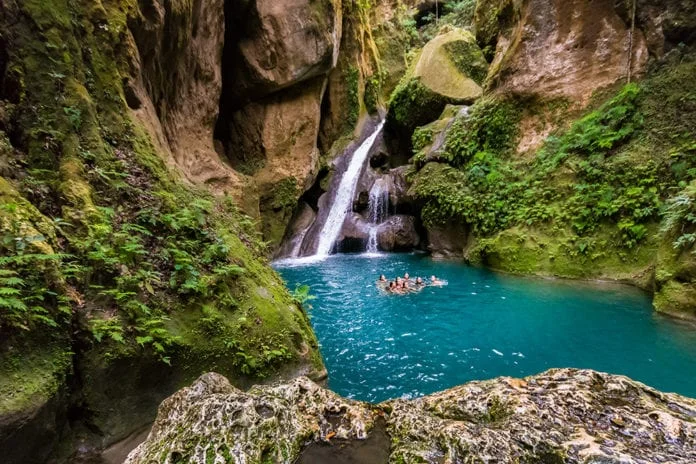
Haiti, a land of hidden treasures, is full of breathtaking beaches, but among them, some stand out for an unexpected beauty that will not fail to surprise you. If you are looking for a place off the beaten track, offering an authentic and unforgettable experience, then Bassin Bleu beach deserves your full attention. This beach, nestled in a breathtaking natural setting, offers you moments of pure magic.
Haiti, located in the Caribbean, is known for its tropical climate that differs from the seasons as defined in temperate countries. Rather than the traditional four seasons (spring, summer, fall, winter), the country mainly experiences an alternation between the dry season and the rainy season. However, there are climatic variations that are associated with the times of the year and influence the lives of Haitians. This article explains how these seasons manifest themselves in Haiti.
In Haiti, Christmas is a time of joy, festivities, and community gatherings. Between cultural traditions, religious celebrations, and festive entertainment, there is so much to experience and discover. This article presents the five must-see events that make Christmas so special in Haiti, and that are definitely worth your attention.
René Depestre had his very first encounter with the Haitian sun on August 29, 1926 in Jacmel, a large coastal city in the southeast of Haïti that welcomed his birth. He completed his primary studies with the Brothers of Christian Instruction in Jacmel. After his father’s death in 1936, he left his mother and brothers and sisters to live with his maternal grandmother. He completed his secondary studies at the Alexandre Pétion high school in Port-au-Prince in 1944. Today, he resides in France, his country of naturalization for several decades, and remains an immense creative, intellectual spirit and great witness to a very important era in the history of men.

First black nation to free itself from slavery and gain independence from France in 1804 and influenced other liberation movements around the world, inspiring struggles for freedom and equality.

Haïti is blessed with spectacular natural landscapes, including white sand beaches, mountains and rich biodiversity.

Haïti has a rich historical heritage, including sites like the Citadelle Laferrière and the Sans-Souci Palace, listed as UNESCO World Heritage Sites.

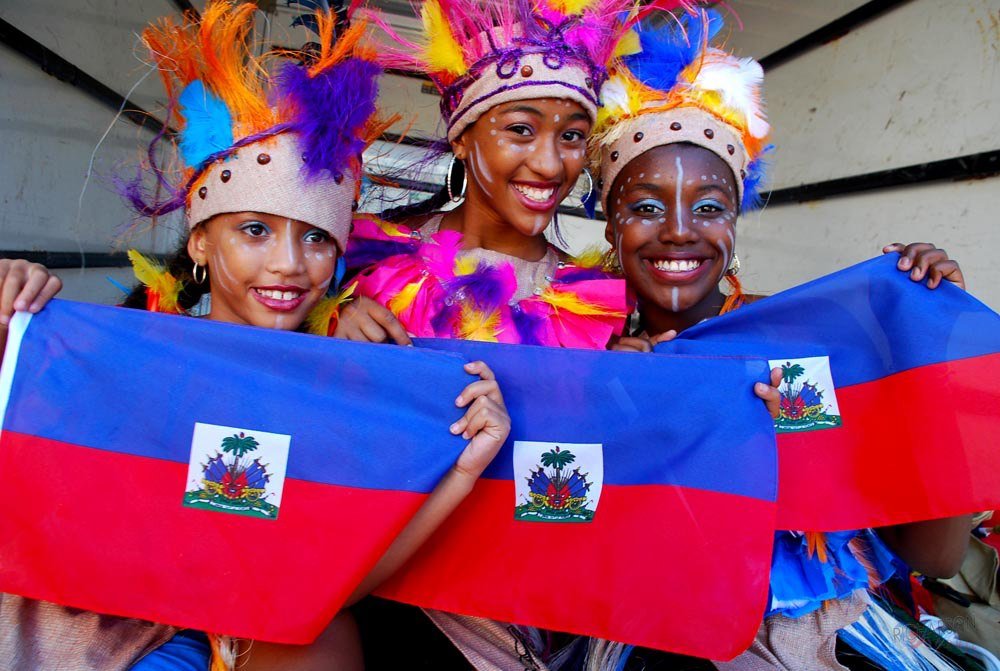
Haïti has a rich and diverse culture, influenced by African, European and indigenous elements. Haitian music, dance, art and cuisine are celebrated around the world.