

Cap-Haïtien: 70 Schoolchildren Learn Programming Thanks to Coding Club Haiti
From Python to JavaScript: How 70 young people from Cap-Haïtien are becoming Haiti's future developers with the NUMECO program.

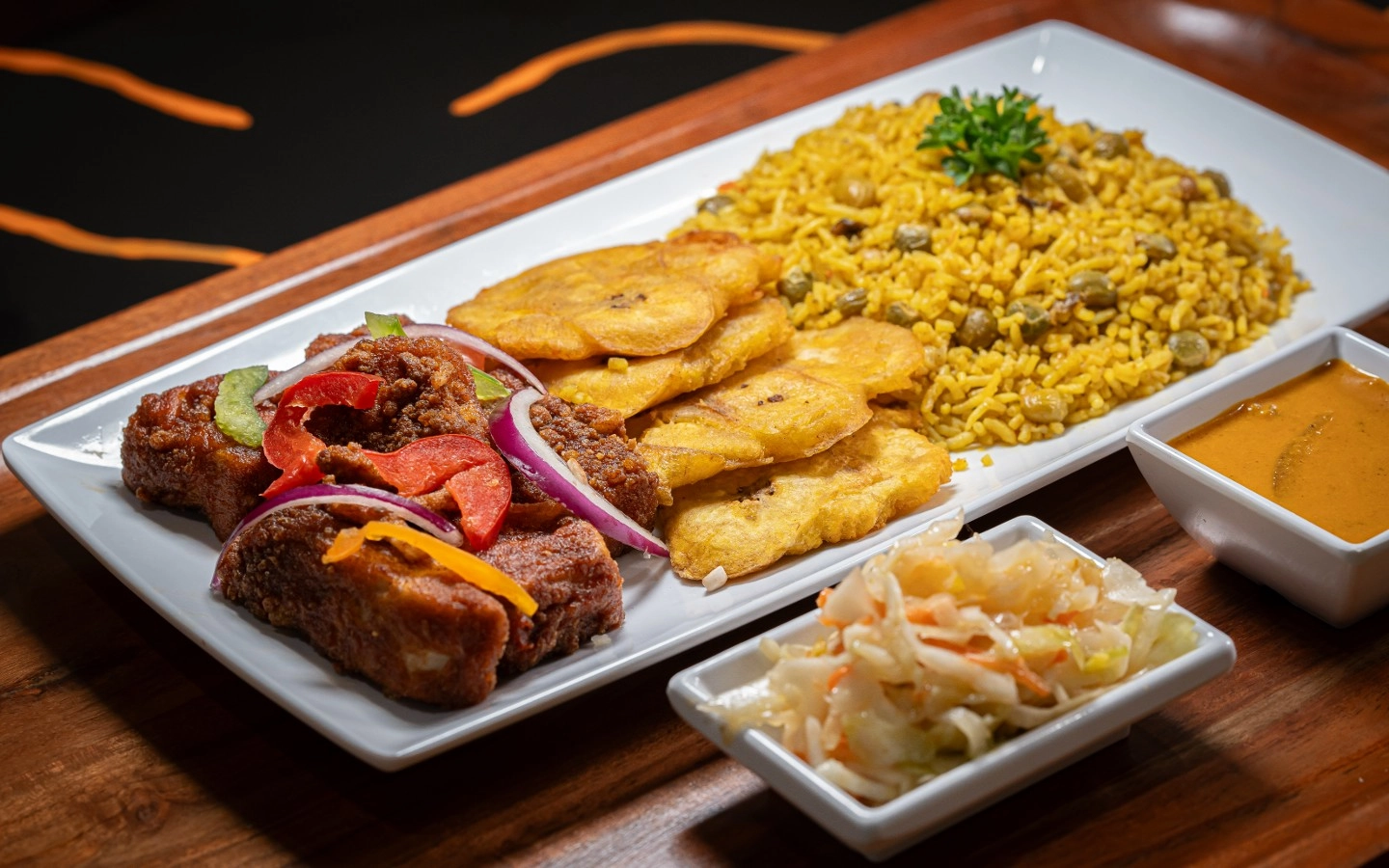
Easter in Haïti is both spiritual and convivial. It is a time of contemplation for many, but also a sacred occasion to gather with family around a special meal, respectful of the religious traditions of Lent. During this period, meat disappears from the plates, replaced by fish, especially cod, in an explosion of typically Haitian flavors.
Haiti, a jewel of the Caribbean, is full of historical and tourist treasures that capture the imagination of travel enthusiasts. With its monuments steeped in history, its heavenly beaches and its vibrant culture, the country offers a unique experience. Today, thanks to virtual reality, an immersive visit to these emblematic places is within everyone’s reach. Discover with Haïti Wonderland, a virtual adventure that transports you through the country’s picturesque alleys and fascinating historical sites, wherever you are in the world. If you would like to benefit from our virtual tour services, read this article: https://haitiwonderland.com/haiti/technologie/service-de-visite-virtuelle-pour-airbnb-hotels-et-restaurants-en-haiti/86
Agriculture is at the heart of Haiti’s economy and daily life. Despite challenges related to infrastructure and climate conditions, this sector remains vital for the majority of the population. Let’s discover how Haitian agriculture shapes the country, its economy, and its traditions.
Born in Port-au-Prince on October 10, 2001, Jean Wood Jude is a young 23-year-old Haitian poet/slammer. His talent and determination in the pursuit of his poetic passion have allowed him to serve the cause of poetry and to be one of the best-known figures in the Haitian poetic world thanks to short videos broadcast on social networks. Apart from his artistic and literary activity, Jean Wood Jean is a student in social communication at the Faculty of Human Sciences (FASCH) within the State University of Haiti. Better known under the nickname Silent Poet, he has more than 200,000 followers on his social networks, and regularly publishes poems in French and Creole. The release of his collection entitled “waltz of a silent heart or Pantalèt Kè m” will only confirm the talent of this young artist.
Haiti, often referred to as the "Pearl of the Antilles," is a vibrant and culturally rich destination, particularly during the summer. This period is marked by a series of colorful festivals, heavenly beaches, and a festive atmosphere that attracts visitors from all over the world. Here’s a look at what you can experience while exploring Haïti in summer.
On Friday, August 16, 2024, the historic city of Cap-Haïtien was the scene of a new edition of the OKAP ANN PEDALE event, marking the launch of the fifth edition of SUMMER STREET. This annual event, now unmissable, was distinguished by an effervescent atmosphere and a strong message aimed at promoting the Northern region of Haiti.
Haïti is a unique country in the Caribbean, not only for its revolutionary history, but also for its official languages: French and Haitian Creole. French, although spoken fluently by only a minority, plays a central role in the country’s administration, education, and culture. But why is this language so present in a country with African and Caribbean roots? This article explores the historical, cultural, and sociolinguistic origins of French in Haiti.
Haiti, often called "the Pearl of the Antilles" and formerly known as "Hispaniola", is a Caribbean country rich in history and culture. It is home to several major cities that play crucial roles in its economic, political and cultural development. Each of these cities has its own character and particularities. Here is an exploration of the 15 major cities of Haiti:
Haiti, located in the Caribbean, is a country rich in history, culture and natural beauty. Despite the challenges it faces, Haïti offers a unique experience to travelers eager for discovery. Here’s a comprehensive guide to making the most of your trip to Haïti in 2024, with information on must-see places, beaches, hotels, restaurants, local cuisine and safety tips.
Nestled in the enchanting embrace of Haiti’s North East department lies a true marvel – Caracol. This picturesque area is more than just a destination; it’s a sanctuary where tranquility dances in harmony with the gentle whispers of nature. From the chirping of content birds to the warm smiles of its inhabitants, Caracol is a true wonderland waiting to be explored. One of the most captivating aspects of Caracol is its serene ambiance. Here, peace isn’t just a concept; it’s a way of life. Even the birds seem to sing with an extra ounce of joy, as if they’ve found their own slice of paradise amidst the lush greenery. Stepping into Caracol feels like entering a world where time slows down, allowing you to embrace the simple pleasures of life. But what truly sets Caracol apart is its people – kind-hearted souls who find solace in the simplicity of their daily lives. Engaged in activities like fishing and gardening, they embody a deep connection to the land that sustains them. And amidst it all, the industrious spirit of Caracol shines through, with the industrial parc serving as a beacon of progress and opportunity for the community. Yet, amidst the tranquil rhythm of everyday life, Caracol pulsates with the vibrant energy of Haitian culture. Voodoo, an integral part of local life, weaves its mystical threads into the fabric of daily rituals and traditions. And come July, the entire community comes alive with patronal celebrations that draw Haitian diaspora from every corner of the globe. It’s a time of joyous reunions, where cultural immersion meets spirited competitions, from exhilarating running races to thrilling boat races on the sparkling waters. As the sun sets on another day in Caracol, the excitement doesn’t end – it transforms. Carnival season, known as "mardi gras," casts its spell over the land, igniting the imaginations of children who eagerly don disguises and wield whips to make merry mischief. Laughter fills the air as they chase each other, their gleeful shrieks echoing through the streets, creating memories that will last a lifetime. In Caracol, every moment is a celebration, every day a testament to the resilience and warmth of its people. So, whether you’re seeking a tranquil retreat or a cultural adventure, Caracol invites you to discover its hidden wonders and experience the magic for yourself. After all, in this captivating corner of Haiti, every day is a journey into the heart of paradise.
Soupe joumou, also known as soupe au giraumon, is much more than just a dish for Haitians. It embodies the spirit of freedom and resilience, celebrating Haiti’s independence every January 1st. This unique dish, made with giraumon, a tropical squash, fresh vegetables and meat, is known for its rich flavor and historical roots. Discover the traditional recipe for soupe joumou and its history, as well as the steps to prepare it at home.
Haiti, associated with its rich history and vibrant culture, also offers a little-known aquatic paradise. With its pristine beaches, crystal clear waters and spectacular marine diversity, this Caribbean country is an ideal destination for lovers of water activities. Discover a fascinating underwater world, experience thrilling adventures and enjoy the Haitian coastline.
Sandra Dessalines is a self-taught Haitian painter, sculptor, and visual artist. She was born in Port-au-Prince but grew up in the commune of Carrefour. Today, she is an ambassador who brings Haitian culture to life through her art all over the world, particularly in France, where she has lived for more than a decade. An Honorable Journey Sandra Dessalines trained as an agricultural engineer at Quisqueya University in Port-au-Prince and continued her studies at INSA in Toulouse, France. Her official entry into the world of art came after the devastating earthquake that ravaged her homeland, Haiti, on January 12, 2010. This event pushed her towards art, allowing her to reach the level she occupies today. In terms of recognition, Sandra Dessalines has made a name for herself, with her original style, inspired by her native Haiti, gaining increasing recognition from major event organizers in Paris. In October 2024, she even received the public prize at Lmh Concept Events Art and Design for their 10th anniversary in Paris. This award perfectly reflects the originality of her work and her ability to touch people’s hearts through her creation.
In a digital world largely dominated by Facebook, Instagram, and TikTok, Haïti is witnessing the birth of an innovation that could well be a game-changer: Toupatou, a 100% Haitian social network. Designed by a young local talent, this project embodies both the ingenuity of Haitian developers and the desire to create a platform adapted to local needs.

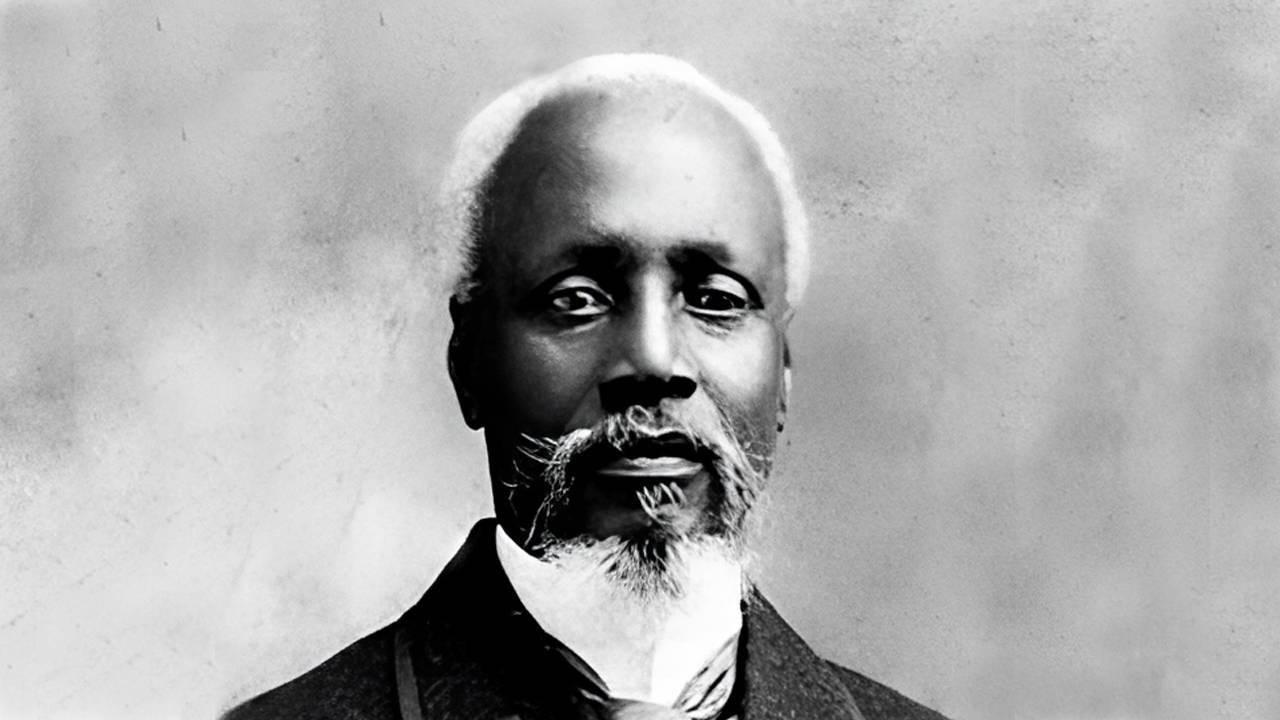
First black nation to free itself from slavery and gain independence from France in 1804 and influenced other liberation movements around the world, inspiring struggles for freedom and equality.

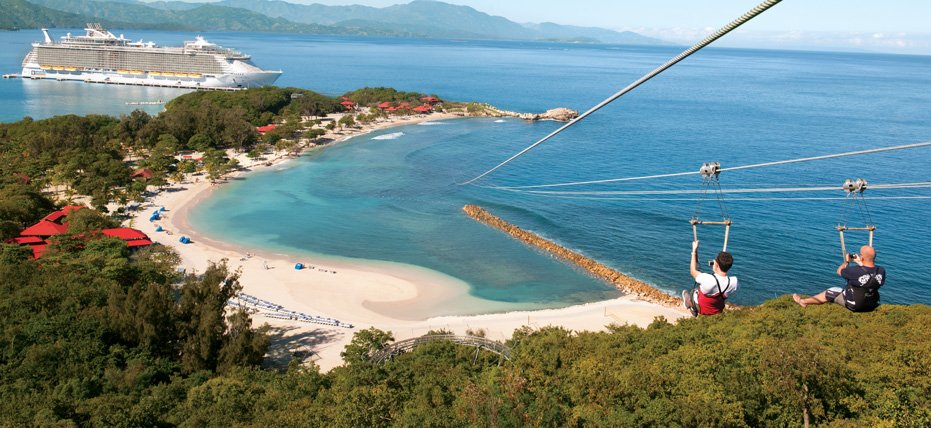
Haïti is blessed with spectacular natural landscapes, including white sand beaches, mountains and rich biodiversity.

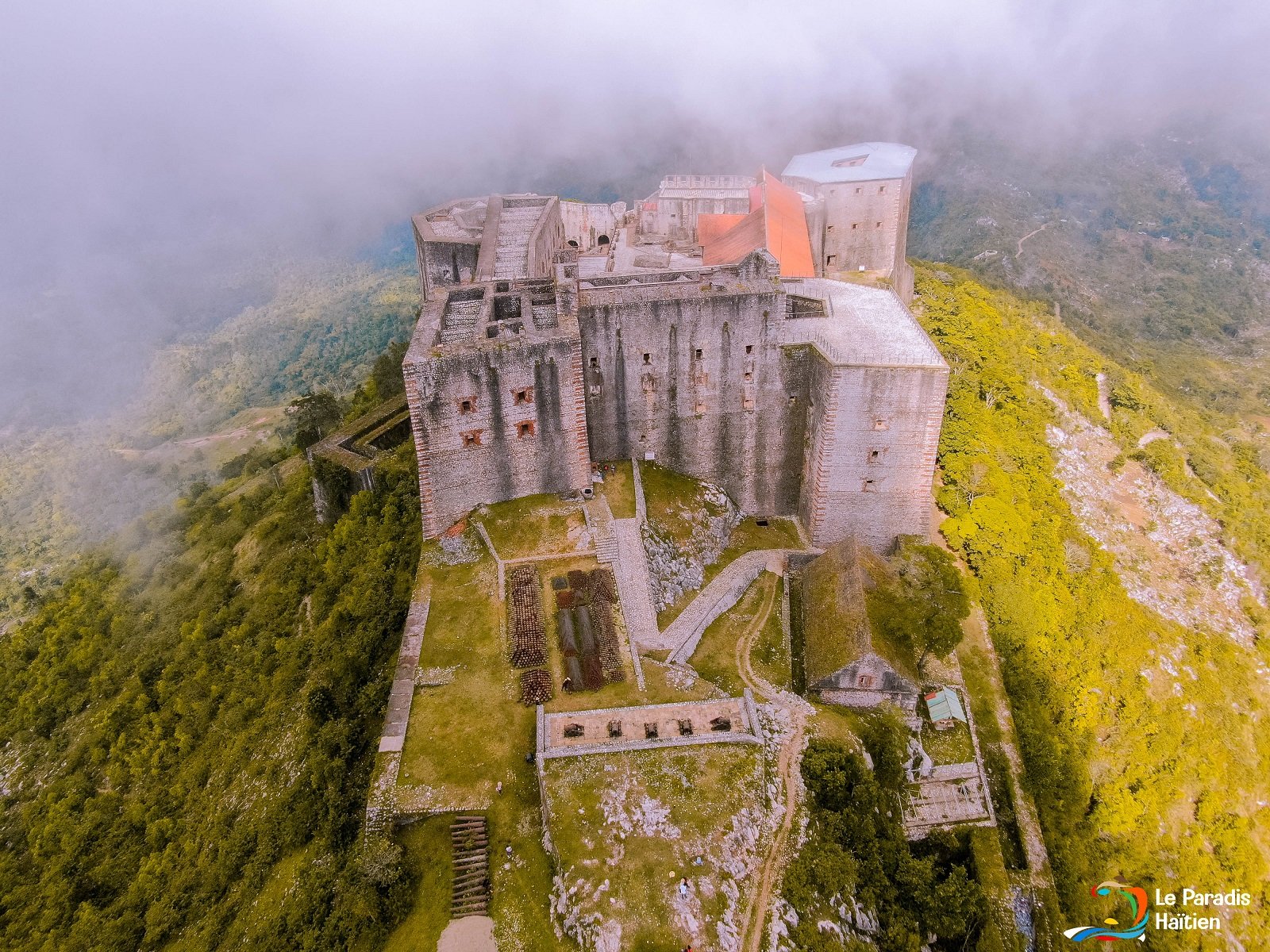
Haïti has a rich historical heritage, including sites like the Citadelle Laferrière and the Sans-Souci Palace, listed as UNESCO World Heritage Sites.

Haïti has a rich and diverse culture, influenced by African, European and indigenous elements. Haitian music, dance, art and cuisine are celebrated around the world.