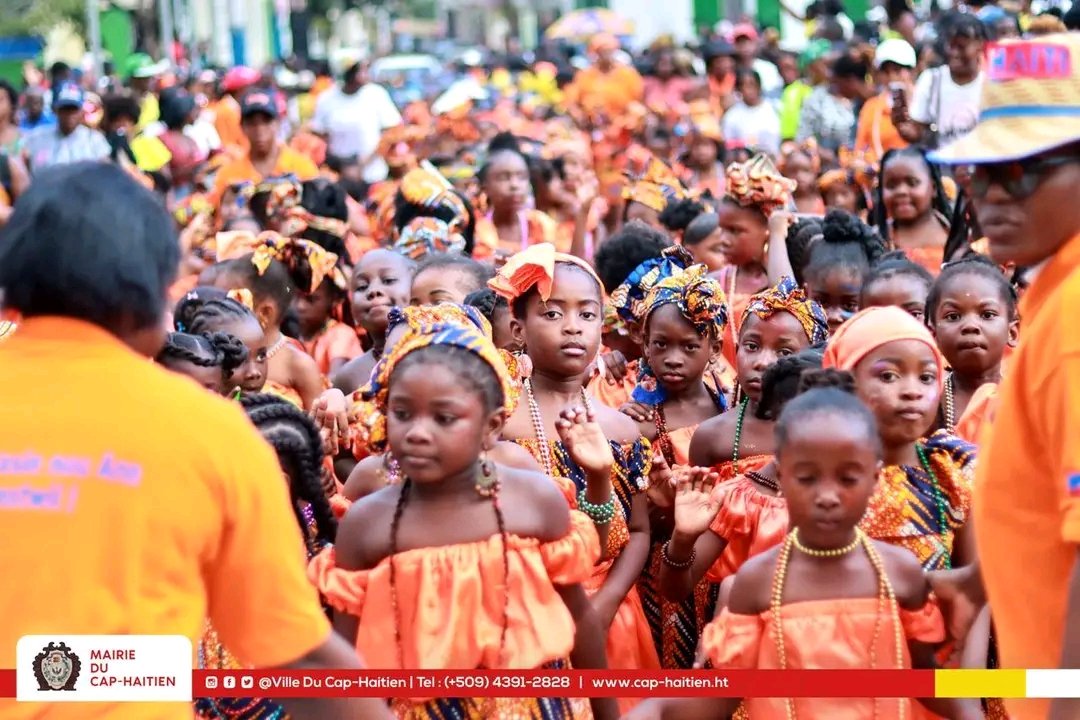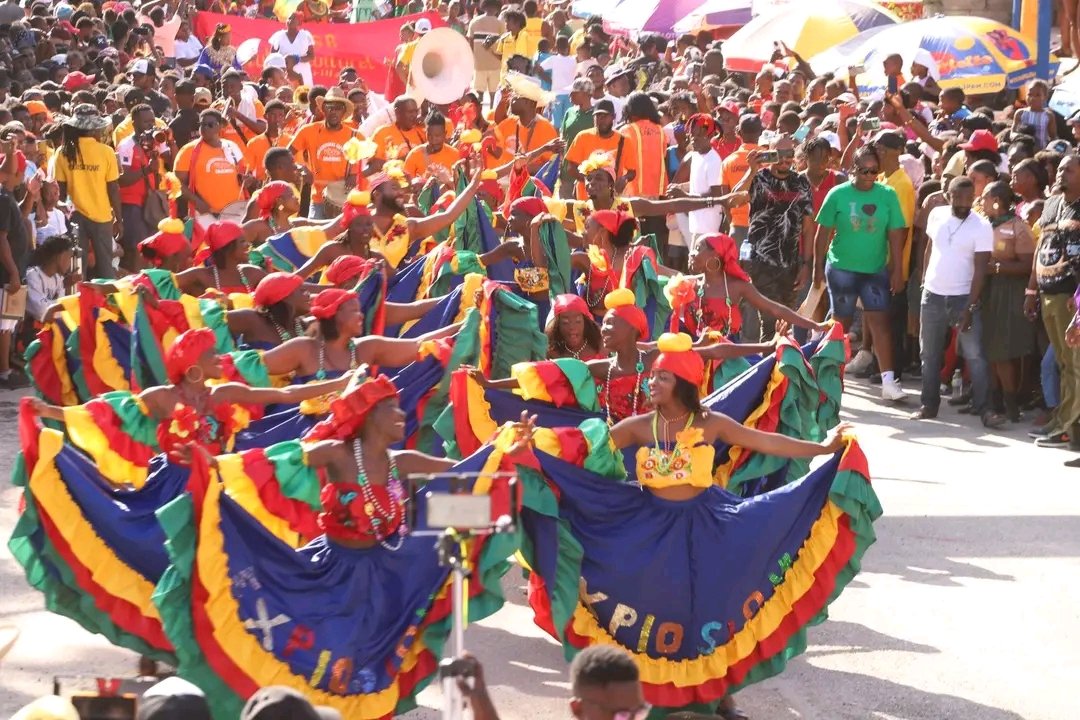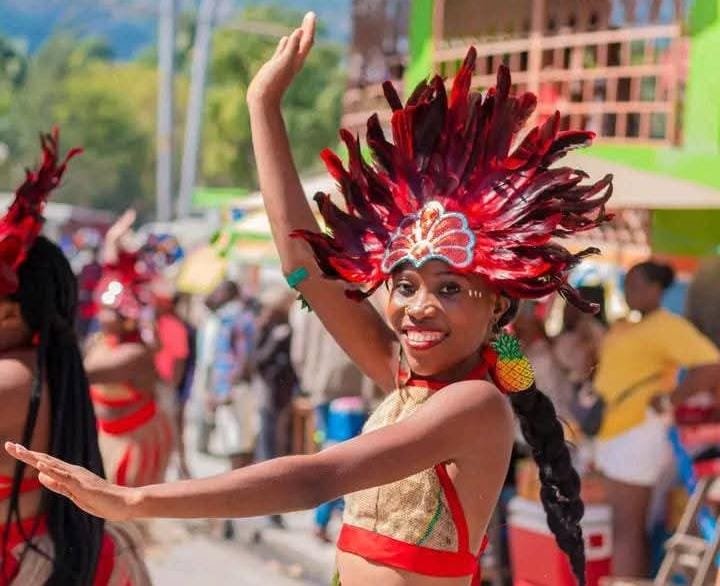







Haiti: Cap-Haïtien Boulevard ignites to the rhythm of Rara Fest
Rara Fest 2025 in Cap-Haïtien: music, colors, and Haitian traditions come alive. A cultural and touristic event not to miss.
Imagine a country where history pulsates on every street corner, where sandy beaches rival the finest in the Caribbean, and where a vibrant culture transports you into a whirlwind of colors, flavors and captivating rhythms. Welcome to Haiti, the pearl of the Antilles! Too often overshadowed by its tourist neighbors, Haïti nevertheless conceals treasures that are just waiting to be discovered by travelers. This country, the first independent black republic in the world, offers a unique travel experience, far from the beaten track of mass tourism. From the majestic Citadelle Laferrière dominating the northern mountains to the turquoise waters of Bassin Bleu near Jacmel, via the colorful markets of Port-au-Prince, Haïti is a land of striking contrasts. It’s a country where art springs up on every street corner, where Vodou spirituality rubs shoulders with Catholicism, and where the legendary hospitality of its inhabitants will make you feel at home. Whether you are a history buff, a lover of heavenly beaches, a gourmet in search of new flavors or simply curious to discover a fascinating culture, Haïti has something unique to offer you. In this article, we reveal 7 irresistible reasons to pack your bags for Haiti. Prepare for a journey that will awaken your senses, nourish your spirit and leave an indelible imprint on your heart. Find out why Haïti should be at the top of your list of destinations to explore!
Salt production in Haïti is an ancestral know-how that plays an essential role in the economy of coastal areas. The regions most recognized for salt production are the Salines de Petite-Rivière de l’Artibonite, the coasts of Île de la Gonâve, the Salines de Port-au-Prince, as well as parts of the North and Southeast. This process, which depends on the country’s natural geography and maritime resources, continues to support local communities while providing an indispensable product to the Haitian economy.
Haiti, officially the Republic of Haïti (Ayiti in Creole), is a country in the Greater Antilles. With an area of approximately 27,750 square kilometers, it is the third largest country in the Caribbean after Cuba and the Dominican Republic. Haïti shares a 360-kilometer land border with the Dominican Republic, strengthening ties and cultural distinctions between the two nations that cohabit on the island of Hispaniola. Haiti’s coastline stretches approximately 1,770 kilometers, bordering the Atlantic Ocean to the north and the Caribbean Sea to the south. This island is full of historical treasures, stunning natural landscapes and a vibrant culture worth exploring. Discover this Caribbean gem with us.
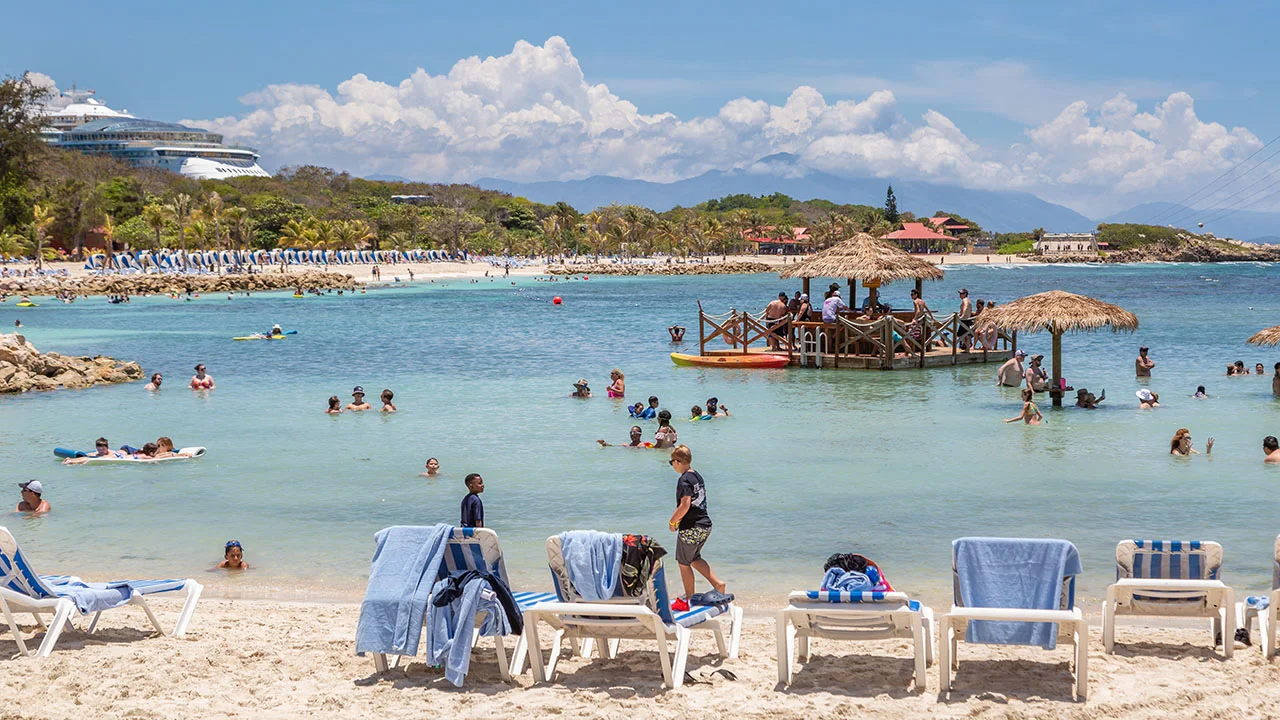
Haïti, the pearl of the Caribbean nestled west of the island of Hispaniola, offers a captivating combination of natural beauty and rich history. For an unforgettable trip, follow these wise tips to plan your stay. b~Prior Research~b Before you begin your trip, immerse yourself in Haïti’s rich culture, fascinating history, delicious cuisine and top attractions. This prior immersion will allow you to make the most of your stay and connect more easily with locals. b~Ideal time to travel~b Haïti’s mild climate throughout the year makes it an attractive tourist destination at any time. Your choice of period will depend on your preferences. If you’re passionate about cultural festivities, don’t miss the Haïtian Carnival in February, a vibrant celebration leading up to Lent. For lovers of paradise beaches like Labadee, La Côte des Arcadins, and others, summer offers a perfect mix of sun and fun times in crystal clear waters. If spirituality appeals to you, August 15 marks the Feast of the Assumption, a religious celebration marking the Virgin Mary’s ascension into heaven. And also November 1st and 2nd are dedicated to the Day of the Dead. Families go to the cemetery to honor and decorate the graves of their deceased loved ones, creating an atmosphere steeped in memory and tradition. History buffs may choose to visit on national holidays such as National Independence Day on January 1, Flag Day on May 18, and other significant events. b~Choice of Accommodation~b Haïti offers a range of accommodation options, from luxury hotels to family-friendly B&Bs. Adapt your choice according to your budget and preferences, favoring local accommodation for a more authentic experience. b~Unmissable Tourist Sites~b Among the gems to explore, discover the majestic Citadelle Laferrière, listed as a UNESCO world heritage site, the Sans Souci Palace, the La Visite National Park, the Milot Cathedral, Fort Jacques, the Heroes of Vertières, the Bassin Bleu , the Saut-Mathurine Waterfall, the Marie-Jeanne Cave, Kenscoff and Furcy, as well as the Saut d’Eau Waterfall. Also explore the artistic wealth of Haïti through its artisan markets. b~Taste Local Cuisine~b Haïtian cuisine is a symphony of exotic flavors. Be sure to sample local dishes such as griot and pea-sticky rice at local markets for an authentic culinary experience. b~Local Culture~b Haïtian culture, influenced by a rich history, is diverse and vibrant. Respect local customs, be open-minded and willing to learn. The warmth and hospitality of the Haïtians add a unique dimension to your experience. b~Means of Transport~b Opt for modern means of land transport such as Capital Coach Line, Transport Chic, Sans-Souci Tours, Le Transporteur, Grand Nord. For aerial explorers, easily book your flight with Sunrise Airways. Car rental is also an option for those looking for a more private experience. b~Language and Communication~b Although Haïtian Creole is the main language, French is also widely used. Learn a few basic phrases in Creole to facilitate exchanges and enrich your experience. By meticulously planning your trip to Haïti, you open yourself up to discovering the natural beauty, cultural richness, and warm hospitality of this Caribbean gem. Get ready to experience a unique and memorable adventure in Haïti.
Haiti, often nicknamed "the Pearl of the Antilles", is a Caribbean island nation that shines with its cultural wealth. This richness is the result of a unique blend of African, French, Spanish and indigenous influences, shaped by a tumultuous history and remarkable resilience. Let’s explore together the varied facets of this vibrant and profound culture.
Hey Generation Z, I know what you’re thinking: another weird dish? But trust me, even if it doesn’t look like much, millet is amazing! At first, you might cringe, but once you taste it, you’ll be asking for more. So, are you ready to embark on this culinary adventure?
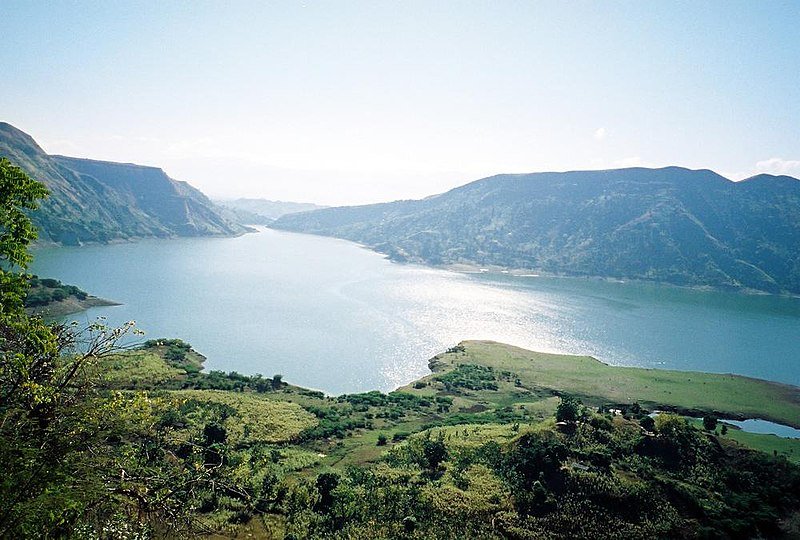
Haiti’s largest river is called the Artibonite. This majestic waterway, which crosses the country from one end to the other, is a key element in the geography, economy and daily life of Haitians. With its crucial role in agriculture, its historical importance and its impact on the local ecosystem, the Artibonite deserves special attention. This article explores the many facets of this iconic river.
Haiti, an independent republic since 1804, is a country located in the Caribbean, precisely in the Gulf of Mexico. Occupying the eastern part of an island that it shares with the Dominican Republic, it extends over an area of 27,750 square kilometers. Famous for its tropical climate and tourist attractions such as Labadie, Cocoyer Beach, the Citadel and the Sans Souci Palace, the country attracts visitors from all over the world. Its diverse landscape includes impressive mountainous terrain as well as coastal plains which play an important role in its economy. Among its natural attractions are the majestic Massif de la Selle and inland fishing areas such as Lake Azuei. Despite its natural wealth, Haïti faces major economic challenges, including deforestation and land degradation, which hamper its sustainable development.
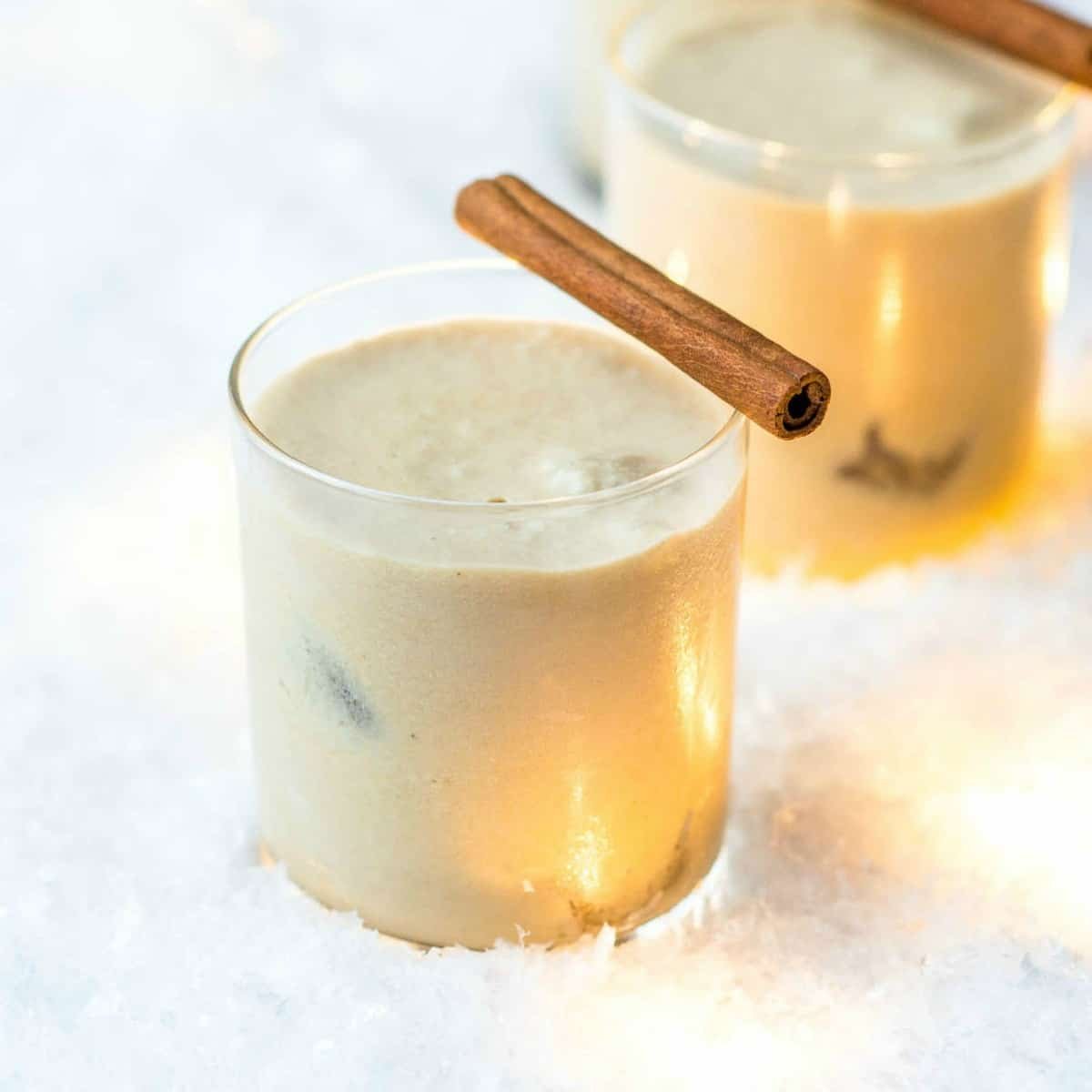
Haitian cuisine is a true invitation to pleasure, and its desserts are no exception. Whether sweet, spicy or fruity, these delicacies offer a tasty glimpse into the country’s culinary traditions. Discover seven must-try Haitian desserts that will satisfy your palate and awaken your sweet tooth.
The "love language" is a concept developed by Gary Chapman, which describes the different ways in which people express and receive love. There are five main love languages, including Gifts and Acts of Service. If you recognize yourself in these languages, here are the Top 5 Haitian dishes perfect for Valentine’s Day. Get ready to treat your partner on a special night!
Haitiwonderland is a media that specializes in promoting Haïti across the web. Made up of young patriots passionate about writing, this media advocates the hidden side of Haiti, adding a completely different story coming from the country alongside the one told repeatedly and on purpose by the numerous international media.
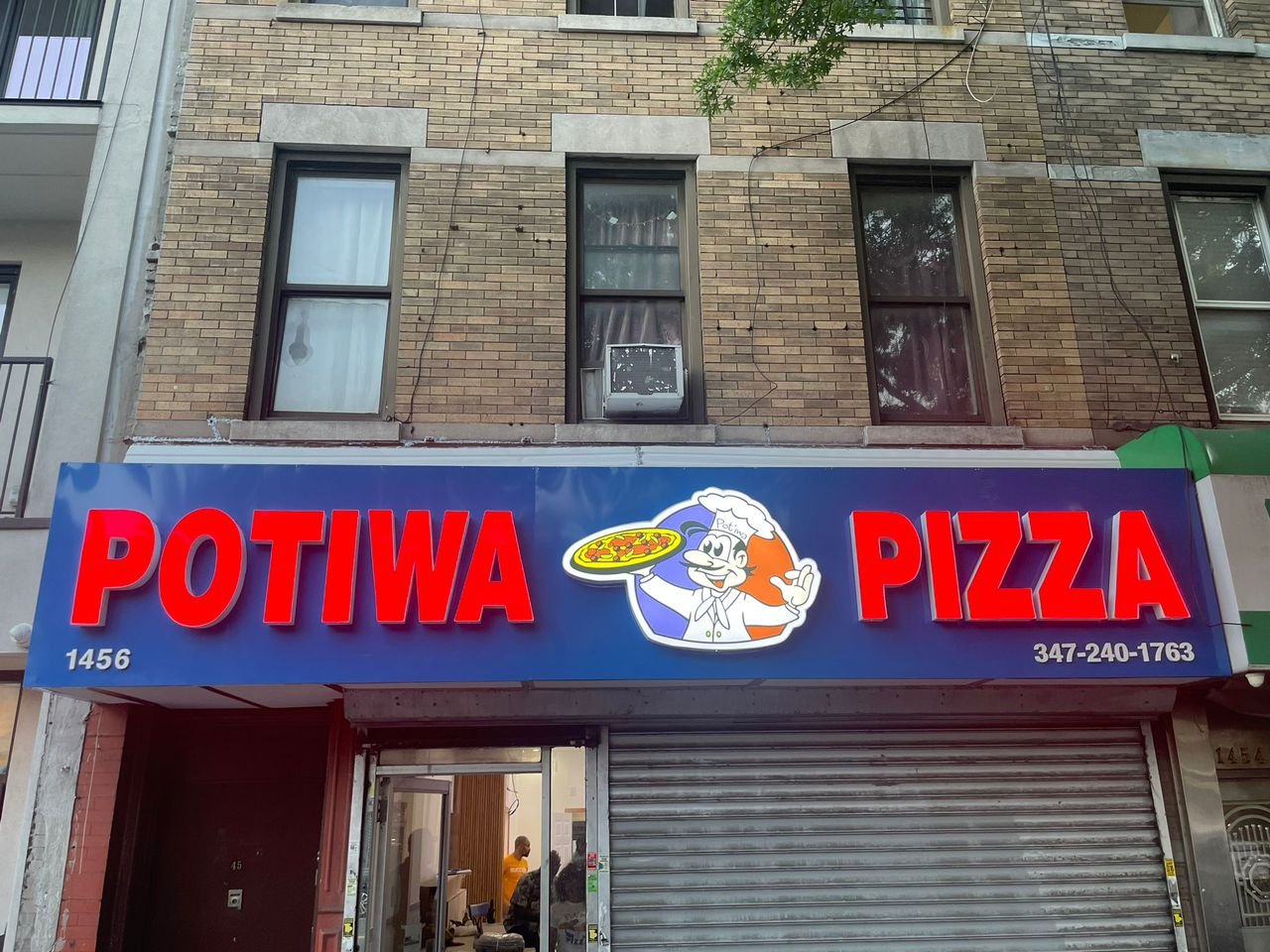
Pot’iwa Pizza, a Haitian company renowned for its pizzas with authentic Haitian flavors, continues to expand its international footprint with the imminent opening of its fifth restaurant, located in Brooklyn, New York. This new opening marks an important step in the growth of Pot’iwa Pizza and demonstrates its undeniable success since its creation.
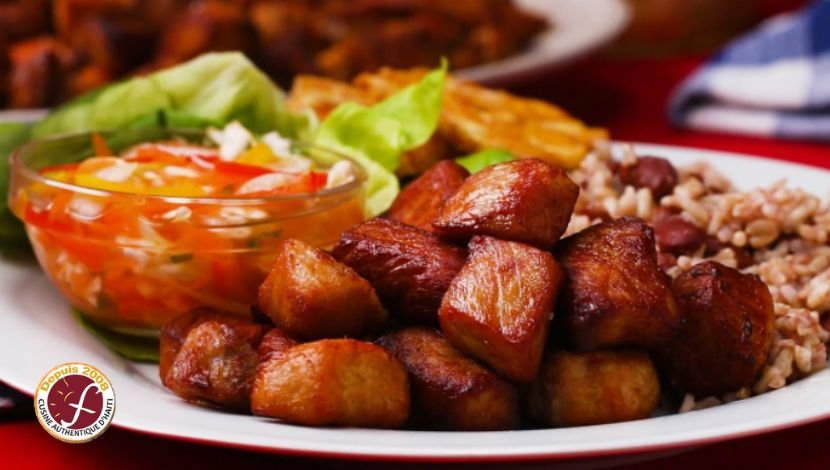
Haitian cuisine is full of flavors, colors, and aromas that reflect the country’s history and cultural diversity. Among the most iconic dishes, "Diri sòs pwa ak legim" (rice, pea sauce, and vegetables) stands out as a true culinary treasure. This dish is much more than just a meal: it symbolizes the sharing, tradition, and creativity of Haitians. In this article, let’s discover why this dish is so popular and what makes it an icon of Haitian gastronomy.

First black nation to free itself from slavery and gain independence from France in 1804 and influenced other liberation movements around the world, inspiring struggles for freedom and equality.

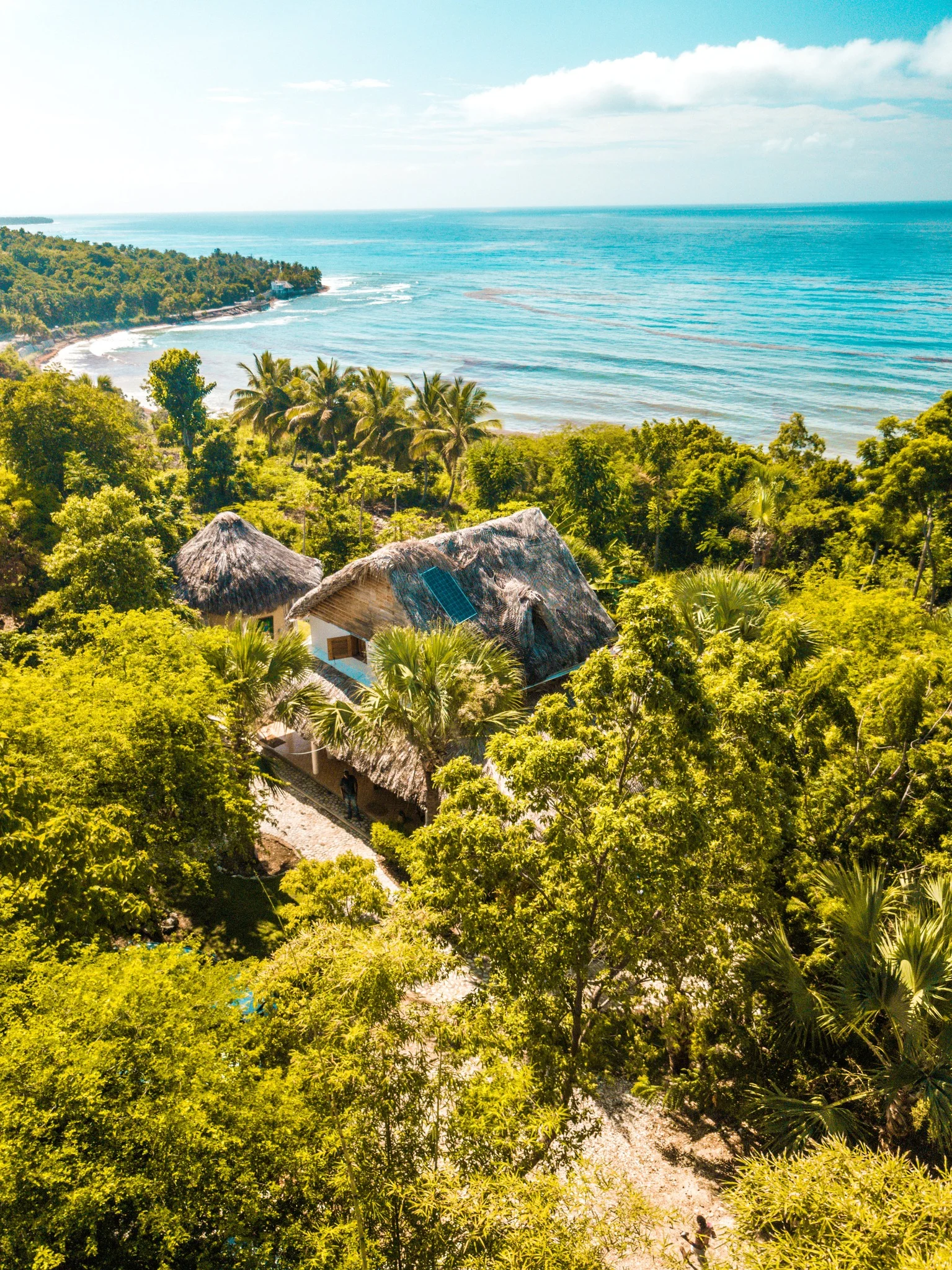
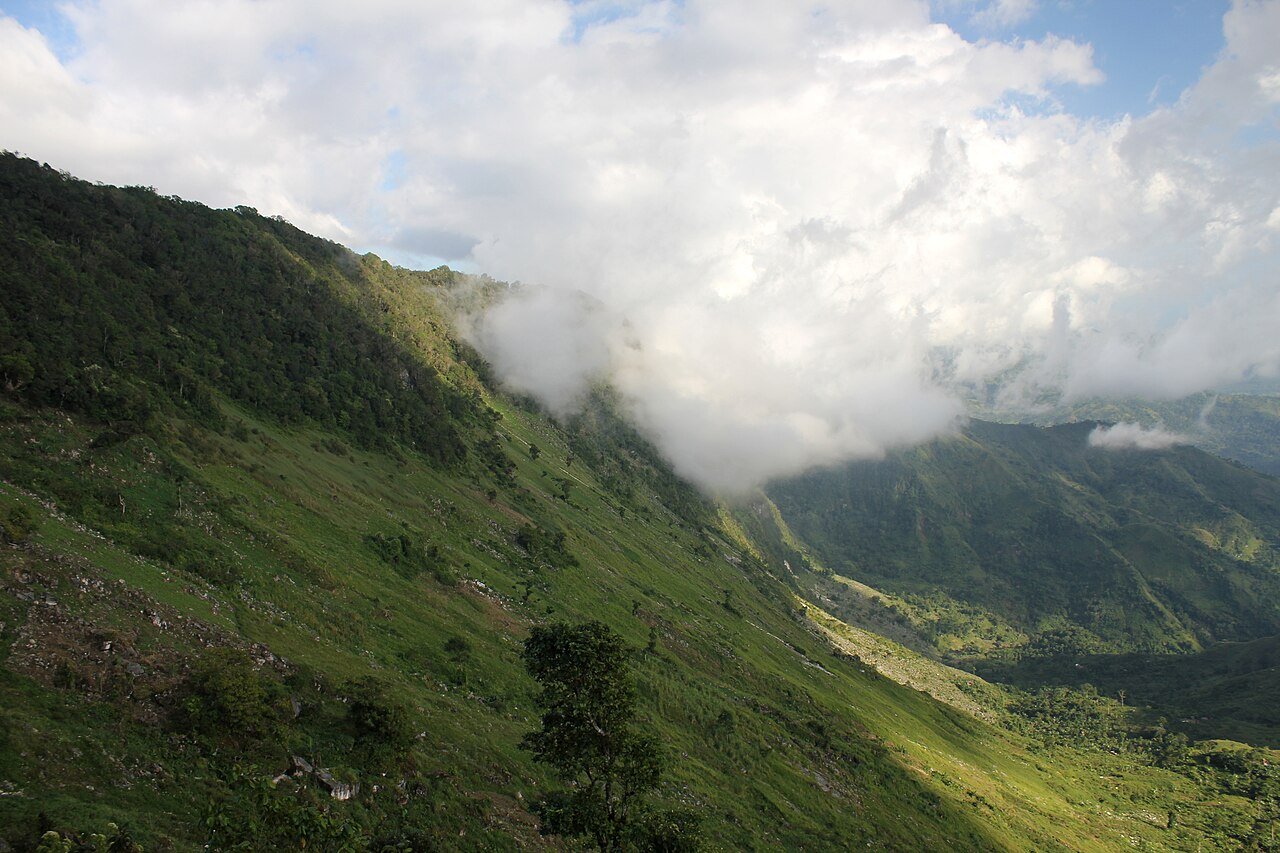
Haïti is blessed with spectacular natural landscapes, including white sand beaches, mountains and rich biodiversity.

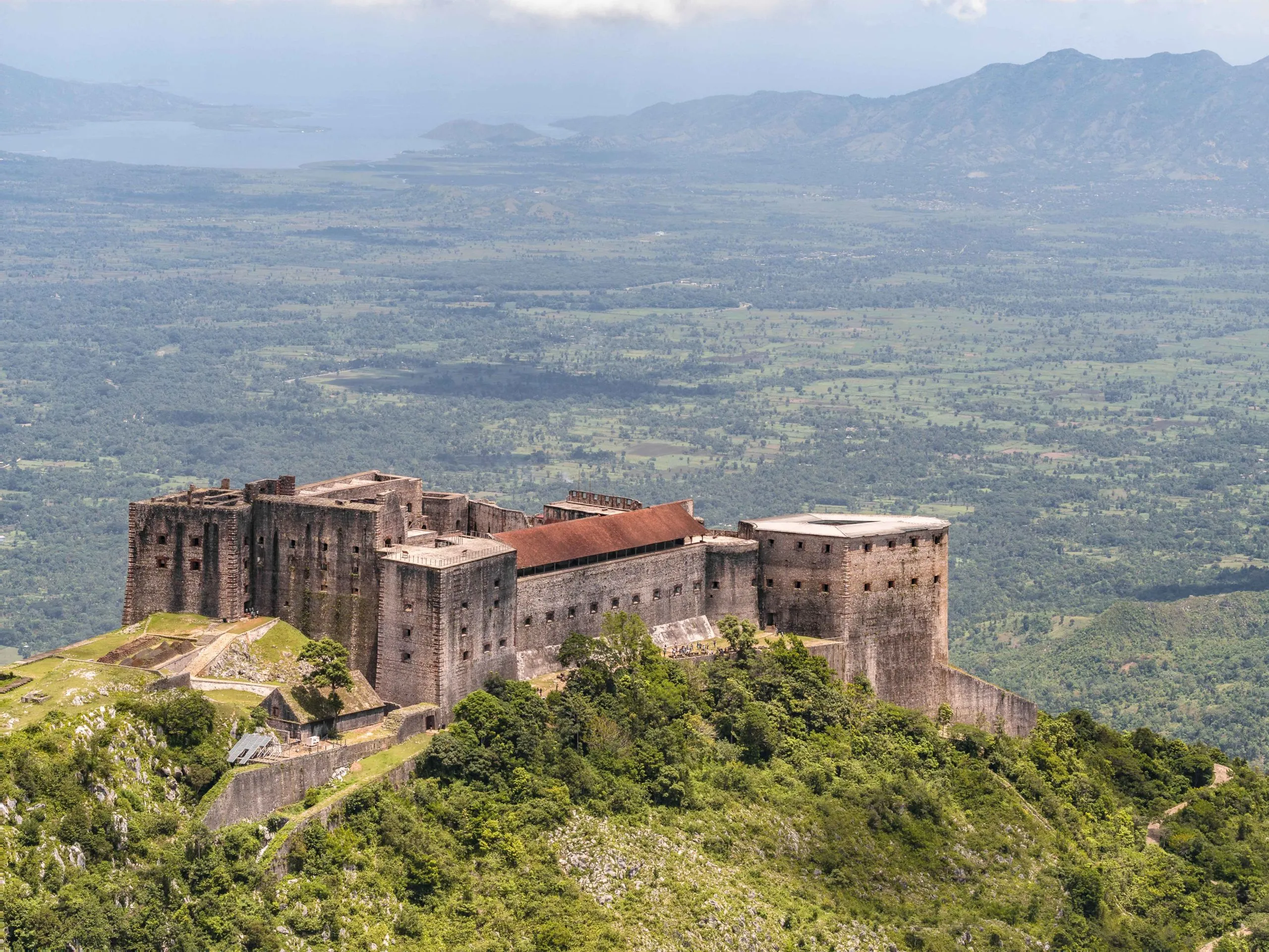
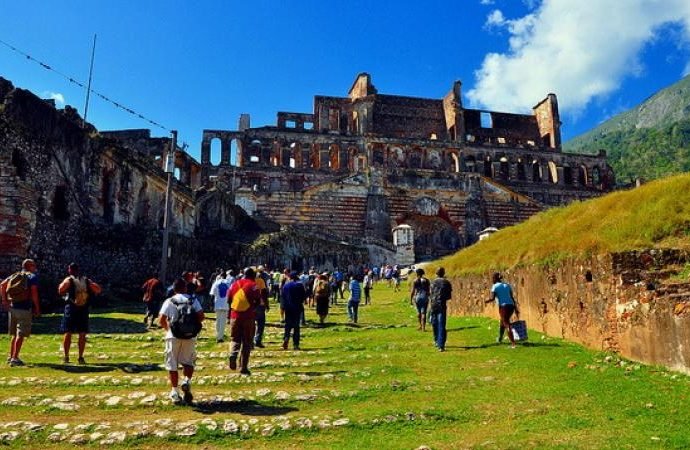
Haïti has a rich historical heritage, including sites like the Citadelle Laferrière and the Sans-Souci Palace, listed as UNESCO World Heritage Sites.

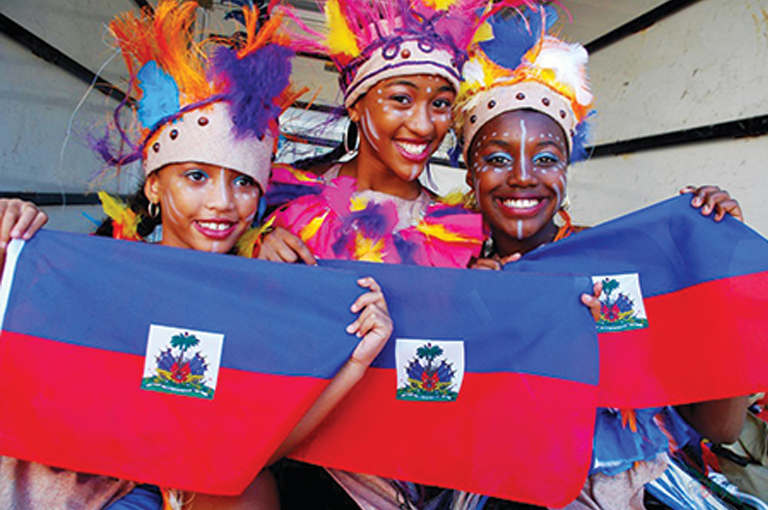
Haïti has a rich and diverse culture, influenced by African, European and indigenous elements. Haitian music, dance, art and cuisine are celebrated around the world.