What does October 17th represent for Haiti?
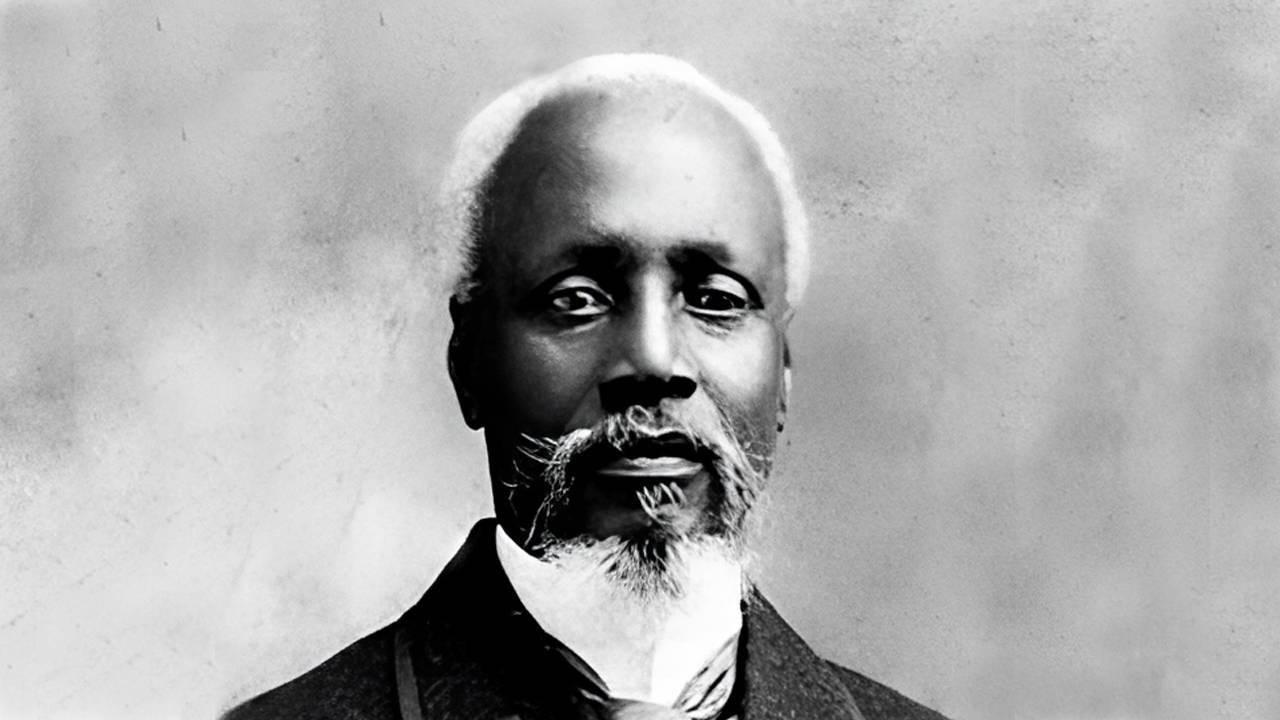
Why is October 17th etched in the hearts of Haitians? The brutal assassination of Jean-Jacques Dessalines reveals the dark secrets of the young republic. The story you need to know.

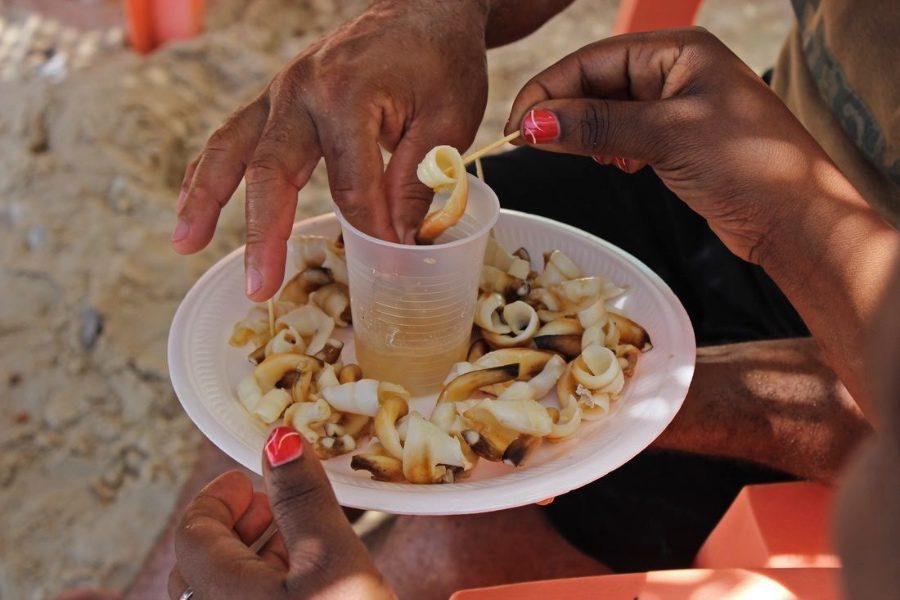
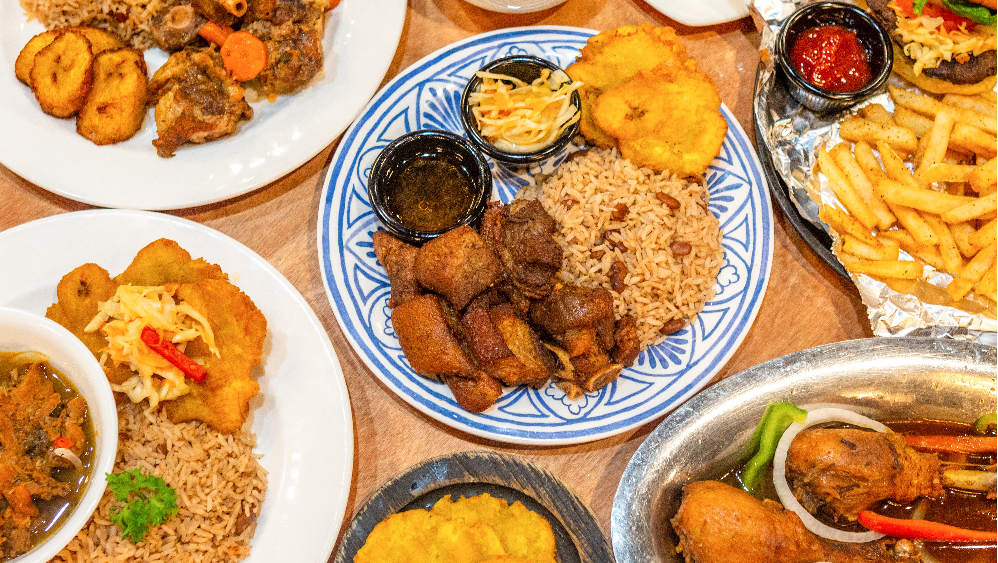
The "love language" is a concept developed by Gary Chapman, which describes the different ways in which people express and receive love. There are five main love languages, including Gifts and Acts of Service. If you recognize yourself in these languages, here are the Top 5 Haitian dishes perfect for Valentine’s Day. Get ready to treat your partner on a special night!
Haiti, with its spectacular landscapes and rich culture, is home to a vibrant and diverse population. Haiti’s demographics are a key aspect in understanding the economic, social, and cultural development of this unique country. Discover the current numbers and trends shaping Haiti’s population.
The history of Haïti and France is a complex and tumultuous saga, marked by conflict, struggles for freedom, and lasting impacts on both nations. This story begins in the 17th century and continues to resonate in contemporary relations between the two countries. This article explores the key moments of this historic relationship, highlighting the sacrifices, struggles, and economic issues that defined it.
Christmas in Haïti is much more than just a Christian holiday: it is an opportunity to celebrate solidarity, generosity, and unity within families and communities. Haitians embrace this time as a time to gather, share, and reflect on the essential values of humanity. This article explores how Christmas in Haïti embodies these values of sharing and generosity through unique traditions, acts of solidarity, and festive meals.
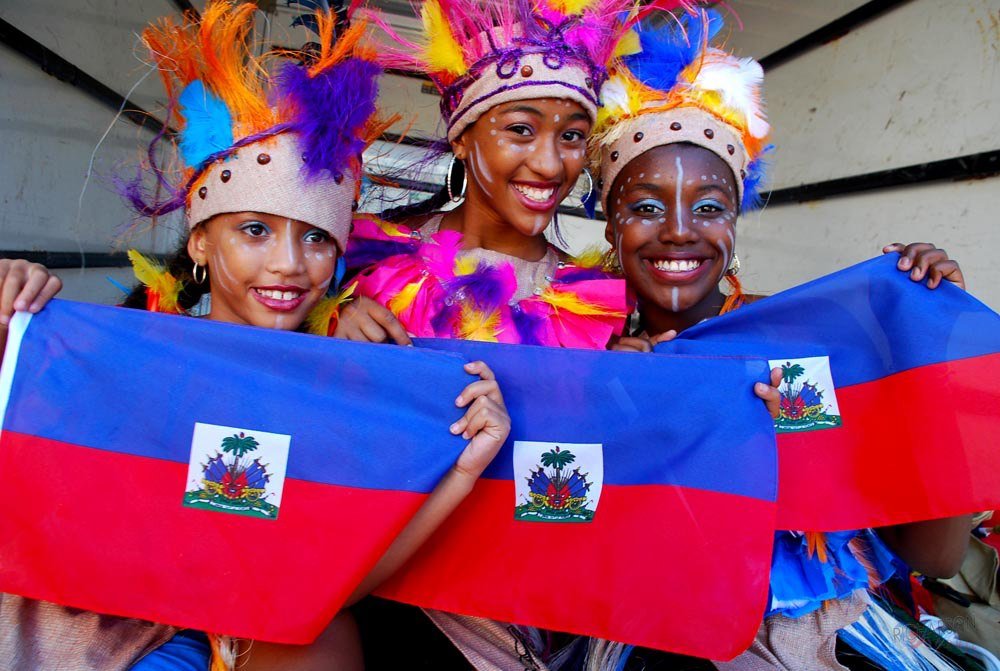
On May 18, Haïti celebrates "Flag Day", a public holiday marking the creation of the Haitian flag in 1803. Displayed for the first time in Arcahaie by Jean-Jacques Dessalines, this national symbol results from the fight for independence against slavery and French domination. Established in 1926 by Timothée Paret, then Minister of Justice under the presidency of Louis Borno, this celebration took on a particular dimension in the midst of American occupation and remains as a tradition. Haitians honor this day with school parades, musical groups in the streets and patriotic songs, recalling the union and solidarity of ancestors. The “Flag Festival” is an opportunity to reflect on the values of freedom and determination which continue to forge the Haitian national identity.
In the digital panorama of Haiti, Guy Alain Appolon stands out as an essential figure, particularly in the field of web development. Its name resonates as a reference for quality and innovation. What sets Appolon apart is his ability to merge art and code, an ability forged by his multiple talents, notably as a painter, computer graphic designer and musician, giving him extraordinary creativity.
Le soup joumou haïtien est bien plus qu’un simple plat traditionnel. Il incarne une histoire de résistance, de liberté et de culture, et représente un élément clé de l’identité haïtienne. Au-delà de sa signification symbolique, il offre aussi aux voyageurs un moyen unique de découvrir les richesses de la gastronomie haïtienne. Dans cet article, nous explorerons l’importance historique du soup joumou, ses caractéristiques culinaires, ainsi que son rôle en tant que moteur du tourisme gastronomique en Haïti.
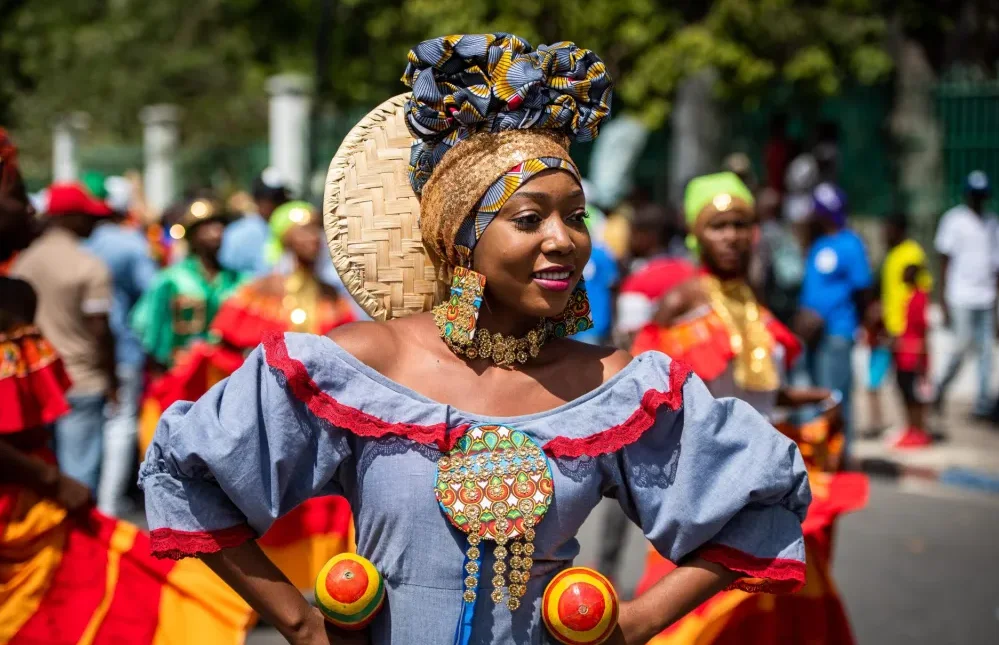
Cultural exploration offers a fascinating window into the richness and diversity of world heritage. Among destinations that captivate with their history, art and unique identity, Haïti stands out as a cultural gem worth discovering. b~Historical heritage:~b The history of Haïti is marked by the resilience of the Haitian people in the face of slavery, colonization and political challenges. It is the first independent state in Latin America and the only one founded by a successful slave revolt. Haiti’s historical heritage is reflected in its art, music, dance and beliefs. b~Art and Crafts:~b Haitian artistic expression is vibrant and powerful. Naive painting, famous for its bright colors and narrative themes, has its roots in Vodou traditions and local folklore. Haitian artists have gained international fame by capturing the mystical spirit and daily life of the country. b~Music, rhythm of the Haitian soul:~b Music is the pulsating soul of Haiti. From direct compass to voodoo to jazz to rasin, each musical genre has a deeply rooted history in Haitian culture. The iconic band, Boukman Eksperyans, fuses traditional rhythms with modern influences, creating a unique sonic experience that transcends boundaries. b~Dance and movements:~b Dance in Haïti is a celebration of life and spirituality. Voodoo dances, such as Yanvalou and Banda, embody sacred rituals while preserving African heritage. The graceful movements and colorful costumes tell stories from Haitian history, creating a deep connection between past and present. b~Spirituality and Voodoo:~b Vodou, often misunderstood, is an essential component of Haitian culture. It is a syncretic religion that combines African, Native American and Catholic elements. Vodou ceremonies, with their intoxicating dances and mystical rituals, are powerful expressions of Haitian spirituality and are rooted in the quest for connection with ancestors and deities. Exploring the Haitian soul means delving into a world where history, art, music and spirituality intertwine to form a unique cultural web. Haiti, with its diversity and resilience, offers an experience rich in emotions and discoveries. Whether through the bustling streets of Port-au-Prince, the vibrant art galleries or the captivating rhythms, every corner of this Caribbean country reveals a captivating facet of its deep and living soul.
January 1 is an emblematic date for Haiti, marking not only the start of the new year but above all the commemoration of the country’s independence. In 1804, after a fierce struggle against French colonial rule, Haïti became the world’s first independent black republic. This day is celebrated with pride and fervor across the country, combining tradition, history and culture.
Nestled in the heart of the Caribbean Sea, Haïti is known not only for its rich cultural and historical heritage, but also for its pleasant tropical climate which makes it a popular destination for tourists and nature lovers. Located in the Greater Antilles, Haïti shares the island of Hispaniola with the Dominican Republic and benefits from a climate that profoundly influences daily life, the economy and the biodiversity of the country.
Sandra Dessalines is a self-taught Haitian painter, sculptor, and visual artist. She was born in Port-au-Prince but grew up in the commune of Carrefour. Today, she is an ambassador who brings Haitian culture to life through her art all over the world, particularly in France, where she has lived for more than a decade. An Honorable Journey Sandra Dessalines trained as an agricultural engineer at Quisqueya University in Port-au-Prince and continued her studies at INSA in Toulouse, France. Her official entry into the world of art came after the devastating earthquake that ravaged her homeland, Haiti, on January 12, 2010. This event pushed her towards art, allowing her to reach the level she occupies today. In terms of recognition, Sandra Dessalines has made a name for herself, with her original style, inspired by her native Haiti, gaining increasing recognition from major event organizers in Paris. In October 2024, she even received the public prize at Lmh Concept Events Art and Design for their 10th anniversary in Paris. This award perfectly reflects the originality of her work and her ability to touch people’s hearts through her creation.
Haïti is much more than a Caribbean island. It is a country rich in history, culture, gastronomy, and nature. Behind the challenges it has faced, Haïti shines with its unique heritage and major historical role. Here are seven fascinating facts that show why Haïti is a land of pride.
Haiti’s independence, proclaimed on January 1, 1804, marked a major turning point in world history. As the first independent black republic, Haïti laid the foundation for an exceptional legacy, forged through the struggle for freedom, dignity, and equality. This legacy extends far beyond the borders of this island nation, influencing generations and inspiring movements around the world.

First black nation to free itself from slavery and gain independence from France in 1804 and influenced other liberation movements around the world, inspiring struggles for freedom and equality.

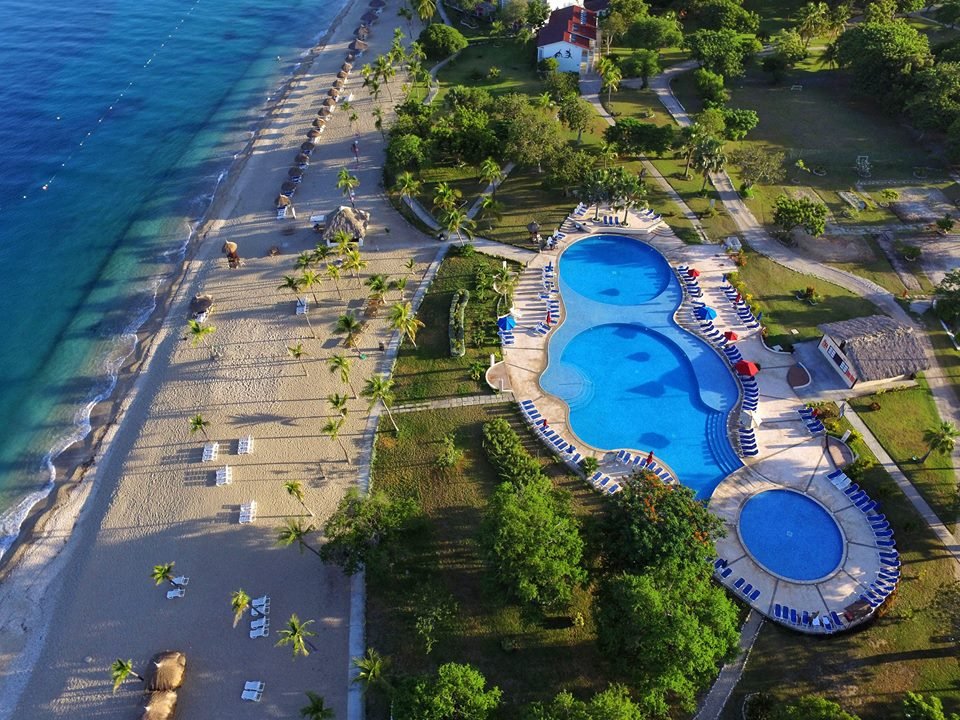
Haïti is blessed with spectacular natural landscapes, including white sand beaches, mountains and rich biodiversity.

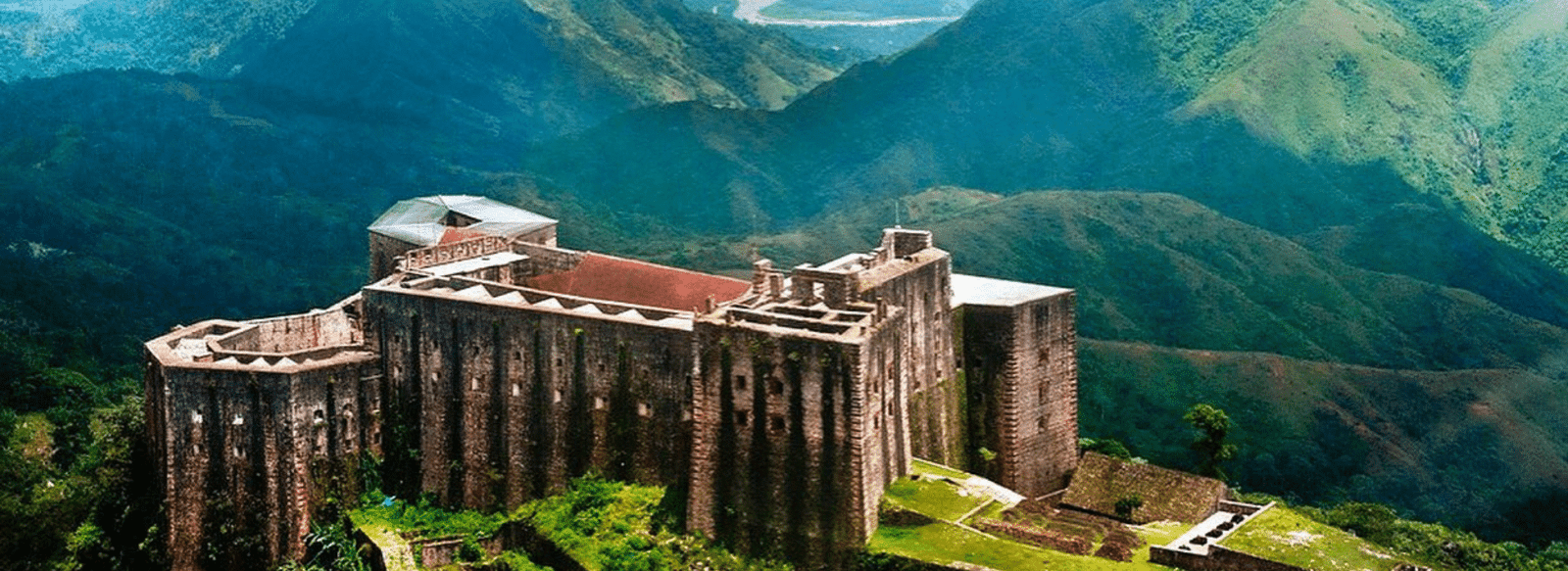
Haïti has a rich historical heritage, including sites like the Citadelle Laferrière and the Sans-Souci Palace, listed as UNESCO World Heritage Sites.

Haïti has a rich and diverse culture, influenced by African, European and indigenous elements. Haitian music, dance, art and cuisine are celebrated around the world.