



Cap-Haïtien: 70 Schoolchildren Learn Programming Thanks to Coding Club Haiti
From Python to JavaScript: How 70 young people from Cap-Haïtien are becoming Haiti's future developers with the NUMECO program.
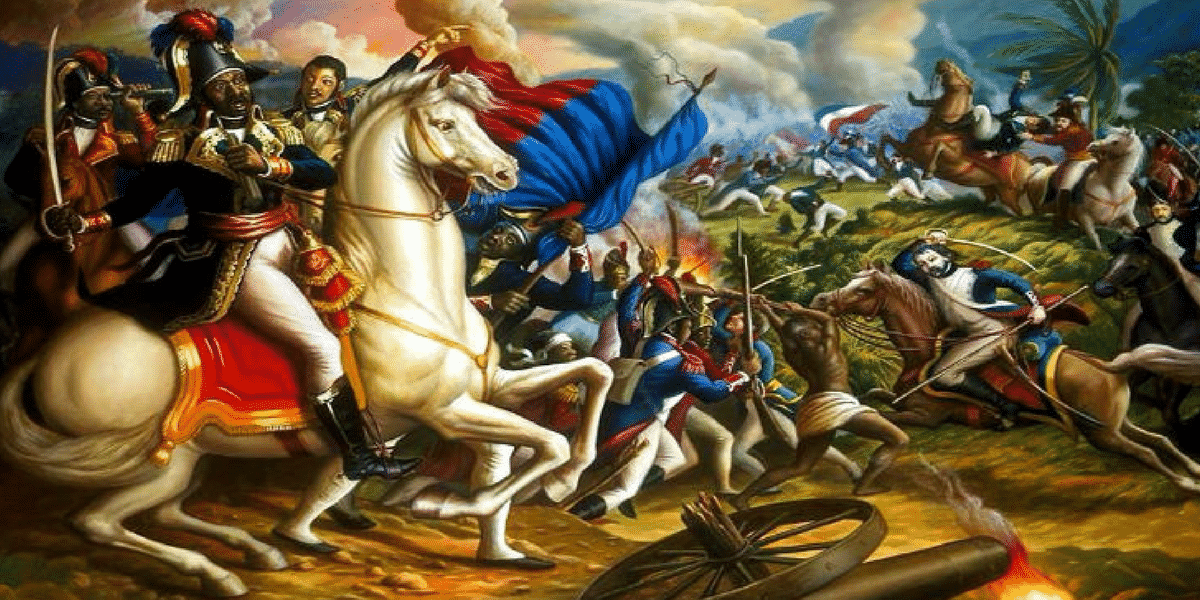
Every year, on November 18, Haïti celebrates one of the most significant events in its history: the Battle of Vertières. This date, a symbol of courage and determination, recalls the decisive victory of Haitian troops over French colonial forces in 1803, thus paving the way for the independence of Haiti, proclaimed on January 1, 1804.
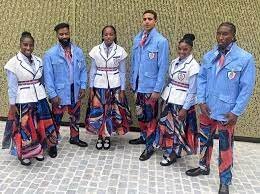
The Paris 2024 Olympic Games mark a time of pride and hope for Haiti, a nation rich in culture and resilience. This year, Haïti is represented by an exceptional team of athletes, each bringing their talent, determination, and dreams of victory on the world stage. Here’s a look at the stars lighting up our Olympic horizon.
Haiti, the pearl of the Antilles, is a country rich in history and traditions. Its vibrant and diverse culture is reflected through its national holidays, cultural festivities, traditional foods, religious beliefs, folk tales, and traditional games. Let’s immerse ourselves in the social fabric of Haïti to discover the beauty of its traditions. b~National Holidays:~b National holidays in Haïti are moments of pride and national unity as January 1, Independence Day, commemorates the victory of Haitian slaves over French colonial forces in 1804, making Haïti the first independent country in Haiti. Latin America and the Caribbean or the commemoration of the Battle of Vertières on November 18. The Battle of Vertières was one of the last great battles of the revolution. It took place in Vertières, near the town of Cap-Haitien. b~Cultural Festivities:~b Haïti is also famous for its cultural festivities, particularly Carnival, which is an explosion of color, dance, and music. Artistic and craft events, such as the Rara festival, are an opportunity for artists to showcase their talent. The Rara, a musical parade, combines folklore and spirituality, creating a unique experience. b~Traditional Foods:~b Haitian cuisine is a delight for the taste buds. Dishes like griot (fried pork), diri djon djon (rice with black mushrooms), and the legendary joumou (joumou soup) are an integral part of Haitian culinary tradition. Bold flavors, spices and cooking methods inherited from African and French tradition make Haitian cuisine unforgettable. b~Vodou:~b Vodou, often misunderstood, is a synchretic religion that incorporates elements of Catholicism, African animism, and indigenous beliefs. It plays a significant role in the daily lives of Haitians, influencing music, dance, and religious rites. Vodou is a profound expression of Haitian spirituality. The Tales (Krik Krak, Tim Tim, Bwa Sèch): Haitian folk tales, passed down from generation to generation, are rich in morality and wisdom. b~Konbit :~b The concept of Konbit represents community solidarity. Haitians come together to perform community tasks, whether in agricultural fields or for construction projects. It is a living example of the collective spirit that permeates Haitian society. The most recent major project to date concerns the construction of the canal from the Massacre River to Ouanaminthe, which took place between September and December 2023. Thousands of inhabitants of the north of the country mobilized all their forces to erect a canal allowing to collect water intended for irrigation of their plantations, with the aim of obtaining better harvests. Despite their modest means, they were motivated by the slogan "KPK" (Kanal la pap kanpe), a direct response to Dominican President Luis Abinader who warned them and did everything in his power to stop the construction of the canal. This channel represents the deep solidarity of Haitians and reaffirms national pride. Despite economic challenges, the people of northern Haïti have demonstrated exceptional determination to work together for a common goal. The slogan “Kanal la pap kanpe” embodies their resilience in the face of external pressures and demonstrates their unwavering will to continue the construction of the canal. b~Traditional Games:~b Traditional games are an essential part of daily life in Haiti. Games like lido, sote kòd, Yoyo, Ralba, Marèl, TiTaTo, Kay, lago kache, Monte kap, teke mab, woule sèk, twa fwa se manbo, and domino bring people together, promoting camaraderie and fun. Haitian traditions are a harmonious blend of spirituality, community, and cultural diversity. Every aspect, from national holidays to traditional games, helps weave the rich cultural tapestry that makes Haïti proud. These traditions are the beating heart of the nation, a precious heritage that continues to be passed down from generation to generation.
Haiti, a Caribbean island located in the Greater Antilles archipelago, has a cultural and historical heritage of unparalleled richness. From its picturesque beaches to its majestic mountains and historic monuments, the country bears witness to centuries of complex and fascinating history. This article explores some of Haiti’s most significant heritage and historical sites.
Haiti, the pearl of the Caribbean, offers a unique experience for travelers in search of authenticity, natural beauty and cultural discoveries. Contrary to popular belief, this country is full of unsuspected treasures that promise lasting memories. Here’s why a trip to Haïti is much more than a simple getaway: it’s an immersion in an incomparable cultural and natural wealth.
In Haiti, Christmas is a magical time for children, where traditions and festivities blend to create unforgettable memories. Two dates, in particular, mark this season: December 24, Christmas Eve, and December 31, which heralds the New Year. These moments are rich in activities and emotions, putting the youngest at the heart of the celebrations. This article explores why these two days are so special for children in Haiti.
Haiti has two mottos: "Unity is Strength" on its coat of arms and "Liberty-Equality-Fraternity" in its 1987 Constitution. Find out which one is official.
Melchie Daëlle Dumornay is a professional Haitian footballer who plays in the first division of the French women’s league. She was born in Haiti, in a mid-sized town called Mirebalais, on August 17, 2003. At just 21 years old, she has become the only Haitian personality, regardless of gender or category, to be nominated among the 30 candidates for the prestigious individual award that is the France Football Ballon d’Or. Indeed, the 21-year-old finds herself — unsurprisingly — on the shortlist for the 2025 Ballon d’Or, alongside some of the biggest names in world football, after an exceptional season both individually — scoring 24 goals and providing 10 assists in just 31 matches — and collectively. She reached the semi-finals of the UEFA Women’s Champions League (where she was named best player of the 2024-2025 season) and won the French league title with her Lyon teammates.
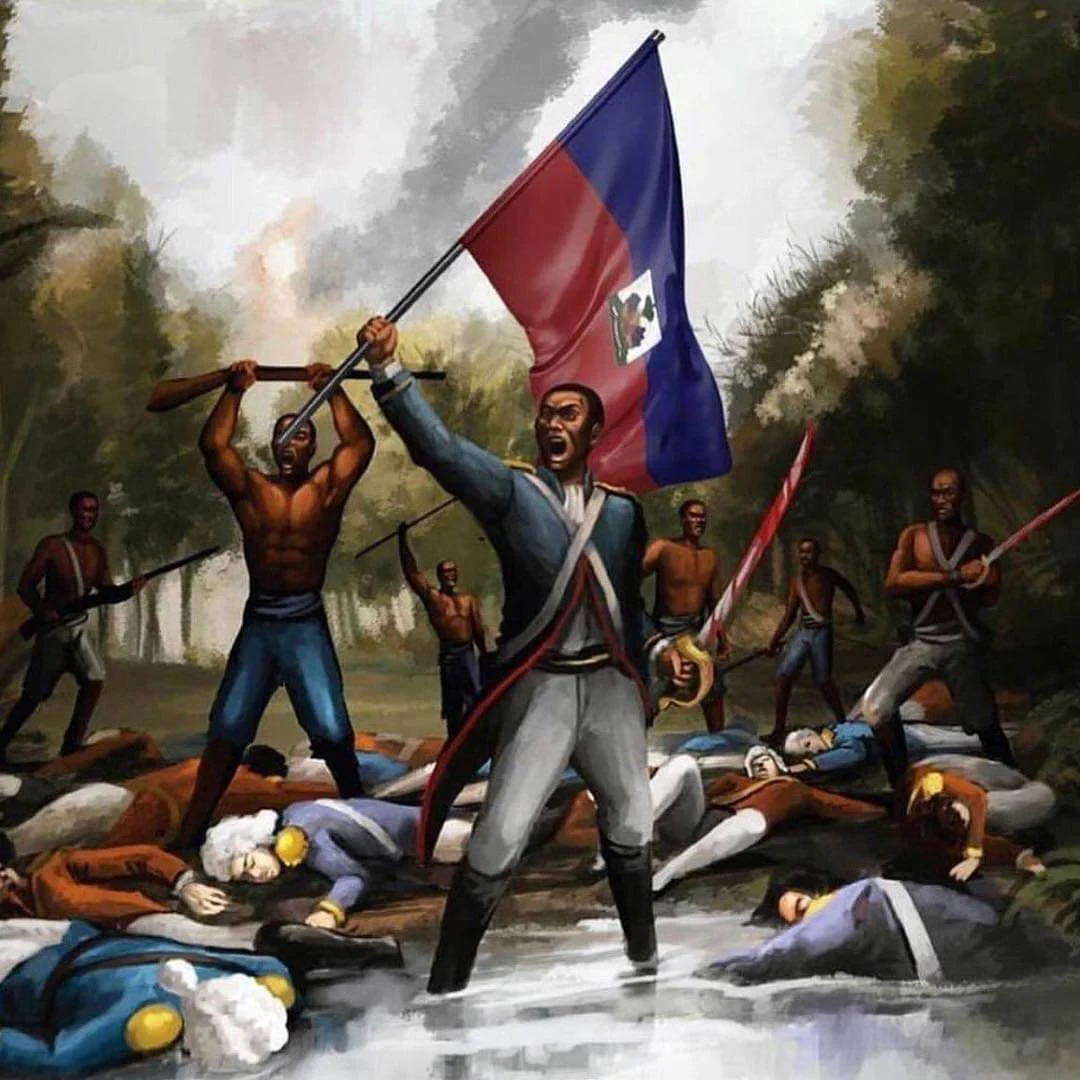
Several centuries ago, in the heart of the Atlantic Ocean, an island of captivating beauty and incredible wealth, called Hispaniola, attracted the attention of the world’s powerful. Discovered by Christopher Columbus in 1492, the island became the center of covetousness. But the colonial powers did not yet know that the island concealed within it an indomitable people. The Tainos, the first inhabitants, resisted the invader with the spirit of freedom. They were crushed, but their untamed spirits persisted in the wind, in the earth, and, much later, in the dreams of the African slaves who would come. Centuries pass and, under the merciless yoke of the French colonists, the island is transformed into a vast field of sugar cane, cultivated by the hands of slaves from Africa. These men and women, deported against their will, carry within them the hope of one day freeing themselves, of breaking the chains of oppression. And it is this dream, this sacred fire, which will burst forth in a revolt so great that it will mark the history of the world forever.
The Southeast region of Haïti is a true treasure trove of landscapes and culture, where the cities of Jacmel and Cayes-Jacmel occupy a central place. Although they are geographically close and share many similarities, these two cities have distinct characteristics that make them unique. Discover in this article the main differences between Jacmel and Cayes-Jacmel, two must-see destinations to explore during your stay in Haiti.
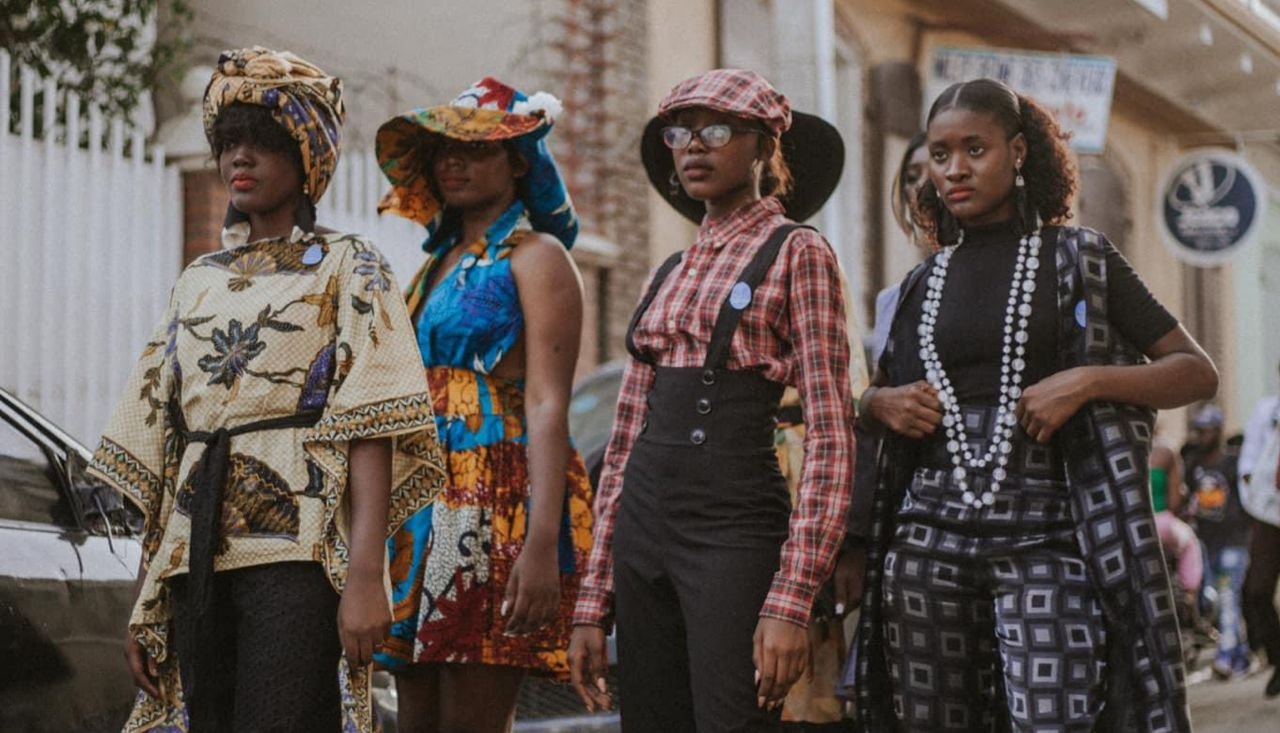
To mark the 345th anniversary of Cap-Haïtien, Okap Fashion Men is organizing an exceptional event: a fashion day dedicated to the 50s. This unique event immerses participants in the elegance of a bygone era, where sophistication and refinement were at the heart of fashion.
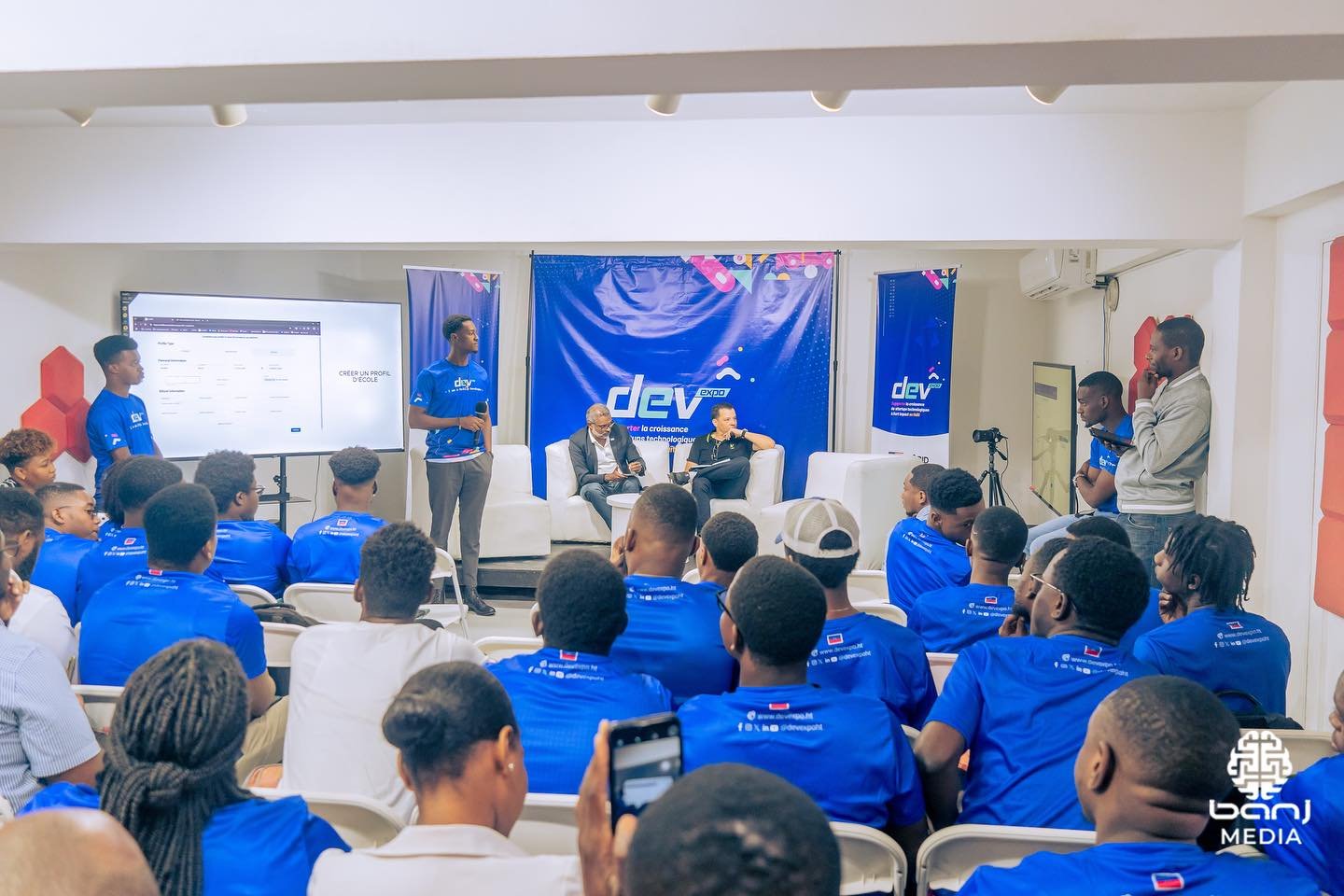
After two years of absence, Dev Expo made its big comeback in 2024, bringing a breath of enthusiasm and optimism to the Haitian tech community. This long-awaited event was officially announced on August 20, 2024 by Marc Alain Boucicault, CEO of Banj, triggering excitement in the tech community. Since the last edition, held in 2021, the following years had been marked by the cancellation of this flagship event due to the instability that reigned in the country. However, despite the many challenges still present, the organizers chose to take up the challenge of organizing this edition, demonstrating the resilience and commitment of the Haitian tech community.
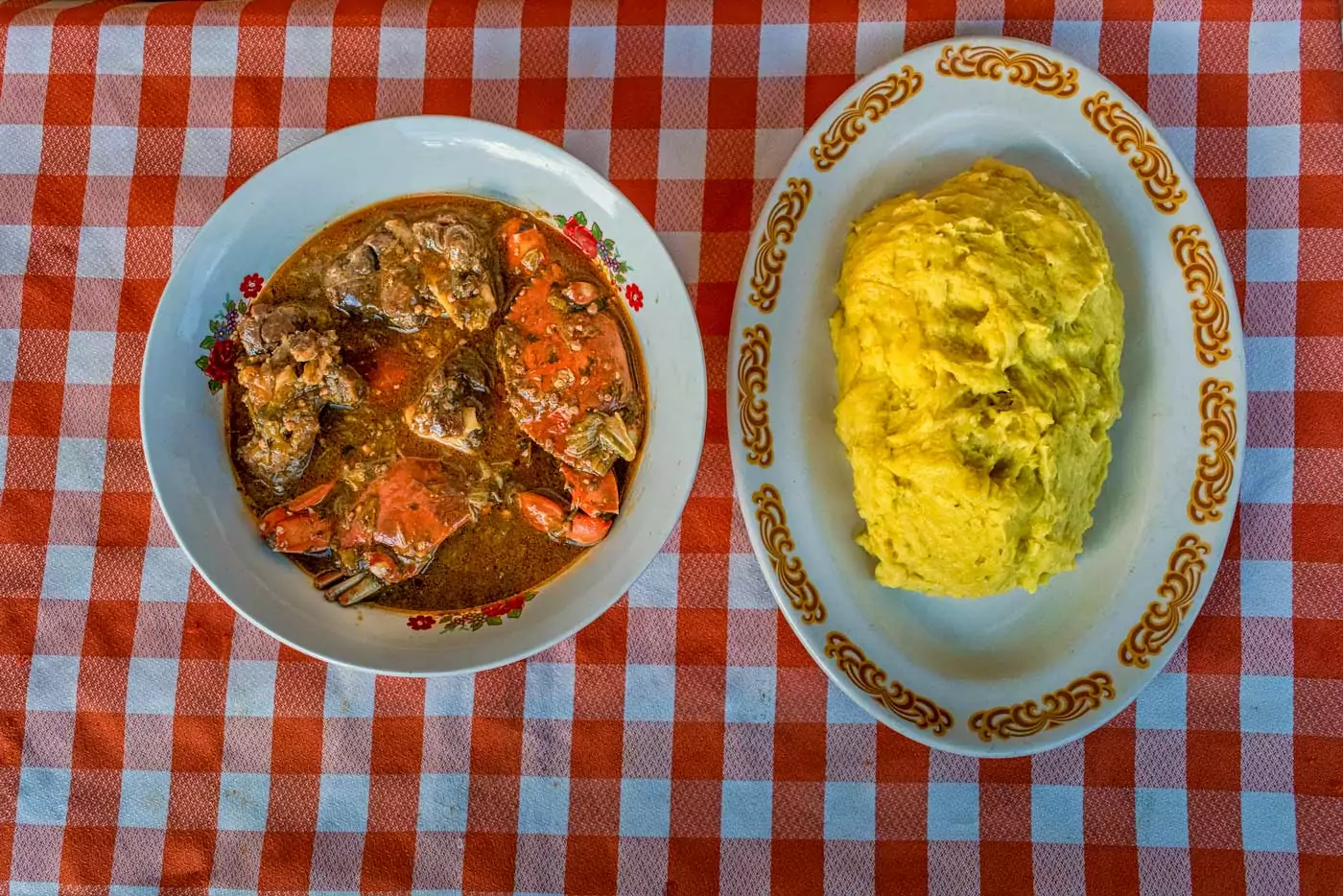
Haitian and African cuisine are gastronomic treasures that highlight local ingredients and preparation techniques passed down through generations. Among the most popular dishes of both cuisines, Haitian Tonmtonm and African Foutou (or Fufu) are distinguished by their rich flavors and unique textures. These two dishes, although they share a similar foundation - the use of local products such as cassava or plantain - have interesting differences, especially in their preparation, taste and accompaniment.
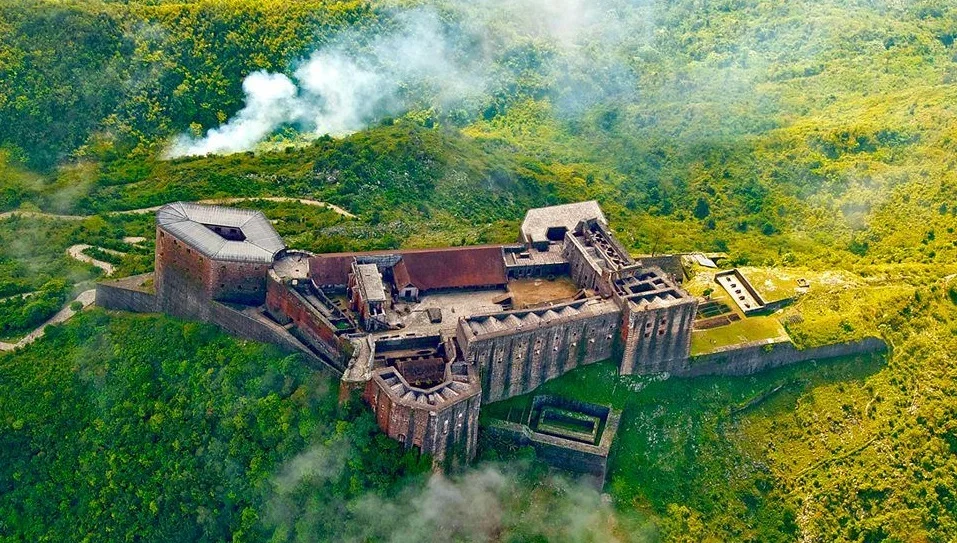
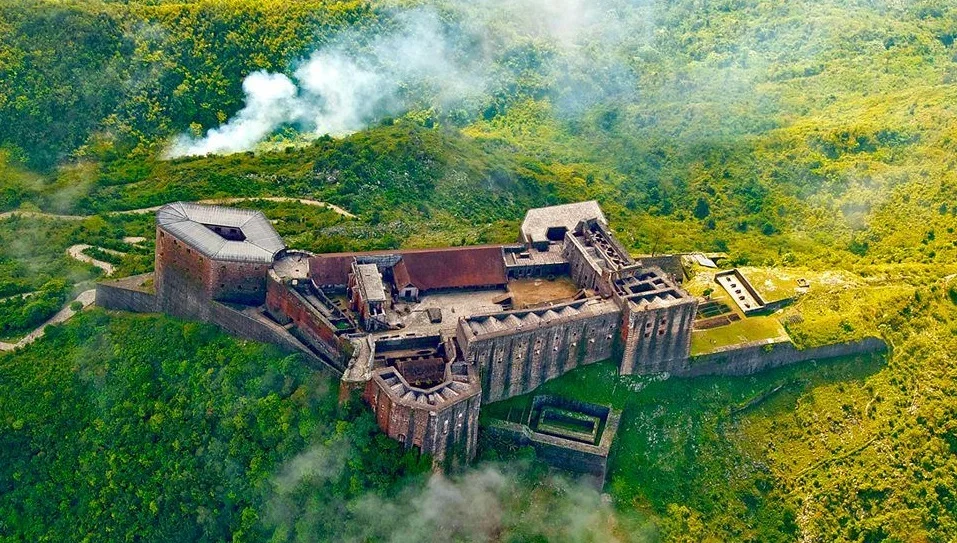
Among the world’s architectural and historical treasures, the Citadelle Laferrière, perched high in the north of Haiti, occupies a unique place. Dubbed by some the “Eighth Wonder of the World,” this colossal fortress is much more than a feat of engineering: it is a powerful symbol of freedom, resilience, and national pride. Discover why this impressive site continues to captivate visitors from around the world and deserves this honorary distinction.

First black nation to free itself from slavery and gain independence from France in 1804 and influenced other liberation movements around the world, inspiring struggles for freedom and equality.

Haïti is blessed with spectacular natural landscapes, including white sand beaches, mountains and rich biodiversity.

Haïti has a rich historical heritage, including sites like the Citadelle Laferrière and the Sans-Souci Palace, listed as UNESCO World Heritage Sites.

Haïti has a rich and diverse culture, influenced by African, European and indigenous elements. Haitian music, dance, art and cuisine are celebrated around the world.