contact@haitiwonderland.com+509 36184317

Discover

Shopping Cart

Haiti
Haiti
Haiti
Haiti

Haiti

Haiti, a majestic Caribbean island, seduces with its landscapes, vibrant culture, and a fascinating history of struggle for independence. In this comprehensive article, discover everything you need to know to appreciate the beauty and authenticity of Haiti: its geographical location, legendary history, rich culture, heavenly beaches, historical sites, unique cuisine, traditions and much more.

Read the article in :

French : Haïti

Spanish : Haití

Creole : Ayiti

Reference page : Haiti

Other version : Haïti

Haïti
Haïti
Haïti

Geographical Position

Haïti is located on the western part of the island of Hispaniola, which it shares with the Dominican Republic, in the Greater Antilles. It is bordered by the Atlantic Ocean to the north, the Caribbean Sea to the south and the Windward Channel to the west, which separates it from Cuba. Its surface area is approximately 27,750 km², with spectacular mountains and green plains. Haïti is close to the United States and Mexico, and its central location makes it an easily accessible destination for travelers looking for a change of scenery.

Haïti
Haïti
Haïti

Geography and Relief

The Haitian landscape is dominated by mountains, the highest of which is Pic La Selle, reaching 2,680 meters above sea level. This configuration offers magnificent panoramas, perfect for hiking and ecotourism enthusiasts.

To learn more about the geography and relief of Haïti click on: https://haitiwonderland.com/haiti/nature/geographie-d-haiti--reliefs--climat-et-regions-naturelles/120

Haïti
Haïti
Haïti

Legendary History of Haiti

The history of Haïti begins with a fatal encounter between the Taino people, who have inhabited the island for centuries, and the Europeans in search of gold and glory. In 1492, Christopher Columbus landed on this island, which he renamed Hispaniola, and the spark of European colonization ignited there. The Spanish colonists exploited the resources and imposed their power at the cost of massacres and epidemics, almost entirely eradicating the indigenous population.

But the Europeans did not stop there. In 1697, France obtained the western part of the island, which it named Saint-Domingue, and transformed it into one of the richest colonies in the world thanks to the massive production of sugar, coffee and indigo. This economic success was based on the forced labor of hundreds of thousands of African slaves, treated with unimaginable cruelty. It was this context of terror and injustice that would fuel, decades later, the irrepressible desire for freedom.

Haïti
Haïti
Haïti

The first black republic in the world.

At the end of the 18th century, French revolutionary ideas crossed the Atlantic and rekindled hope among the slaves of Saint-Domingue. A freed slave, Toussaint Louverture, emerged as a military genius and led a revolt that would shake the French Empire. After his capture and exile, Jean-Jacques Dessalines continued the fight and, in 1804, proclaimed Haiti’s independence. For the first time in modern history, a nation of former slaves broke its chains and defied the colonial powers. Haïti thus became the world’s first black republic.

Haïti
Haïti
Haïti

The Weight of Freedom

However, freedom came at a price. In retaliation, France imposed an indemnity of 150 million gold francs on Haiti, plunging the young state into a crushing debt that hampered its development for decades. Internal struggles, coups d’état, and foreign interventions further complicated the situation of a country that was trying to build itself.

Plan your trip to Haïti

Plan your trip to Haïti

Haïti, the pearl of the Caribbean nestled west of the island of Hispaniola, offers a captivating combination of natural beauty and rich history. For an unforgettable trip, follow these wise tips to plan your stay. b~Prior Research~b Before you begin your trip, immerse yourself in Haïti’s rich culture, fascinating history, delicious cuisine and top attractions. This prior immersion will allow you to make the most of your stay and connect more easily with locals. b~Ideal time to travel~b Haïti’s mild climate throughout the year makes it an attractive tourist destination at any time. Your choice of period will depend on your preferences. If you’re passionate about cultural festivities, don’t miss the Haïtian Carnival in February, a vibrant celebration leading up to Lent. For lovers of paradise beaches like Labadee, La Côte des Arcadins, and others, summer offers a perfect mix of sun and fun times in crystal clear waters. If spirituality appeals to you, August 15 marks the Feast of the Assumption, a religious celebration marking the Virgin Mary’s ascension into heaven. And also November 1st and 2nd are dedicated to the Day of the Dead. Families go to the cemetery to honor and decorate the graves of their deceased loved ones, creating an atmosphere steeped in memory and tradition. History buffs may choose to visit on national holidays such as National Independence Day on January 1, Flag Day on May 18, and other significant events. b~Choice of Accommodation~b Haïti offers a range of accommodation options, from luxury hotels to family-friendly B&Bs. Adapt your choice according to your budget and preferences, favoring local accommodation for a more authentic experience. b~Unmissable Tourist Sites~b Among the gems to explore, discover the majestic Citadelle Laferrière, listed as a UNESCO world heritage site, the Sans Souci Palace, the La Visite National Park, the Milot Cathedral, Fort Jacques, the Heroes of Vertières, the Bassin Bleu , the Saut-Mathurine Waterfall, the Marie-Jeanne Cave, Kenscoff and Furcy, as well as the Saut d’Eau Waterfall. Also explore the artistic wealth of Haïti through its artisan markets. b~Taste Local Cuisine~b Haïtian cuisine is a symphony of exotic flavors. Be sure to sample local dishes such as griot and pea-sticky rice at local markets for an authentic culinary experience. b~Local Culture~b Haïtian culture, influenced by a rich history, is diverse and vibrant. Respect local customs, be open-minded and willing to learn. The warmth and hospitality of the Haïtians add a unique dimension to your experience. b~Means of Transport~b Opt for modern means of land transport such as Capital Coach Line, Transport Chic, Sans-Souci Tours, Le Transporteur, Grand Nord. For aerial explorers, easily book your flight with Sunrise Airways. Car rental is also an option for those looking for a more private experience. b~Language and Communication~b Although Haïtian Creole is the main language, French is also widely used. Learn a few basic phrases in Creole to facilitate exchanges and enrich your experience. By meticulously planning your trip to Haïti, you open yourself up to discovering the natural beauty, cultural richness, and warm hospitality of this Caribbean gem. Get ready to experience a unique and memorable adventure in Haïti.

Haïti
Haïti
Haïti

The Shadows of the 20th Century: Dictatorship and Foreign Invasions

The 20th century opened with periods of chaos and dictatorship. In 1915, the United States invaded Haïti and occupied the country for nearly twenty years, leaving a lasting imprint on its politics and economy. Then came the Duvaliers, a dynasty of authoritarian leaders: François "Papa Doc" and his son Jean-Claude "Baby Doc" ruled through terror and cronyism until the dictatorship ended in 1986. But the years that followed were marked by continued political unrest, changes of government, and economic crises.

In 2010, fate struck Haïti once again. A devastating earthquake destroyed the capital Port-au-Prince, killing hundreds of thousands and leaving an already vulnerable nation in a state of devastation. The international community intervened massively, but reconstruction remained slow and incomplete.

Discover in detail all the key moments of Haiti’s history, a fascinating story to explore! Delve into this country’s rich and captivating past and be inspired by its unique journey. To learn more, check out our article here: https://haitiwonderland.com/haiti/histoire/decouvrez-l-histoire-d-haiti--un-recit-fascinant-a-explorer/81

Haïti
Haïti
Haïti

Haitian Culture: A Mix of African, European, and Native American Influences

Haitian culture is a mosaic of influences, including African, French, and Native American, that are reflected in its language, music, art, and traditions. Although French is one of the official languages, Haitian Creole is spoken by the majority of the population.

Haïti
Haïti
Haïti

Music and Dance

Haitian music is marked by genres such as compas, rara and troubadour. These styles are rhythmic, often accompanied by percussion and traditional instruments. Dances such as rara, practiced during religious festivals, show the spiritual and joyful dimension of Haitian culture.

Haïti
Haïti
Haïti

Haitian Art

Haitian art is very expressive and colorful, with paintings, sculptures and fabrics that tell local stories and legends. Artists such as Préfète Duffaut and Hector Hyppolite have made Haitian art known internationally.

Discover the cultural wealth of Haiti: https://haitiwonderland.com/haiti/culture/decouvrez-la-richesse-culturelle-d-haiti/114

Haïti
Haïti
Haïti

Haïti Heritage and Monuments

Haïti has a rich cultural and historical heritage, marked by emblematic monuments that bear witness to its revolutionary past, its African heritage and its colonial influence. The country is famous for its Haitian Revolution, and several historical sites.

Haïti
Haïti
Haïti

Citadelle Laferrière

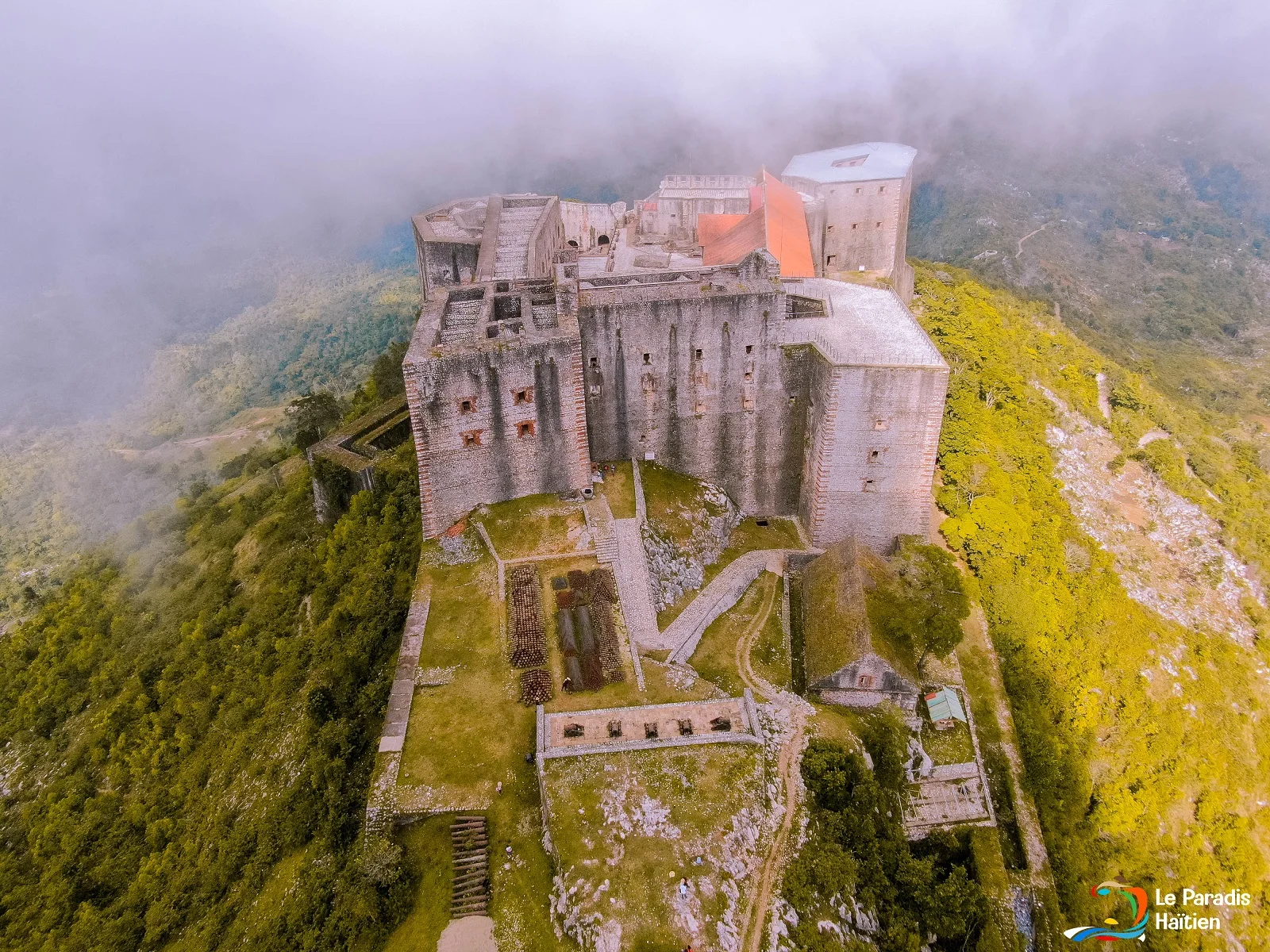
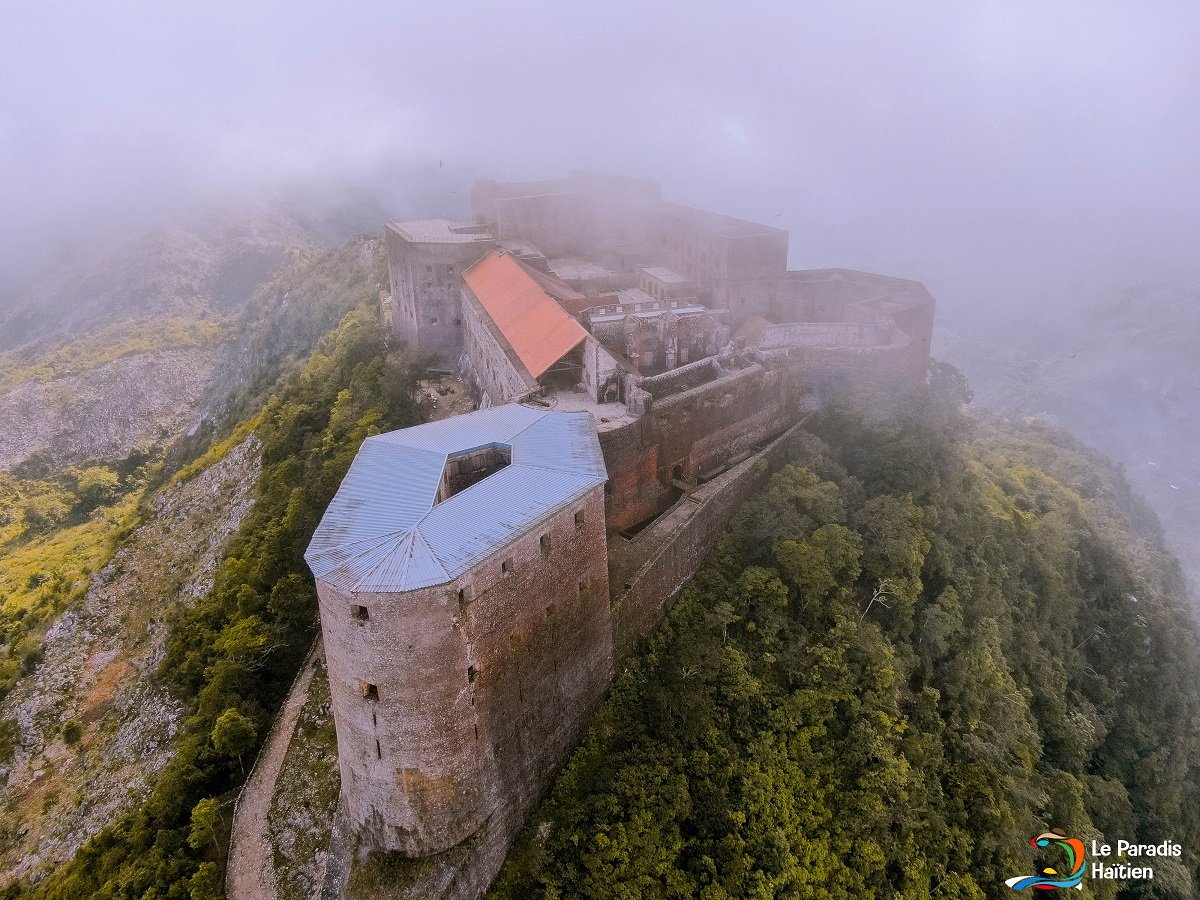
Among the most famous and significant sites of Haiti’s heritage, the Citadelle Laferrière, located in the north of the country, is a major symbol of the Haitian victory over slavery and independence. Classified as a UNESCO World Heritage Site since 1982, the Citadelle is an imposing fortress built after the Haitian Revolution to protect the country against invasions. It is a testament to the military ingenuity and determination of the Haitian people. This majestic edifice, perched on a mountaintop, dominates the landscape and embodies the courage and resilience of Haitians in their quest for freedom.

Haïti
Haïti
Haïti

Palais Sans-Souci

Not far from the Citadel, the Chateau Sans-Souci, another World Heritage Site, is also located in the Nord department. This palace, once the residence of King Henri Christophe, one of the leaders of Haitian independence, illustrates the refinement of French colonial architecture and the political aspirations of the country’s first leaders. Although the chateau was partially destroyed by an earthquake, it remains a symbol of the grandeur of the post-independence era and the vision of a prosperous Haiti.

Haïti
Haïti
Haïti

Colonial Architecture and Cultural Heritage

Haitian architecture is also a fundamental aspect of the country’s heritage. In the capital city of Port-au-Prince, many colonial buildings, such as the Church of Saint-Pierre and the Old Courthouse, demonstrate the French influence on Haitian architecture before independence. These structures feature neoclassical and baroque style features that are characteristic of the colonial era.

In addition to its historical monuments, Haïti is also rich in cultural traditions, particularly through music, dance, and art. Rara, a traditional festive music, is a living symbol of African heritage and slave resistance. Haitian visual arts, including Haitian naïve painting, are renowned worldwide, and events such as the Port-au-Prince International Jazz Festival celebrate local music and culture.

Tourist places in Haiti: https://haitiwonderland.com/haiti/tourism/tourist-places-in-haiti/21

Haïti
Haïti
Haïti

Beaches and Natural Beauties: Haiti, a Tropical Paradise

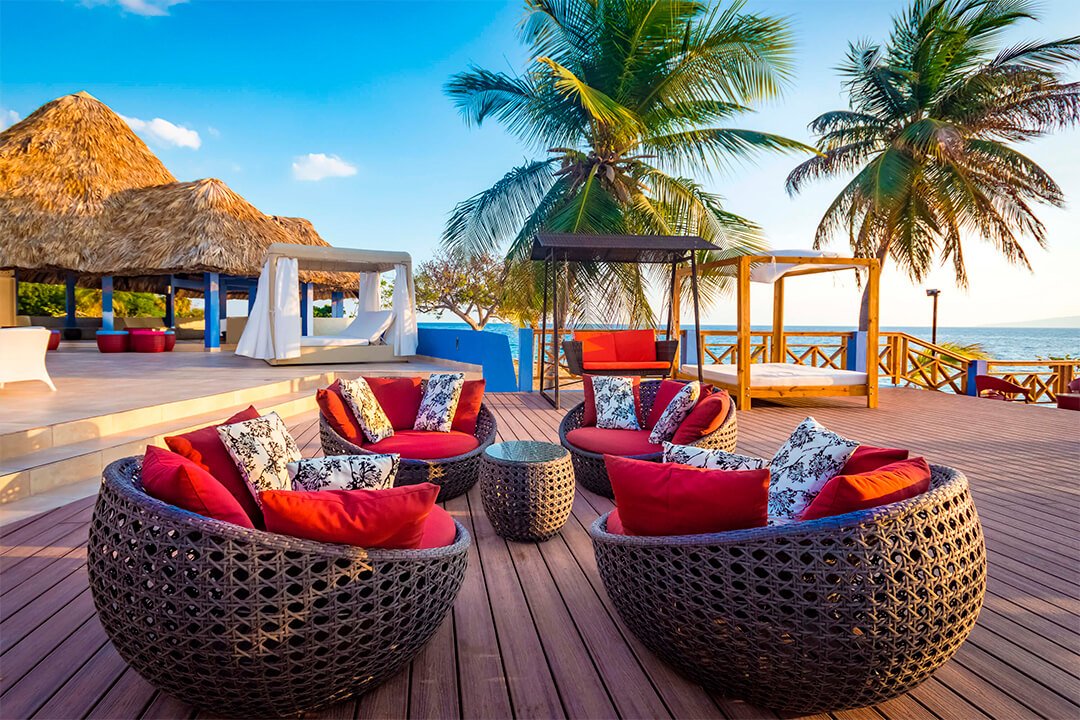
Haïti has some of the most beautiful beaches in the Caribbean. These natural places are perfect for swimming, snorkeling and water sports. From the north to the south of the island, many beaches welcome visitors with their white sand, turquoise waters and peaceful atmosphere. Here is an overview of some of the most beautiful beaches in Haiti, where nature and tranquility come together to offer an unforgettable experience.

Haïti
Haïti
Haïti

Labadee

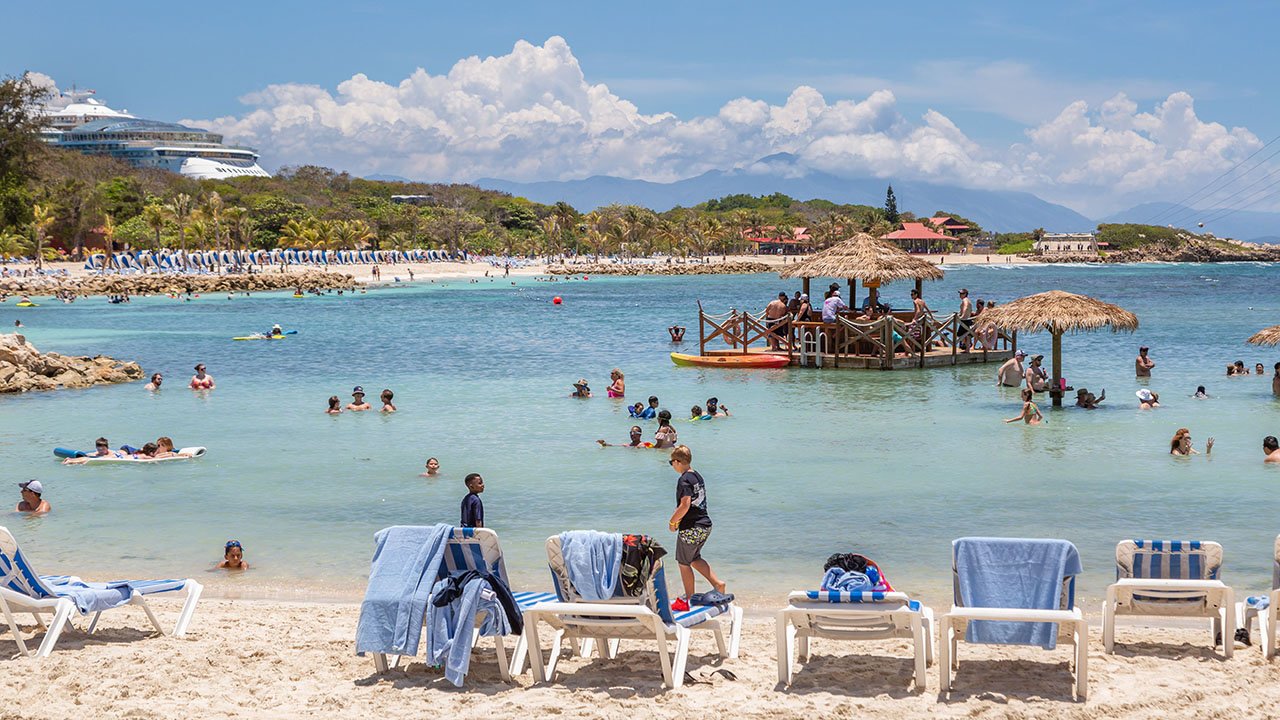
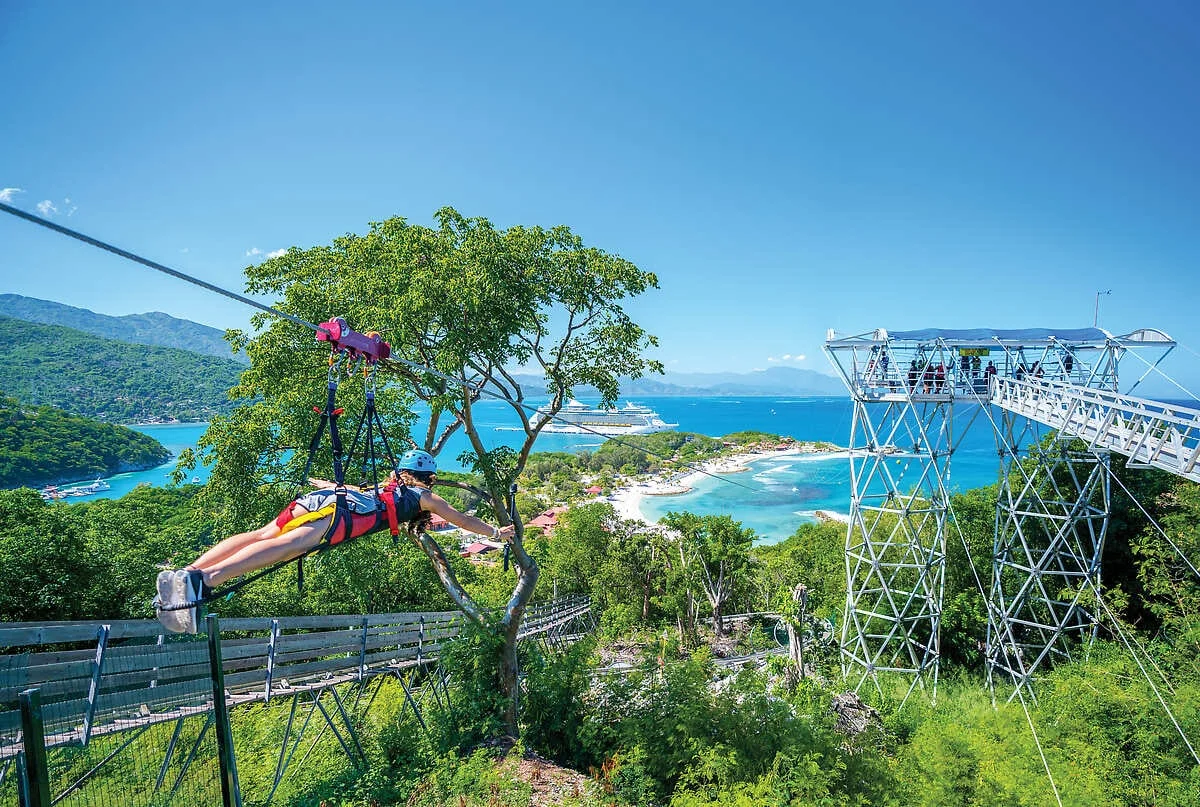
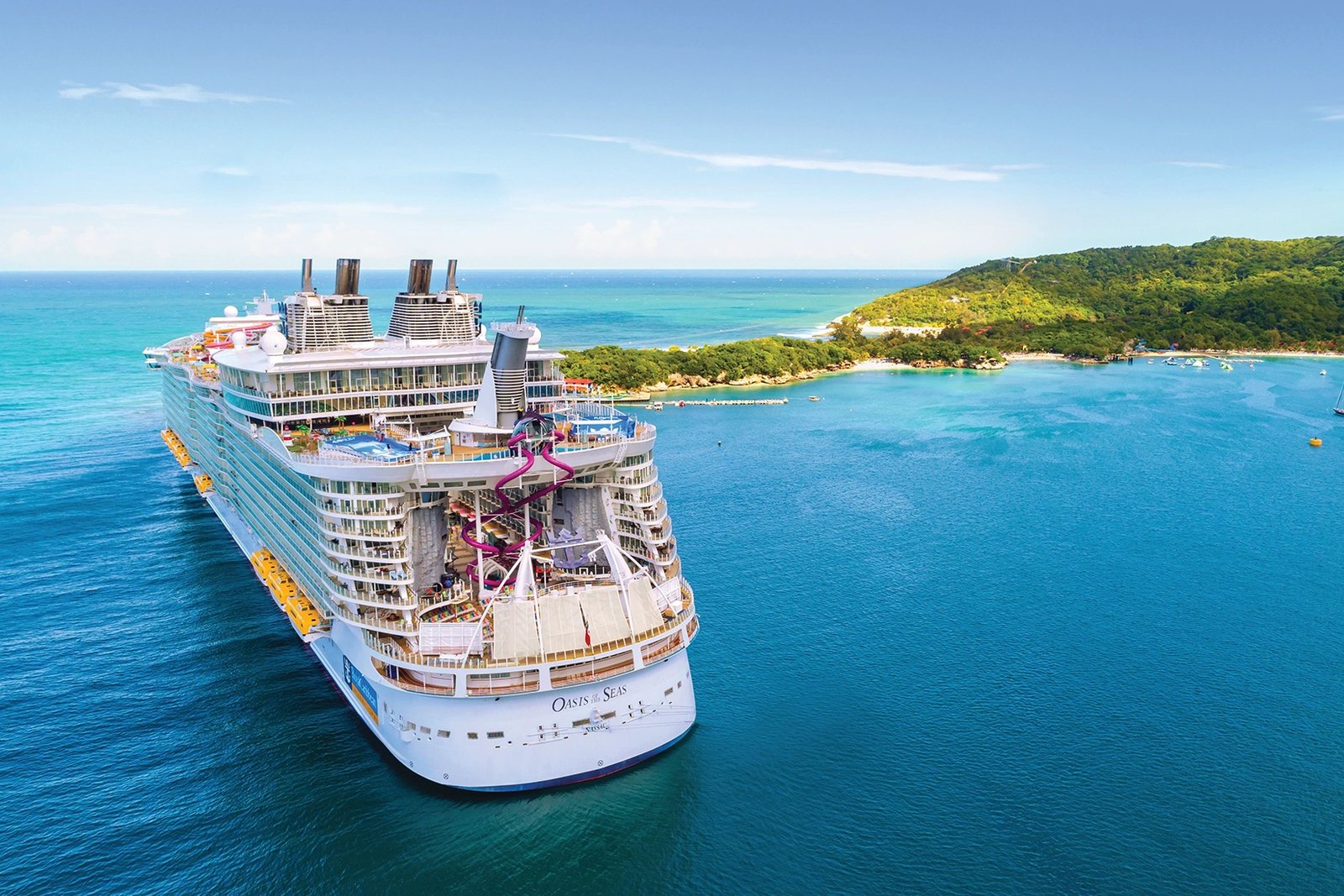
Located on the north coast, Labadee is probably the most famous beach in Haiti. Although it is private and managed by Royal Caribbean, Labadee remains a must-see place for travelers looking for relaxation and leisure. This idyllic spot is known for its crystal clear waters, white sand and spectacular mountain scenery. Labadee offers a variety of activities, including swimming, snorkeling, jet skiing and even the world’s longest zip line that crosses the sea, offering spectacular views of the beach and surrounding mountains. It’s the perfect place for families or those looking to combine relaxation with adventure.

Haïti
Haïti
Haïti

Cormier Plage: Authenticity at the Rendezvous

A few kilometers from Cap-Haïtien, Cormier Plage is one of the most popular beaches in the country, due to its preserved natural setting and calm atmosphere. With its turquoise waters, fine sand and coconut trees lining the coast, Cormier offers an authentic experience of the beauty of Haiti. This peaceful place is perfect for those looking to escape the hustle and bustle and connect with nature. In addition, the accommodation is comfortable, with bungalows and restaurants by the sea where visitors can enjoy local dishes while admiring the landscape. Cormier Plage is also a good starting point for exploring the surroundings of Cap-Haïtien, with visits to the Citadelle Laferrière or the Château de Sans-Souci.

Haïti
Haïti
Haïti

Île-à-Rat: A Remote Eden Off the Coast of Haiti

Located off the northern coast, Île-à-Rat is a little corner of paradise accessible by boat from Cap-Haïtien. This small islet is surrounded by coral reefs and crystal clear waters, ideal for scuba diving and swimming. Île-à-Rat is perfect for those looking for a more intimate and wild place, far from the big crowds. The island is not very developed, which preserves its natural and authentic side. You will find isolated beaches there, ideal for a family picnic or a lazy day under the Caribbean sun. It is a perfect place for nature lovers and those who want to explore a true haven of peace.

Haïti
Haïti
Haïti

Moulin sur Mer: The Charm of a Historic Beach

Located just thirty kilometers from Port-au-Prince, Moulin sur Mer is a quiet beach that has a special place in the hearts of Haitians and travelers alike. This historic place, a former sugar mill transformed into a seaside resort, combines both history and natural beauty. Moulin sur Mer offers a beautiful white sand beach, clear waters and a serene atmosphere. In addition, this place has tourist facilities such as restaurants, swimming pools and water activities for visitors. It is also known for its friendly atmosphere and pleasant setting, perfect for a getaway with family or friends.

Haïti
Haïti
Haïti

Bassin Bleu: An Escape to the Heart of Nature

Located near Jacmel, in the south of Haiti, Bassin Bleu is not a classic beach, but rather a breathtaking natural site. This crystal clear freshwater pool, surrounded by cliffs and tropical forests, offers a magical setting for hiking and swimming enthusiasts. Accessible after a short hike through the jungle, Bassin Bleu is a place of serenity where visitors can bathe in natural pools fed by waterfalls, while enjoying the incredible beauty of the surrounding landscapes. Although it is not a beach in the traditional sense of the term, the site offers an incomparable moment of freshness and a total immersion in Haitian nature.

10 Must-Visit Beaches in Haiti: https://haitiwonderland.com/haiti/beach/10-must-visit-beaches-in-haiti/19

Haïti
Haïti
Haïti

Haitian Cuisine: A Universe of Flavors and Spices

Haitian cuisine is a subtle blend of African, French and Creole flavors. Dishes are often seasoned with local spices, resulting in intense and comforting flavors.

Haïti
Haïti
Haïti

Soup Joumou

Traditionally eaten on Independence Day, this pumpkin soup is a national symbol of freedom and resilience.

Haïti
Haïti
Haïti

Griot

A signature dish of Haiti, griot is marinated and fried pork served with rice, plantains, and pikliz, a spicy sauce made with marinated vegetables.

Haïti
Haïti
Haïti

Tasso

Marinated and fried beef is served with rice or peas, and is enjoyed with a side of pikliz.

Each Haitian dish is a unique experience, full of character and authenticity.

To learn more about Haitian cuisine, check out this article: https://haitiwonderland.com/haiti/cuisine/les-delices-de-la-cuisine-haitienne--20-plats-incontournables/24

Haïti
Haïti
Haïti

Traditions and Festivals in Haiti: A Lively Cultural Calendar

Haitian culture is distinguished by its vibrant traditions and colorful celebrations that attract visitors from around the world.

Haïti
Haïti
Haïti

Independence Day

On January 1st, the Haitian people celebrate their independence with festivities throughout the country, including the traditional tasting of soup joumou.

Haïti
Haïti
Haïti

Carnival

Carnival is known for its handmade masks and elaborate costumes, reflecting the history and creativity of local artisans. It attracts thousands of visitors each year.

Haïti
Haïti
Haïti

The Festival of the Guédés

This voodoo celebration in homage to the spirits of the ancestors takes place in November. Participants honor the spirits with songs, dances and offerings.

To learn more about Traditions and Festivals in Haiti, visit: https://haitiwonderland.com/haiti/musique/decouvrez-les-festivals-en-haiti/115 or https://haitiwonderland.com/haiti/culture/les-traditions-haitiennes/28

Haïti
Haïti
Haïti

Haïti Climate: A Tropical Paradise All Year Round

The Haitian climate is tropical, with an average annual temperature around 27°C. There is a dry season, from November to March, and a rainy season, from May to October. The warm and sunny climate, combined with mild winds, makes it an ideal destination all year round.
https://haitiwonderland.com/haiti/tourisme/haiti-et-son-climat/129

Haïti
Haïti
Haïti

Practical Tips for a Trip to Haiti

Before traveling to Haiti, here is some practical information:

- Languages ​​spoken: Haitian Creole and French.
- Currency: The Haitian Gourde (HTG).
- Formalities: Check the visa requirements according to your nationality.

Do you want to travel to Haiti? This complete guide is for you! It offers you essential advice on safety and reveals the must-see places to visit for an unforgettable experience in this fascinating country. To learn more, check out our detailed guide here: https://haitiwonderland.com/haiti/diaspora/guide-pour-voyager-en-haiti-en-2024-les-incontournables-et-conseils-de-securite/153

Haïti
Haïti
Haïti

Haiti, A Unique and Authentic Destination

Haïti is a hidden treasure of the Caribbean, rich in history, natural beauty and vibrant culture. Whether you are a lover of tropical landscapes, a history buff or an explorer of flavors, Haïti offers a memorable experience and a warm welcome. Plan your trip now to discover all that this fascinating country has to offer.

Share
About the Author
Appolon Guy Alain
Appolon Guy Alain
Appolon Guy Alain

Full Stack Developer, Créatif, expérimenté, passionné des nouvelles technologies et de l’art.

See other articles from Appolon Guy Alain
Leave a comment

Recently Posted

Pity or the work of an old soul crushed under the weight of an absinthe-flavored existence

The word crisis carries an infinite number of meanings. No intention of revealing them all this afternoon. However, a few clarifications are necessary. A kid whose parents do not have enough money at Christmas to buy her a Little Black Mermaid doll has a fit and locks herself in her room without touching her meals for the day. A boy whose dog was suddenly poisoned by a neighbor in revenge or shot after contracting rabies, losing a faithful friend overnight, enters into crisis. Finally, a society in the grip of all sorts of mutations and whose leaders are weak, perhaps prolonged in a deep crisis. In the first case, the young girl sulks to attract the attention of her parents in order to feel appreciated by children her age at school or in the neighborhood. Today, thirty minutes of negotiations can be enough to find a lasting solution. In my day, a few well-aimed belt blows would have overcome this whim. But, humanity evolves, they say. In the second case, this boy can find his smile again after a few weeks. He needs a little attention and, probably, another dog. As Stendhal would say, only passion triumphs over passion. In the last case, this society led by inepts is shaken to its deep foundations. Its institutions can disintegrate one by one. The vital forces dissolve in no time. This situation creates a societal tsunami that destroys all life within this community. It is indeed a crisis. The crisis from this point of view constitutes an alarming, desperate situation in the existence of a community where nothing is going well. Chaos reigns supreme. The very essence of life disappears. The individual can take precedence over the community. Everyone tries to solve their problems without worrying about others. The closest neighbor is relegated light years away from you. How can we turn to creation? How can we continue to conceive of otherness? How can the artist absorb this great collective disarray as a source of motivation? These are the questions I must answer. An artist sees and feels what ordinary mortals cannot even imagine in a thousand-year life. He creates to denounce, when his conscience as a human being is revolted. He exalts heroes or the homeland according to his feelings. He sings the beauty of an irresistible, captivating or ugly resplendent woman. He can also use the ambient desolation to give meaning to life. Creating in literature as in the arts in general does not depend on the situation. The act of creation depends on the creator’s disposition. Events paralyze some and galvanize others. Creating is enjoyable. Everyone therefore enjoys according to their own whim. Writing opens the way to change. The writer takes a different look at the world. By embedding himself in reality, he embellishes it, makes it better or hideous depending on the message he intends to share. All things considered, with him, life is never fixed. Writing is putting the world in a jar to travel the universe. The artist broods over his work in all weathers. Oswald Durand was delighted to see Choucoune’s beautiful body from his secret observatory. Musset, on the other hand, was in pain writing his October night. As for Dany Laferrière, in exile, he described the horrors of the Duvalier dictatorship and the carefree attitude of the young girls in his neighborhood in this violent and dangerous world. Ultimately, the writer lives in a society with values ​​that he shares or not. They condition his existence or have no hold on him. In many ways, the surrounding world serves as his laboratory. He carries out his experiments there. He casts a new, worn, disillusioned, melancholic, violent, bitter look at the world depending on his mood. Pitié is the work of an old soul crushed under the weight of an existence that tastes of absinthe. Young Mike Bernard Michel lives by expedients and lies. The hands of life fall on him with indescribable violence. Misfortune embraces him day and night. Should we give up? Musset liked to say: "Man is an apprentice, pain is his master. And no one knows himself until he has suffered." The artist must produce under all skies. Such is his vocation. Incompetents in power, legal or highway bandits, the high cost of living, unemployment, heartaches are all subjects of concern for him. If it is true that a hungry belly has no ears, the fact remains that it keeps the brain awake. What am I saying, it stimulates it to the point of creating timeless works. Mr. Pitié, you have a bright future ahead of you. Work of Jean Rony Charles, the book is available from Éditions Repérage.

Newsletter

Subscribe to our newsletter to stay informed of all our activities and news on Haiti.

Caractéristique d’un lapin

Les lapins sont des mammifères appartenant à la famille des Leporidae. Voici quelques-unes de leurs caractéristiques principales : 1. **Physique** : Les lapins ont un corps couvert de fourrure douce, des oreilles longues et droites, de grands yeux sur les côtés de leur tête, et une queue courte et duveteuse. Ils possèdent de puissantes pattes arrière adaptées au saut. 2. **Taille et poids** : La taille et le poids peuvent varier considérablement selon la race, allant d’environ 500 grammes pour les plus petits à plus de 5 kilogrammes pour les plus grands. 3. **Comportement** : Les lapins sont connus pour être sociaux et peuvent vivre en groupes dans la nature. Ils communiquent entre eux par différents moyens, y compris par des sons et des mouvements corporels. Les lapins creusent des terriers pour y vivre et se protéger des prédateurs. 4. **Alimentation** : Ils sont herbivores, se nourrissant principalement de foin, d’herbes, de feuilles, de fleurs, et de certains légumes. Leur système digestif est adapté pour traiter une grande quantité de fibres. 5. **Reproduction** : Les lapins sont réputés pour leur capacité à se reproduire rapidement, avec des gestations courtes d’environ 28 à 31 jours. Une portée peut compter de un à douze lapereaux, selon la race. 6. **Sens** : Ils ont une excellente vision périphérique pour détecter les mouvements tout autour d’eux, mais ont une zone aveugle juste devant leur nez. Leur ouïe est également très développée, leur permettant de capter des sons à de grandes distances. 7. **Espérance de vie** : En captivité, les lapins peuvent vivre de 7 à 10 ans, selon la race et les soins prodigués, tandis que dans la nature, leur espérance de vie est généralement plus courte en raison des prédateurs et des maladies. Ces animaux nécessitent des soins appropriés, notamment un régime alimentaire équilibré, de l’exercice, et une attention particulière à leur bien-être émotionnel et physique pour vivre une vie saine et heureuse en captivité.

Haïti: The Pearl of the Antilles

Located in the Caribbean Sea, Haïti is often nicknamed "The Pearl of the Antilles". This laudatory title not only reflects the beauty of its idyllic beaches, but also the history, culture and natural wealth of this island nation. Throughout the centuries, Haïti has acquired this prestigious reputation for various reasons, which go beyond its picturesque landscapes. b~Natural Beauty:~b Haïti is blessed with an abundance of natural beauty. Its sandy beaches, crystal clear waters, majestic mountains and lush valleys make it a dream destination for travelers from all over the world. Generous nature has endowed Haïti with impressive ecological diversity, which has helped shape its image as the pearl of the Antilles. b~Cultural Wealth:~b Beyond its landscapes, it is the richness of Haïtian culture which contributes to its reputation as a pearl. Haïti has a fascinating history, blending influences from indigenous Taino people, European settlers and African slaves. This cultural fusion gave rise to a unique artistic and musical tradition, embodied in expressions such as voodoo, naive painting and compass music. b~Historical Heritage:~b Haïti has played a central role in the history of the struggle for freedom and equality. In 1804, it became the first independent republic in Latin America and the Caribbean, after a revolution led by freed slaves. This courageous act of independence established Haïti as a symbol of resistance and determination, adding a historic dimension to its status as the pearl of the Antilles. b~Natural Resources~b Haïti is abundant in valuable natural resources, which has contributed to its nickname as the Pearl. Mineral-rich mountains, fertile soils and abundant water reserves have made Haïti a land of opportunity. Haïti, the pearl of the Antilles, is much more than just a tourist destination. It is a country whose natural beauty, cultural richness, historical heritage and natural resources contribute to a unique identity. It remains a jewel in the crown of the Caribbean, reminding the world of the strength and resilience of the Haïtian people.

Recently Posted

History

History

First black nation to free itself from slavery and gain independence from France in 1804 and influenced other liberation movements around the world, inspiring struggles for freedom and equality.

Natural beauty

Natural beauty

Haïti is blessed with spectacular natural landscapes, including white sand beaches, mountains and rich biodiversity.

Heritage

Heritage

Haïti has a rich historical heritage, including sites like the Citadelle Laferrière and the Sans-Souci Palace, listed as UNESCO World Heritage Sites.

Culture

Culture

Haïti has a rich and diverse culture, influenced by African, European and indigenous elements. Haitian music, dance, art and cuisine are celebrated around the world.

  • +
    • Post