R.V.C, a Christian institution of reference in Haiti.
Rendez-vous Christ (R.V.C) is a network of churches and Christian institutions gathered under the leadership of Reverend Pastor, Dr. Julio Volcy. The network consists of campuses located in Delmas 75, Caseau, Jérémie, and Cap-Haïtien. RVC supports these churches and other Christian charitable institutions to fulfill its mission among the Haitian population. Rendez-vous Christ is preparing to celebrate its 9th anniversary on March 23. On this occasion, the church plans to visit prisoners, sharing the good news of the Gospel, eating with them, and offering other gifts.
One of RVC’s characteristics is its enlightened vision for the formation of effective Haitian Christian citizens. This vision is accompanied by an increased desire for discipline, which could even be described as a mannerism. At RVC, punctuality is keyit’s a way of acknowledging that Christianity does not prosper in indiscipline. Additionally, RVC believes in education as a tool for transforming mentalities, to create enlightened Christians who can be examples in intellectual, family, and economic spheres. It’s a way of saying that every Christian must first preach the Gospel through the example of their life and be a beacon of hope where the darkness of the world is most evident.
A Church That Believes in the Real Development of People
At RVC, all aspects of the human being are considered: spirit, soul, and body. The visible, mobile person is ready to invest in just causes. If we take care of the body while neglecting the soul, an unbalanced scandal will surface, and it will not be pleasant to see. Generally, this is why the church emphasizes offering care for all that makes up the human being. While the Christian should hope for heaven for their soul, their body must live well while waiting, and their spirit must be flourishing. RVC also distinguishes itself by believing that the Christian citizen has a voice in society’s affairs, including political ones, as Christian citizens are not disconnected from the rest of society. Their role is to improve society, not to avoid it with irresponsible attitudes.
A Church by Christians for Non-Christians
Rendez-vous Christ is characterized by its efforts to reach non-Christians in Haiti. Referencing the biblical version of Acts 15:19, where the author suggests not imposing burdens on new converts, RVC strives not to stigmatize people based on their clothing choices or whether they let their hair grow, or any other sign that might attract harsh judgments from traditional Haitian Christians. According to RVC’s leaders, the church is a place of healing for all kinds of people, both those with emotional wounds and physical ones.
Love is the cornerstone of Jesus Christ’s message. Anyone who wants to share it with others must be able to love and show it daily. Indeed, RVC aims to be a proud symbol in this regard, as it demonstrates its love by helping people in need. And it’s through the example of this love that the church manages to bring souls into the body of Christ.
Rendez-vous Christ is also characterized by its modern approach. Its strong presence on social media even allows it to have an online campus. Furthermore, RVC strives to offer services using the most effective tools to build the perfect atmosphere to strengthen Christians in their desire to worship God.
If there is one place in Haïti where power is shared equitably with the youth, it’s at RVC. From the moment you enter the Delmas campus, it’s clear. The church perfectly reflects the importance and significant demographic presence of young people, with many of them serving the church through various ministries (JAM for children, REVIV for teenagers, praise dance for those who want to dance…), which make up the evangelical religious institution.
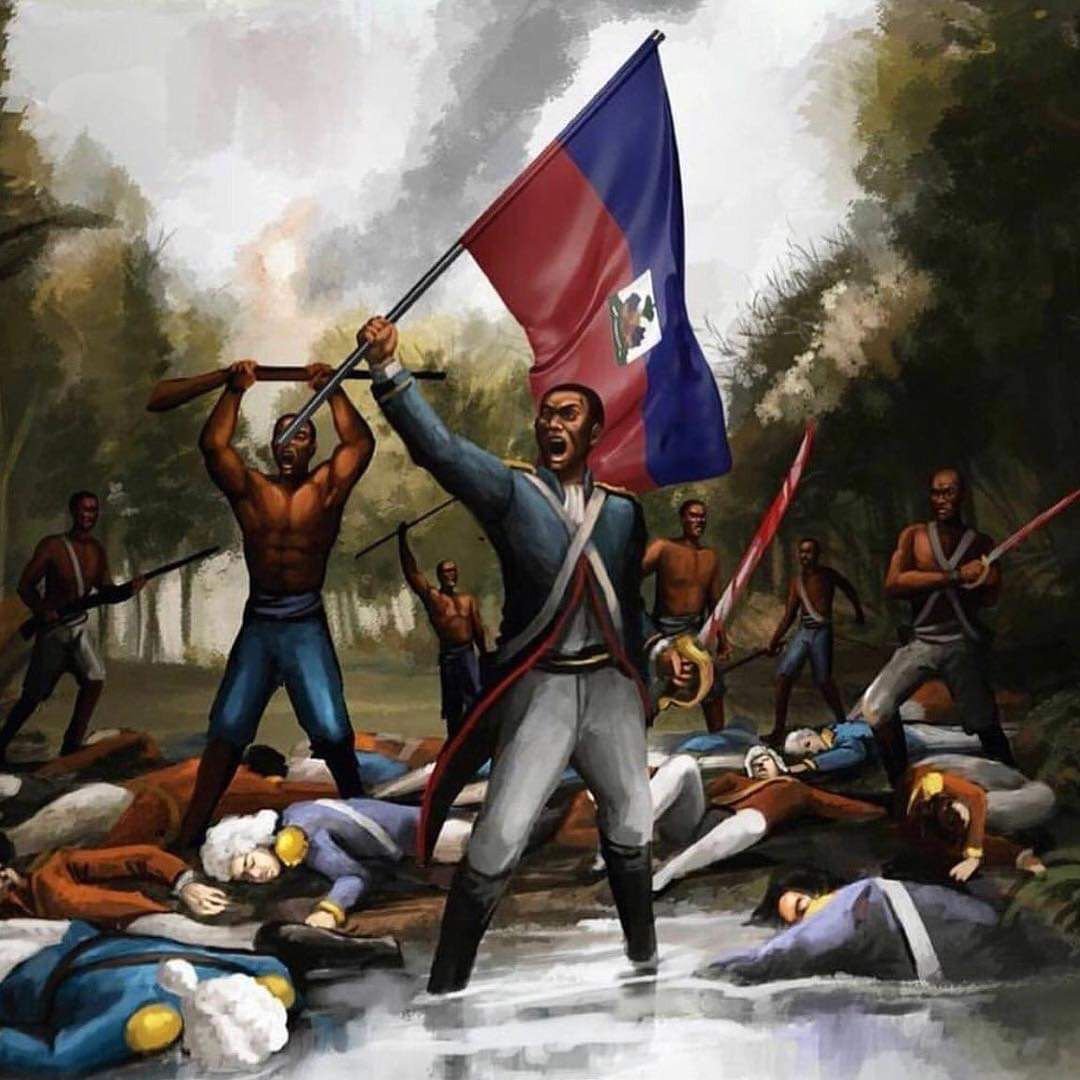
First black nation to free itself from slavery and gain independence from France in 1804 and influenced other liberation movements around the world, inspiring struggles for freedom and equality.
Natural beauty
Haïti is blessed with spectacular natural landscapes, including white sand beaches, mountains and rich biodiversity.
Heritage
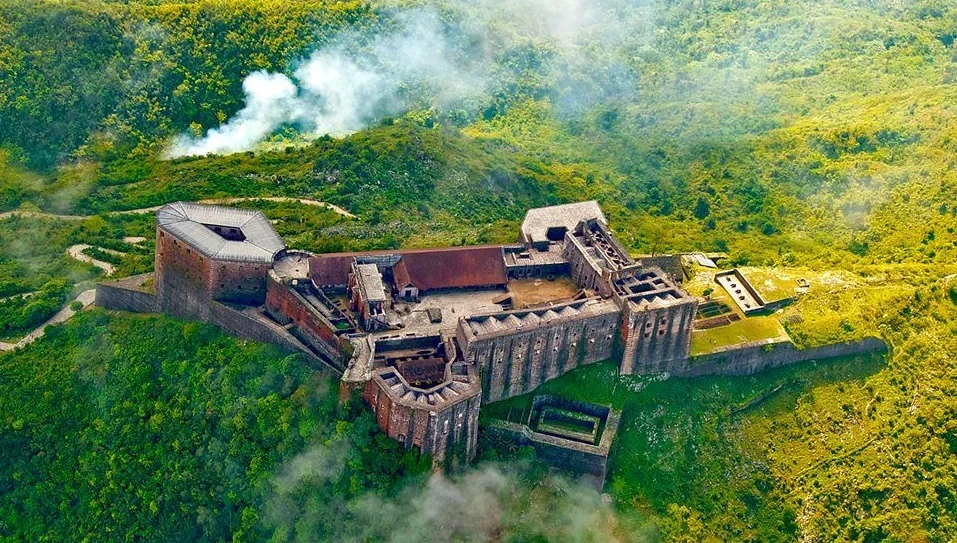
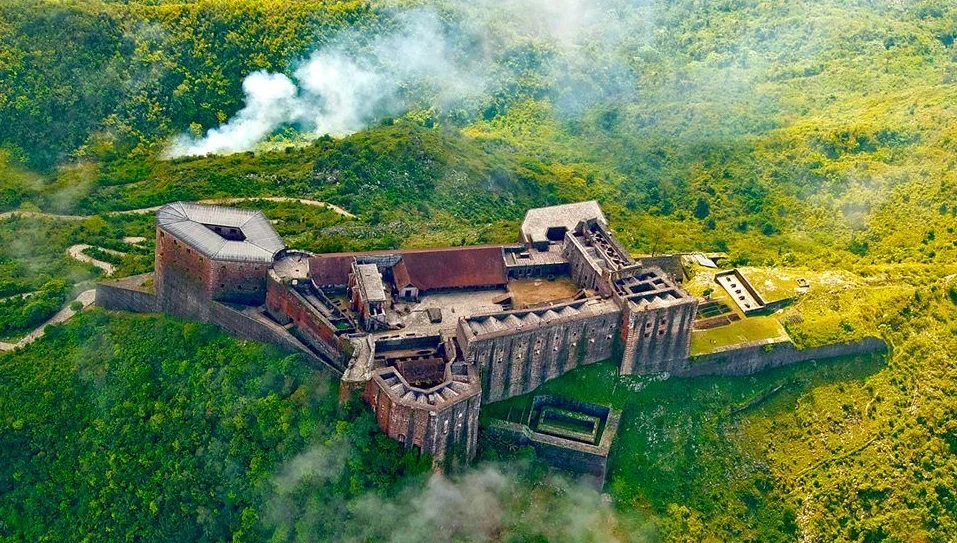
Haïti has a rich historical heritage, including sites like the Citadelle Laferrière and the Sans-Souci Palace, listed as UNESCO World Heritage Sites.
Culture
Haïti has a rich and diverse culture, influenced by African, European and indigenous elements. Haitian music, dance, art and cuisine are celebrated around the world.