contact@haitiwonderland.com+509 36184317

Discover

Shopping Cart

Haïti Beach: Discover the Most Beautiful Beaches in the Country
  • Beache
  • August 12, 2024
  •     1

Haïti Beach: Discover the Most Beautiful Beaches in the Country

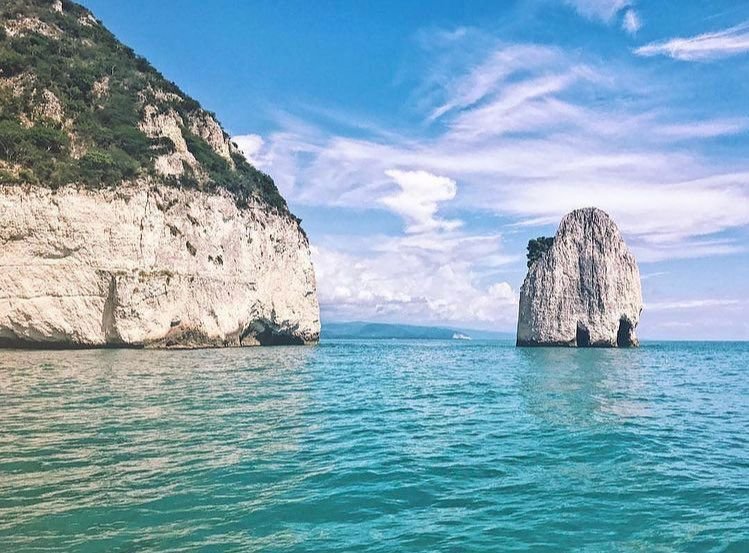
Haiti, with its spectacular coastline and enchanting landscapes, is a destination of choice for lovers of paradise beaches. The country, often overlooked for its natural treasures, is home to some of the most beautiful beaches in the Caribbean. From stretches of fine sand lined with coconut trees to secret and isolated coves, Haïti offers a diversity of beaches that will not fail to amaze you. Discover below a selection of the most beautiful beaches in the country, each offering a unique and unforgettable experience.

Haïti
Haïti
Haïti

1. Labadie (Cap-Haïtien)

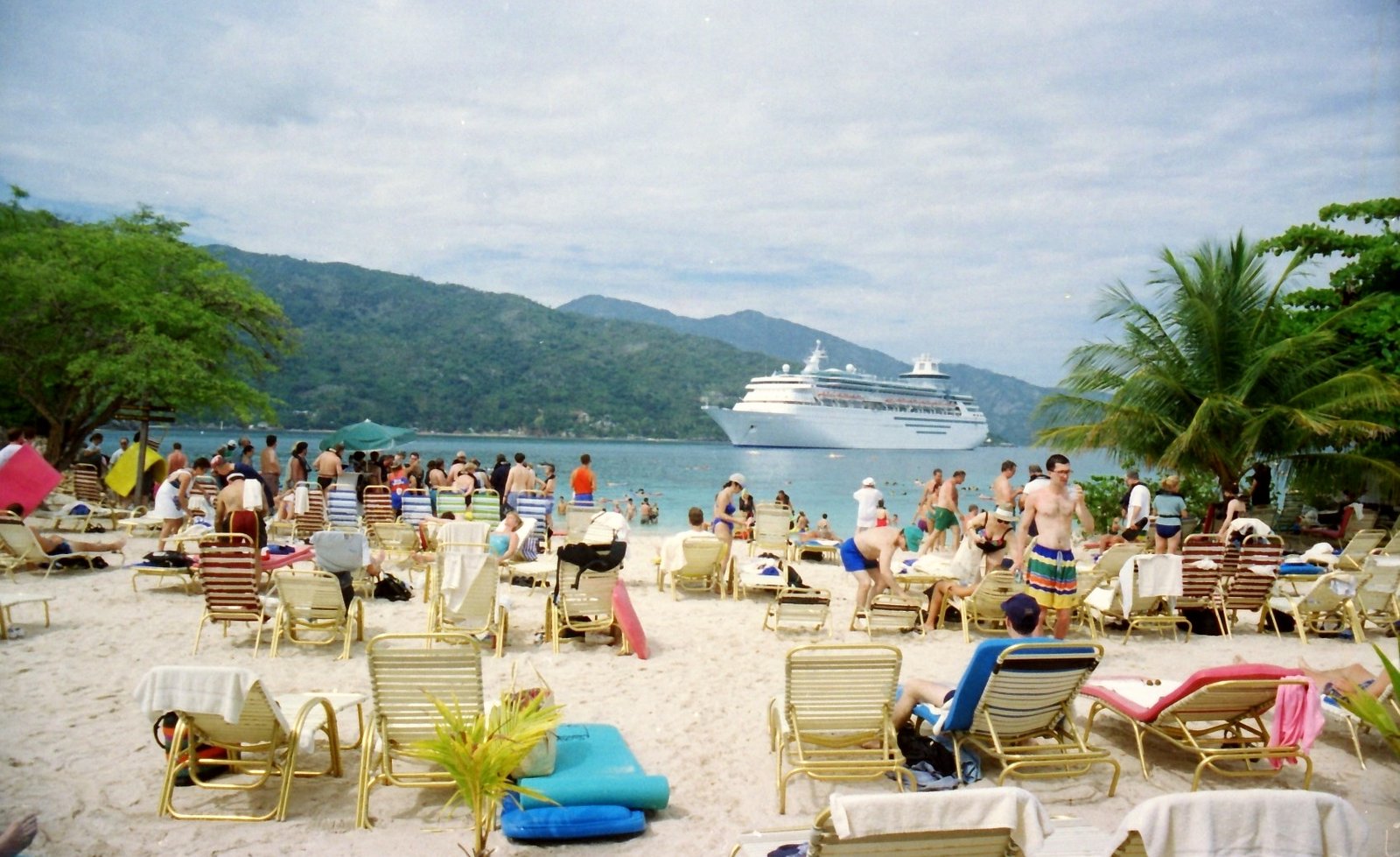
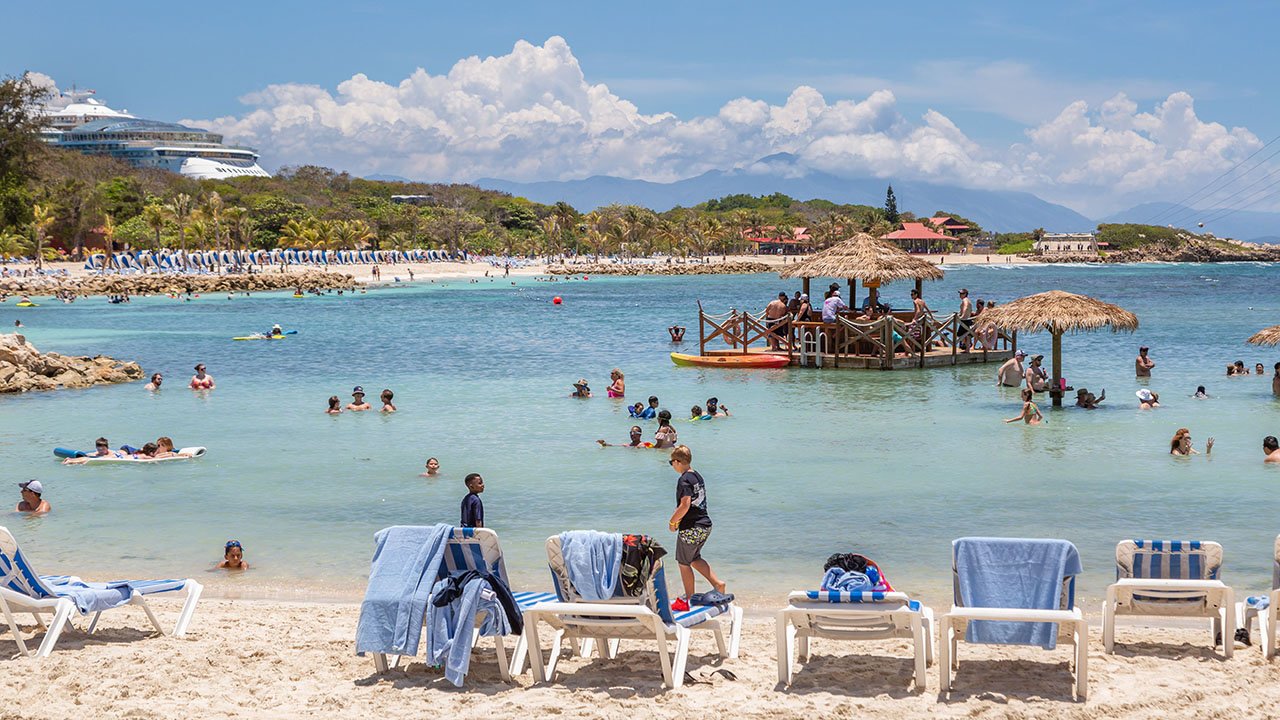
Labadie, located near Cap-Haïtien, is arguably one of the most famous beaches in Haiti. This private beach, accessible mainly to cruise passengers, is surrounded by lush vegetation and green hills. With its white sand and turquoise waters, Labadie is a true corner of paradise. There are many activities here: swimming, snorkeling, jet skiing, and even an impressive zip line that flies over the bay, offering breathtaking views of the surrounding landscapes.

See as well

Haïti
Haïti
Haïti

2. Moulin Sur Mer (Côte des Arcadins)

On the Côte des Arcadins, Moulin Sur Mer is a must-see beach for lovers of relaxation and scuba diving. This seaside resort combines history and natural beauty, as it is located on the site of a former colonial plantation transformed into a museum. The beach offers a peaceful setting with calm, clear waters, perfect for a relaxing day or exploring the nearby coral reefs.

Haïti
Haïti
Haïti

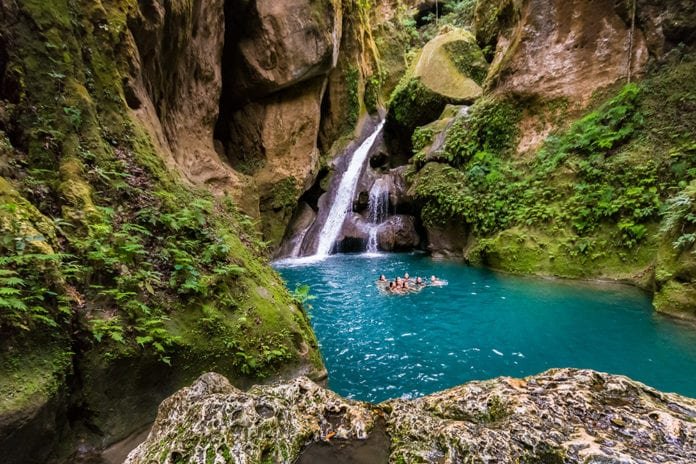
3. Bassin-Bleu (Jacmel)

Bassin-Bleu, while not a traditional beach, is a spectacular natural site that is definitely worth a visit. Located in the mountains of Jacmel, Bassin-Bleu is a group of natural pools connected by waterfalls, nestled in the heart of dense tropical vegetation. The waters are a deep blue, inviting visitors to take a refreshing swim in an enchanting and secluded setting.

Haïti
Haïti
Haïti

4. Saut-Mathurine (Camp-Perrin)

Saut-Mathurine is one of the largest waterfalls in Haiti, located in the south of the country, near Camp-Perrin. This natural site, surrounded by lush vegetation, is perfect for a day of exploring and swimming in its natural pools. Although not a beach in the strict sense, Saut-Mathurine offers a unique experience in the heart of Haitian nature, far from the beaten path.

Haïti
Haïti
Haïti

5. Gelee (Cayes)

Gelee, near Les Cayes, is Haiti’s largest beach, famous for its annual festival in August that attracts many visitors. This beach is lined with palm trees and small local restaurants serving fresh seafood, creating a friendly and authentic atmosphere. With its fine sand and shallow waters, Gelee is perfect for a day of relaxation, swimming and discovering the local culture.

Haïti
Haïti
Haïti

6. Île à Rat (Cap-Haïtien)

Île à Rat, a small island located off the coast of Cap-Haïtien, is a true hidden gem. Accessible only by boat, this deserted island is surrounded by white sand beaches and crystal clear waters, ideal for swimming and snorkeling. The quiet and secluded atmosphere of Île à Rat makes it a perfect destination for a day away from the noise and bustle.

Haïti
Haïti
Haïti

7. Pointe Sable Beach (Port-Salut)

Pointe Sable Beach, located in Port-Salut in southern Haiti, is one of the most picturesque beaches in the country. Known for its spectacular sunsets, this long stretch of fine sand is lined with coconut trees, providing a perfect setting for relaxation. The calm and clear waters of Pointe Sable are ideal for swimming, and visitors can also enjoy delicious seafood dishes at local beachside restaurants.

Haïti
Haïti
Haïti

8. Decameron Indigo Beach (Montrouis)

Decameron Indigo Beach, located in Montrouis on the Côte des Arcadins, is a private beach that is part of a luxury resort. This beach offers a peaceful setting with stunning views of the Caribbean Sea. Visitors can enjoy a full range of water activities, from swimming to jet skiing, while taking advantage of the hotel’s high-end facilities, including restaurants, bars and swimming pools.

Haïti
Haïti
Haïti

9. Cormier (Cap-Haïtien)

Cormier, also located near Cap-Haïtien, is a quieter beach than Labadie, offering an intimate and relaxing atmosphere. This beach is ideal for nature lovers and scuba diving enthusiasts, thanks to its clear waters and rich coral reefs. Cormier is the perfect place for those looking to relax in a natural setting while enjoying the underwater beauties of Haiti.

Haïti
Haïti
Haïti

10. Wahoo Bay (Montrouis)

Wahoo Bay in Montrouis is a popular beach for its lively atmosphere and many activities. This beach offers a perfect combination of natural beauty and modern amenities, with options for snorkeling, kayaking, and jet skiing. Wahoo Bay is also known for its spectacular sunsets, making this beach a great place to spend a full day relaxing and having fun.

Haïti is a destination full of natural treasures and beautiful beaches, offering a variety of experiences for all types of travelers. Whether you are looking for a luxurious getaway, an adventure in nature, or simply a quiet place to relax, Haiti’s beaches have it all. These hidden gems of the country invite you to discover the authentic beauty of the Caribbean, far from the beaten path. So, pack your swimsuits and let yourself be seduced by Haiti’s enchanting beaches.

Share
About the Author
Appolon Guy Alain
Appolon Guy Alain
Appolon Guy Alain

Full Stack Developer, Créatif, expérimenté, passionné des nouvelles technologies et de l’art.

See other articles from Appolon Guy Alain
Sandrina Lima

Can you help me see the " zile pelaten " in Haiti please?

April 08, 2025 - 10:46:48 PM
Leave a comment

Recently Posted

Jean-Jacques Dessalines, leader of the Haitian Revolution

In the annals of the history of Haiti, an island located in the Caribbean at the entrance to the Gulf of Mexico and shared with the Dominican Republic, Jean-Jacques Dessalines emerges like a phoenix from the ashes of oppression. Born a slave on September 20, 1758 in the home of Henri Duclos, in Cormier (Grande-Rivière-du-Nord), in the French colony of Saint-Domingue, Dessalines was a Creole of African (Afro-Caribbean) origin. Freed during the 1794 abolition achieved through slave revolts, actually served as an officer in the French army during the French Revolution. At that time, the ideas of freedom and equality were at the heart of the concerns of the inhabitants of the colonies. Dessalines actively participated in the fighting against the Spanish and British forces, alongside the French, in Santo Domingo. Having risen to the rank of Lieutenant General, Jean-Jacques Dessalines turned against the French during the Leclerc expedition, sent to Saint-Domingue by Bonaparte to reestablish colonial authority and slavery during the Haitian Revolution. After the capture and deportation of Toussaint Louverture to France on June 7, 1802, Dessalines assumed a leading role in continuing the struggle for independence. He led numerous battles, including the battle of Crête-à-Pierrot in March 1802, where he galvanized his soldiers with his famous declaration: “Let those who want to remain slaves of the French leave the fort, let those, on the contrary, who want to die as free men, line up around me.” On January 1, 1804, Jean-Jacques Dessalines achieved the long-awaited goal of independence by proclaiming Haïti as a sovereign nation, becoming the second country in the Americas to gain independence from a colonial power. He became the first leader of the newly formed nation and was named Emperor under the name James I. However, his imperial reign was marked by authoritarian and brutal policies, including the massacre of many white settlers and the redistribution of land to peasants that was in the hands of the generals of the independence army. In addition, he organized the hunt for delinquents in the city while implementing rigorous agrarian policies, considering that they represented a threat to the stability of the nation, these controversial actions caused divisions within Haitian society. Dessalines was assassinated on October 17, 1806 following a plot organized by some of his generals in the Haitian army. His death marked the end of his brief but influential period in power. Despite the controversies surrounding his methods, he is recognized as the main architect of Haiti’s independence and his name was honored in 1903 by being attributed to the Haitian national anthem, La Dessalinienne, composed by Justin Lhérisson.Finally, the great visionary man Jean Jacques Dessalines remains an emblematic figure in the history of Haiti, recognized for his role in the fight for independence and the end of slavery in the region.

Newsletter

Subscribe to our newsletter to stay informed of all our activities and news on Haiti.

The Haitian Carnival: A Festival of Colors, Music and Traditions

The Haitian carnival, an emblematic and essential celebration of the country’s festive calendar, is much more than a simple party. It embodies the very essence of Haitian culture, joyfully blending ancestral traditions, intoxicating music and a deep sense of community. Each year, this vibrant celebration transforms the streets into a vibrant and colorful spectacle, attracting thousands of participants and spectators eager to take part in this one-of-a-kind celebration. Haitian carnival has deep roots in the country’s history, dating back to colonial times. It has evolved over the centuries, incorporating elements of African, French and Creole culture to create a distinct and captivating celebration. The carnival period in Haïti traditionally begins in January and culminates with extravagant festivities that take place over several days. One of the most striking features of the Haitian carnival is the profusion of colors. Traditional costumes, called "masks", are elaborate and beautifully designed. They feature vivid patterns and vibrant decorations, creating a vivid picture of Haitian cultural identity. Participants, dressed in these elaborate costumes, parade through the streets to the sound of lively music, creating an electric atmosphere. Music is at the heart of the Haitian carnival. The captivating rhythms of compass, rasin, rara and other local musical genres resonate throughout the city, inviting people to dance to the rhythm of the party. Orchestras parade through the streets, accompanying the dancers and creating a unique symbiosis between the music and the graceful movements of the participants. The Haitian carnival parade is not just about the music and costumes; it also celebrates the richness of street arts. Talented artists create giant sculptures, art installations and theatrical performances that tell deep stories of Haitian history and culture. These artistic expressions contribute to the transmission of values ​​and stories that shape the identity of the Haitian people.

Recently Posted

History

History

First black nation to free itself from slavery and gain independence from France in 1804 and influenced other liberation movements around the world, inspiring struggles for freedom and equality.

Natural beauty

Natural beauty

Haïti is blessed with spectacular natural landscapes, including white sand beaches, mountains and rich biodiversity.

Heritage

Heritage

Haïti has a rich historical heritage, including sites like the Citadelle Laferrière and the Sans-Souci Palace, listed as UNESCO World Heritage Sites.

Culture

Culture

Haïti has a rich and diverse culture, influenced by African, European and indigenous elements. Haitian music, dance, art and cuisine are celebrated around the world.

  • +
    • Post