
contact@haitiwonderland.com+509 36184317

Discover

Shopping Cart

Jephte Estiverne: A Poetic Voice Rising in 2025

Jephte Estiverne: A Poetic Voice Rising in 2025

In 2025, the name Jephte Estiverne echoes ever louder in the Haitian literary world. A poet, linguist, and trained sports journalist, this young author with a meteoric rise, originally from Carrefour-Feuilles, is establishing himself as one of the most promising voices of his generation. Through personal insights and reflections, he shares his journey, his relationship with writing, his vision of the country, literature, and poetic commitment.

Haïti
Haïti
Haïti

Place of Origin

"I come from Carrefour-Feuilles, that’s the first thing to remember," he says right away, highlighting the significance of this neighborhood, now devastated by gang violence, but for years a place of grounding and personal roots in his development. The third of five children in a Christian family, he discovered writing in 2018a pivotal moment he calls foundational: "I was a solitary child, a quiet teenager... being in love with the words of others led me to search for my own," he confides.

Since that encounter with poetry, Jephte has published three collections: Bretèl Solèy, Ce que l’ange confie aux étoiles, and Naufrage, between 2021 and 2024. He also contributed to the anthology Chambres, edited by Lyonel Trouillot and Marie Bénédicte Loze. His sensitive and authentic voice has already earned him several honors, including a mention in the Chansons sans Frontières poetry contest and recognition among the winners of Mon histoire en mille mots.

But it is in 2025 that his talent truly explodes onto the scene. Winner of the Amaranthe Poetry Prize, champion of the first contest organized by the Port-au-Prince Book Fair, runner-up in the Evelyne Trouillot Prize, and finalist for the prestigious Balisaille International PrizeJephte is having an exceptional year. "This time last year, I wasn’t thinking about awards. But a fellow poet, Daryl Lorenzo Moïse, encouraged me to enter as many contests as possible. I prepared as best as I could… and it worked."

Yet, the young poet remains grounded, fully aware of the road still ahead. "It brings me great joy and a bit of pride, but I’m still far from where I want to be." This clarity is echoed in his critique of the Haitian publishing world: "It’s stagnant. There’s a lack of expertise, and printing problems persist. My first book was self-published, and although I had support for the other two, I sometimes feel I should have waited."


See as well

Haïti
Haïti
Haïti

Main Themes

Jephte Estiverne’s poetry explores themes like love, desire, and country. However, he confides a desire to evolve toward other subjects. Writing, for him, is a fluctuating necessity: "Sometimes it’s a desire, sometimes a need. It depends on the day. Sometimes nothing comes, and I accept that." This fluid relationship with writing began in adolescence, nourished by books brought home by his sister. He started with sports articles and then published his first poems on Facebook in 2016, encouraged by those around him.

For Jephte, literature is a powerful tool: "It is the measure of all things in the world. It writes, it heals, it breaks, it sanctifiessometimes without even realizing it." While he admits that Haitian history isn’t yet a strong presence in his writing, he is working on it. "I’m a man of the moment. I try to create with what directly relates to my era."

His inspirations include literary giants like Lyonel Trouillot, Dany Laferrière, Yasmina Khadra, and also Jean D’Amérique, Gaël Faye, Christian Bobin, among otherswriters who have shaped his vision and voice.

Message to the Youth

"Read. Read everything. Read without moderation. Even when you don’t feel like it. Everything begins with reading." Despite the prevailing chaos, Haïti remains an inexhaustible source of inspiration for him: "I draw a lot from it. I like to write about what’s happening, what I hear…"

In these uncertain times, Jephte Estiverne’s poetry stands as a bright example, transmitting sparks of light. It rises like a sunny, resilient space that has earned him honors that reflect his youthful dedication.

It’s worth remembering that in these past two years in Haiti, many young people like Jephte Estiverne have gathered their creative energies to confront a collapsing state and society. His current journey is truly inspiring and clearly demonstrates why any nation should make it a priority to provide children access to the luminous practice of reading starting at the earliest age possible.

Appolon Guy Alain: Reference Web Designer in Haiti

Appolon Guy Alain: Reference Web Designer in Haiti

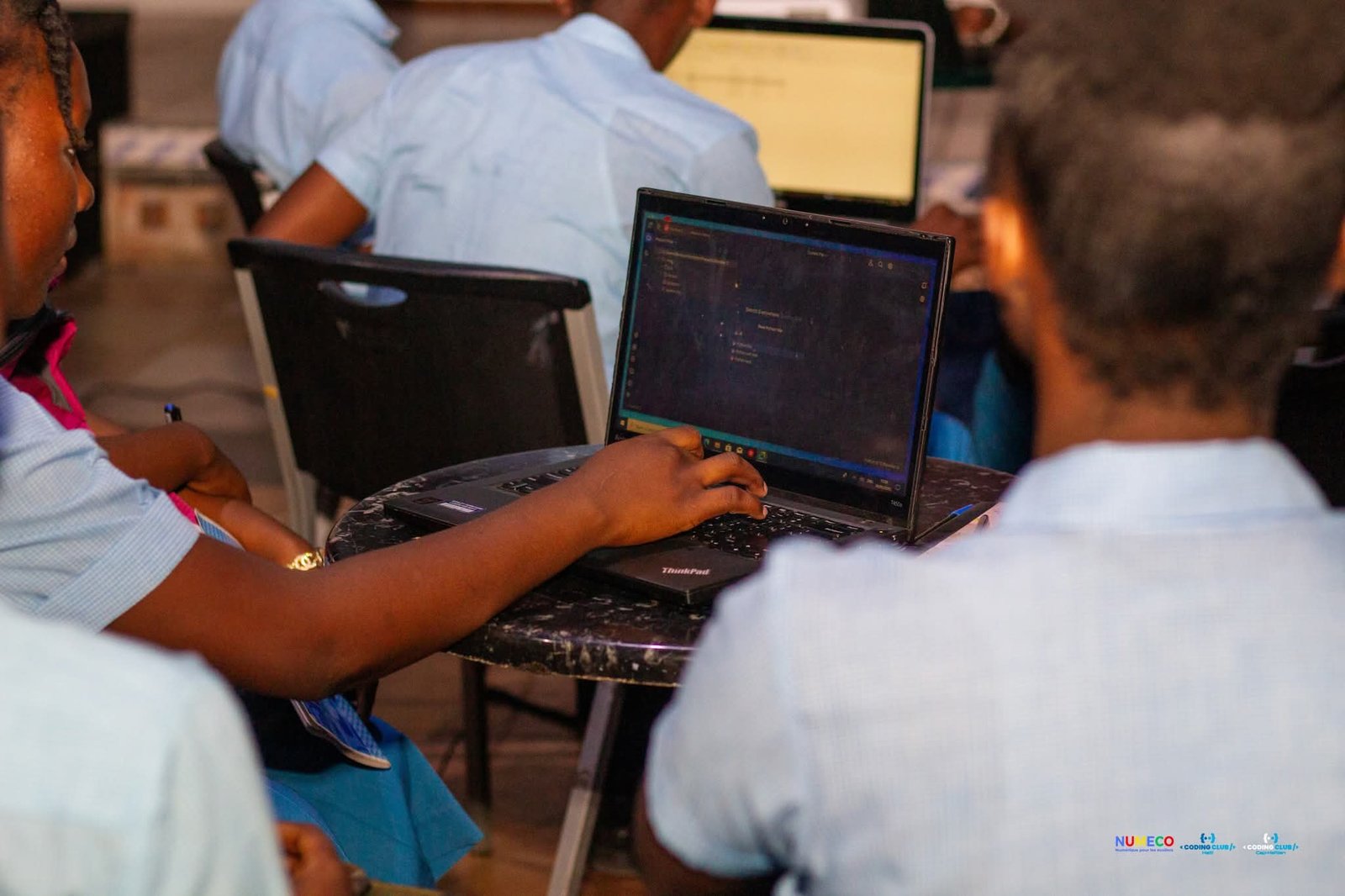
In the ever-changing world of web development, some names stand out for their expertise, creativity and commitment to knowledge sharing. Among them, Appolon Guy Alain shines like a beacon in the web design industry in Haiti. With more than 70 websites to his credit, intranet systems and many other projects, he is recognized as an indisputable reference in his field. What sets Apolon’s work apart are the attractive interfaces it creates. Sites such as https://haitiwonderland.com/, https://leadersdedemain.org/, https://shippex.net/, https://telehaiti.ht/, https://www.kelphotographystudio.com/, https ://leparadishaitien.ht/, https://beltike.com/ and many others, demonstrate his exceptional talent for combining aesthetics and functionality in a harmonious way. The key to Apolon’s success lies in its ability to merge art and technology. Before becoming an accomplished computer scientist, he was already a painter, a professional musician and a computer graphic designer. This diversity of talents gives him extraordinary creativity, allowing him to imagine unique and memorable interfaces. But Apolon not only creates remarkable websites, he also generously shares his knowledge and experience. In December 2022, he launched Coding Club Haiti, an initiative aimed at providing younger generations with the opportunities offered by the digital world. This initiative has gone beyond the borders of Haïti thanks to a collaboration with the Scientific Club of Students of the Virtual University of Burkina Faso, thus allowing Appolon to share its knowledge with young people from Burkina Faso, and soon, other countries from Africa. Read also: https://haitiwonderland.com/haiti/personnalite/expert-en-seo-et-uiux-design--decouvrez-le-developpeur-haitien-appolon-guy-alain/65 For Appolon, digital represents an essential pillar for the economic development of his country, Appolon is fully committed to this change. However, Apollo does not rest on his laurels. Always eager to learn, he is currently venturing into fields such as robotics and artificial intelligence, looking forward to the challenges the future holds. If you are looking for someone to create your website, Apolon is undoubtedly the best choice. Do not hesitate to contact him on his Facebook or Instagram page, or visit his personal website at https://www.appographic.com. With Appolon Guy Alain, your web project is in expert and creative hands, ready to bring your most daring ideas to life. Follow Appolon on Facebook : https://www.facebook.com/appolon.guyalain Linkedin : https://www.linkedin.com/in/appolon-guy-alain-298424113 Instagram : https://www.instagram.com/appolonguyalain65 Twitter : https://twitter.com/GuyAppolon Github : https://github.com/Appogithub

Share
About the Author
Moise Francois
Moise Francois
Moise Francois

Journalist editor, poet and apprentice lawyer.

See other articles from Moise Francois
Leave a comment

Recently Posted

Newsletter

Subscribe to our newsletter to stay informed of all our activities and news on Haiti.

Holidays in Haiti

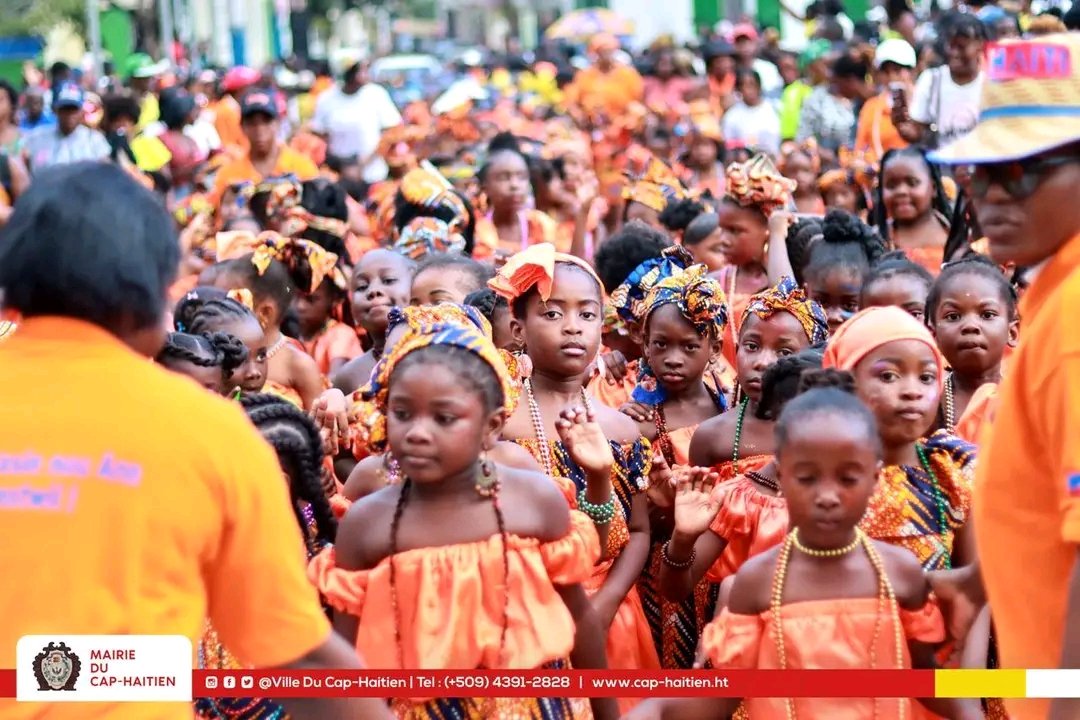
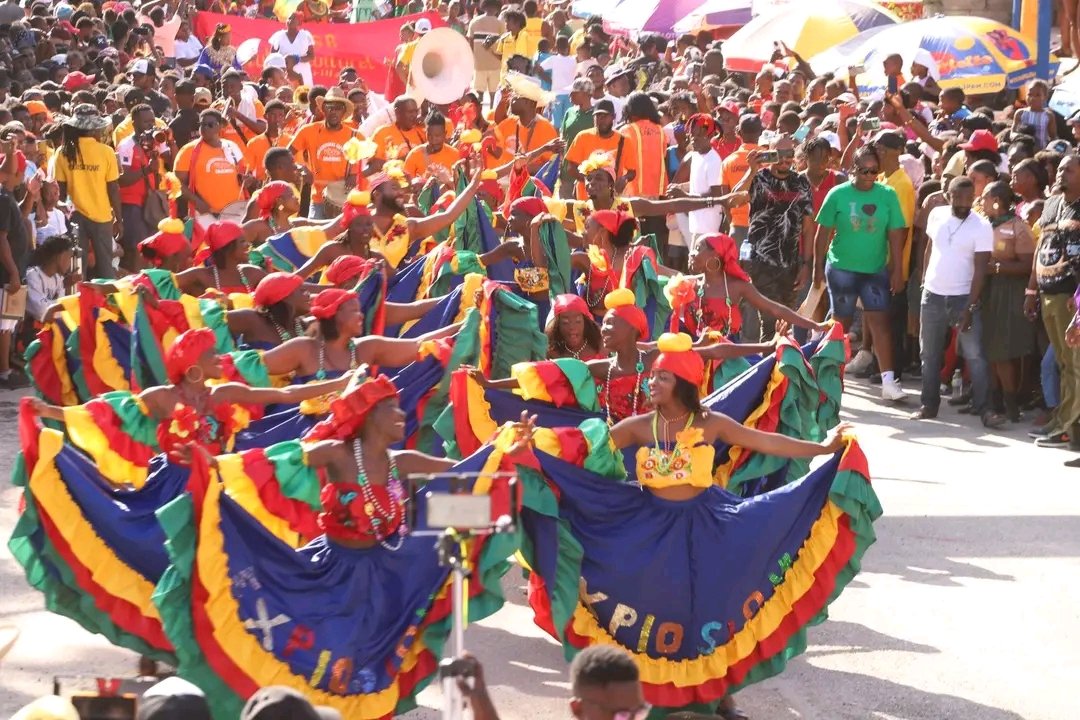
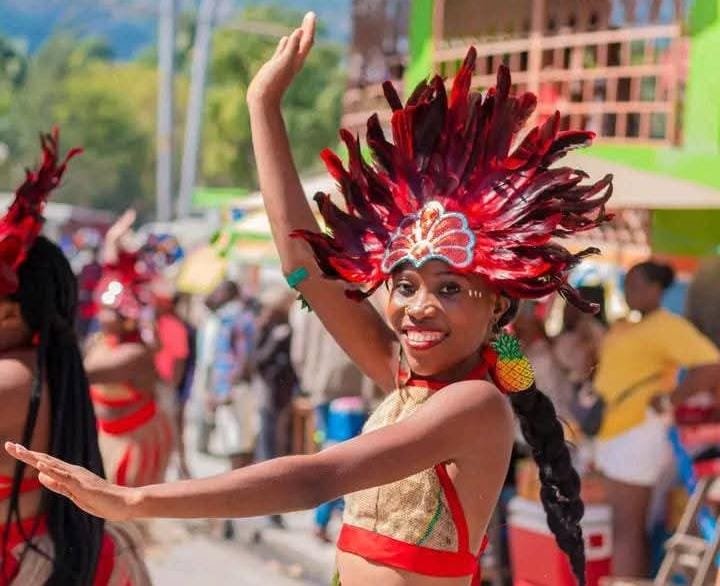
Haiti, the pearl of the Antilles, is a country rich in history and culture. Its public holidays are moments of celebration, commemoration and reflection on its glorious past. Each date has a special meaning, plunging Haitians into a festive and memorable atmosphere. b~January 1: National Independence Day and New Year~b January 1st is a doubly special day in Haiti. On the one hand, it is National Independence Day, commemorating the victory of Haitian slaves over French colonial forces in 1804. On the other hand, it is New Year’s Eve, marking the start of a new year full of promises and hopes. b~January 2: Feast of the Forefathers~b January 2 is dedicated to the memory of ancestors. It is an opportunity for Haitians to remember their roots, to celebrate the cultural heritage passed down from generation to generation. b~February: Carnival, Shrove Monday, Fat Tuesday, Ash Wednesday~b The month of February is marked by Carnival, one of the most colorful and dynamic festivities in Haiti. The streets fill with parades, lively music and wild dancing. Mardi Gras is the culmination of Carnival, followed by Ash Wednesday, marking the start of Lent. b~April: Easter, Maundy Thursday, Good Friday~b Easter celebrations in Haïti include the religious traditions of Maundy Thursday and Good Friday. It is a time of prayer and reflection for many Haitians. b~May 1: Agriculture and Labor Day~b May 1 is dedicated to celebrating the work and importance of agriculture in the life of the country. It is an opportunity to recognize the efforts of workers and to highlight the agricultural sector. b~May 18: Flag Festival~b Flag Day celebrates the Haitian flag, a symbol of independence and national pride. Haitians honor their colors and remember the courage of their ancestors in the fight for freedom. b~May 23: National Sovereignty Day~b This day commemorates the recognition of Haitian sovereignty by France in 1805. It is a moment of national pride and reaffirmation of independence. b~May - August: Ascension~b The Ascension is celebrated between May and August, a religious festival marking the ascension of Jesus Christ into heaven. b~June: Fête-Dieu~b Fête-Dieu, also known as the Feast of the Body and Blood of Christ, is an important religious celebration in June. b~August 15: Assumption of Mary~b The Assumption of Mary is a Christian holiday marking the ascension of the Virgin Mary into heaven. It is celebrated with fervor in Haiti. b~September 20: Birth Anniversary of Jean-Jacques Dessalines~b This date commemorates the birth of Jean-Jacques Dessalines, one of the founding fathers of Haïti and a key leader in the struggle for independence. b~October 17: Death of Dessalines~b October 17 is a day of commemoration of the death of Jean-Jacques Dessalines, recalling his impact on Haitian history. b~November 1: All Saints’ Day~b All Saints’ Day is a religious holiday honoring all saints, celebrated with prayers and visits to cemeteries. b~November 2: Day of the Dead~b All Souls’ Day is an opportunity to pay homage to the deceased by decorating graves and participating in religious ceremonies. b~November 18: Commemoration of the Battle of Vertières~b This day honors the decisive Haitian victory at the Battle of Vertières in 1803, marking the end of the French occupation. b~December 5: Discovery Day~b December 5 celebrates the discovery of the island by Christopher Columbus in 1492. b~December 25: Christmas~b Christmas celebrations in Haïti are marked by family reunions, festive meals and religious traditions. Public holidays in Haïti are much more than breaks from everyday life; these are moments that embody the soul and resilience of a people. Each celebration provides an opportunity to come together, remember the past and look to the future with hope and determination.

Haïti et son Rôle Pionnier dans l’Abolition de l’Esclavage Mondial

For centuries, the institution of slavery has darkened human history, leaving behind a legacy of pain, oppression and the struggle for freedom. However, in this dark tale, one nation stands out for its courage and determination to break the chains of oppression: Haiti. Located in the Caribbean, Haïti played a pioneering role in the abolition of slavery, laying the foundation for the fight for freedom and equality around the world. The history of slavery in Haïti dates back to the arrival of Europeans on the island, which was then called Santo Domingo, in the 15th century. French colonists quickly established an economy based on sugar and coffee production, cruelly exploiting millions of African slaves deported to work on plantations. However, this brutal system engendered fierce resistance from slaves, whose fight for freedom ultimately led to one of the most significant revolutions in history. In 1791, under the leadership of iconic figures such as Toussaint Louverture, Jean-Jacques Dessalines and Henri Christophe, Haitian slaves rose up against their oppressors in an unprecedented rebellion. This revolt resulted in a war of independence that lasted more than a decade, but ultimately resulted in the proclamation of Haiti’s independence in 1804, making that country the first post-colonial nation ruled by people from slavery. The impact of the Haitian Revolution on the abolition of slavery worldwide cannot be overstated. By breaking the chains of oppression and proclaiming their independence, Haitians have sent a powerful message to all oppressed peoples around the world: freedom is possible, and it is worth the struggle. The example of Haïti inspired other movements for the abolition of slavery in the Americas and beyond, thus helping to shake the very foundations of the institution of slavery. Haiti’s participation in the fight against slavery was not limited to its territory; it also extended to external actions where Haitian men were sent or actively participated in movements for the abolition of slavery in other regions of the world. For example, Haitian President Alexandre Pétion supported Simón Bolívar, the leader of the South American revolution, by providing him with weapons, money and even men, which contributed to the liberation of several countries in America Latin of colonial domination. Haïti also provided support for independence movements in Central America. Haitian fighters, led by General Jean-Pierre Boyer, helped Venezuelan patriots fight against Spanish rule, contributing to the liberation of that region. The Haitian government financially and diplomatically supported movements for the abolition of slavery in countries such as Venezuela, Colombia and Mexico, contributing to the gradual eradication of this institution throughout the region. Although Haïti did not directly participate in the American Civil War, many Haitians and descendants of Haitians played crucial roles in the abolitionist movement in the United States. Figures who were of Haitian origin or of Haitian ancestry, were important voices in the fight against slavery and for equal rights in the United States. The legacy of the Haitian Revolution remains a symbol of resistance and courage for future generations. Today, as the world continues to struggle against injustice and oppression in various forms, Haiti’s history reminds us that the fight for freedom is a universal fight, one that transcends borders and times. Haiti’s participation in the abolition of slavery throughout the world remains a crucial chapter in the history of humanity. Through their courage and determination, Haitians have paved the way for a future where freedom and equality are inalienable rights for all.

Recently Posted

History

History

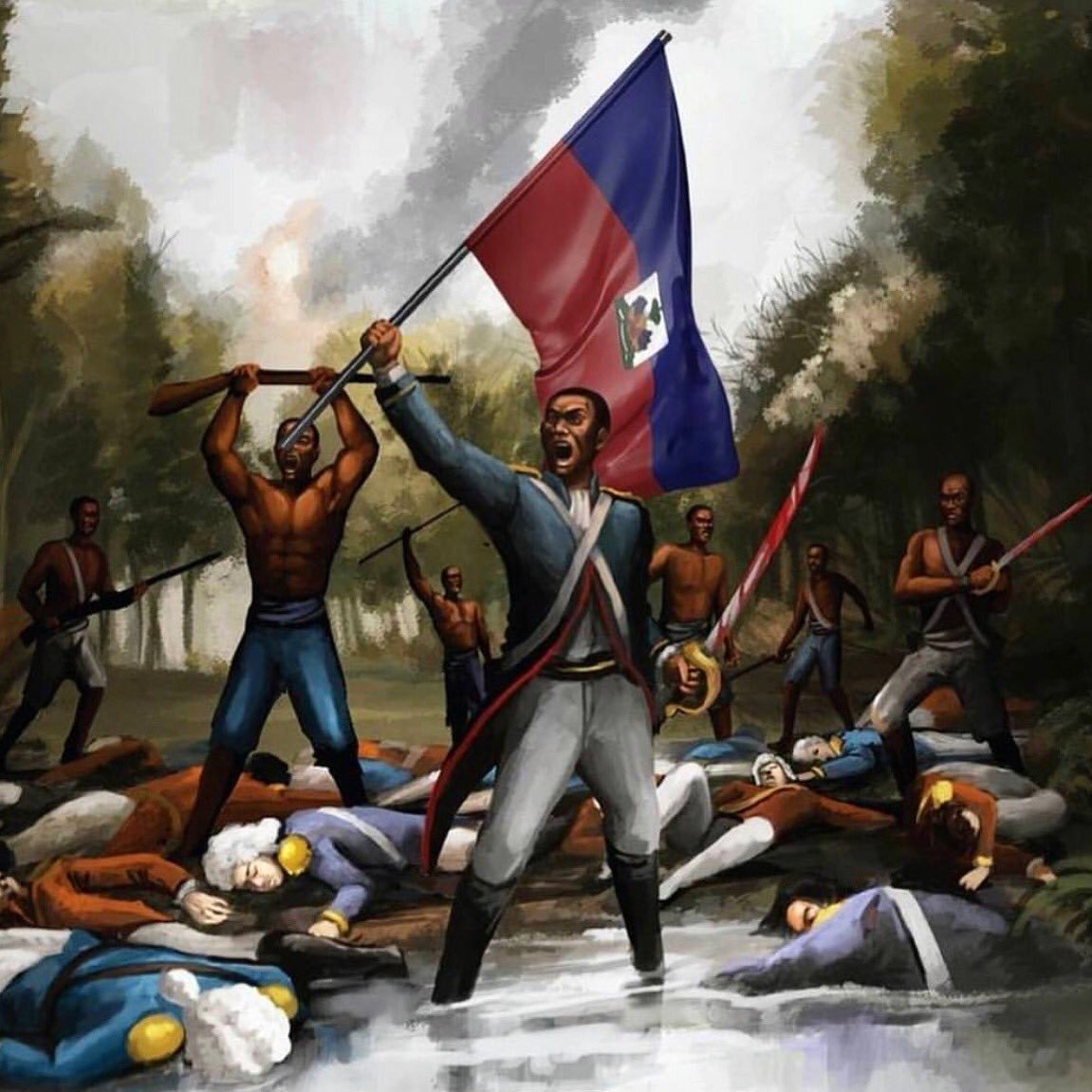
First black nation to free itself from slavery and gain independence from France in 1804 and influenced other liberation movements around the world, inspiring struggles for freedom and equality.

Natural beauty

Natural beauty

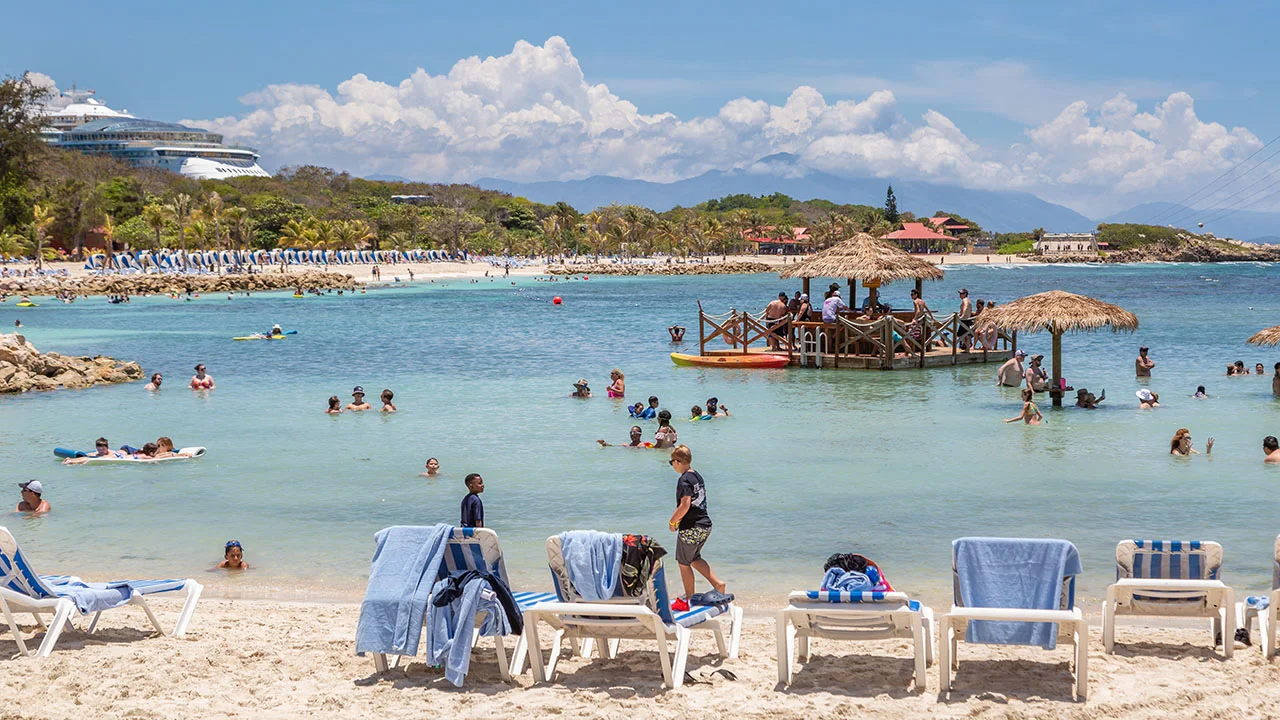
Haïti is blessed with spectacular natural landscapes, including white sand beaches, mountains and rich biodiversity.

Heritage

Heritage

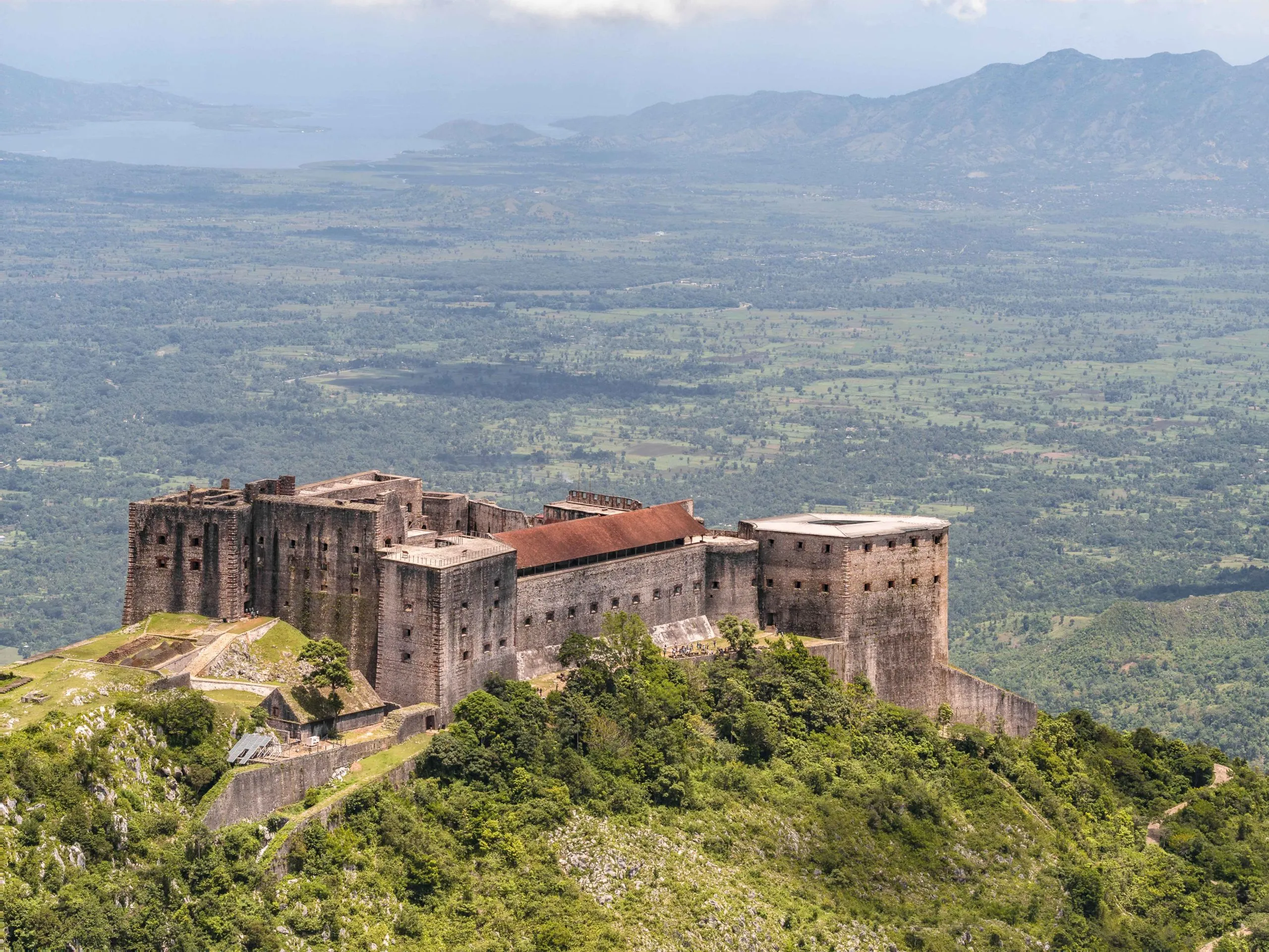
Haïti has a rich historical heritage, including sites like the Citadelle Laferrière and the Sans-Souci Palace, listed as UNESCO World Heritage Sites.

Culture

Culture

Haïti has a rich and diverse culture, influenced by African, European and indigenous elements. Haitian music, dance, art and cuisine are celebrated around the world.

  • +
    • Post