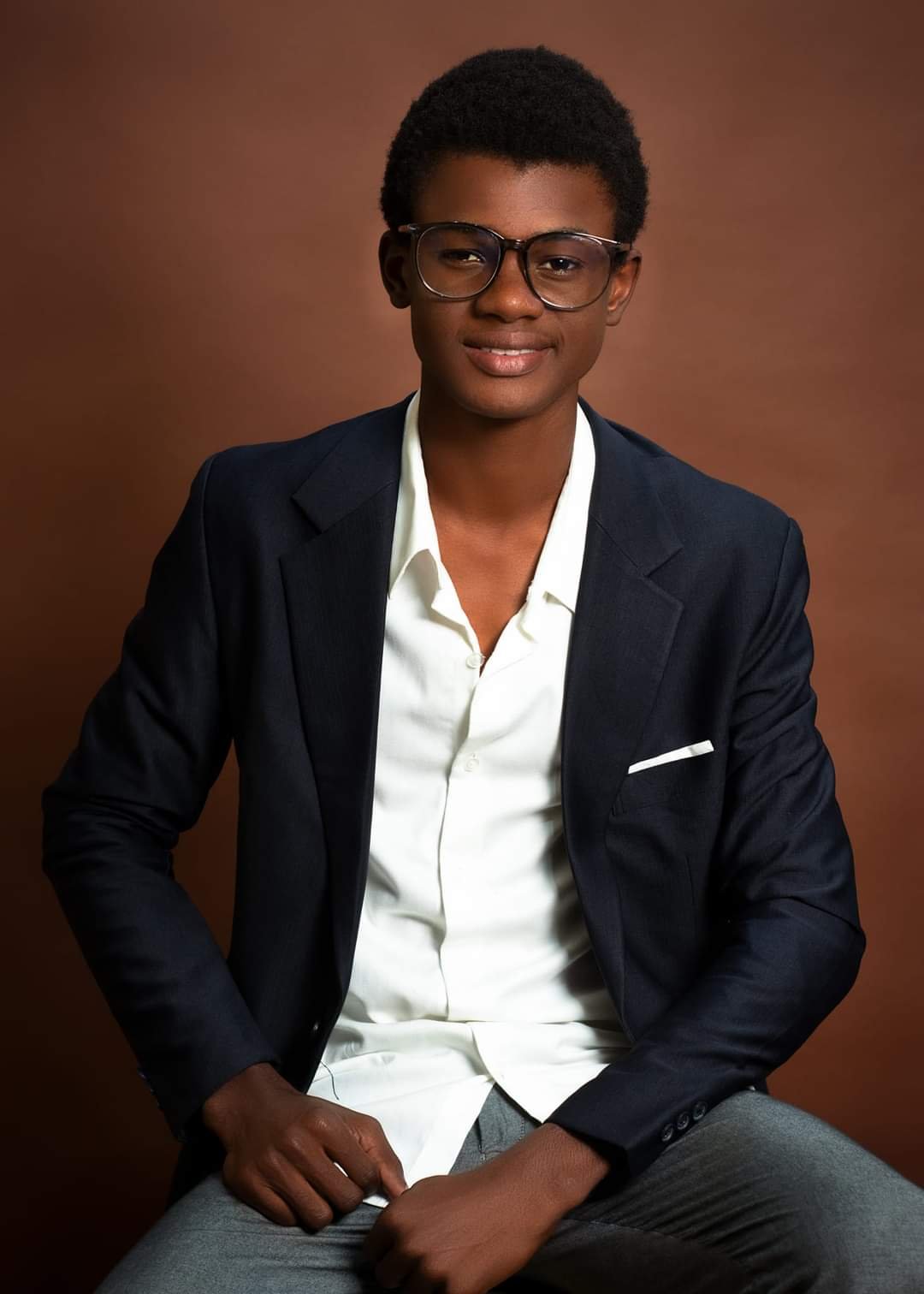
In 2025, the name Jephte Estiverne echoes ever louder in the Haitian literary world. A poet, linguist, and trained sports journalist, this young author with a meteoric rise, originally from Carrefour-Feuilles, is establishing himself as one of the most promising voices of his generation. Through personal insights and reflections, he shares his journey, his relationship with writing, his vision of the country, literature, and poetic commitment.
"I come from Carrefour-Feuilles, that’s the first thing to remember," he says right away, highlighting the significance of this neighborhood, now devastated by gang violence, but for years a place of grounding and personal roots in his development. The third of five children in a Christian family, he discovered writing in 2018a pivotal moment he calls foundational: "I was a solitary child, a quiet teenager... being in love with the words of others led me to search for my own," he confides.
Since that encounter with poetry, Jephte has published three collections: Bretèl Solèy, Ce que l’ange confie aux étoiles, and Naufrage, between 2021 and 2024. He also contributed to the anthology Chambres, edited by Lyonel Trouillot and Marie Bénédicte Loze. His sensitive and authentic voice has already earned him several honors, including a mention in the Chansons sans Frontières poetry contest and recognition among the winners of Mon histoire en mille mots.
But it is in 2025 that his talent truly explodes onto the scene. Winner of the Amaranthe Poetry Prize, champion of the first contest organized by the Port-au-Prince Book Fair, runner-up in the Evelyne Trouillot Prize, and finalist for the prestigious Balisaille International PrizeJephte is having an exceptional year. "This time last year, I wasn’t thinking about awards. But a fellow poet, Daryl Lorenzo Moïse, encouraged me to enter as many contests as possible. I prepared as best as I could… and it worked."
Yet, the young poet remains grounded, fully aware of the road still ahead. "It brings me great joy and a bit of pride, but I’m still far from where I want to be." This clarity is echoed in his critique of the Haitian publishing world: "It’s stagnant. There’s a lack of expertise, and printing problems persist. My first book was self-published, and although I had support for the other two, I sometimes feel I should have waited."
Jephte Estiverne’s poetry explores themes like love, desire, and country. However, he confides a desire to evolve toward other subjects. Writing, for him, is a fluctuating necessity: "Sometimes it’s a desire, sometimes a need. It depends on the day. Sometimes nothing comes, and I accept that." This fluid relationship with writing began in adolescence, nourished by books brought home by his sister. He started with sports articles and then published his first poems on Facebook in 2016, encouraged by those around him.
For Jephte, literature is a powerful tool: "It is the measure of all things in the world. It writes, it heals, it breaks, it sanctifiessometimes without even realizing it." While he admits that Haitian history isn’t yet a strong presence in his writing, he is working on it. "I’m a man of the moment. I try to create with what directly relates to my era."
His inspirations include literary giants like Lyonel Trouillot, Dany Laferrière, Yasmina Khadra, and also Jean D’Amérique, Gaël Faye, Christian Bobin, among otherswriters who have shaped his vision and voice.
Message to the Youth
"Read. Read everything. Read without moderation. Even when you don’t feel like it. Everything begins with reading." Despite the prevailing chaos, Haïti remains an inexhaustible source of inspiration for him: "I draw a lot from it. I like to write about what’s happening, what I hear…"
In these uncertain times, Jephte Estiverne’s poetry stands as a bright example, transmitting sparks of light. It rises like a sunny, resilient space that has earned him honors that reflect his youthful dedication.
It’s worth remembering that in these past two years in Haiti, many young people like Jephte Estiverne have gathered their creative energies to confront a collapsing state and society. His current journey is truly inspiring and clearly demonstrates why any nation should make it a priority to provide children access to the luminous practice of reading starting at the earliest age possible.
First black nation to free itself from slavery and gain independence from France in 1804 and influenced other liberation movements around the world, inspiring struggles for freedom and equality.
Natural beauty
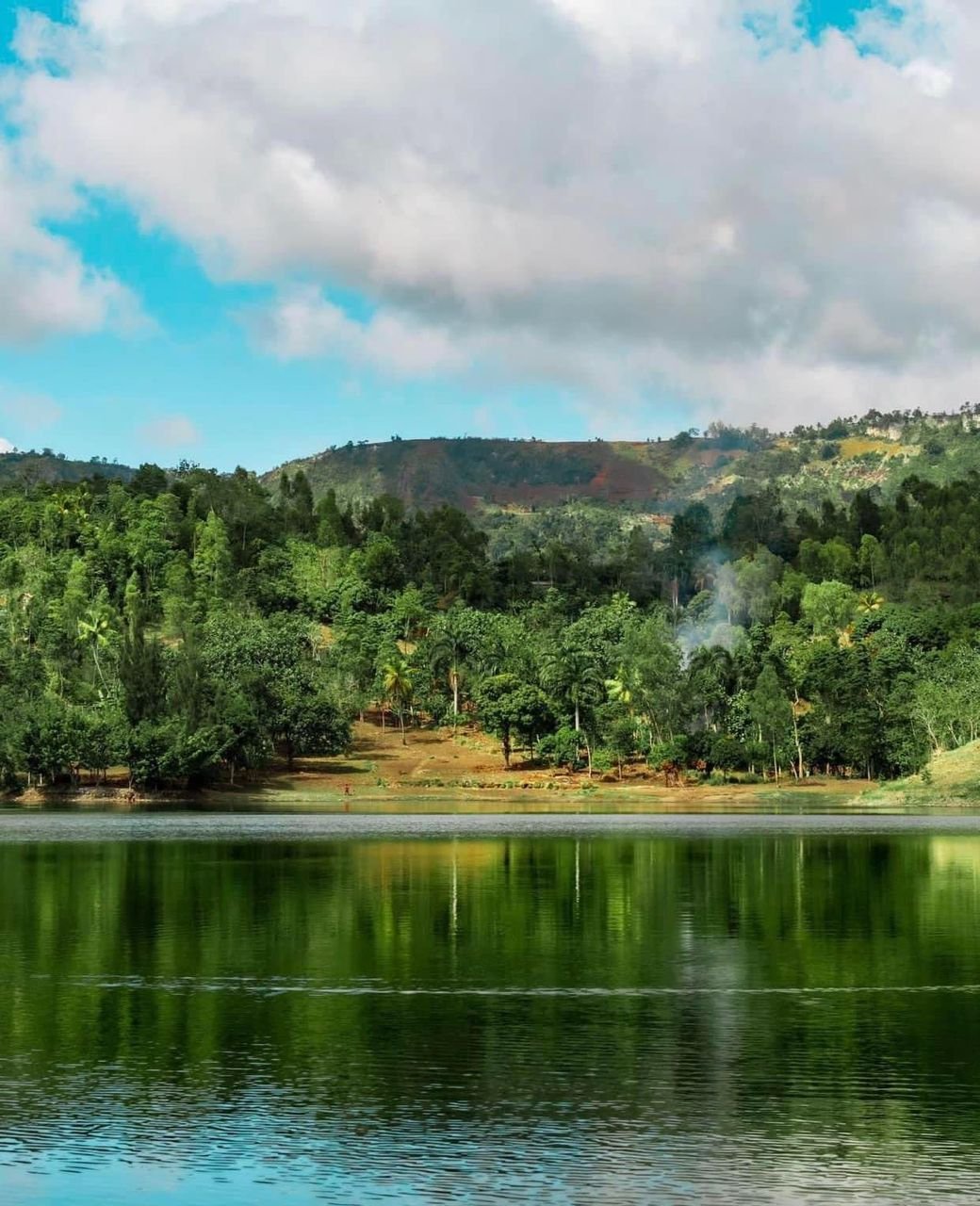
Haïti is blessed with spectacular natural landscapes, including white sand beaches, mountains and rich biodiversity.
Heritage
Haïti has a rich historical heritage, including sites like the Citadelle Laferrière and the Sans-Souci Palace, listed as UNESCO World Heritage Sites.
Culture
Haïti has a rich and diverse culture, influenced by African, European and indigenous elements. Haitian music, dance, art and cuisine are celebrated around the world.