Emmanuel Joseph, a Haitian Thinker at the Crossroads of Ethics and Law
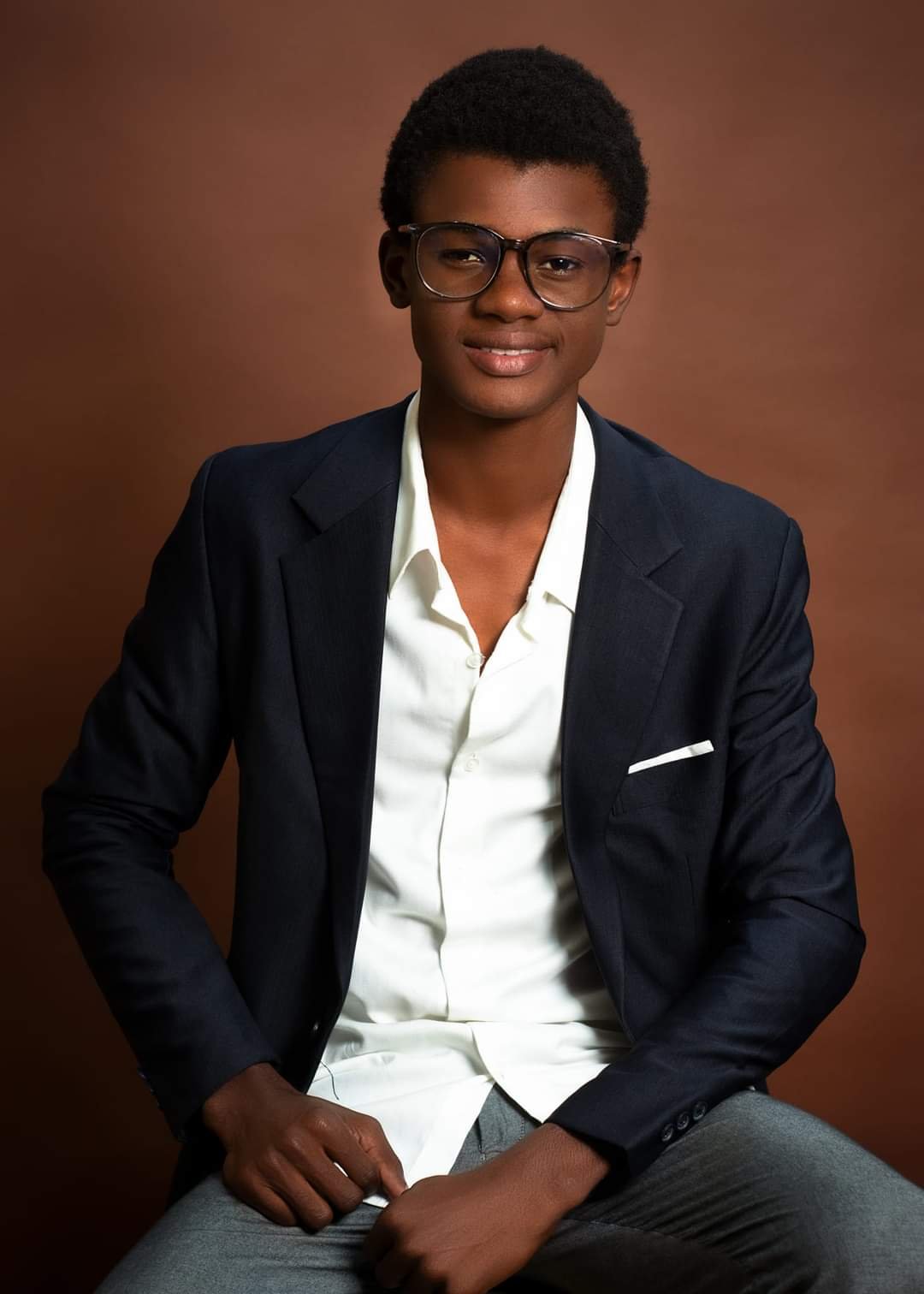
Originally from Bainet and raised in Petit-Goâve, Haiti, Emmanuel Joseph embodies one of the rising figures of the Haitian intelligentsia. A jurist, ethicist, and Ph.D. candidate in philosophy at the University of Sherbrooke (Canada), his journey reflects a rigorous commitment to justice, human rights, and critical thinking.
Local Roots, Global Outlook
Educated in Haiti’s public and religious schools, Emmanuel Joseph began his intellectual path at the Apostolic School of Petit-Goâve, then excelled at the Lycée Faustin Soulouque. His grades, consistently between 8 and 9 out of 10, demonstrated remarkable discipline and rigor from an early age. His university education began at the Faculty of Ethnology (FE) and the Faculty of Law and Economics (FDSE) of the State University of Haiti, where he earned his bachelor’s degree in November 2013. His academic profile sharpened in Canada, especially at the University of Quebec in Rimouski (UQAR), where he completed a master’s degree in philosophy/ethics in 2020, before pursuing a Ph.D. at the University of Sherbrooke, focusing on a broad yet fundamental theme: humanitarian action as experience.
An active member of several research networks, Emmanuel Joseph is affiliated with Ethos (UQAR), the Quebec Population Health Research Network (RRSPQ), CRIDAQ, and the Rhetoric and Argumentation Group of the Quebec Philosophy Society. This wide range of affiliations reflects the richness of his intellectual interests, spanning continental and analytical philosophy, applied ethics, human rights, philosophy of law, and political anthropology.
Joseph’s work extends beyond academia. He regularly speaks at conferences in Quebec, Haiti, and elsewhere, on topics such as cultural appropriation, humanitarian ethics, and decolonization. His article Cultural Appropriation: Ethical Issues, co-written with Dany Rondeau and published by L’Harmattan in 2021, illustrates his commitment to putting philosophy at the service of concrete struggles.
Between 2019 and 2022, he was a research assistant at UQAR. He also served as an external reviewer for academic work in ethics, management, and organizational performance. His time as an assistant in the master’s program in ethics saw him make significant contributions to discussions on cultural and political dynamics in contemporary societies.
Emmanuel Joseph’s merit has not gone unnoticed. He is a recipient of the University of Sherbrooke’s doctoral scholarship (since 2023), as well as several excellence awards during his master’s studies, including the Marcelle-Drapeau, Desjardins, Servants of Our Lady, and City of Rimouski scholarships.
In his writings and public appearances, even on social media, Emmanuel Joseph defends an ethic of responsibility, open to interculturality and aware of colonial legacies. At a time when Haïti faces major social, political, and educational challenges, his intellectual approach represents a beacon of hope: that of a rigorous Haitian thought, grounded in reality and oriented toward the world.
Emmanuel Joseph has already gone beyond the stage of a brilliant student. He now stands as a role model for young Haitian academics. Through his exceptional journey, he demonstrates the existence of a path to success through excellence. Thanks to his remarkable academic journey, he is a transmitter of knowledge, a critical observer, and an inspiring figure for youth.
In these uncertain times, his trajectory reminds us that thought remains a form of action, and that sincere intellectual commitment can still help illuminate the fate of a people plunged into darknessand offer solid foundations for the genuine improvement of our collective future.
First black nation to free itself from slavery and gain independence from France in 1804 and influenced other liberation movements around the world, inspiring struggles for freedom and equality.
Natural beauty
Haïti is blessed with spectacular natural landscapes, including white sand beaches, mountains and rich biodiversity.
Heritage
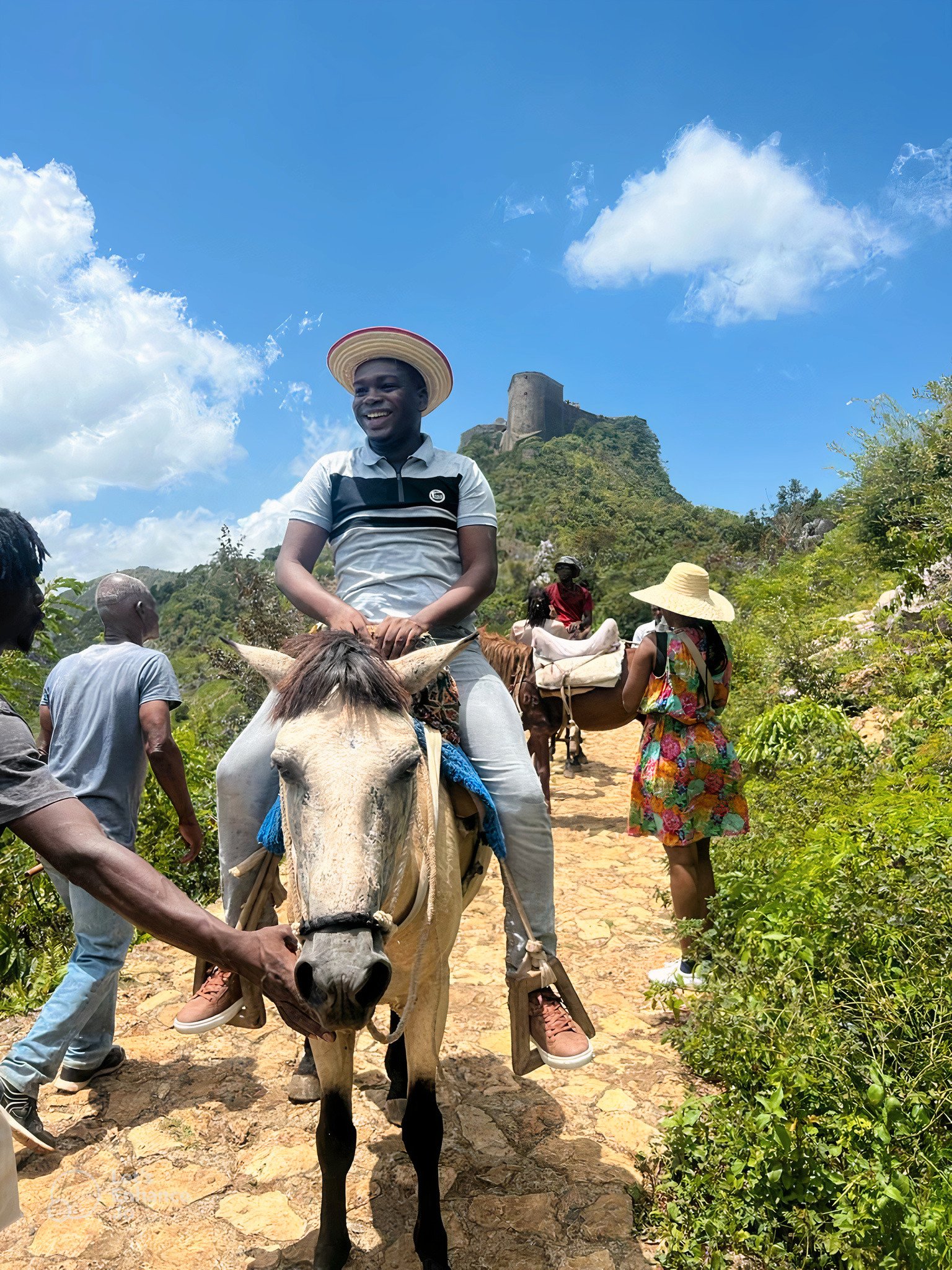
Haïti has a rich historical heritage, including sites like the Citadelle Laferrière and the Sans-Souci Palace, listed as UNESCO World Heritage Sites.
Culture
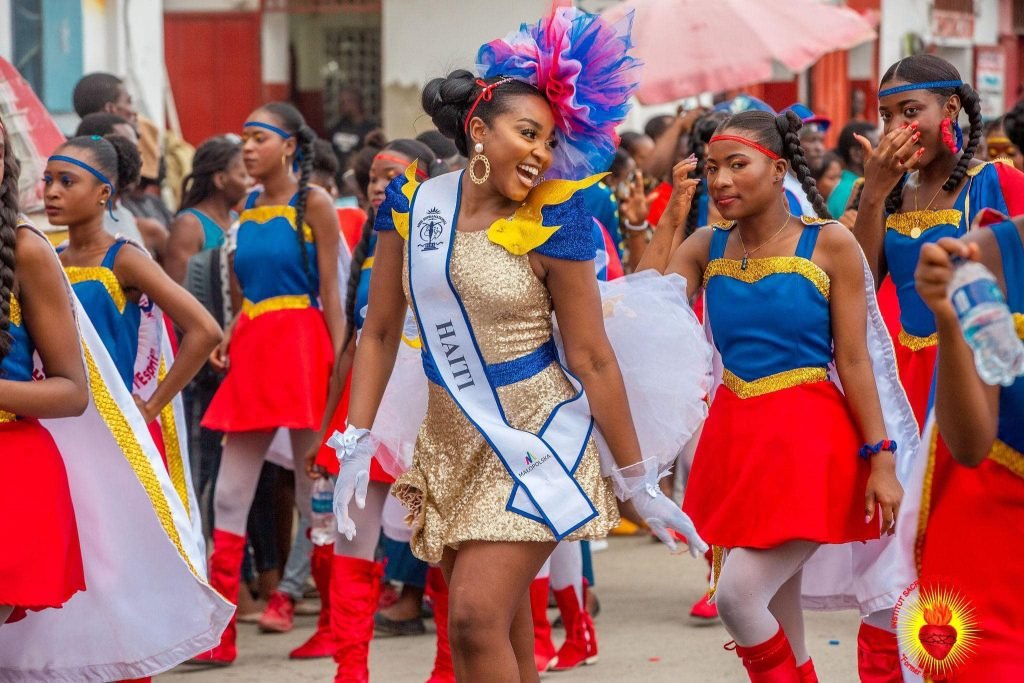
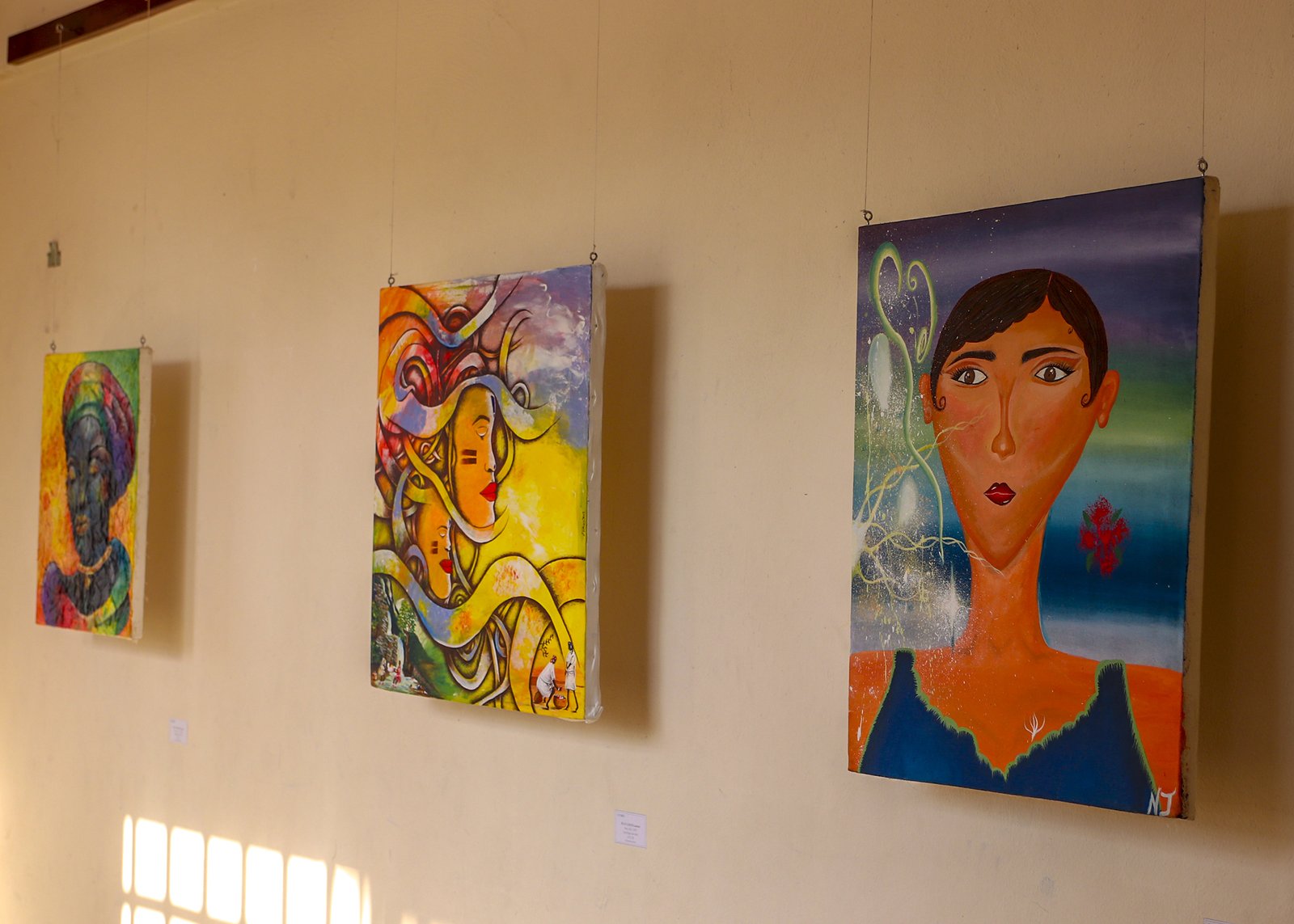
Haïti has a rich and diverse culture, influenced by African, European and indigenous elements. Haitian music, dance, art and cuisine are celebrated around the world.




































Mes félicitations pour cet article !
May 20, 2025 - 10:27:14 PM