contact@haitiwonderland.com+509 36184317

Discover

Shopping Cart

Haiti: Discovering Lake Péligre

Haiti: Discovering Lake Péligre

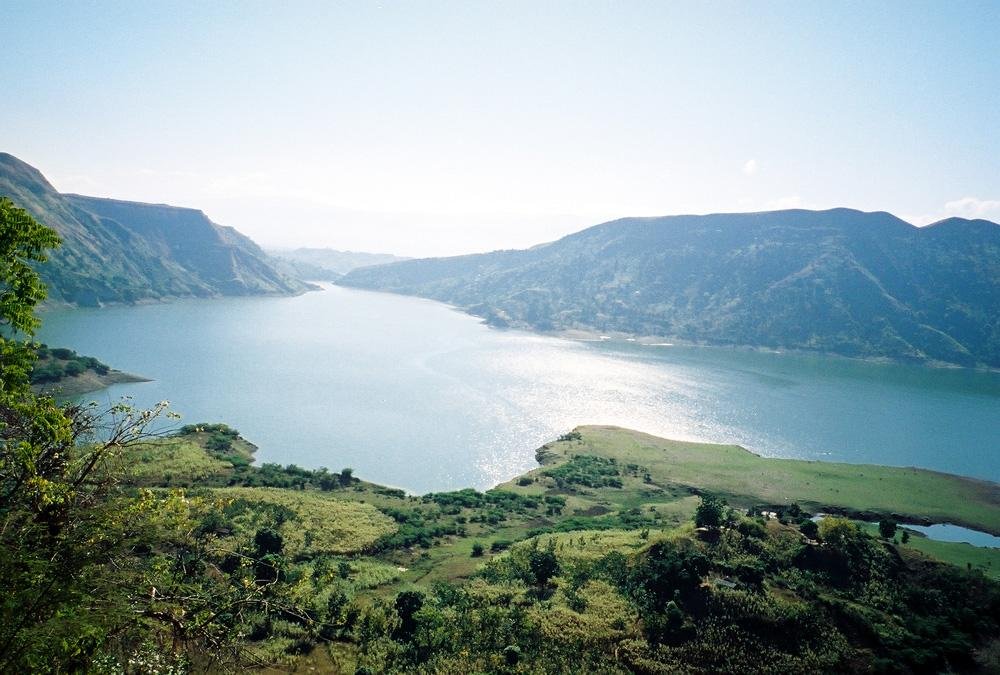
At the heart of the majestic Haitian topography, lies a natural gem of breathtaking beauty: Lake Péligre. Nestled in the mountains of Haiti’s central region, this artificial lake is a wonder for local residents and amazed visitors alike. From its historical creation to its contemporary ecological importance, let’s explore together the riches of Lake Péligre.

Origin and History:
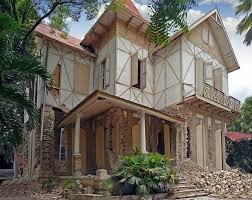

Lac de Péligre is the result of an ambitious engineering project undertaken in the 1950s. At that time, the Haitian government, in collaboration with international partners, undertook the construction of the Péligre Dam on the Artibonite River. The main goal was to provide large-scale electricity to Haïti while regulating river flooding to protect agricultural land downstream.

Ecology and Biodiversity:

Beyond its usefulness as a source of hydraulic energy, Lake Péligre is home to rich ecological diversity. The calm waters of the lake provide vital habitat for a variety of native fish species, supporting local fishing communities. In addition, the surrounding forests and hills that border the lake are home to diverse flora and fauna, contributing to the preservation of the regional ecosystem.

Tourism and Leisure:

For outdoor enthusiasts and nature enthusiasts, Lake Péligre offers a multitude of leisure opportunities. Visitors can enjoy peaceful boat rides on the tranquil waters of the lake, offering panoramic views of the surrounding mountains. Additionally, hiking trails winding through lush forests allow hikers to explore the area’s natural beauty.

Lake Péligre represents much more than a simple artificial body of water. It is a living testament to human ingenuity and the natural beauty of Haiti. As an emerging tourism destination, it offers visitors an immersive experience in nature, while highlighting the crucial importance of environmental conservation. By preserving this natural treasure, we also preserve the sustainable future of our planet.

Share
About the Author
Haïti Wonderland
Haïti Wonderland
Leave a comment

Recently Posted

Haïti: The Pearl of the Antilles

Located in the Caribbean Sea, Haïti is often nicknamed "The Pearl of the Antilles". This laudatory title not only reflects the beauty of its idyllic beaches, but also the history, culture and natural wealth of this island nation. Throughout the centuries, Haïti has acquired this prestigious reputation for various reasons, which go beyond its picturesque landscapes. b~Natural Beauty:~b Haïti is blessed with an abundance of natural beauty. Its sandy beaches, crystal clear waters, majestic mountains and lush valleys make it a dream destination for travelers from all over the world. Generous nature has endowed Haïti with impressive ecological diversity, which has helped shape its image as the pearl of the Antilles. b~Cultural Wealth:~b Beyond its landscapes, it is the richness of Haïtian culture which contributes to its reputation as a pearl. Haïti has a fascinating history, blending influences from indigenous Taino people, European settlers and African slaves. This cultural fusion gave rise to a unique artistic and musical tradition, embodied in expressions such as voodoo, naive painting and compass music. b~Historical Heritage:~b Haïti has played a central role in the history of the struggle for freedom and equality. In 1804, it became the first independent republic in Latin America and the Caribbean, after a revolution led by freed slaves. This courageous act of independence established Haïti as a symbol of resistance and determination, adding a historic dimension to its status as the pearl of the Antilles. b~Natural Resources~b Haïti is abundant in valuable natural resources, which has contributed to its nickname as the Pearl. Mineral-rich mountains, fertile soils and abundant water reserves have made Haïti a land of opportunity. Haïti, the pearl of the Antilles, is much more than just a tourist destination. It is a country whose natural beauty, cultural richness, historical heritage and natural resources contribute to a unique identity. It remains a jewel in the crown of the Caribbean, reminding the world of the strength and resilience of the Haïtian people.

Newsletter

Subscribe to our newsletter to stay informed of all our activities and news on Haiti.

Haiti: The Center department, one of the departments most resistant to natural earthquakes

The Center department, commonly called Plateau Central, is one of the ten (10) departments of Haïti most robust in the face of certain natural phenomena. Before becoming one of the ten (10) departments of Haiti, the Center department was part of the Great North. It is renowned for its natural landscapes, its biosphere climate and its resistance to certain natural phenomena. In addition to its natural productions such as corn, millet and livestock, the Center department is also known for its high mountains which constitute a robust defense against certain natural phenomena such as earthquakes and floods. Composed mainly of high mountains, the department of Charlemagne Peralte and Benoît Batravil is the only one of the ten (10) not to have an outlet to the sea. However, its inhabitants take advantage of the vast rivers, rivers and lakes which cross it . With an area of ​​3,487 km², the population of the Center department is estimated at 678,626 according to a study carried out in 2009. On this same area, the department is divided into four (4) districts and twelve (12) communes. Bordered to the east by the Dominican Republic, the Center department connects other departments of the country such as Nord and Artibonite, and connects the two countries of the island through border areas like Balladère, Hinche and Cerca Carvajal. In the Center department, there are sites that could attract tourists for their natural beauty. In Saut d’Eau, there is the Saut d’Eau waterfall, in Hinche we find the Zim basin, the Péligre lake, the Péligre hydroelectric dam, the Artibonite river, and the Deux river (2 ) Rooms in Thomonde, more precisely in "El Manni", not far from the communal section of Caille-Epin. Thanks to its strong mountains and its natural climate, the Center department remains one of the most resistant departments in the event of an earthquake in Haiti.

Haiti: Ministry of Tourism

In its quest to revitalize its tourism industry and highlight its natural and cultural riches, Haïti relies on a key player: the Ministry of Tourism. As a government entity dedicated to the promotion and development of tourism, this ministry plays a crucial role in transforming Haïti into a leading tourist destination. One of the main objectives of the Ministry of Tourism is to strengthen the attractiveness of Haïti to international travelers. To do this, it develops innovative marketing campaigns, highlighting the country’s pristine beaches, fascinating historical sites, rich culture and exquisite cuisine. These efforts aim to change the perception of Haïti and generate interest among potential tourists around the world. In collaboration with private sector players, the ministry is committed to supporting and promoting local tourism businesses. By encouraging entrepreneurship and innovation in the tourism sector, the ministry helps create jobs and stimulate the local economy. The Ministry of Tourism also attaches great importance to the preservation of the environment and cultural heritage of Haiti. It implements policies and initiatives aimed at protecting the country’s natural sites, national parks and historic monuments. By encouraging sustainable and responsible tourism, the ministry ensures that future generations will also be able to enjoy the beauty and cultural richness of Haiti. Finally, the Ministry of Tourism works closely with other national and international organizations to promote Haiti’s tourism development. Through strategic partnerships and exchanges of best practices, Haïti benefits from the expertise and support necessary to strengthen its tourism sector and increase its competitiveness in the global market. Haiti’s Ministry of Tourism is a key player in transforming the country into an attractive and sustainable tourist destination. Through its continued efforts to promote tourism, support local businesses, and preserve Haiti’s natural and cultural heritage, the ministry is paving the way for a bright future for the country’s tourism industry.

Jacmel: the Haitian city whose history is linked to the liberation of Latin America

Jacmel is a city located on the southern coast of Haiti, specifically in the southeastern department. To this day, the city is known for its well-preserved colonial architecture and rich historical heritage, as well as its carnival, one of the most famous in the Caribbean. Jacmel is one of the oldest cities in Haiti. Its origins, according to some historians, trace back to the time of the Taíno people, the island’s first inhabitants, who lived here long before the arrival of Christopher Columbus and his settlers in 1492. Long before it became Jacmel, this city in southeastern Haïti was called Yakimel. The renaming of Jacmel was carried out by the French during their colonization of the western part of the island of Hispaniola. Over the years, Jacmel has transformed into a city where living well blends with the beauty of the sea, in the hearts of its visitors. Nature is fully embraced here, and the sea remains a source of joy throughout the day. Jacmel offers all of this, in addition to its glorious past, which anchors it as a major location in Haiti’s grand history. With its unique charm, Jacmel is among the Haitian cities that can leave a lasting impression. In the 1950s and 60s, until the early 1980s, Jacmel was one of the most popular tourist destinations in the Caribbean due to its reputation as a city with unmatched natural beauty and grace. During this time, the Jacmel coastline warmly welcomed cruise ships filled with tourists from all corners of the world. It was also during this period that Jacmel was one of the most commercially active cities in Haiti, among the country’s most economically flourishing, thanks to the significant influx of tourists.

Recently Posted

History

History

First black nation to free itself from slavery and gain independence from France in 1804 and influenced other liberation movements around the world, inspiring struggles for freedom and equality.

Natural beauty

Natural beauty

Haïti is blessed with spectacular natural landscapes, including white sand beaches, mountains and rich biodiversity.

Heritage

Heritage

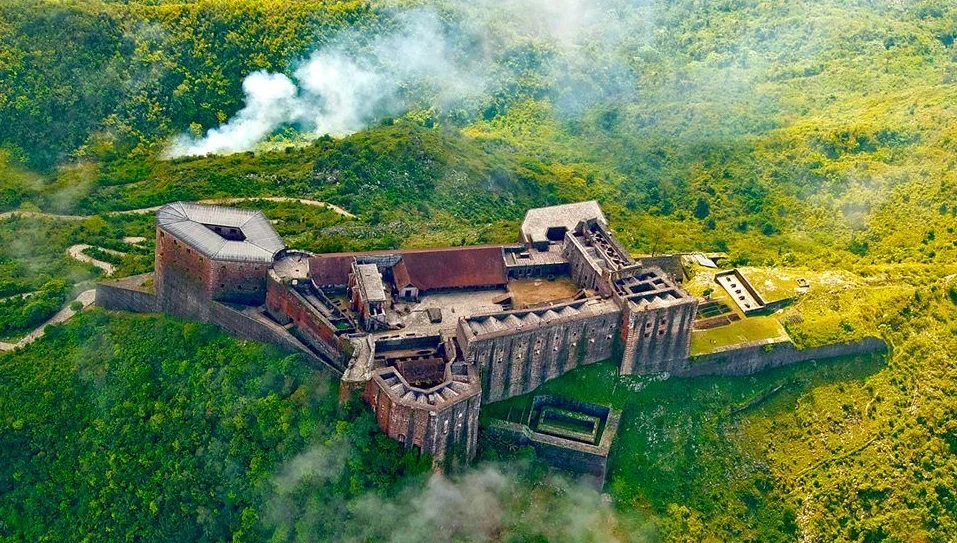
Haïti has a rich historical heritage, including sites like the Citadelle Laferrière and the Sans-Souci Palace, listed as UNESCO World Heritage Sites.

Culture

Culture

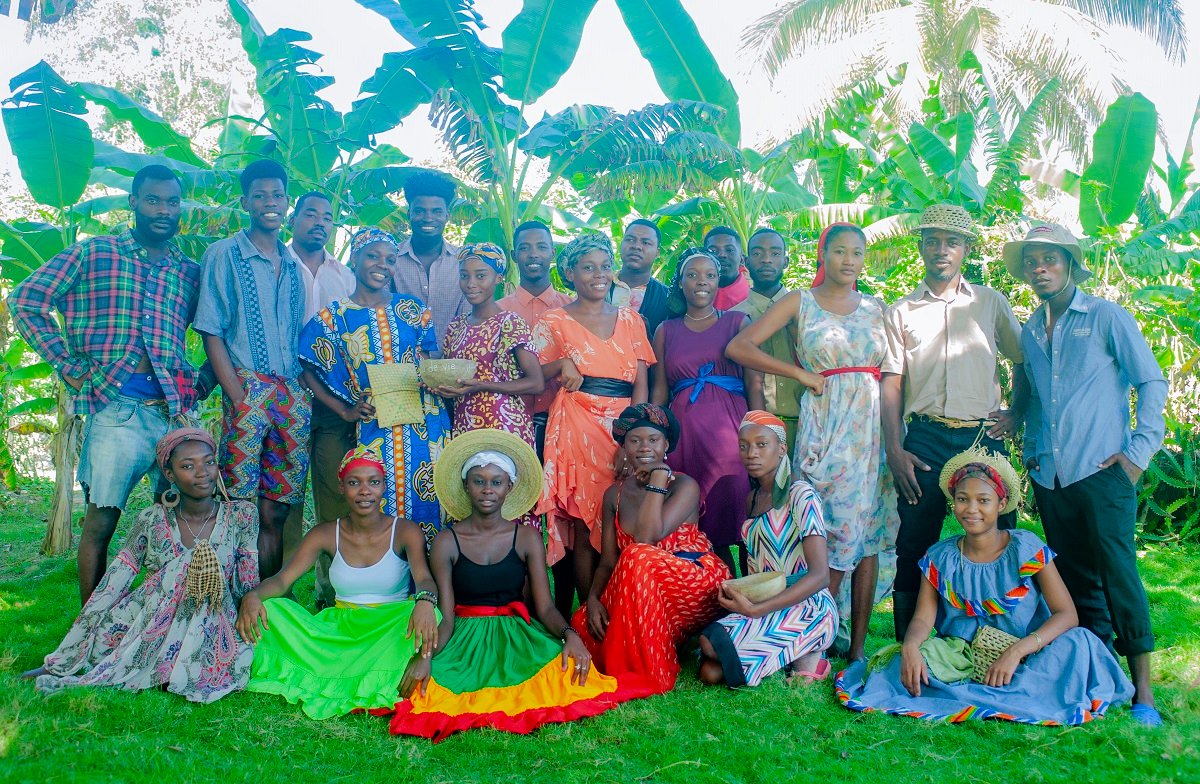
Haïti has a rich and diverse culture, influenced by African, European and indigenous elements. Haitian music, dance, art and cuisine are celebrated around the world.

  • +
    • Post