contact@haitiwonderland.com+509 36184317

Discover

Shopping Cart

Haiti: The Ministry of Economy and Finance (MEF) Launches the 2025-2030 Recovery and Development Plan from the Far North
  • News
  • September 07, 2025

Haiti: The Ministry of Economy and Finance (MEF) Launches the 2025-2030 Recovery and Development Plan from the Far North

Haiti launches its 2025-2030 Recovery Plan from the Far North: economy, social services and institutions, heading for a more prosperous future.

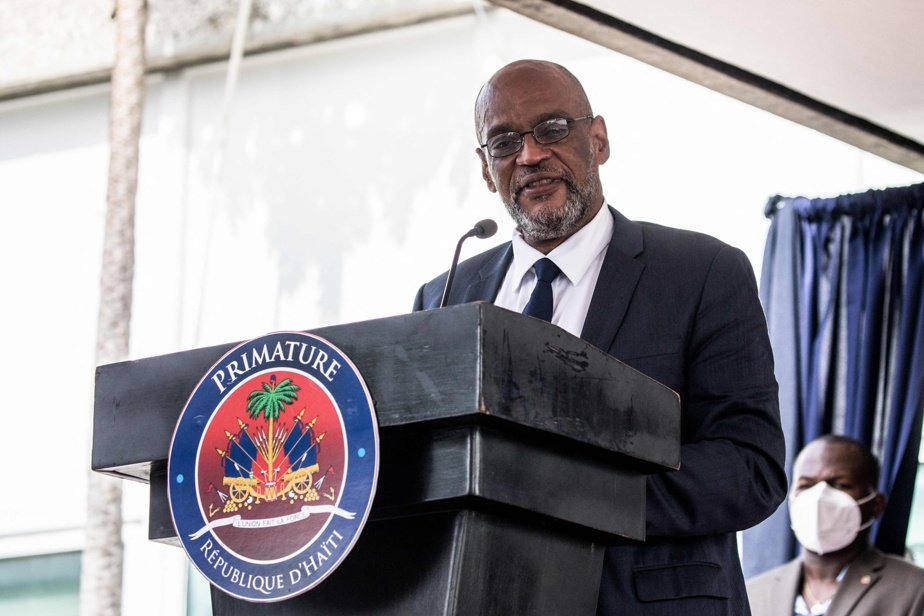
Cap-Haïtien, September 4-6, 2025 The Hostellerie Roi Henry Christophe was the scene of a major event for the country’s future: the official launch of the 2025-2030 Recovery and Development Plan by the Ministry of Economy and Finance (MEF), under the leadership of Minister Alfred Fils METELLUS.

This initiative, carried out in collaboration with several sectoral ministries and technical and financial partners, has the ambitious objective of revitalizing the Haitian economy, strengthening basic social services, and consolidating public institutions.

CP : MakoLove
CP : MakoLove
CP : MakoLove

Building Haiti’s Future: An Inclusive and Participatory Plan

The MEF has chosen the Far North as the starting point for this recovery process. The North, North-West, and North-East departments were the focus of the initial consultations, due to their industrial, agricultural, tourism, and cultural potential, as well as their challenges in infrastructure, social services, and governance.

This regional tour is part of a series of inclusive consultations aimed at integrating territorial priorities and local realities into the national plan.


See as well

Three Days of Debates and Consultation

Day 1 September 4, 2025

Discussions began with local authorities, civil society, and the private sector. Together, they identified the main challenges and proposed medium-term solutions to revive the economy and improve public services.

Day 2 September 5, 2025

The day was dedicated to local authorities and young leaders. Youth organizations expressed their frustrations but also made constructive proposals that will play a key role in achieving the plan’s objectives.

Day 3 September 6, 2025

The tour concluded with a meeting with journalists and media stakeholders at the Ekologik Resort. This opportunity for sharing ensured that the population’s key messages were heard and that they would be reflected in future decisions.

Key Objectives of the Consultations

The MEF defined three main objectives for this round of consultations:

Inform and raise awareness about the three pillars of the plan and the rationale guiding future interventions.

Collect and prioritize the needs expressed by elected officials, the private sector, civil society, and youth.

Strengthen consultation between the State, local authorities, socioeconomic stakeholders, and technical and financial partners to better coordinate efforts.

Toward Concrete and Measurable Results

These consultations aim to generate:

Recommendations adapted to the unique context of the Far North.

A clear prioritization of priority projects to ensure efficient resource allocation.

Strengthened engagement of local stakeholders to ensure the plan reflects their aspirations.

Sustainable dialogue between the state and local authorities to improve governance and coordination of future initiatives.

A Strong Signal for the Future

This 2025-2030 Recovery and Development Plan constitutes a prioritized investment framework and a strategic budgetary orientation. It does not start from scratch: it incorporates lessons from previous experiences to ensure a realistic, inclusive, and action-oriented approach.

With this launch in the Far North, the MEF is sending a strong signal: Haïti is ready to turn the page on economic stagnation and build a more prosperous, equitable, and resilient future.

Conference / Festival Quatre Chemins / 21st edition

Conference / Festival Quatre Chemins / 21st edition

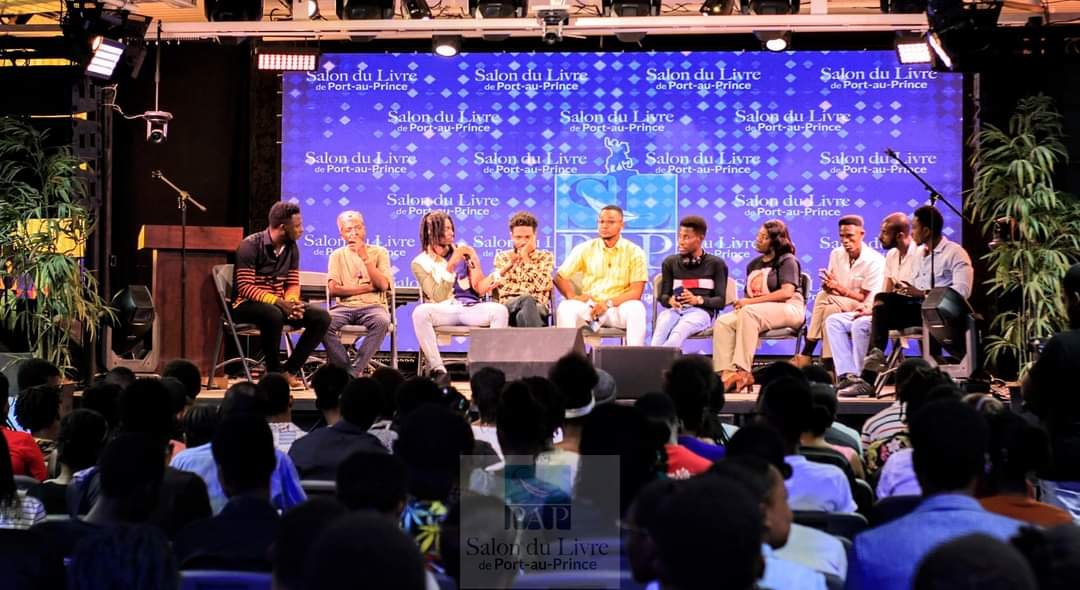
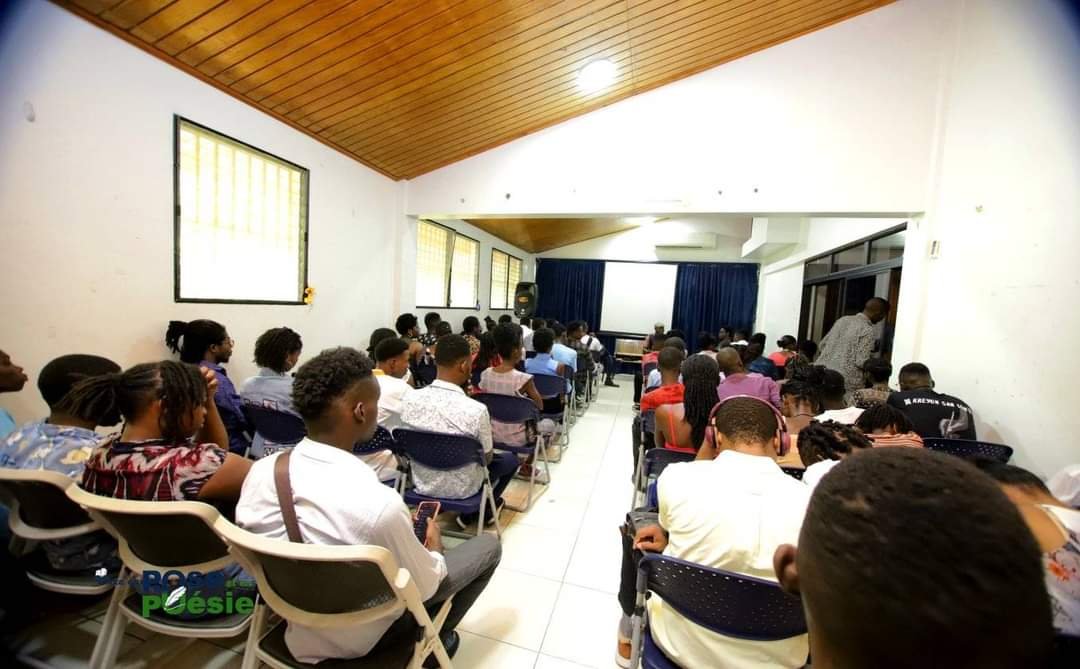
The impact of collective and individual trauma on the personal development of young people in Port-au-Prince While writers, actors, dancers, poets, among others, have gratified us with their performances, the master’s degree student in psychology at the Faculty of Human Sciences (FASCH), Lourdya Blaise, spoke with the audience about trauma. Structured around the theme "Youth and Trauma, analysis of the impact of collective and individual trauma on the personal development of young people living in Port-au-Prince between 2010-2024", this conference gave rise to enriching discussions. During this meeting, moderated by Michaël Formilus, Ms. Blaise showed how the events that have taken place in the country have caused cases of trauma among Haitians. According to the student, citing the American Psychological Association, we speak of trauma as a consequence of trauma. The latter is explained by the fact that we feel threatened, whether it is the person in question or their loved ones. However, she specifies that a collective trauma remains depending on the impact that the event has on the individual. To illustrate her remarks, she mentioned the earthquake of January 12, 2010, considered a collective trauma, insofar as it still occupies our minds. This tragedy reminds us of the disappearance of our loved ones and enormous losses. This is the case of a trauma that becomes a collective trauma. For the student, it should be emphasized that when an event occurs, some people are traumatized and others are not. According to him, the violence of armed gangs is not perceived in the same way, says Ms. Blaise. There are people who have fled their homes but are not traumatized. In fact, some people see traumatic situations as a passing event, she says. The speaker also spoke about collective trauma, which, according to him, preoccupies the mind, even if we no longer experience it. It manifests itself in several forms: lack of sleep, fear psychosis, intrusive thoughts, intense heartbeat, etc. Generally, symptoms related to trauma are hard to die. When it persists, it becomes acute stress. To deal with it, we must talk to other people. If the situation persists, acute stress turns into a phase of post-traumatic stress; in this case, we must confide in a trusted person or go see a mental health specialist, she advises. In her presentation, Lourdya Bazile also drew attention to the psychological state of children in these times. According to the presenter, children are also facing this crisis situation, even if they do not talk about it to their parents. As much as adults, children also plan their future. Faced with flouted school years, they become pensive and worried, she stressed. They withdraw. The child who used to be brilliant can become violent and perform less well at school. Parents are called upon to listen to them and understand them. A good moment of exchange, rich in practical advice. The audience participated fully. In turn, the presenter invites them to breathe better and meditate. "We live in a country where worries mix, we must take time for ourselves, do sports, eat well, make sure that the sleeping space is clean and take time for ourselves. There is more than one way to find calm," recalls the psychologist. Gertrude Jean-Louis

Share
About the Author
Appolon Guy Alain
Appolon Guy Alain
Appolon Guy Alain

Full Stack Developer, Créatif, expérimenté, passionné des nouvelles technologies et de l’art.

See other articles from Appolon Guy Alain
Leave a comment

Recently Posted

Newsletter

Subscribe to our newsletter to stay informed of all our activities and news on Haiti.

Recently Posted

History

History

First black nation to free itself from slavery and gain independence from France in 1804 and influenced other liberation movements around the world, inspiring struggles for freedom and equality.

Natural beauty

Natural beauty

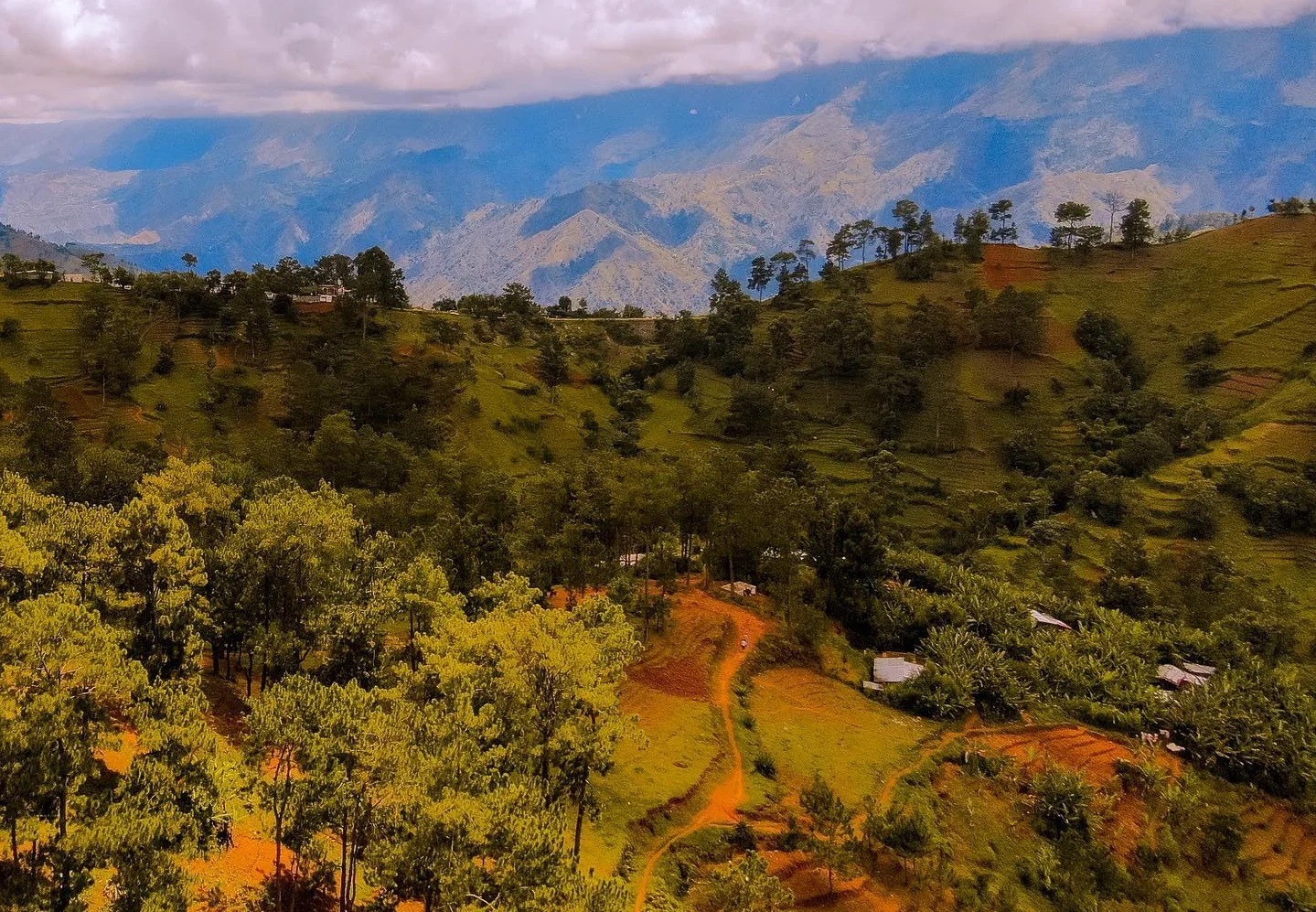
Haïti is blessed with spectacular natural landscapes, including white sand beaches, mountains and rich biodiversity.

Heritage

Heritage

Haïti has a rich historical heritage, including sites like the Citadelle Laferrière and the Sans-Souci Palace, listed as UNESCO World Heritage Sites.

Culture

Culture

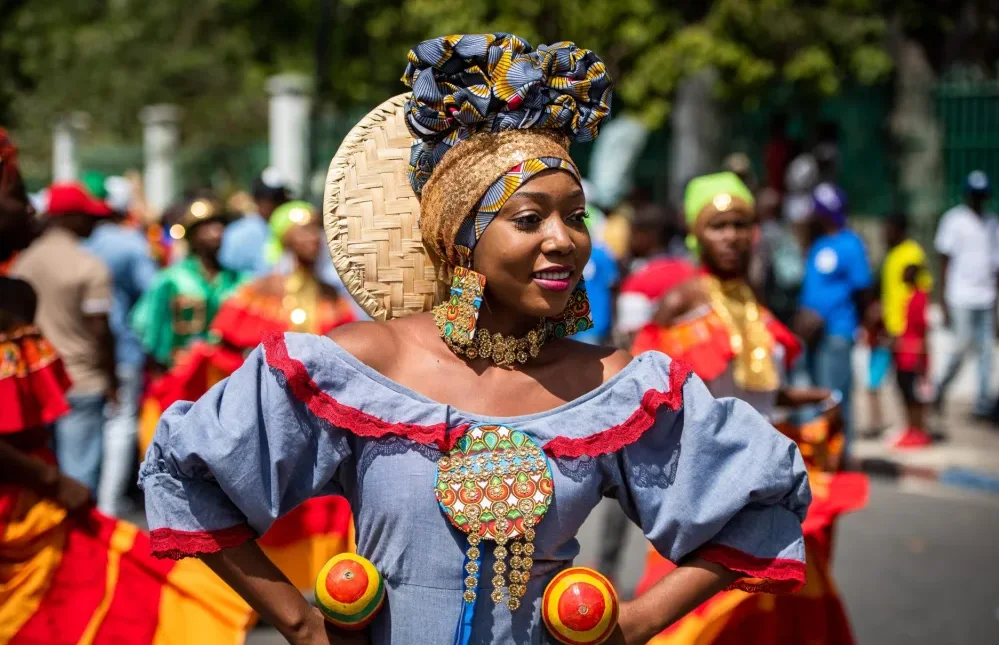
Haïti has a rich and diverse culture, influenced by African, European and indigenous elements. Haitian music, dance, art and cuisine are celebrated around the world.

  • +
    • Post