contact@haitiwonderland.com+509 36184317

Discover

Shopping Cart

Haiti, the Caribbean country with a rich and unmatched history

Haiti, the Caribbean country with a rich and unmatched history

Haïti is this small Caribbean country whose almost entire history is made up of great atrocities and a more than fabulous feat that a group of men had to accomplish for their own survival. The country was born at the heart of a story of resistance, of great importance and unparalleled in certain aspects, which can be proudly told to the rest of the world.

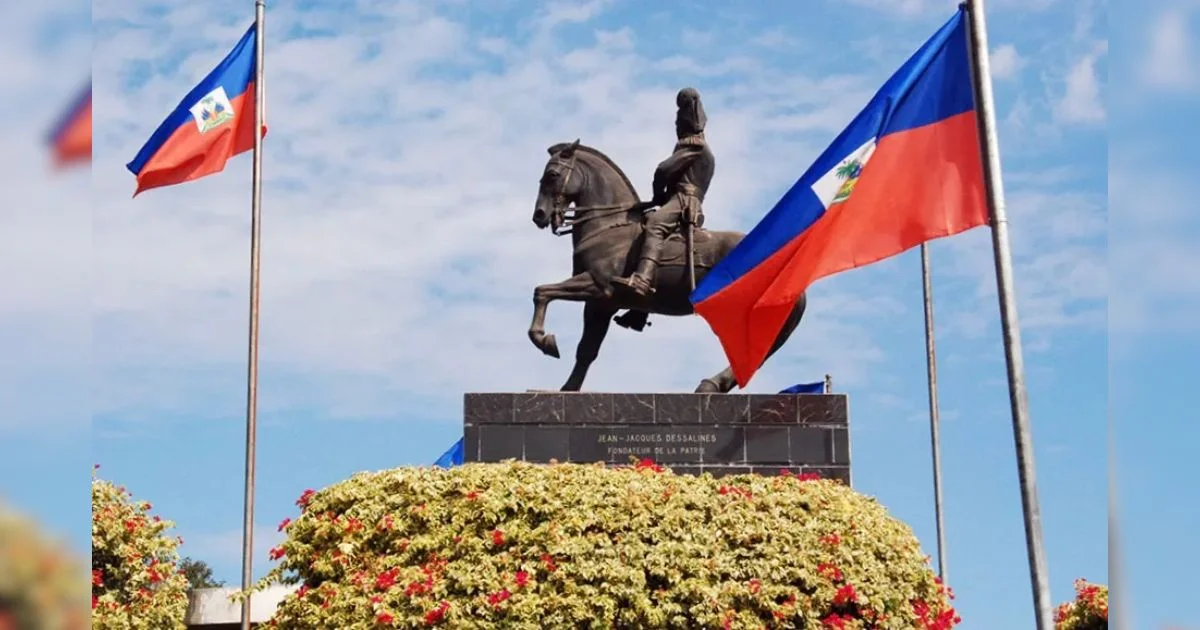
Haiti’s history is capable of awakening in any man, strong feelings against any form of injustice, with the power to inspire the revolt of the weakest against any criminal tendency of injustice. In this regard, it would be appropriate to consider Haïti as a great country, given the richness of its history. Although the country has gone through difficult times at certain points in its past and has a present with dark spots in some of its areas, it remains, nonetheless, the country of Toussaint Louverture, Jean-Jacques Dessalines, Henri Christophe, and Alexandre Pétion (father of Pan-Americanism). And above all, a country with a rich history, capable of competing with the richest histories of the world.

Haïti
Haïti
Haïti

The arrival of Christopher Columbus

The arrival of Christopher Columbus on the island of Hispaniola coincided with the landing of barbarism and genocide in the lives of the essentially peaceful indigenous peoples who populated the American continent before 1492. The brutal reign of the French colonists, after the Treaty of Ryswick in 1697, which ceded the western part of Hispaniola to them, is a notable black mark in this part of Haiti’s history. For the French colonists are largely responsible for the transatlantic slave trade. They were the first to decide to go to Africa, seize the Blacks, and bring them to the slave fields of Saint-Domingue. These fields, places of torment for the minds of the Blacks of that era, were where the most abominable atrocities prevailed everywhere, in everything. It is also important to note that the indigenous peoples, unable to withstand the inhuman barbarism of slavery, were the first victims of this evil system. It was to replace them that the Blacks were brought to the American continent, as they had suffered a genocide perpetrated by the European colonists.

Haïti
Haïti
Haïti

The resistance of Toussaint and the triumph of Dessalines

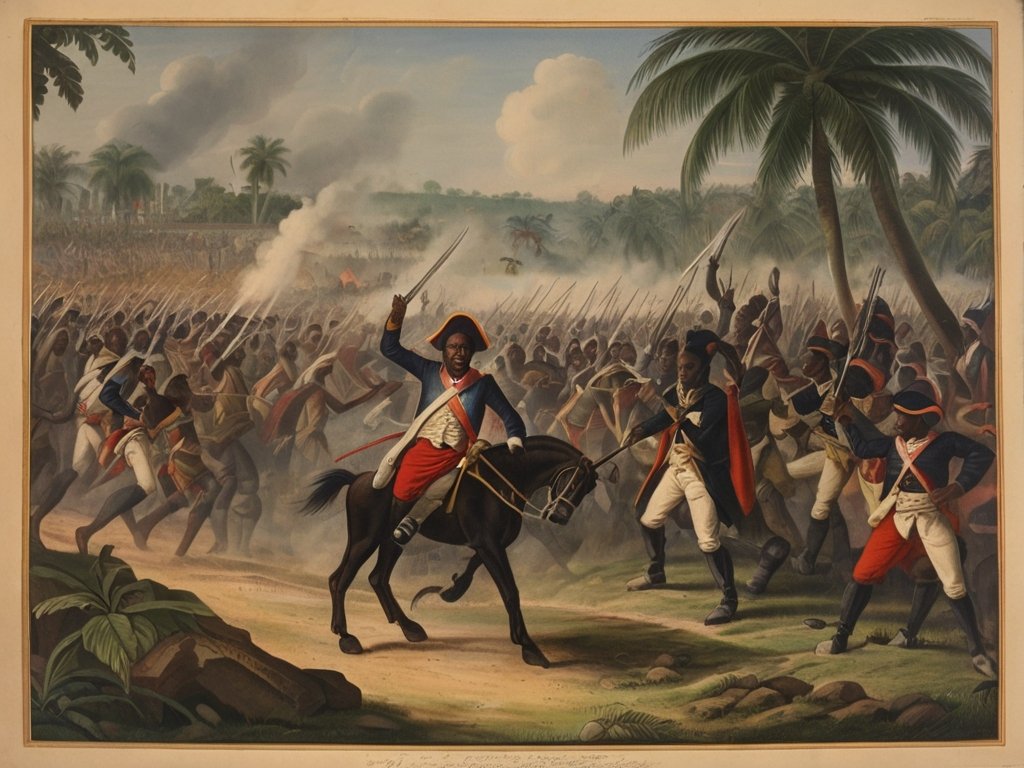
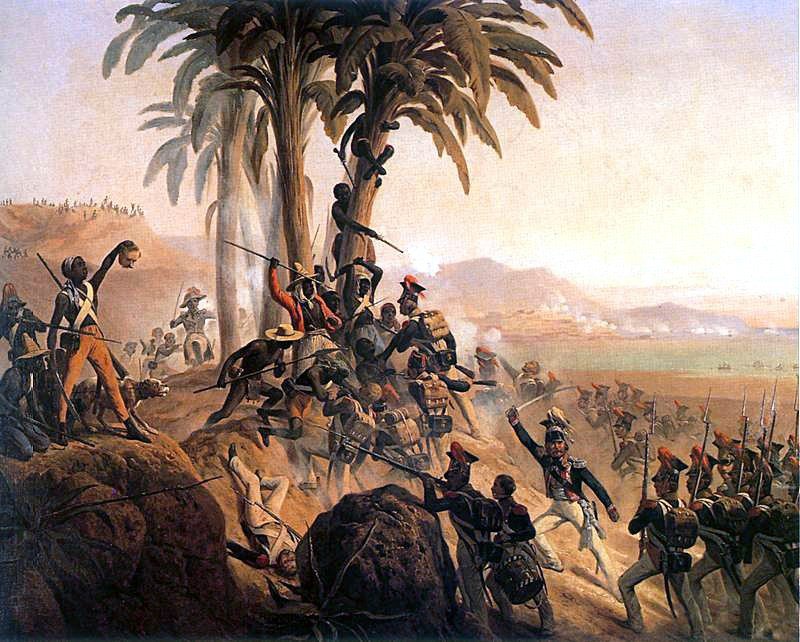
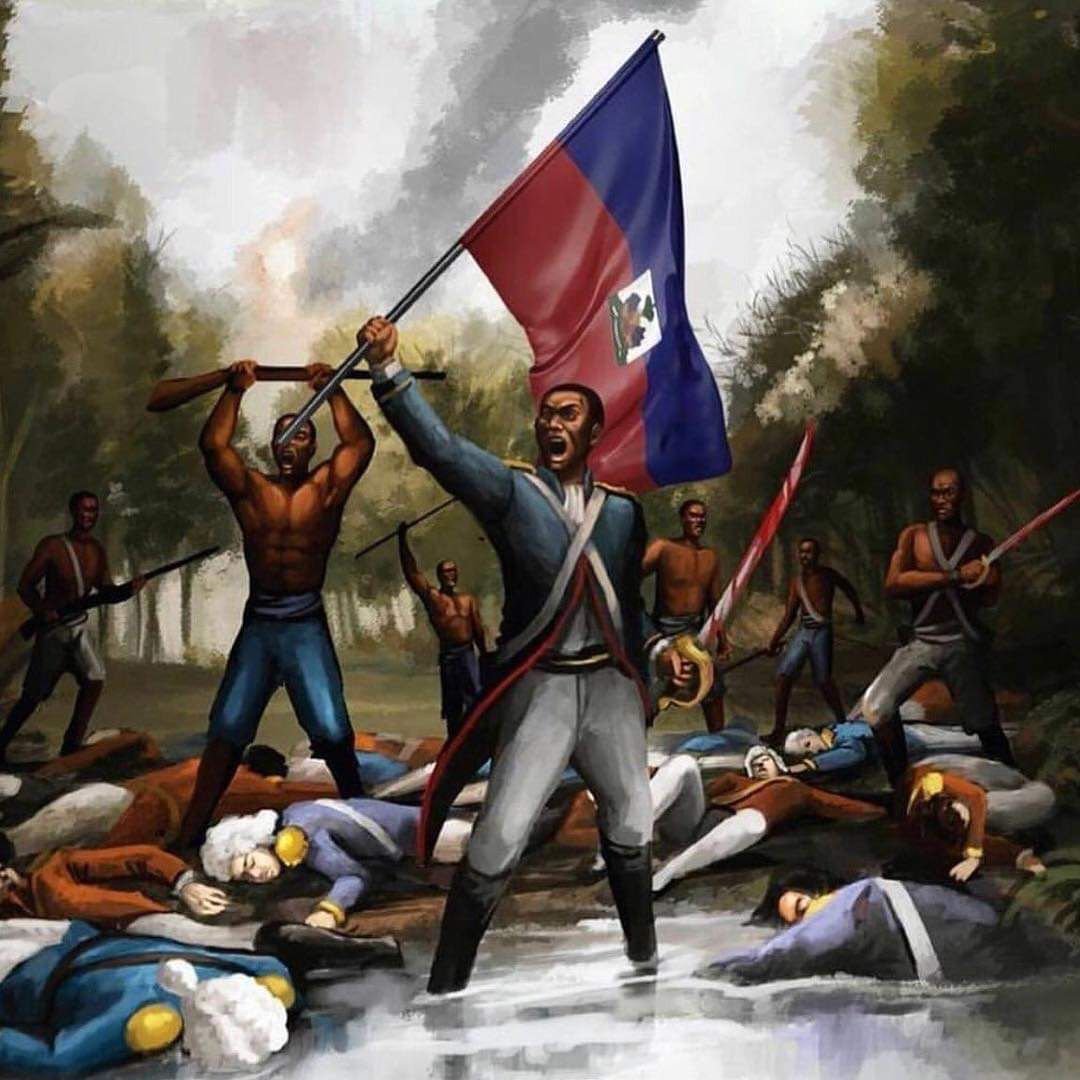
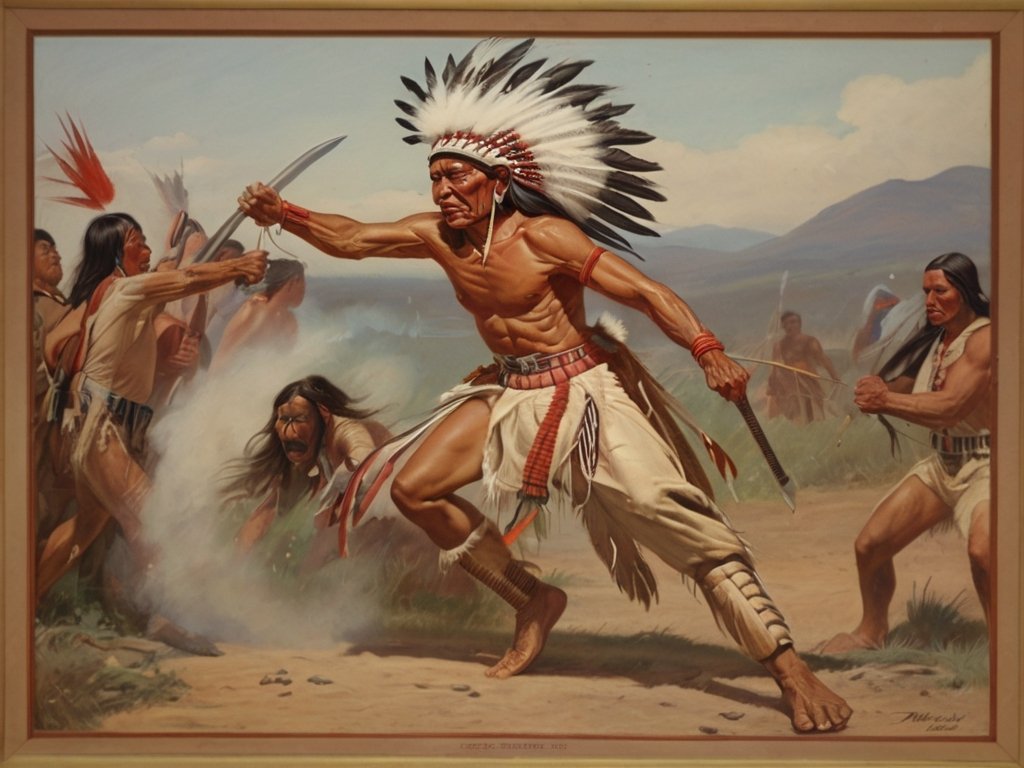
The Haitian Revolution, culminating in the glorious victory of 1804, saw important leaders at its helm. Among them, we can mention Makandal and Bookman. But the genius of Toussaint Louverture, combined with the success of Dessalines, crowned these great names in the most beautiful way. Indeed, although Toussaint Louverture died in France before the Haitian victory of 1804, he was the precursor of the Haitian Revolution, remaining a name the world associates with military genius. Dessalines, for his part, completed Toussaint’s legacy with his charisma, leadership, and pragmatism, leading the triumph of freedom and life in Saint-Domingue. He carried the flame of liberty to lands where the blood of the Blacks had historically flowed, where barbarism and the dirtiest depravity humanity had ever known over such a long period took root. This refers to the 400 years of slavery perpetrated by a race of men at the expense of another part of humanity, which resembles it despite some small nuances of difference.
The celebration of January 1, 1804

On the heels of the great triumph of Vertières, after decades of struggle, the enslaved masses, heavily trampled by the heavily armed chains that framed the barbarism of slavery, finally triumphed and freed themselves from their unparalleled suffering. Moreover, Dessalines, at their head, agreed to lend a hand to other countries in the region in their struggle for freedom. The help given by the first Haitian emperor to Miranda can testify to this. Furthermore, the Haitian Revolution remains the most complete of its time. It was the only one to be both anti-colonial, anti-racist, and bitterly opposed to the muddy shame of slavery. Not to mention the fact that Dessalines officially declared free every human being subjected to slavery who reached Haitian shores.

Share
About the Author
Moise Francois
Moise Francois
Moise Francois

Journalist editor, poet and apprentice lawyer.

See other articles from Moise Francois
Leave a comment

Recently Posted

Haïti Wonderland: Technology at the Service of the Haïtian Narrative

On this 220th anniversary of the legendary independence of Haïti, a new initiative is born on the web: Haïti Wonderland. Launched on January 28, 2024, this innovative site’s mission is to revolutionize the way Haïti is perceived online, by highlighting its natural, cultural, historical and human assets. b~An Ambitious Vision~b Haïti Wonderland aspires to a significant change in the perception of Haïti on the Internet. The goal is clear: when you search for “Haïti” on search engines, you should be greeted by beautiful images and inspiring stories. The team behind Haïti Wonderland wants to transform the web to allow only the beauty and wealth of this country to emerge, thus reflecting Haïtian reality. b~Authentic and Immersive Content~b To achieve these goals, Haïti Wonderland regularly publishes news articles and special blogs highlighting Haïti’s beauty, historic destinations, exquisite cuisine and anything else that can spark Haïtian pride. The emphasis is on promoting a positive and authentic image of the country. The experience offered to visitors to the site is also out of the ordinary. Thanks to virtual reality, you can explore the treasures of Haïti from anywhere in the world, providing total immersion in the splendor of this jewel of the Antilles. b~Smart Support and Rewards~b Haïti Wonderland goes beyond by integrating artificial intelligence on its site. This AI is there to provide visitors with all the information they need about Haïti, thus guiding their journey through the site in an interactive way. And that’s not all ! Haïti Wonderland offers an incentive compensation program for contributors. You can earn money by publishing blog posts on the site, rewarded based on the number of views generated. b~Commitment to Narrative Change~b The founder of Haïti Wonderland, Appolon Guy Alain, sees his initiative as a way to actively participate in changing the Haïtian narrative on the Internet. It is open to any collaboration and support aimed at achieving this common objective of improving the image of Haïti online. Through Haïti Wonderland, Appolon also wishes to raise awareness among online media to stop broadcasting demeaning images of Haïti that contribute to tarnishing its reputation. He calls for collective commitment to present the best version of Haïti. To discover the beauty of Haïti from a new perspective, visit the website: https://haitiwonderland.com or download the application from Play Store: https://play.google.com/store/apps/details?id =com.appographic.haitiwonderland. For all correspondence, contact them by email at contact@haitiwonderland.com. Haïti Wonderland: Rediscover, Share, Marvel.

Newsletter

Subscribe to our newsletter to stay informed of all our activities and news on Haiti.

Haïti et son Rôle Pionnier dans l’Abolition de l’Esclavage Mondial

For centuries, the institution of slavery has darkened human history, leaving behind a legacy of pain, oppression and the struggle for freedom. However, in this dark tale, one nation stands out for its courage and determination to break the chains of oppression: Haiti. Located in the Caribbean, Haïti played a pioneering role in the abolition of slavery, laying the foundation for the fight for freedom and equality around the world. The history of slavery in Haïti dates back to the arrival of Europeans on the island, which was then called Santo Domingo, in the 15th century. French colonists quickly established an economy based on sugar and coffee production, cruelly exploiting millions of African slaves deported to work on plantations. However, this brutal system engendered fierce resistance from slaves, whose fight for freedom ultimately led to one of the most significant revolutions in history. In 1791, under the leadership of iconic figures such as Toussaint Louverture, Jean-Jacques Dessalines and Henri Christophe, Haitian slaves rose up against their oppressors in an unprecedented rebellion. This revolt resulted in a war of independence that lasted more than a decade, but ultimately resulted in the proclamation of Haiti’s independence in 1804, making that country the first post-colonial nation ruled by people from slavery. The impact of the Haitian Revolution on the abolition of slavery worldwide cannot be overstated. By breaking the chains of oppression and proclaiming their independence, Haitians have sent a powerful message to all oppressed peoples around the world: freedom is possible, and it is worth the struggle. The example of Haïti inspired other movements for the abolition of slavery in the Americas and beyond, thus helping to shake the very foundations of the institution of slavery. Haiti’s participation in the fight against slavery was not limited to its territory; it also extended to external actions where Haitian men were sent or actively participated in movements for the abolition of slavery in other regions of the world. For example, Haitian President Alexandre Pétion supported Simón Bolívar, the leader of the South American revolution, by providing him with weapons, money and even men, which contributed to the liberation of several countries in America Latin of colonial domination. Haïti also provided support for independence movements in Central America. Haitian fighters, led by General Jean-Pierre Boyer, helped Venezuelan patriots fight against Spanish rule, contributing to the liberation of that region. The Haitian government financially and diplomatically supported movements for the abolition of slavery in countries such as Venezuela, Colombia and Mexico, contributing to the gradual eradication of this institution throughout the region. Although Haïti did not directly participate in the American Civil War, many Haitians and descendants of Haitians played crucial roles in the abolitionist movement in the United States. Figures who were of Haitian origin or of Haitian ancestry, were important voices in the fight against slavery and for equal rights in the United States. The legacy of the Haitian Revolution remains a symbol of resistance and courage for future generations. Today, as the world continues to struggle against injustice and oppression in various forms, Haiti’s history reminds us that the fight for freedom is a universal fight, one that transcends borders and times. Haiti’s participation in the abolition of slavery throughout the world remains a crucial chapter in the history of humanity. Through their courage and determination, Haitians have paved the way for a future where freedom and equality are inalienable rights for all.

Recently Posted

History

History

First black nation to free itself from slavery and gain independence from France in 1804 and influenced other liberation movements around the world, inspiring struggles for freedom and equality.

Natural beauty

Natural beauty

Haïti is blessed with spectacular natural landscapes, including white sand beaches, mountains and rich biodiversity.

Heritage

Heritage

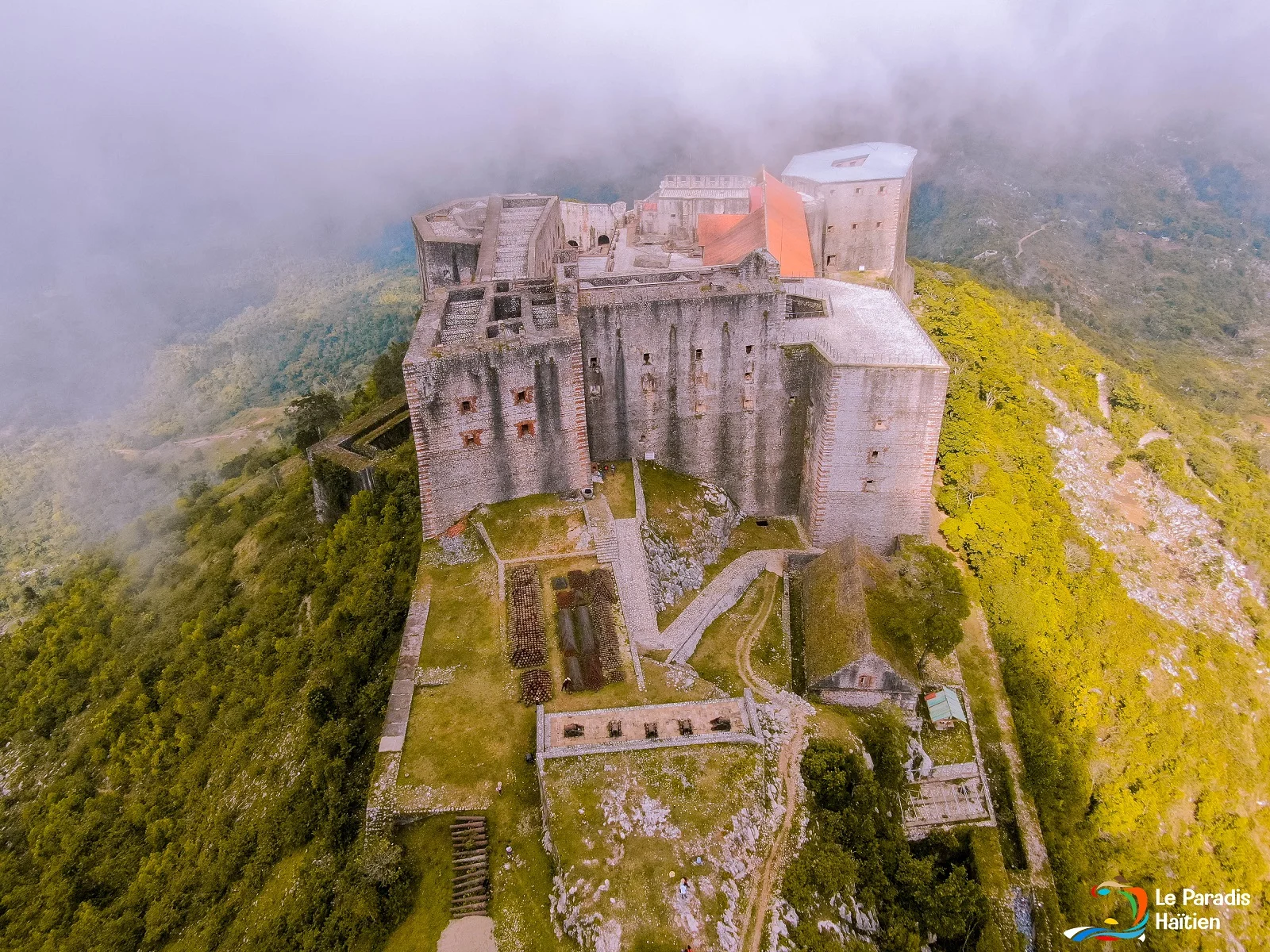
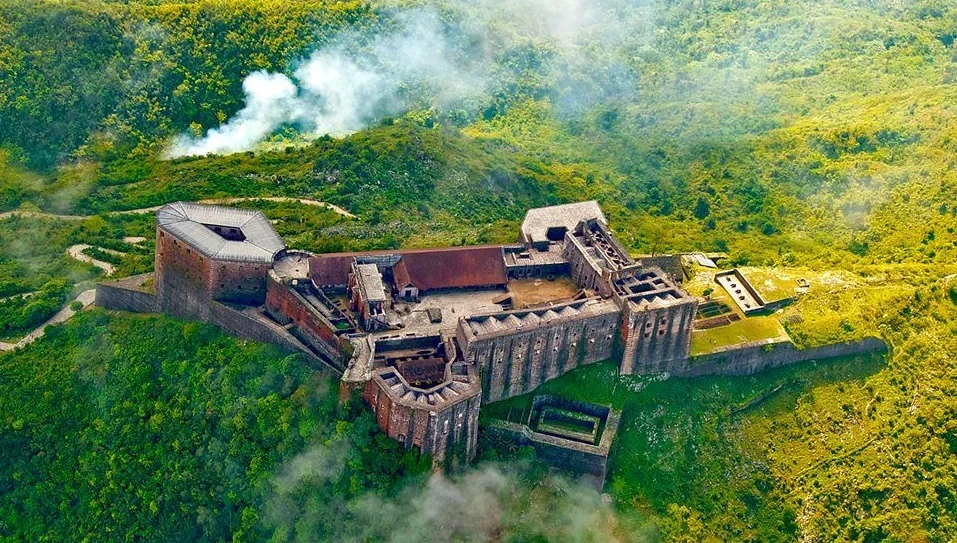
Haïti has a rich historical heritage, including sites like the Citadelle Laferrière and the Sans-Souci Palace, listed as UNESCO World Heritage Sites.

Culture

Culture

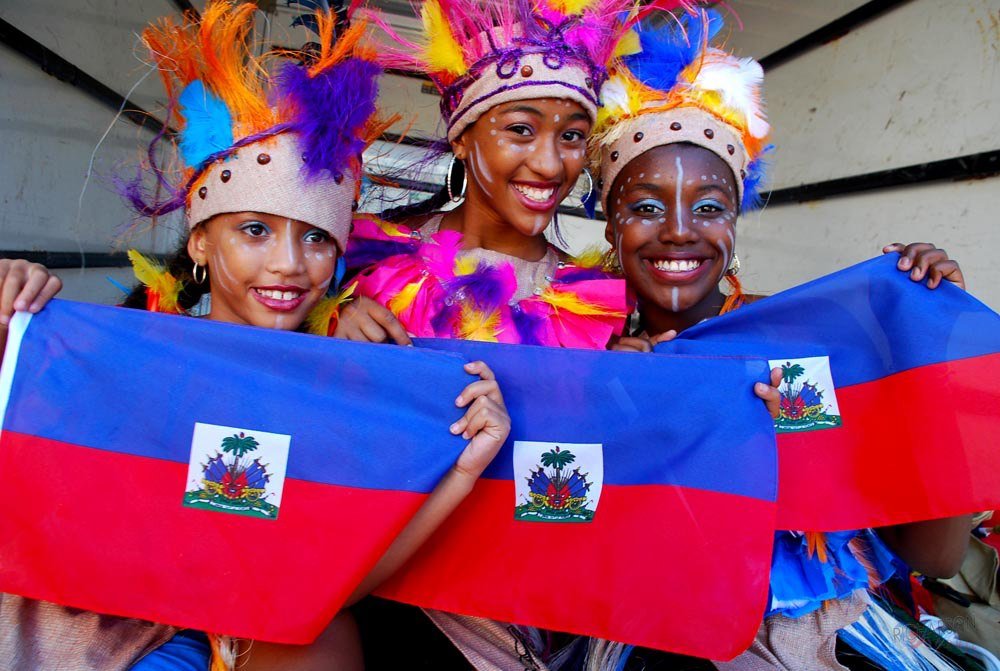
Haïti has a rich and diverse culture, influenced by African, European and indigenous elements. Haitian music, dance, art and cuisine are celebrated around the world.

  • +
    • Post