contact@haitiwonderland.com+509 36184317

Discover

Shopping Cart

January 1, 1804: Proclamation of the Independence of Haiti

January 1, 1804: Proclamation of the Independence of Haiti

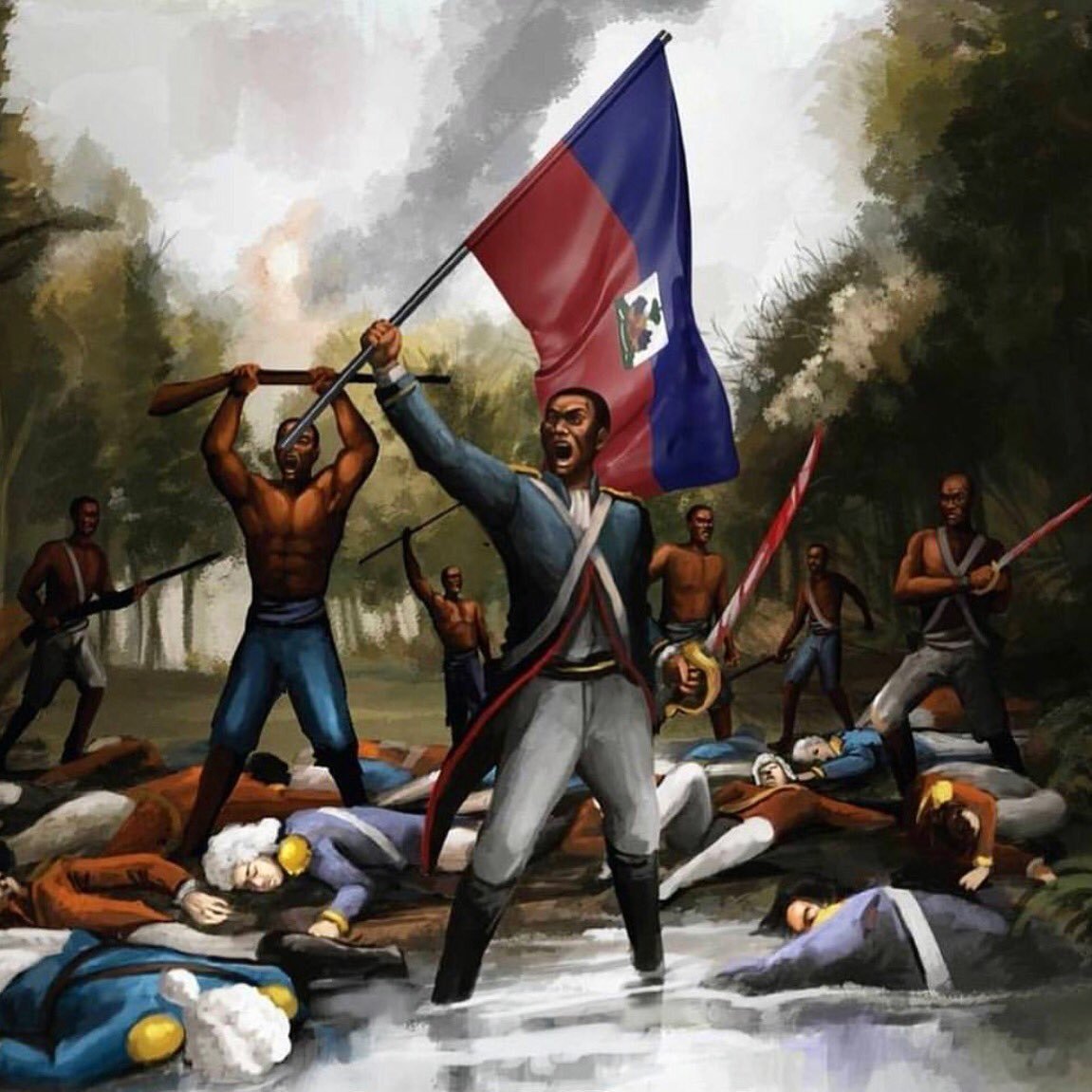
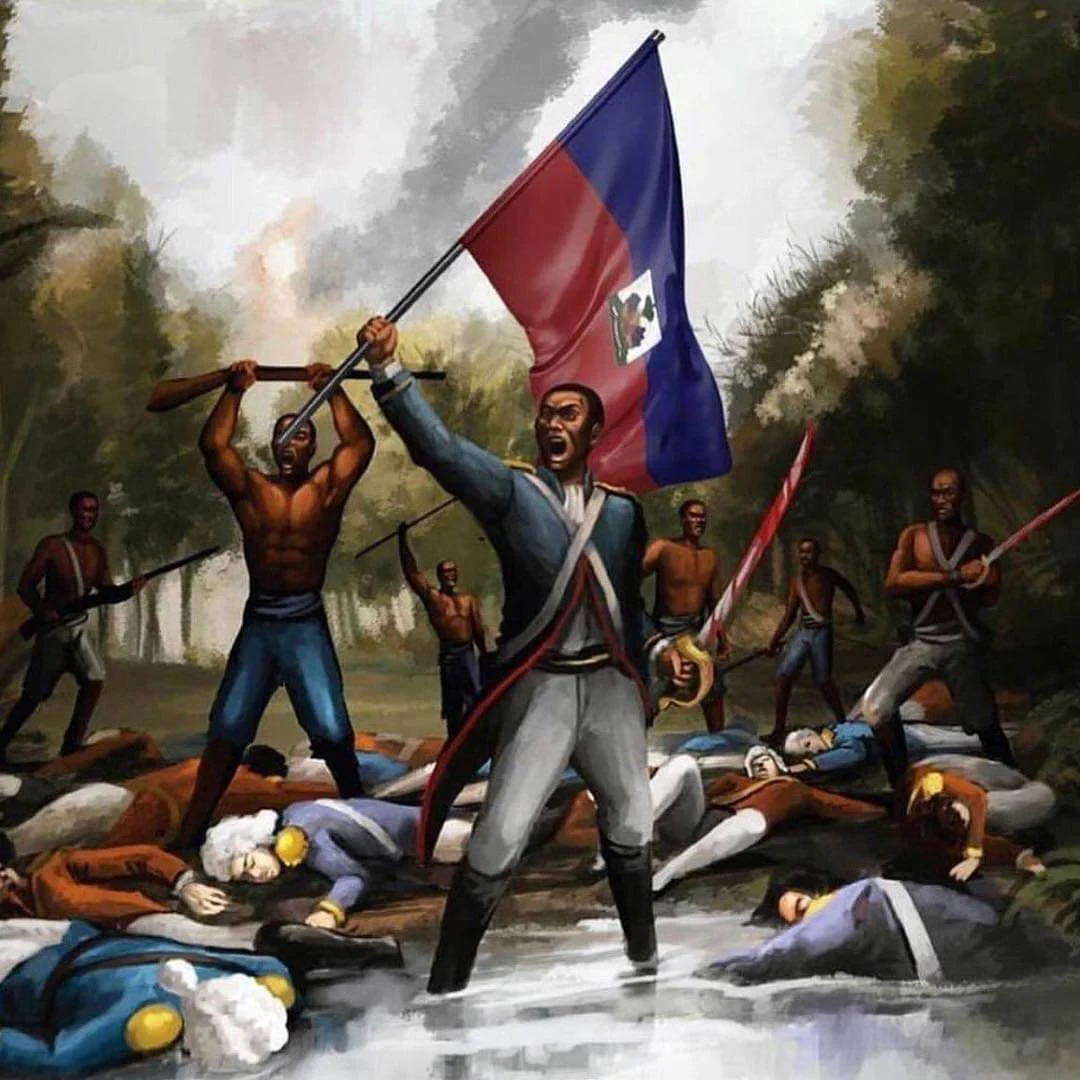
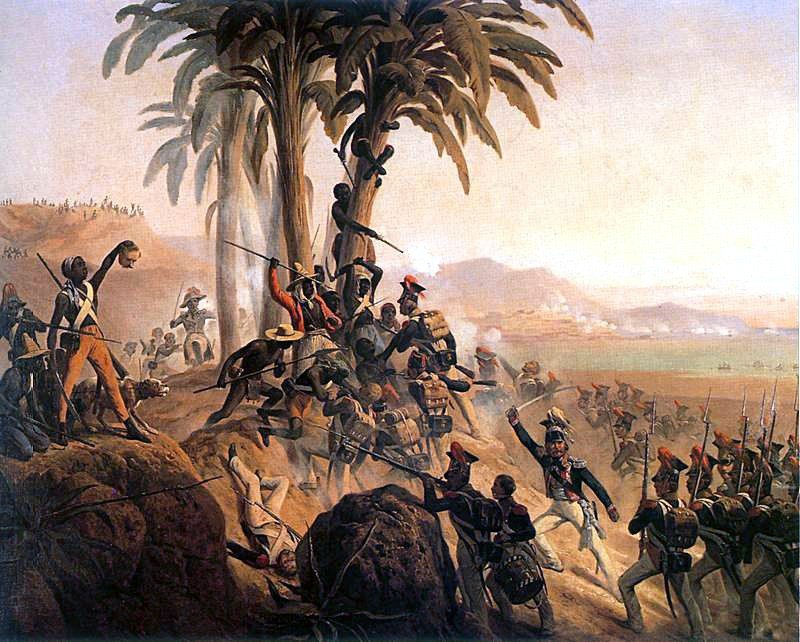
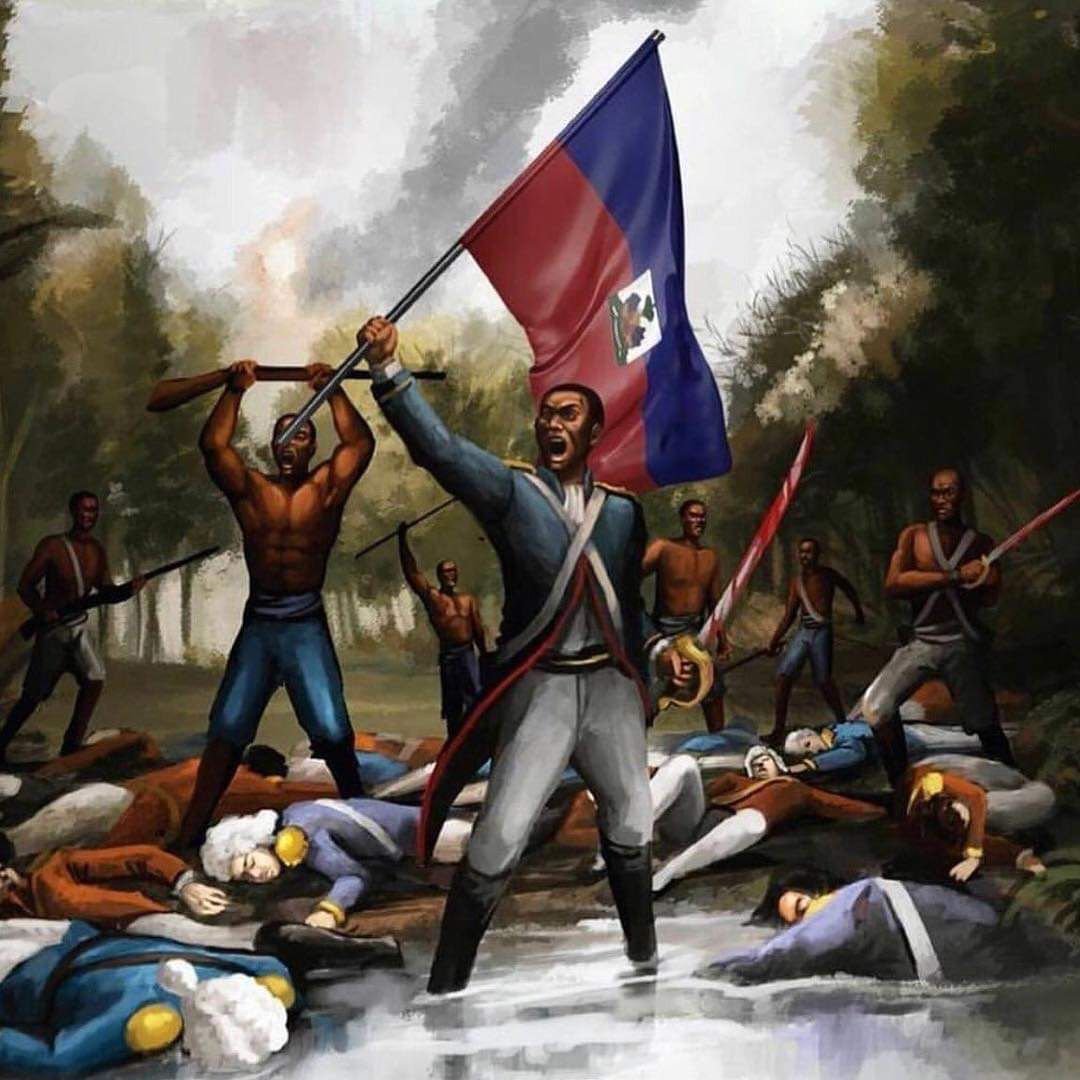
On January 1, 1804, a significant event in world history occurred: the proclamation of the independence of Haiti. On that day, Haïti became the first independent black country in the modern world, marking the end of more than a decade of bitter struggle against French colonial oppression and slavery.

Haïti
Haïti
Haïti

Historical context

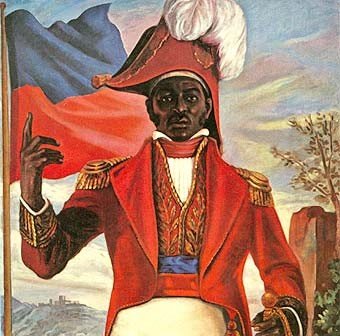
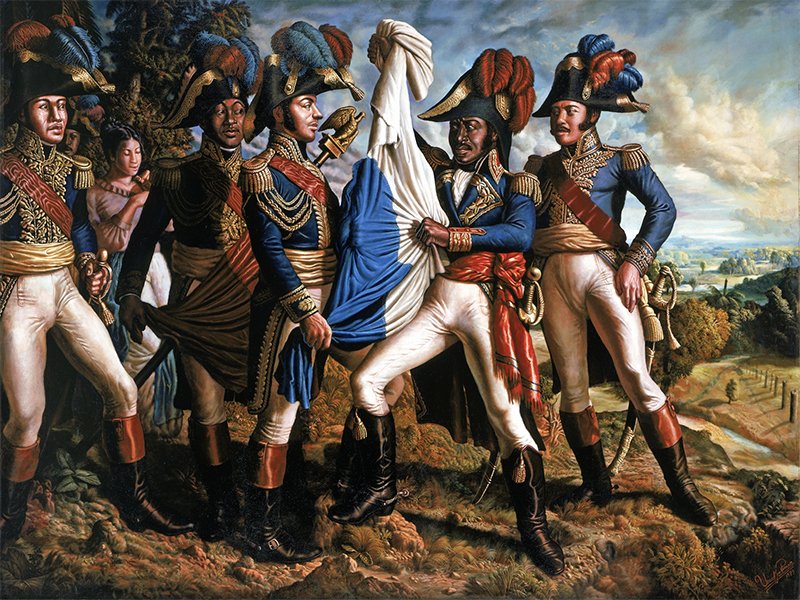
The Haitian Revolution began in 1791, when a slave uprising broke out in the French colony of Saint-Domingue. Led by iconic figures such as Toussaint Louverture, Jean-Jacques Dessalines and Henri Christophe, this rebellion was inspired by the ideals of freedom and equality of the French Revolution. However, unlike the revolution in France, the struggle in Haïti aimed not only to overthrow colonial authority, but also to abolish slavery and establish a free and egalitarian society.
Haïti
Haïti
Haïti

The proclamation of independence

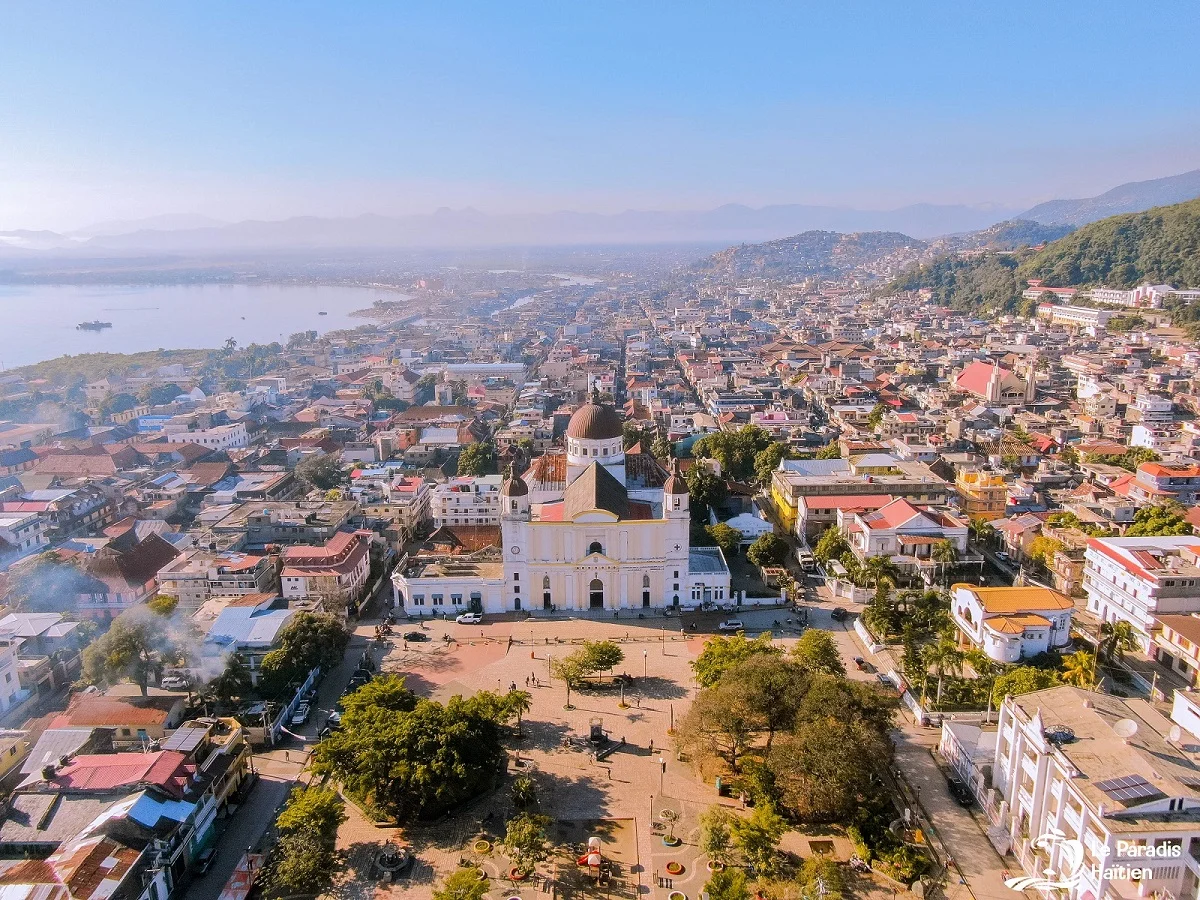
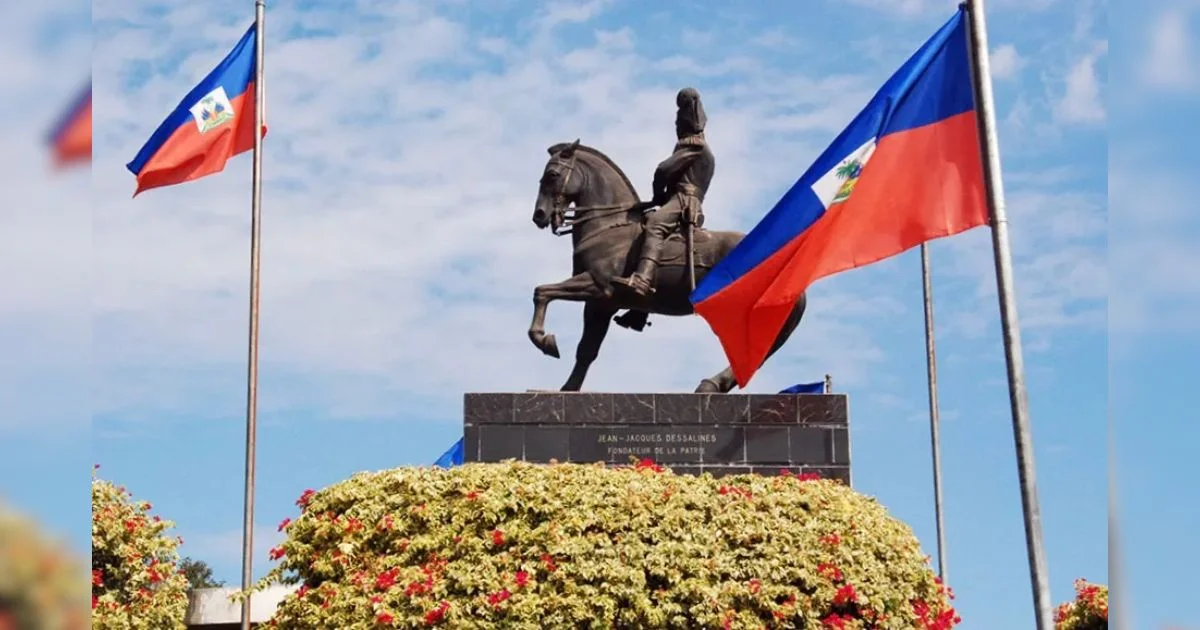
After years of violent fighting and political maneuvering, Jean-Jacques Dessalines, one of the main leaders of the revolution, proclaimed the independence of Haïti on January 1, 1804 in Gonaïves. This declaration was an unprecedented act of defiance against one of the most powerful colonial empires in the world at that time. Dessalines, who would later become Emperor James I of Haiti, proclaimed that the island would henceforth be free of foreign domination and that slavery would never be reestablished.

Discover the history of Haiti: A fascinating story to explore! : https://haitiwonderland.com/haiti/histoire/decouvrez-l-histoire-d-haiti--un-recit-fascinant-a-explorer/81

Haïti
Haïti
Haïti

The consequences and impact

The proclamation of Haitian independence had profound repercussions. By becoming the first country to permanently abolish slavery and gain independence through a slave revolt, Haïti served as an inspiration for abolitionist movements and freedom struggles across the world. However, this hard-won independence also plunged the country into a period of economic and diplomatic challenge. Colonial powers, notably France and the United States, imposed diplomatic isolation and economic sanctions that hampered Haiti’s development for many decades.

Haïti / Fort Saint-Joseph: Historical Vestige of the Resistance

Haïti / Fort Saint-Joseph: Historical Vestige of the Resistance

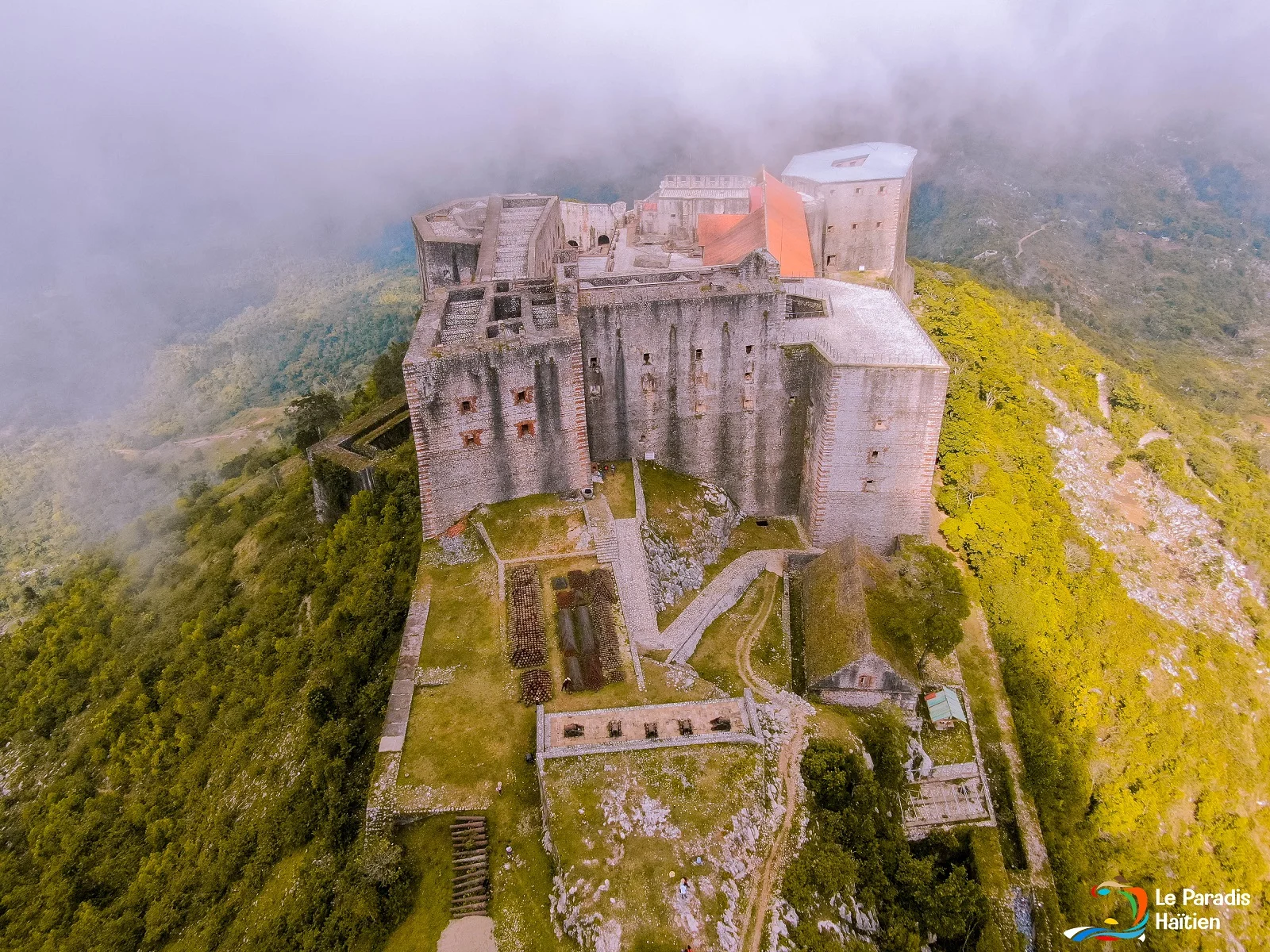
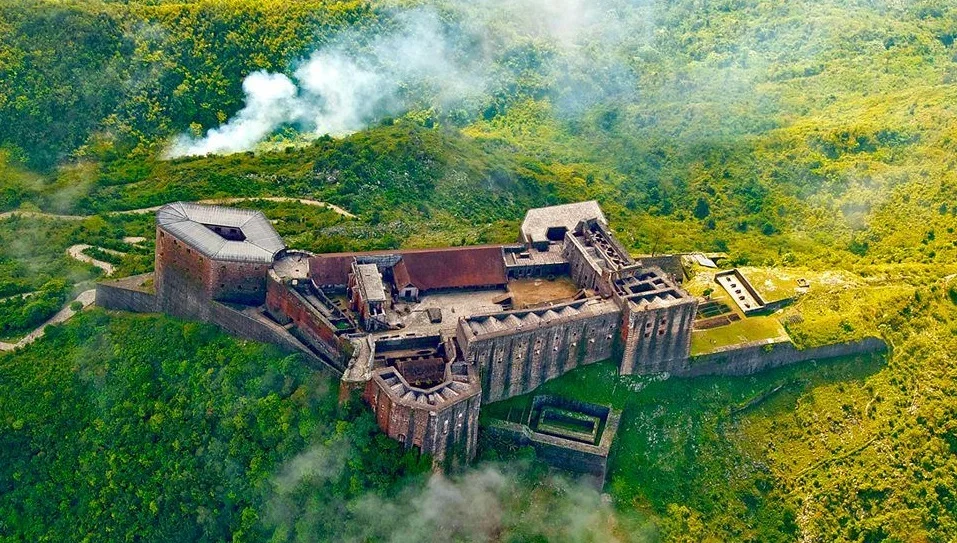
Located in the Bay of Cap-Haitien, Fort Saint-Joseph stands like a silent guardian of Haiti’s tumultuous history. Built in two stages, in 1748 and 1774, this defensive work was once a crucial element of the city’s protection system against French colonial assaults. Alongside other forts such as Picolet and Magny, its mission was to control maritime passages and defend Haitian sovereignty. However, its history is not limited to its defensive function. In 1802, then under the control of General Henry Christophe, the fort became the scene of a heroic act of resistance. Faced with the French expeditionary army, Christophe ordered the destruction of the powder magazine and the entrance gate to the fort, thus rendering it temporarily unusable. This courageous gesture, although tactical, left indelible scars on the very structure of the fort, testifying to the fierce clashes between French colonial forces and Haitian resistance fighters. These historic marks, still visible today, offer a window into the country’s tumultuous past. They allow visitors and historians to interpret the fierce struggles that forged Haitian identity. Fort Saint-Joseph, as a witness to the resistance and the struggle for freedom, embodies the indomitable spirit of the Haitian people. Recognizing its historical significance, the Haitian government officially classified Fort Saint-Joseph as national heritage in 1995. This recognition paved the way for restoration efforts aimed at preserving this precious vestige of Haitian military heritage. Thanks to collaboration between the public sector and local private funding, the fort has recently been restored and enhanced. Thus, Fort Saint-Joseph remains much more than a simple stone structure. It is a living symbol of the resilience and determination of the Haitian people, reminding all visitors that Haiti’s history is deeply rooted in the struggle for freedom and human dignity. To virtually discover this jewel of Haitian history, you can visit the following link: https://haitiwonderland.com/haiti-virtual-reality-ht/monuments-histoire/haiti--fort-saint-joseph--visite- virtual/11

Haïti
Haïti
Haïti

Legacy and commemoration

Today, January 1 is celebrated as Independence Day in Haiti, marking not only the start of the new year, but also a time to reflect on the struggle and sacrifices of Haitian ancestors for freedom. The Haitian Revolution remains a source of national pride and a powerful symbol of resistance against oppression and injustice.

The proclamation of Haiti’s independence on January 1, 1804 is an essential chapter in world history. She not only transformed Haitian society, but also left an indelible mark on global movements fighting for freedom and equality.

Share
About the Author
Appolon Guy Alain
Appolon Guy Alain
Appolon Guy Alain

Full Stack Developer, Créatif, expérimenté, passionné des nouvelles technologies et de l’art.

See other articles from Appolon Guy Alain
Makendy PIERRE

Félicitations mon frère

November 12, 2025 - 10:28:14 AM
Leave a comment

Recently Posted

Newsletter

Subscribe to our newsletter to stay informed of all our activities and news on Haiti.

Haiti: The Rara season in Petit-Goâve: A celebration of life, unity and resilience

As the new season of Rara looms on the horizon, certain groups such as Saint Jacques Majeur, Ratyèfè, Florida Band, Lambi Grand, and Grap Kenèp are already preparing to light up the streets of Petit-Goâve with their flamboyant costumes and their captivating melodies. For these groups, the future looks bright, promising a season full of passion and success. However, other rara bands are still hesitant about which direction to take. Despite these uncertainties, optimism reigns regarding the success of this new season for all rara groups in the commune of Petit-Goâve. Rara, anchored in the Vodou tradition, is much more than a simple artistic manifestation. It embodies the very essence of Haitian culture, highlighting questions of memory, tradition and identity. This increasingly popular form of artistic expression attracts a large audience and arouses unprecedented enthusiasm. Groups like Ratyèfè, Grap Kenèp, Florida Band and Chenn Tamaren, recognized for their ability to delight their fans, play a crucial role in the continued growth of rara in the town. The rara season traditionally begins on Dead Thursday and ends on the night of Easter Sunday or quasimodo Monday. To mark the beginning of this sacred period, groups organize opening ceremonies, honoring the spirits of the deceased in rituals steeped in spirituality. These ceremonies, often held in cemeteries or in the "Bitasyons" of groups, symbolize the deep link between the rara and Vodou traditions.

Recently Posted

History

History

First black nation to free itself from slavery and gain independence from France in 1804 and influenced other liberation movements around the world, inspiring struggles for freedom and equality.

Natural beauty

Natural beauty

Haïti is blessed with spectacular natural landscapes, including white sand beaches, mountains and rich biodiversity.

Heritage

Heritage

Haïti has a rich historical heritage, including sites like the Citadelle Laferrière and the Sans-Souci Palace, listed as UNESCO World Heritage Sites.

Culture

Culture

Haïti has a rich and diverse culture, influenced by African, European and indigenous elements. Haitian music, dance, art and cuisine are celebrated around the world.

  • +
    • Post