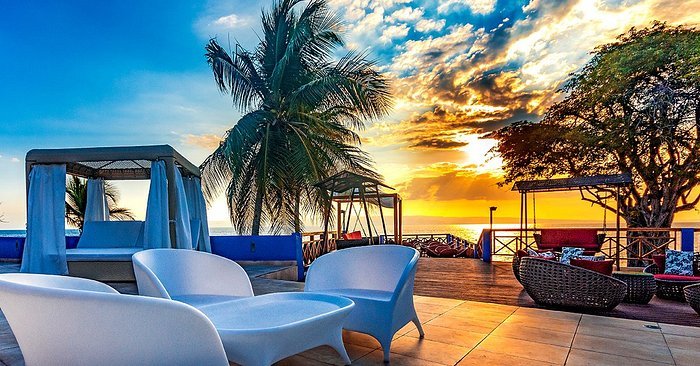


Haiti, a Natural Paradise
From heavenly beaches to majestic mountains, Haïti is full of natural treasures that enchant visitors in search of tranquility and authenticity. Among the must-sees, we find:
Haiti, a captivating Caribbean island, is a tropical paradise often overlooked by travelers. Between white sand beaches, mountainous landscapes, vibrant culture and fascinating history, this island gem offers a unique and unforgettable experience. If you are looking for an authentic destination, off the beaten track, Haïti is the perfect place for an adventure rich in discoveries. Here is why Haïti deserves its place among the most beautiful places to explore.
Read the article in :
From heavenly beaches to majestic mountains, Haïti is full of natural treasures that enchant visitors in search of tranquility and authenticity. Among the must-sees, we find:

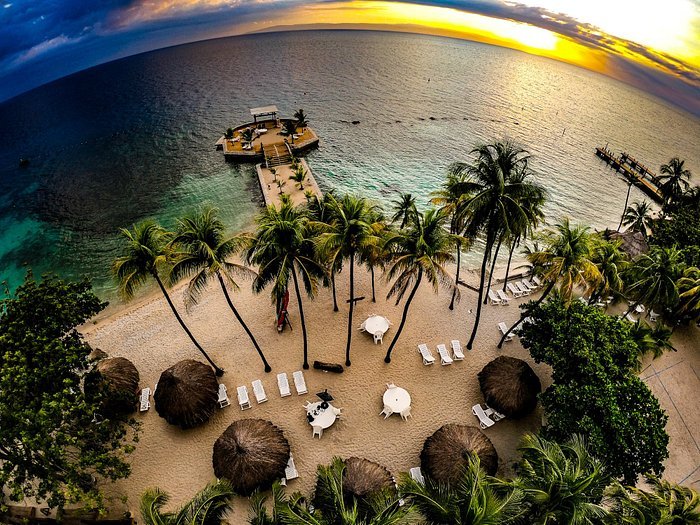
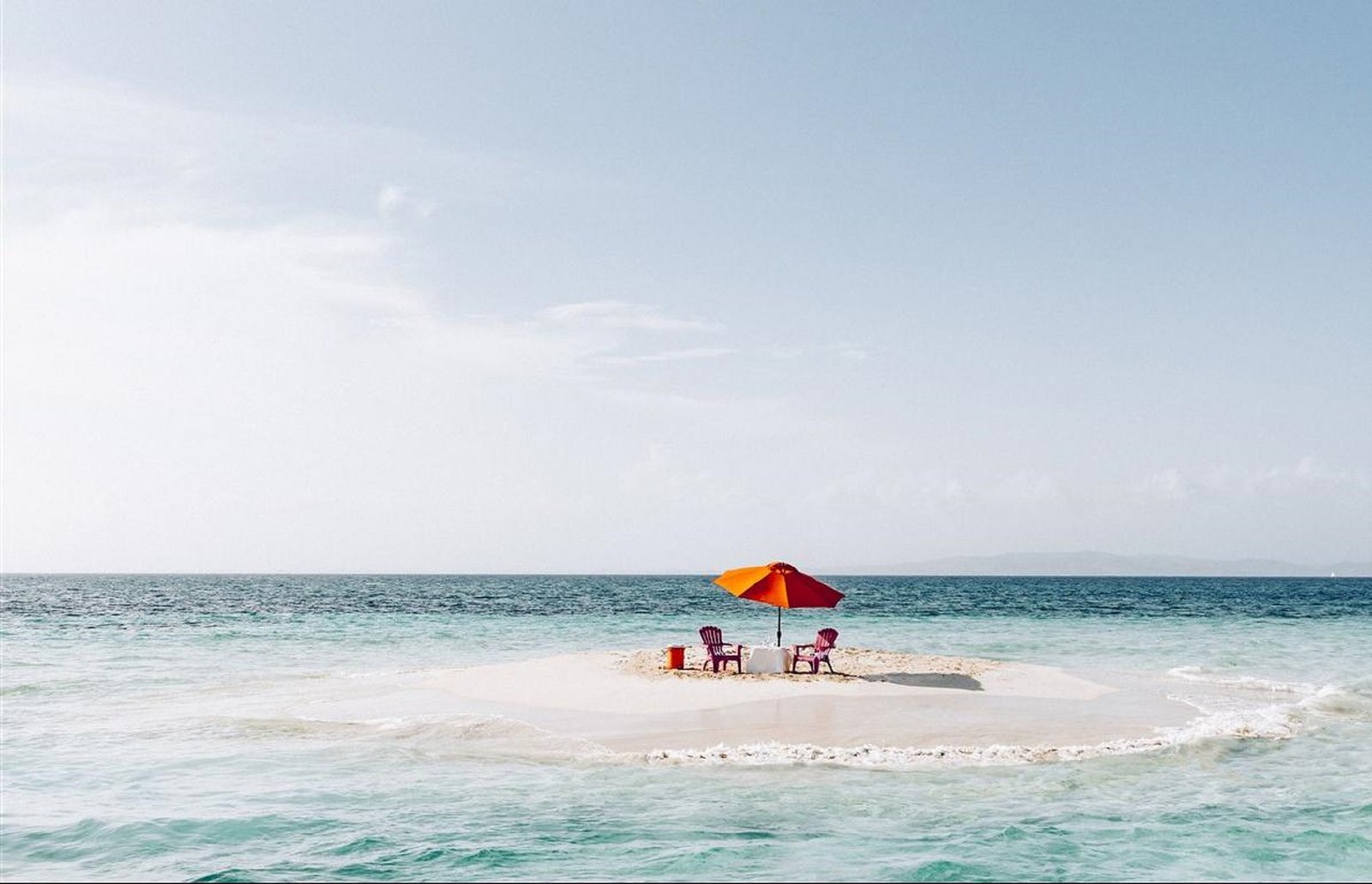
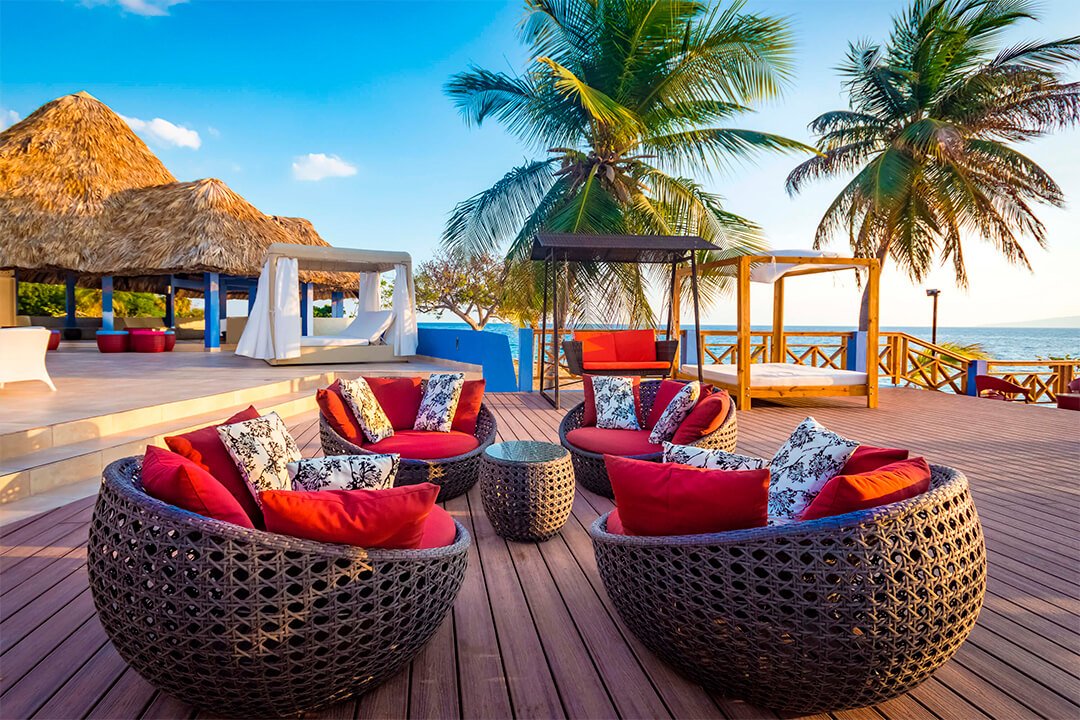
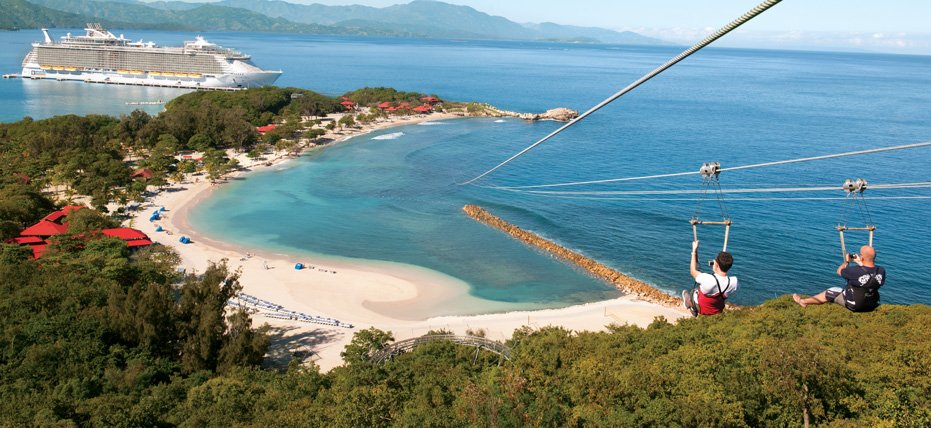
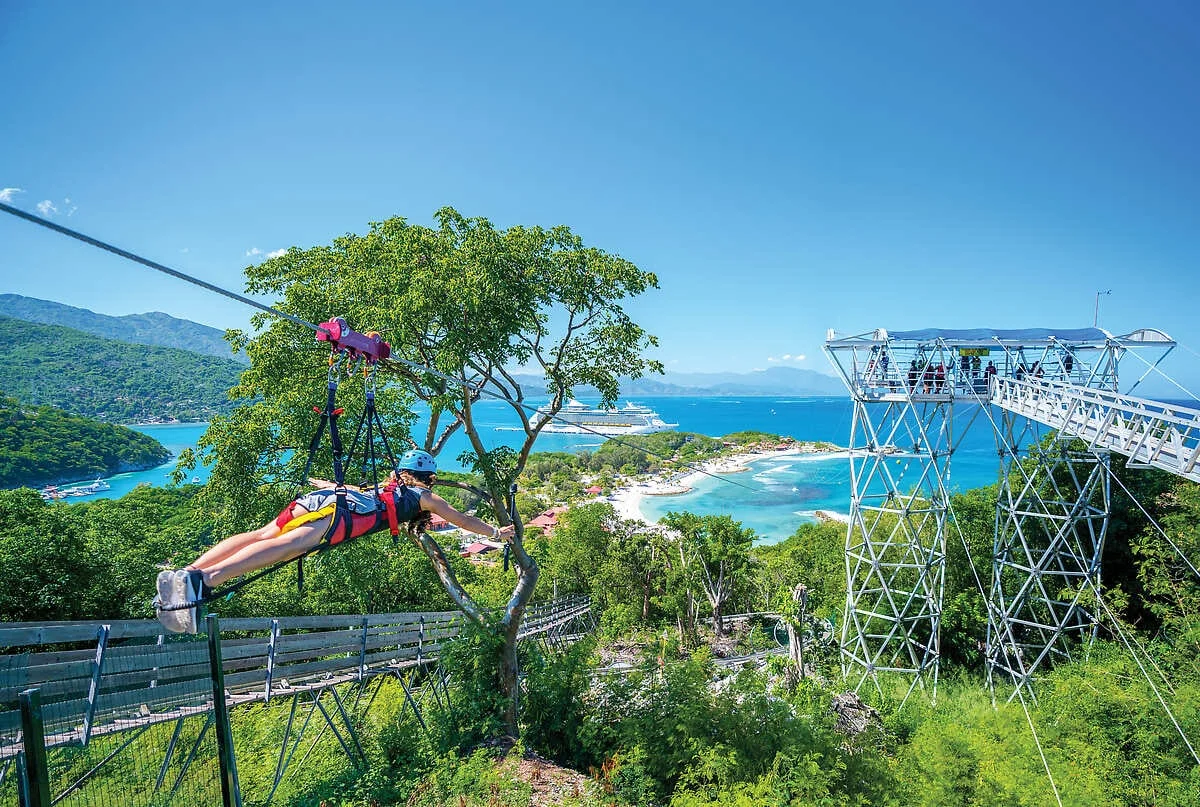
The crystal clear waters of Labadee and the beaches of Jacmel offer dream landscapes, perfect for relaxation and water sports.

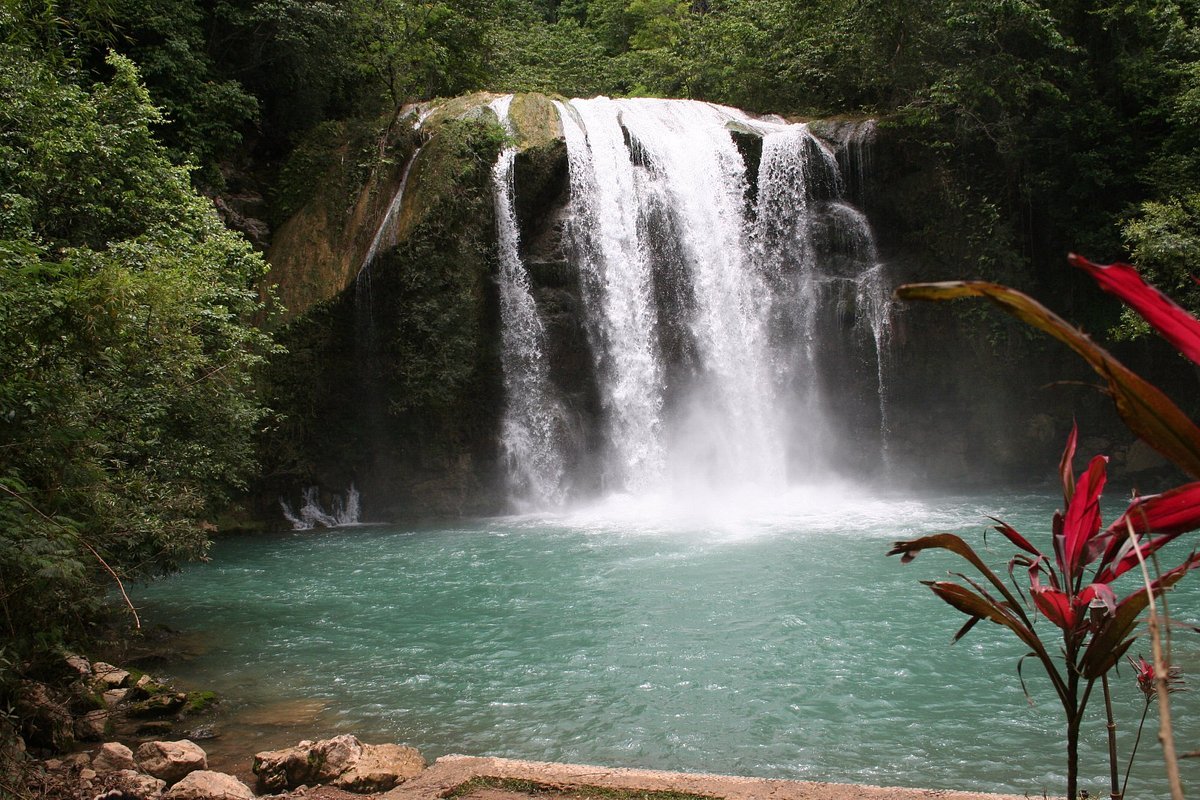
This sacred waterfall, nestled in the heart of a lush forest, is a popular place for pilgrims and nature lovers. Visitors discover a mystical atmosphere that connects nature to spirituality.

Ideal for hiking enthusiasts, the Kenscoff Mountains, near Port-au-Prince, offer breathtaking panoramas, with unique flora and fauna that provide an insight into Haitian biodiversity.

Haïti is the first independent black country in the world, with an exceptional historical heritage:

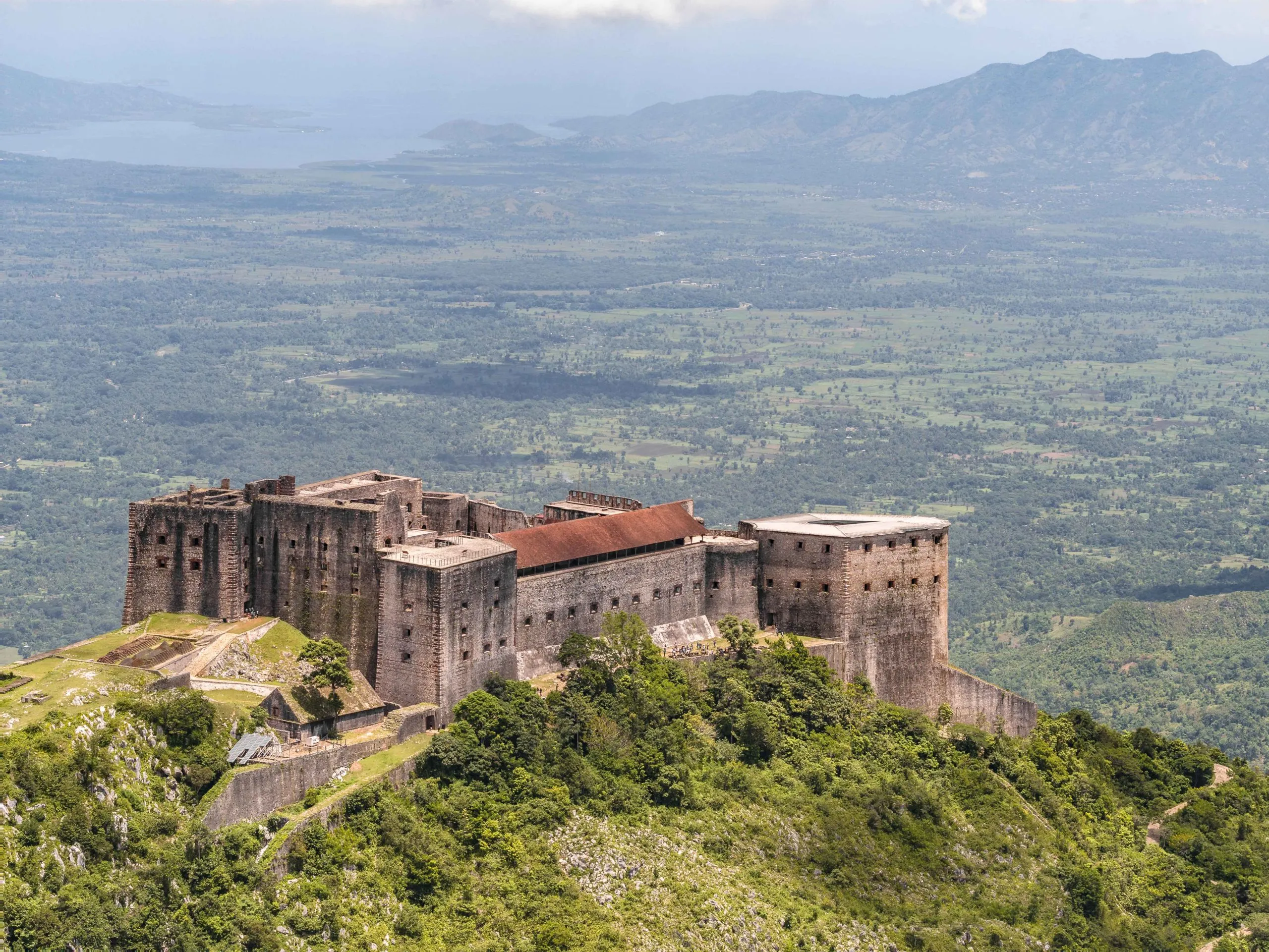
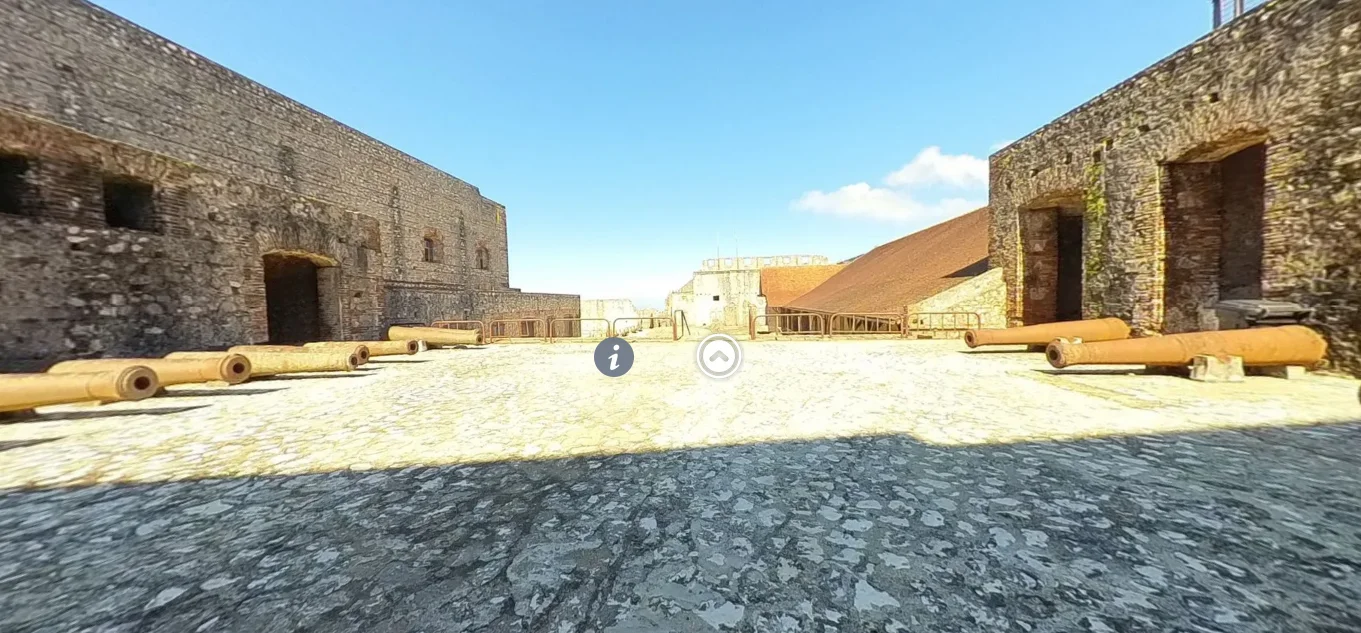
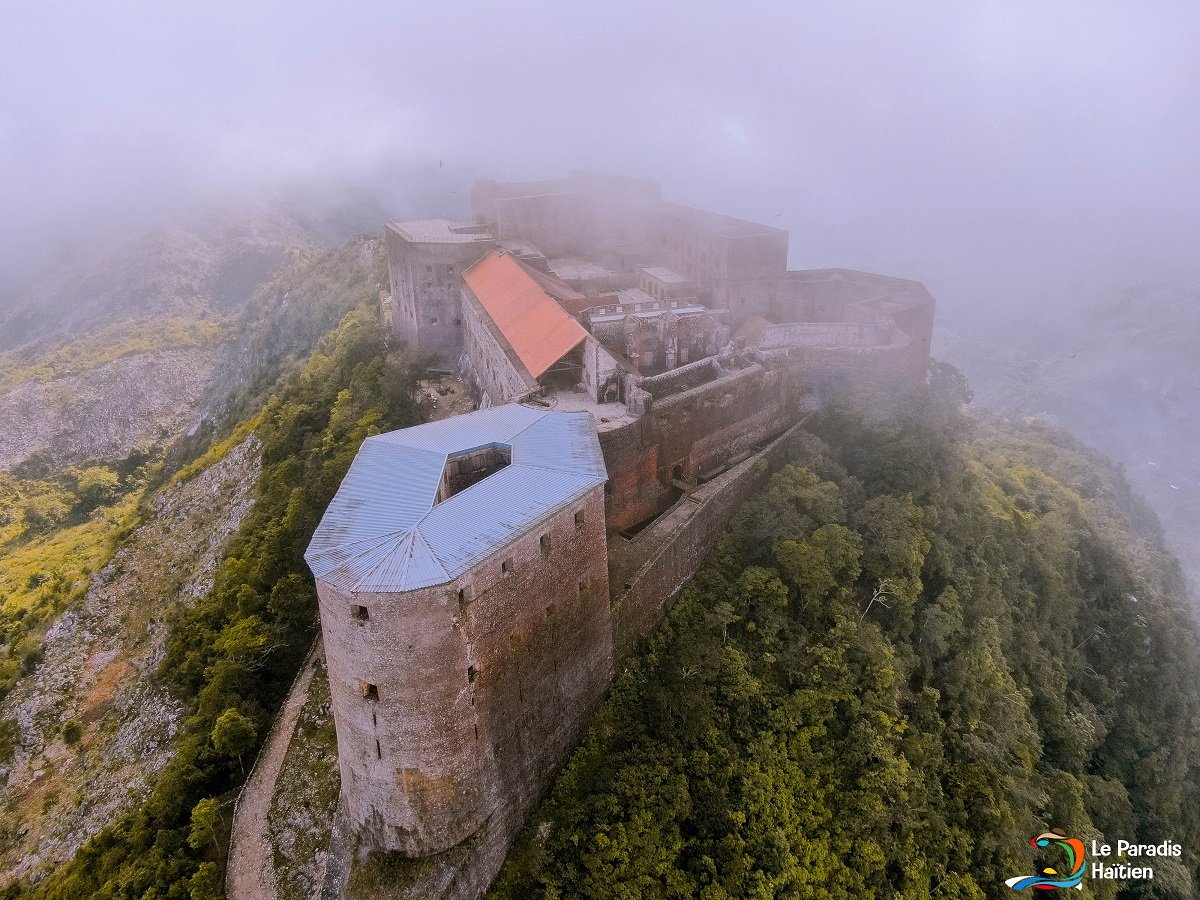
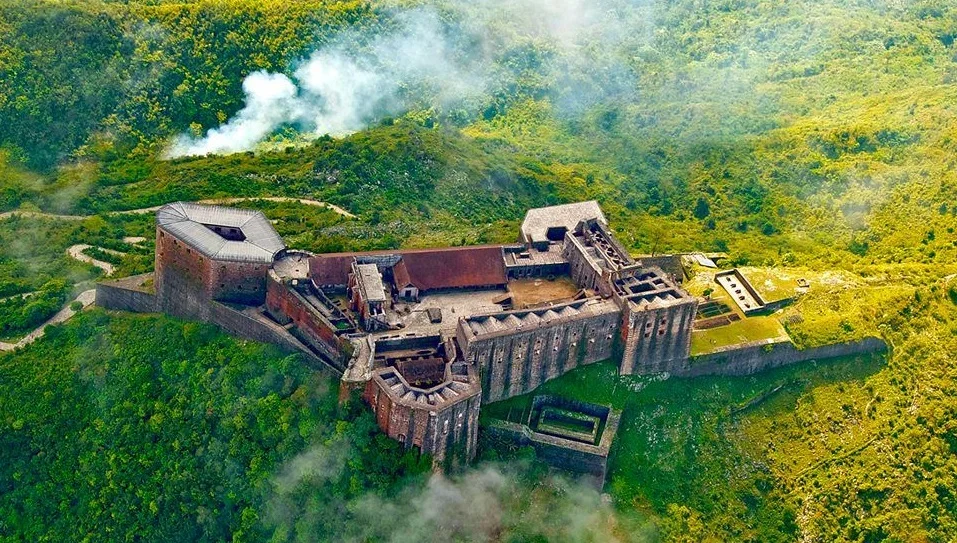
Listed as a UNESCO World Heritage Site, this iconic fortress is a symbol of freedom and resistance. Perched atop the Bonnet-à-l’Evêque mountain, it offers a breathtaking view of northern Haiti.

Located in Milot, this royal palace is often compared to the Palace of Versailles for its grandeur and architecture.

Haitian culture is a fascinating blend of African, European and indigenous traditions. It is expressed through music, dance, religion and art.

This festive event, with its colorful costumes and lively rhythms, attracts visitors from all over the world. Jacmel, a city renowned for its artistic heritage, becomes a place of celebration and celebration of Haitian culture.

Haïti is a country of talented artists, particularly in naïve painting, famous for its bright colors and scenes of daily life.

Haitian cuisine is a true culinary journey that combines African, French and Caribbean influences.

Soup Joumou is an iconic dish in Haitian culture, often served to celebrate Haitian independence on January 1st. This dish symbolizes freedom and resilience. During the colonial era, Haitian slaves were not allowed to consume this soup, considered a delicacy reserved for French colonists. After independence in 1804, Haitians appropriated this soup as a symbol of national pride and freedom.

This marinated and fried pork dish is often accompanied by bananas pesées and pikliz (a spicy cabbage salad). It is emblematic of Haitian cuisine.

Freshly caught shrimp, fish and lobster are often prepared with local spices, offering an explosion of flavors.
To learn more about Haitian cuisine, check out this article: https://haitiwonderland.com/haiti/cuisine/les-delices-de-la-cuisine-haitienne--20-plats-incontournables/24


Facebook : https://www.facebook.com/haitiwonderland
Youtube : https://www.youtube.com/@haitiwonderland
Instagram : https://www.instagram.com/haitiwonderland/
Twitter : https://twitter.com/haitiwonderland
Linkedin : https://www.linkedin.com/in/haitiwonderland/
Haitian pain patate is a staple of traditional Haitian cuisine, often prepared for special occasions, holidays, or simply for the pleasure of enjoying a homemade dessert rich in flavor. This soft cake made with sweet potato, coconut milk, banana, and a savory blend of spices delights with its melt-in-the-mouth texture and irresistible aroma. Easy to make and full of character, pain patate is a true Proust madeleine for many Haitians. Whether you’re looking for comfort food or eager to discover a classic Caribbean pastry, this recipe will guide you step by step to successfully make this iconic Haitian dessert.
Do you want to discover beautiful images by typing ‘Haiti’ on the Internet? Together, let’s make it a reality! Today, searching for Haïti online often gives degrading results that are far from reflecting the true essence of our country. However, Haïti is full of breathtaking landscapes, heavenly beaches, a vibrant culture and an inspiring history that deserve to be highlighted. We are committed to changing this, we produce and share positive content that shows the beauty and wealth of our nation. Thanks to our efforts, many keywords related to Haïti are starting to display honorable results. But to go further, we need your support.
Subscribe to our newsletter to stay informed of all our activities and news on Haiti.
Haiti, nicknamed "the Pearl of the Antilles", is distinguished by the richness of its landscapes, its vibrant culture and the tenacity of its people. Its heavenly beaches, majestic mountains and emblematic sites, such as Macaya National Park and Bassin Bleu, are natural treasures that testify to the raw beauty of the island. However, these wonders are jeopardized by ecological challenges such as deforestation and climate change. Its vibrant and diverse culture is echoed in its music, crafts and spiritual traditions such as voodoo. Despite economic and social challenges, it is in the tenacity of its inhabitants that lies the true wealth of Haiti, a people determined to preserve their roots and build a brighter future.
Haiti, a name that resonates in world history and culture, finds its roots in a rich and iconic past. This word is not simply a country name; it embodies an identity, a unique geography, and a struggle for freedom. Let’s dive into the origin and meaning of the word “Haiti” to better understand why this choice is deeply significant.
The Meaning of the Essence of Love The commune of President Boniface Alexandre and Martial CELESTIN produces a talented artist. Yes, Ganthier stands out as one of its best representatives on the international scene. "I Let You In" is a title that lays bare the complexity of heterogeneous relationships around the world. This opus, both provocative and touching, awakens the mind, body and soul. I am deeply moved by the way in which the artist Igens VIL, a true emblematic figure of Ganthier, evokes intense emotions and provokes reflection on the issues of contemporary romantic relationships. Each verse of this composition, co-written with Dayvin Kaponda, contains profound messages about tolerance towards others, our aspirations and ambitions, the true foundations of authentic love. It is the very essence of life. Despite the tumults of daily life and the inevitable misunderstandings in human relationships, he reminds us that “in my life, there is always a me; I have tried everything. Even if it means taking a step back, I am ready to do it. And if it means, I will get down on my knees”. The singer, who spent a large part of his adolescence in Galette-Chambon, the first communal section of the commune of Ganthier, is now active in the French music industry. He eloquently and skillfully addresses the complex triangle of sentimental relationships: sacrifice, tolerance and communication. This remarkable work deserves to be heard everywhere; it inspires faith, reflection and action. Gensbe, known as Igens VIL, deserves awards for this song. Guitarist, singer, composer and academic in France, he embodies a rare mix of talents for a young Haitian engaged in these demanding fields that require time, sacrifice and a lot of energy. Today, Gensbe is at his peak and never gives up. More songs are in the works for you, dear listeners. Subscribe to Gensbe on YouTube and other platforms. He is without a doubt one of the best Haitian artists among the big international names. I’ll let you in.
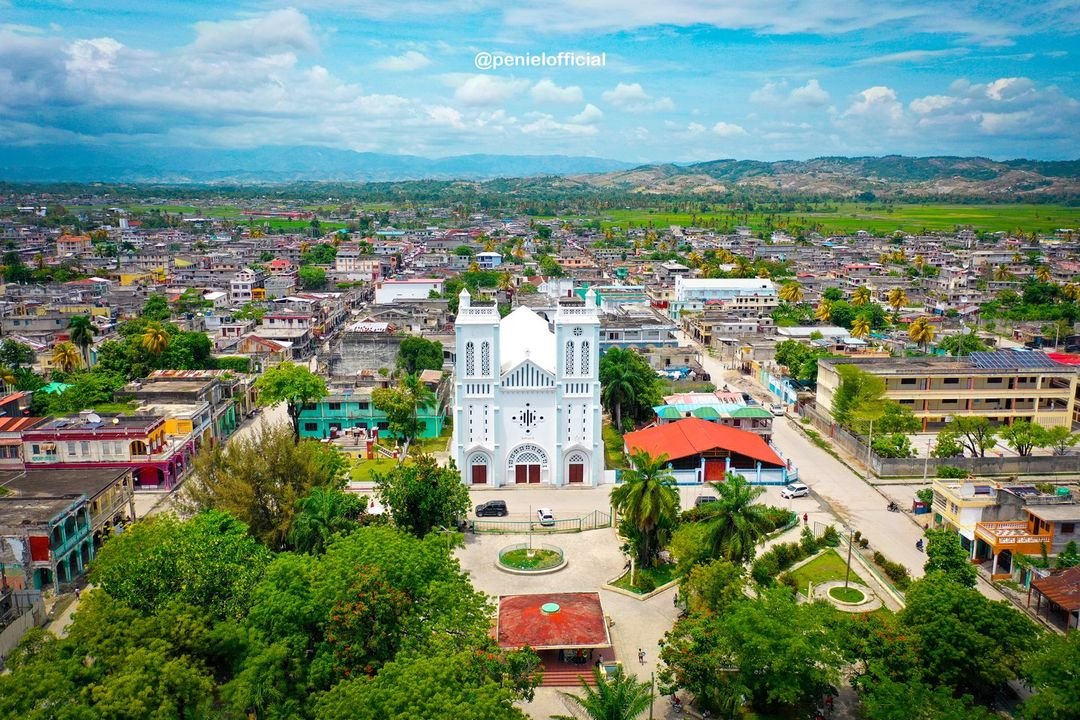
Haiti, a Caribbean republic with a rich historical past, is divided into ten departments comprising 140 communes. Its history dates back to pre-Columbian times with the Tainos, followed by European colonization and a historic rebellion against slavery and colonial rule, culminating in its independence in 1804. Despite its current challenges, Haïti offers remarkable natural beauty with its beaches, its mountains and its cultural diversity. Among its municipalities, some stand out for their charm and history. Here is a selection of five of the most remarkable communes in Haiti, inviting you to discover its hidden treasures.

First black nation to free itself from slavery and gain independence from France in 1804 and influenced other liberation movements around the world, inspiring struggles for freedom and equality.

Haïti is blessed with spectacular natural landscapes, including white sand beaches, mountains and rich biodiversity.

Haïti has a rich historical heritage, including sites like the Citadelle Laferrière and the Sans-Souci Palace, listed as UNESCO World Heritage Sites.

Haïti has a rich and diverse culture, influenced by African, European and indigenous elements. Haitian music, dance, art and cuisine are celebrated around the world.