contact@haitiwonderland.com+509 36184317

Discover

Shopping Cart

Haïti : the pearl of the Antilles

Haïti : the pearl of the Antilles

Haiti, the pearl of the Antilles, is a fascinating destination that combines spectacular natural beauty with a rich and complex history. Nestled in the Caribbean Sea, this island nation is a well-kept treasure, offering visitors a unique blend of magnificent landscapes, vibrant culture and historical heritage.

Haïti : Bassin Bleu
Haïti : Bassin Bleu
Haïti : Bassin Bleu

The Natural Beauty of Haiti

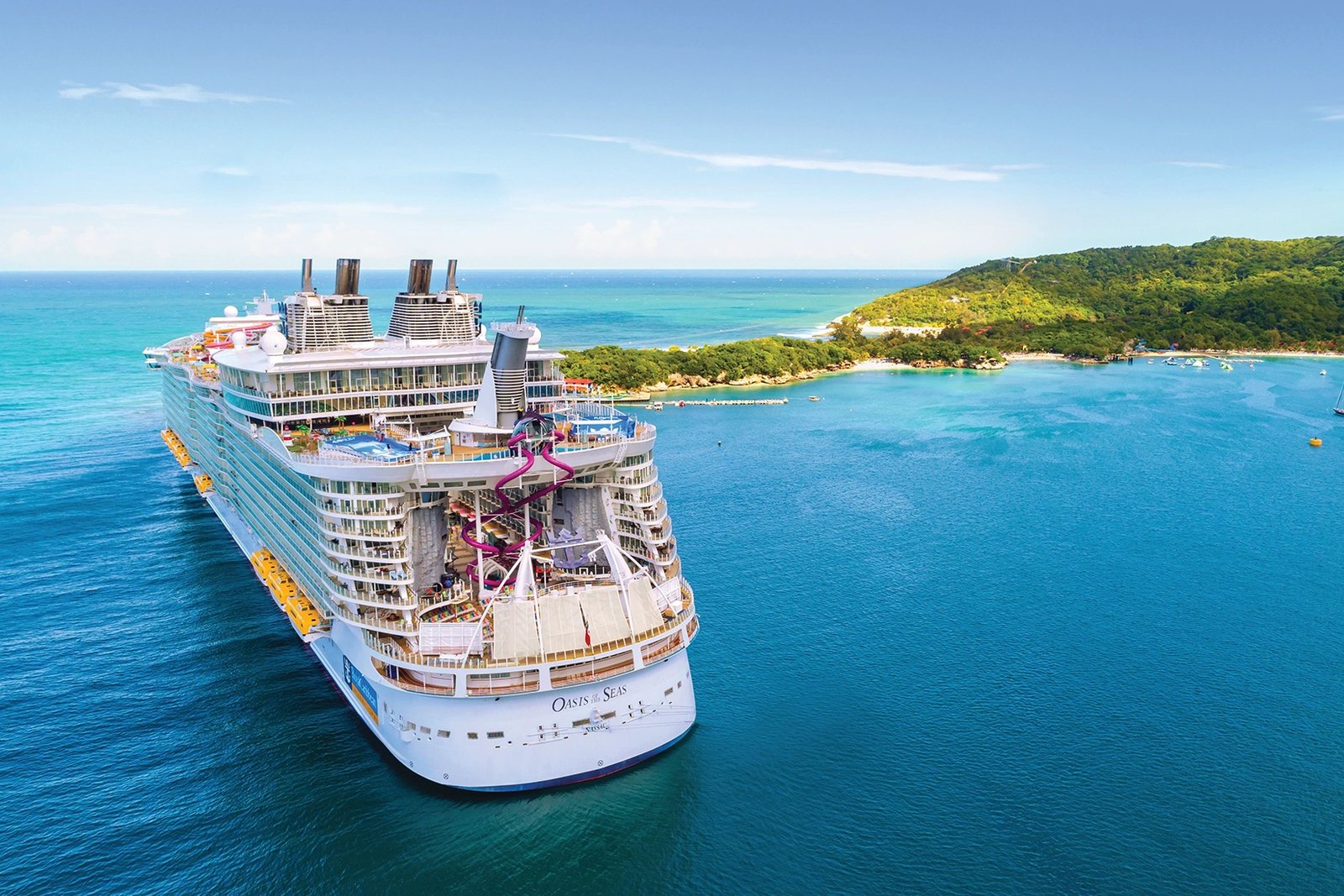
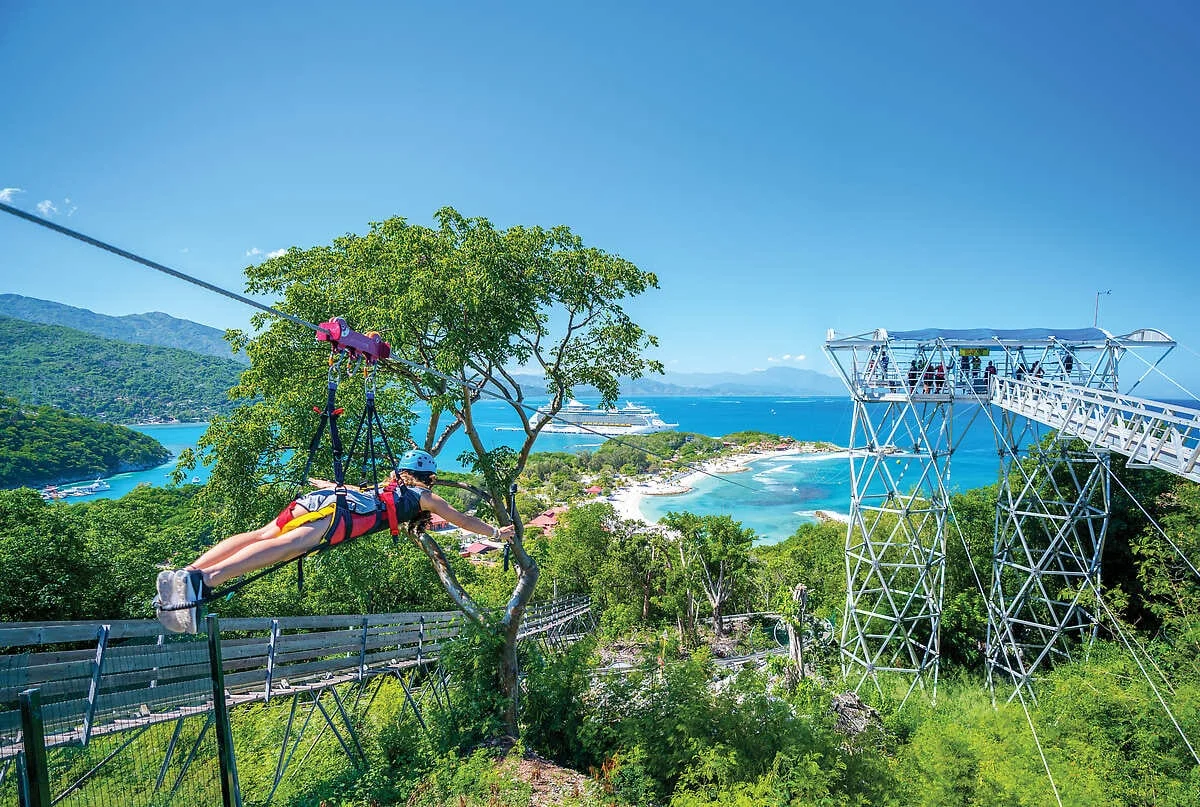
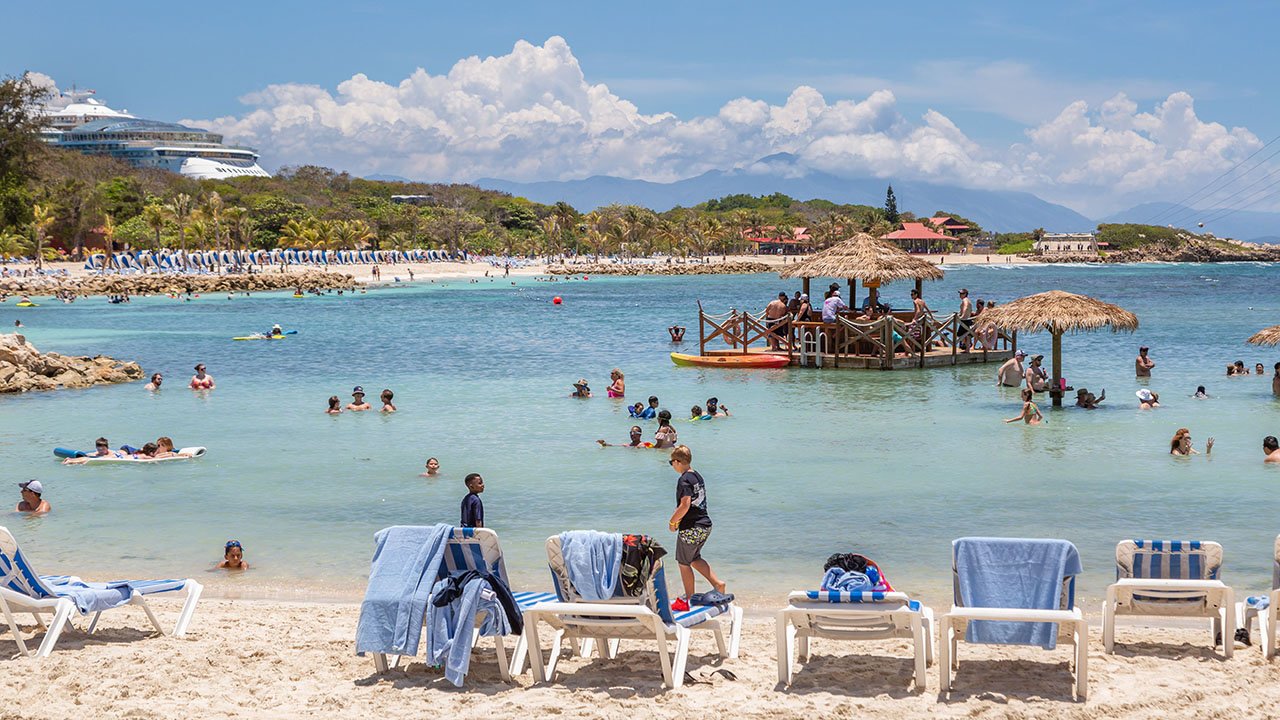
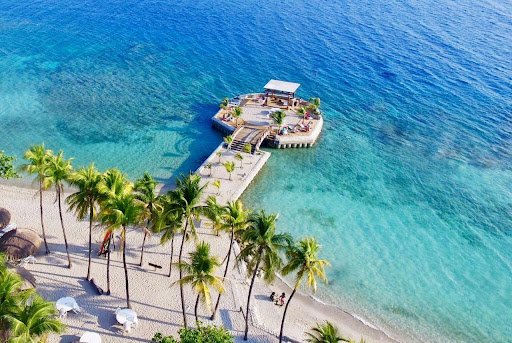
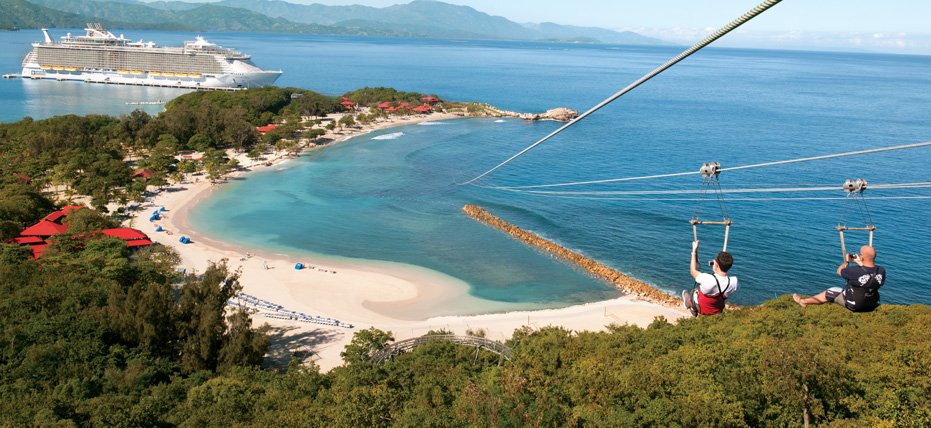
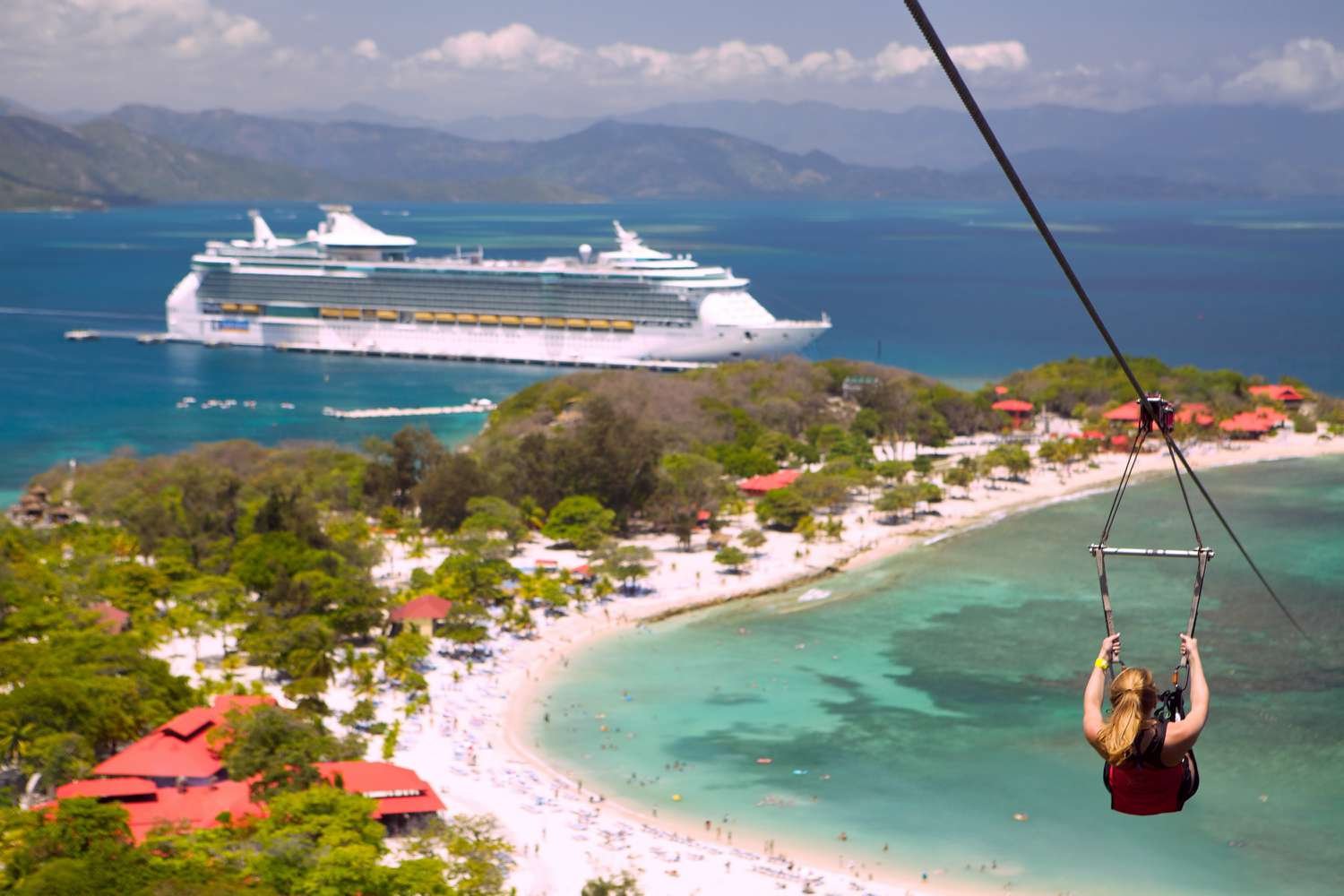
Haïti is a nature lover’s paradise, offering a variety of breathtaking landscapes. Among its natural treasures are white sand beaches lined with palm trees, majestic mountains, hidden jungle waterfalls, colorful coral reefs and lush forests. The beaches of Labadee, Jacmel and Île-à-Vache are particularly renowned for their beauty.

The mountains of Haïti are also a breathtaking sight. The Selle Massif, home to La Selle Peak, is the highest peak in the Caribbean, offering breathtaking panoramic views. The Massif de la Hotte mountain range is home to exceptional biodiversity, with many endemic species of plants and animals.

Haiti’s natural beauty also extends underwater. Dives around Turtle Island and Cow Island allow you to explore unspoilt coral reefs, home to colorful marine wildlife including tropical fish, sea turtles and manta rays.

Haïti : Histoire
Haïti : Histoire
Haïti : Histoire

History of Haiti: A Story of Independence and Resilience

Haiti’s history is deeply rooted in the struggle for independence and resilience of the Haitian people. Before becoming the world’s first independent black republic in 1804, Haïti was a prosperous French colony, dependent on slavery for its sugar and coffee production. This quest for freedom was led by emblematic figures like Toussaint Louverture and Jean-Jacques Dessalines.

However, this struggle for independence left deep scars, with lasting consequences for the country. Haïti had to pay an exorbitant debt to France in exchange for international recognition, leading to economic instability.

Haiti’s history is also marked by its rich cultural heritage. Vodou, an Afro-Haitian religion, is an integral part of Haitian culture, blending elements of ancient African beliefs with Catholicism. Haitian arts, dance, music and cuisine are also a reflection of this diverse and dynamic culture.

When you explore Haiti, you will be amazed by the diversity of its landscapes and inspired by the history and culture of the Haitian people. It is a country that deserves to be discovered, celebrated and preserved for future generations. Haïti is truly a jewel of the Caribbean, where natural beauty and history combine to create an unforgettable experience.

Share
About the Author
Appolon Guy Alain
Appolon Guy Alain
Appolon Guy Alain

Full Stack Developer, Créatif, expérimenté, passionné des nouvelles technologies et de l’art.

See other articles from Appolon Guy Alain
Leave a comment

Recently Posted

The Haitian Carnival: A Festival of Colors, Music and Traditions

The Haitian carnival, an emblematic and essential celebration of the country’s festive calendar, is much more than a simple party. It embodies the very essence of Haitian culture, joyfully blending ancestral traditions, intoxicating music and a deep sense of community. Each year, this vibrant celebration transforms the streets into a vibrant and colorful spectacle, attracting thousands of participants and spectators eager to take part in this one-of-a-kind celebration. Haitian carnival has deep roots in the country’s history, dating back to colonial times. It has evolved over the centuries, incorporating elements of African, French and Creole culture to create a distinct and captivating celebration. The carnival period in Haïti traditionally begins in January and culminates with extravagant festivities that take place over several days. One of the most striking features of the Haitian carnival is the profusion of colors. Traditional costumes, called "masks", are elaborate and beautifully designed. They feature vivid patterns and vibrant decorations, creating a vivid picture of Haitian cultural identity. Participants, dressed in these elaborate costumes, parade through the streets to the sound of lively music, creating an electric atmosphere. Music is at the heart of the Haitian carnival. The captivating rhythms of compass, rasin, rara and other local musical genres resonate throughout the city, inviting people to dance to the rhythm of the party. Orchestras parade through the streets, accompanying the dancers and creating a unique symbiosis between the music and the graceful movements of the participants. The Haitian carnival parade is not just about the music and costumes; it also celebrates the richness of street arts. Talented artists create giant sculptures, art installations and theatrical performances that tell deep stories of Haitian history and culture. These artistic expressions contribute to the transmission of values ​​and stories that shape the identity of the Haitian people.

Newsletter

Subscribe to our newsletter to stay informed of all our activities and news on Haiti.

Discover the Hidden Gem of Caracol: A Peaceful Haven in Haiti

Nestled in the enchanting embrace of Haiti’s North East department lies a true marvel – Caracol. This picturesque area is more than just a destination; it’s a sanctuary where tranquility dances in harmony with the gentle whispers of nature. From the chirping of content birds to the warm smiles of its inhabitants, Caracol is a true wonderland waiting to be explored. One of the most captivating aspects of Caracol is its serene ambiance. Here, peace isn’t just a concept; it’s a way of life. Even the birds seem to sing with an extra ounce of joy, as if they’ve found their own slice of paradise amidst the lush greenery. Stepping into Caracol feels like entering a world where time slows down, allowing you to embrace the simple pleasures of life. But what truly sets Caracol apart is its people – kind-hearted souls who find solace in the simplicity of their daily lives. Engaged in activities like fishing and gardening, they embody a deep connection to the land that sustains them. And amidst it all, the industrious spirit of Caracol shines through, with the industrial parc serving as a beacon of progress and opportunity for the community. Yet, amidst the tranquil rhythm of everyday life, Caracol pulsates with the vibrant energy of Haitian culture. Voodoo, an integral part of local life, weaves its mystical threads into the fabric of daily rituals and traditions. And come July, the entire community comes alive with patronal celebrations that draw Haitian diaspora from every corner of the globe. It’s a time of joyous reunions, where cultural immersion meets spirited competitions, from exhilarating running races to thrilling boat races on the sparkling waters. As the sun sets on another day in Caracol, the excitement doesn’t end – it transforms. Carnival season, known as "mardi gras," casts its spell over the land, igniting the imaginations of children who eagerly don disguises and wield whips to make merry mischief. Laughter fills the air as they chase each other, their gleeful shrieks echoing through the streets, creating memories that will last a lifetime. In Caracol, every moment is a celebration, every day a testament to the resilience and warmth of its people. So, whether you’re seeking a tranquil retreat or a cultural adventure, Caracol invites you to discover its hidden wonders and experience the magic for yourself. After all, in this captivating corner of Haiti, every day is a journey into the heart of paradise.

Recently Posted

History

History

First black nation to free itself from slavery and gain independence from France in 1804 and influenced other liberation movements around the world, inspiring struggles for freedom and equality.

Natural beauty

Natural beauty

Haïti is blessed with spectacular natural landscapes, including white sand beaches, mountains and rich biodiversity.

Heritage

Heritage

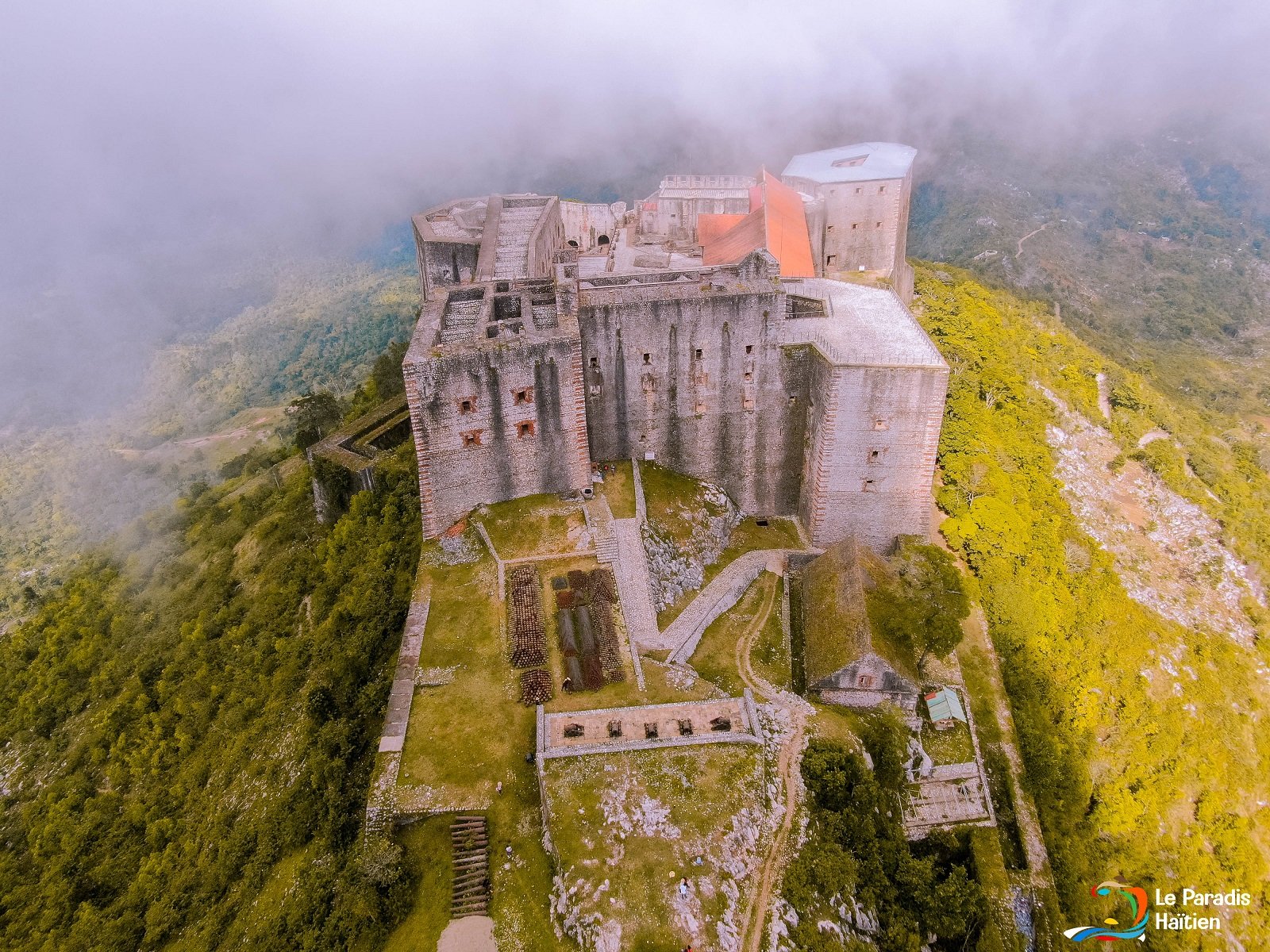
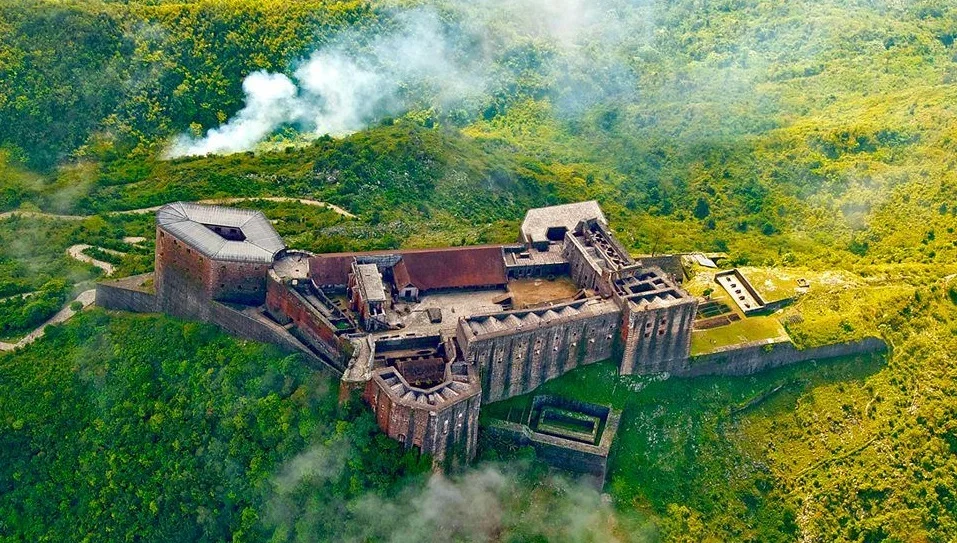
Haïti has a rich historical heritage, including sites like the Citadelle Laferrière and the Sans-Souci Palace, listed as UNESCO World Heritage Sites.

Culture

Culture

Haïti has a rich and diverse culture, influenced by African, European and indigenous elements. Haitian music, dance, art and cuisine are celebrated around the world.

  • +
    • Post