Haiti, the pearl of the Caribbean, is a country that shines with its unique history and spectacular geography. This territory, rich in culture and traditions, deserves to be rediscovered, by highlighting its assets and its exceptional contributions to world heritage.
Haïti occupies a special place in universal history, marked by memorable events:
- 1492: Discovery of the island of Hispaniola by Christopher Columbus.
- 1697: The western part of the island officially becomes a French colony, Saint-Domingue.
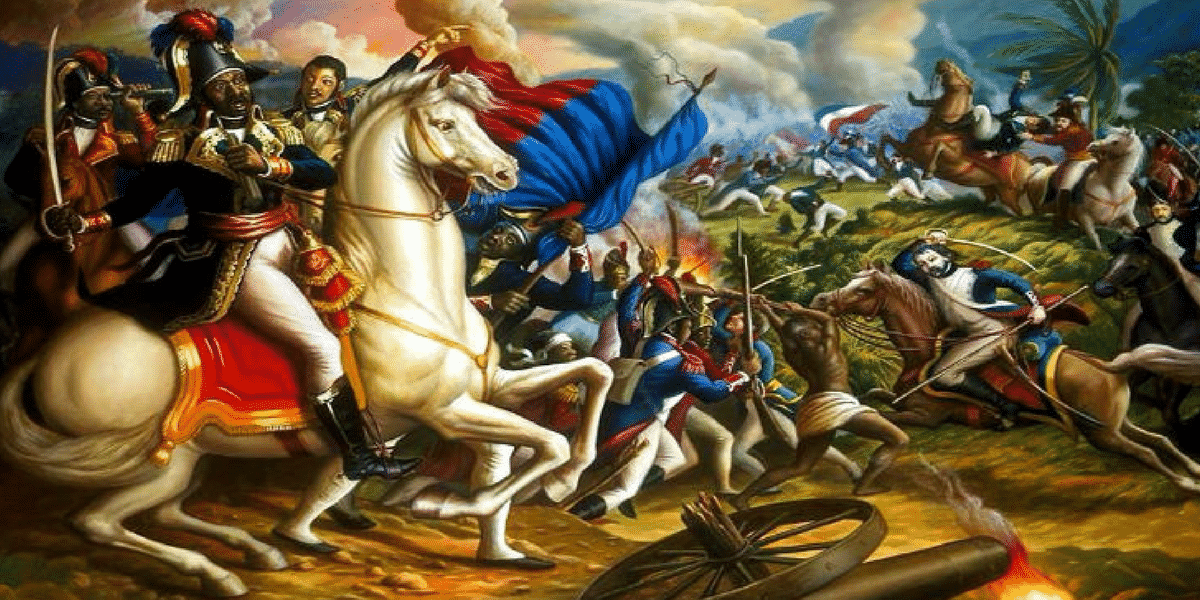
- 1804: Haïti proclaims its independence, becoming the first black republic in the world after defeating Napoleon’s powerful army.
In just a few decades, Haïti built a nation on the ruins of slavery, setting an example of emancipation that inspired other freedom struggles in Latin America and beyond.
Haïti covers 27,750 km², with a diverse geography that offers breathtaking landscapes:
- Mountains: More than 60% of the territory is mountainous. Pic la Selle, culminating at 2,680 meters, is the highest point in the country.
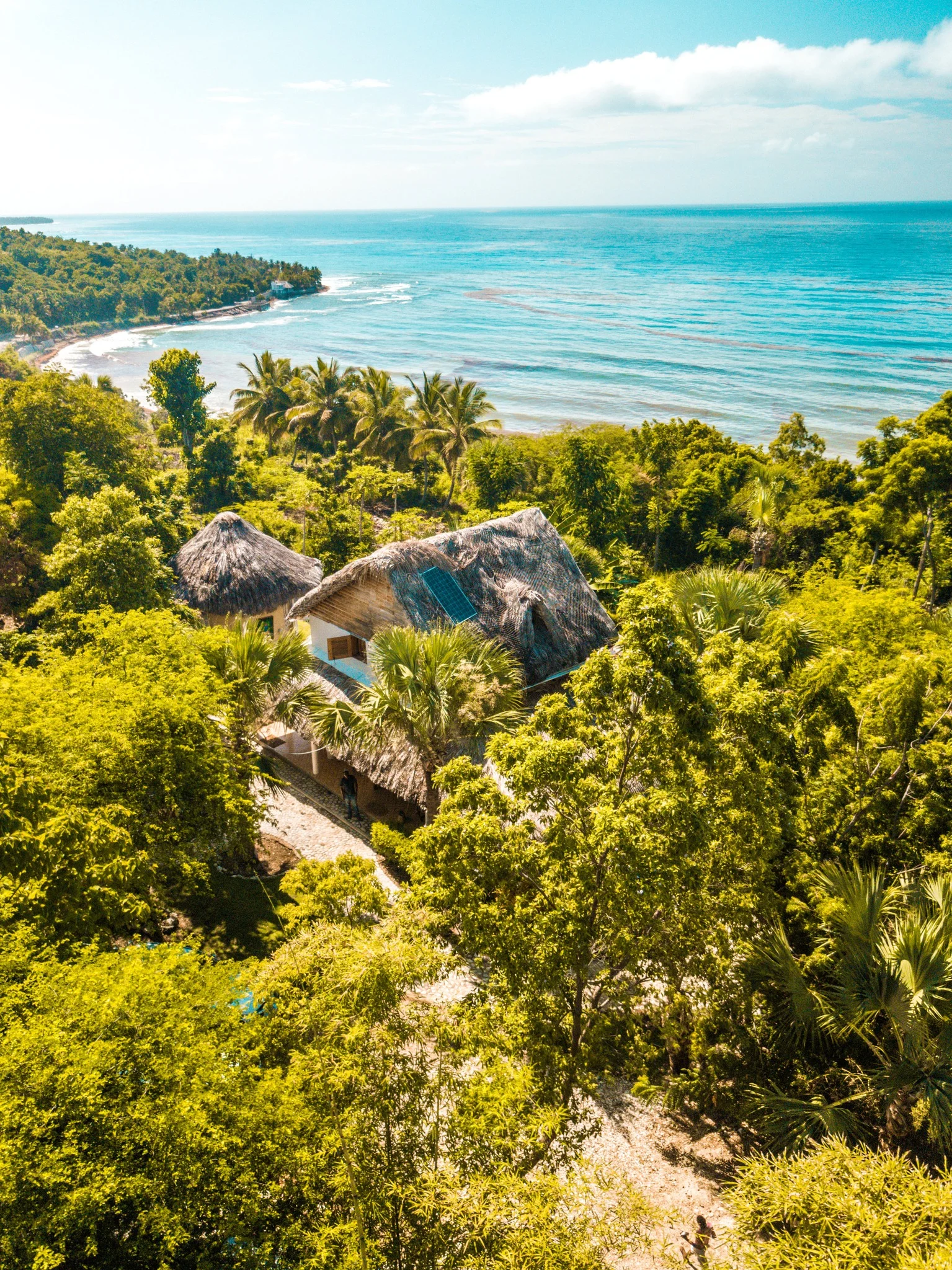
- Coastline: Haïti has more than 1,500 km of coastline, home to paradisiacal beaches such as those of Labadie and Île-à-Vache.
- Biodiversity: Haïti has approximately 5,600 plant species and several endemic animal species, making its national parks ecological treasures.
Macaya National Park, for example, is a UNESCO biosphere reserve recognized for its exceptional biodiversity.
Despite economic challenges, Haïti is showing promising signs in several sectors:
- Tourism: More than 500,000 visitors annually come to discover the beaches, culture, and historical sites.
- Agriculture: Nearly 45% of the workforce works in this sector, producing prized exports such as coffee, cocoa, and essential oils.
- Handicrafts: Haïti is famous for its unique art, including its colorful paintings and metal sculptures, which generate millions of dollars in exports each year.
Haïti is a country where culture is a daily celebration:
- Official Languages: Haitian Creole, spoken by 100% of Haitians, and French, reflect the country’s multicultural heritage.
- Festivities: The Jacmel Carnival attracts thousands of visitors each year with its handmade masks and dazzling parades.
- Gastronomy: Dishes such as national rice (rice stuck to peas), griot or Haitian pâtés delight palates around the world.
Beyond the challenges, Haïti is a nation of resilience and creativity. With local and international initiatives aimed at developing education, infrastructure and renewable energy, the country is on the path to transformation.
Haïti is much more than a country with a glorious past: it is a land of natural beauty, culture and innovation. Its majestic mountains, pristine beaches and warm people make Haïti a unique destination in the world. With its assets, Haïti invites the world to rediscover its true essence: a symbol of pride, courage and infinite potential.
Share
About the Author
Appolon Guy Alain
Appolon Guy Alain
Full Stack Developer, Créatif, expérimenté, passionné des nouvelles technologies et de l’art.
First black nation to free itself from slavery and gain independence from France in 1804 and influenced other liberation movements around the world, inspiring struggles for freedom and equality.
Natural beauty
Haïti is blessed with spectacular natural landscapes, including white sand beaches, mountains and rich biodiversity.
Heritage
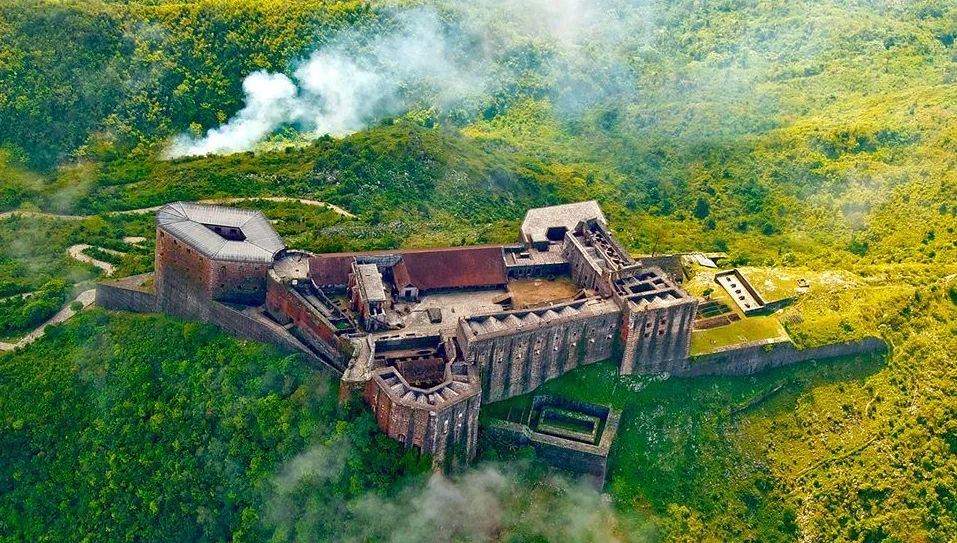
Haïti has a rich historical heritage, including sites like the Citadelle Laferrière and the Sans-Souci Palace, listed as UNESCO World Heritage Sites.
Culture
Haïti has a rich and diverse culture, influenced by African, European and indigenous elements. Haitian music, dance, art and cuisine are celebrated around the world.