contact@haitiwonderland.com+509 36184317

Discover

Shopping Cart

The festival Haïti Monde: When Culture Becomes an Act of Reparation

The festival Haïti Monde: When Culture Becomes an Act of Reparation

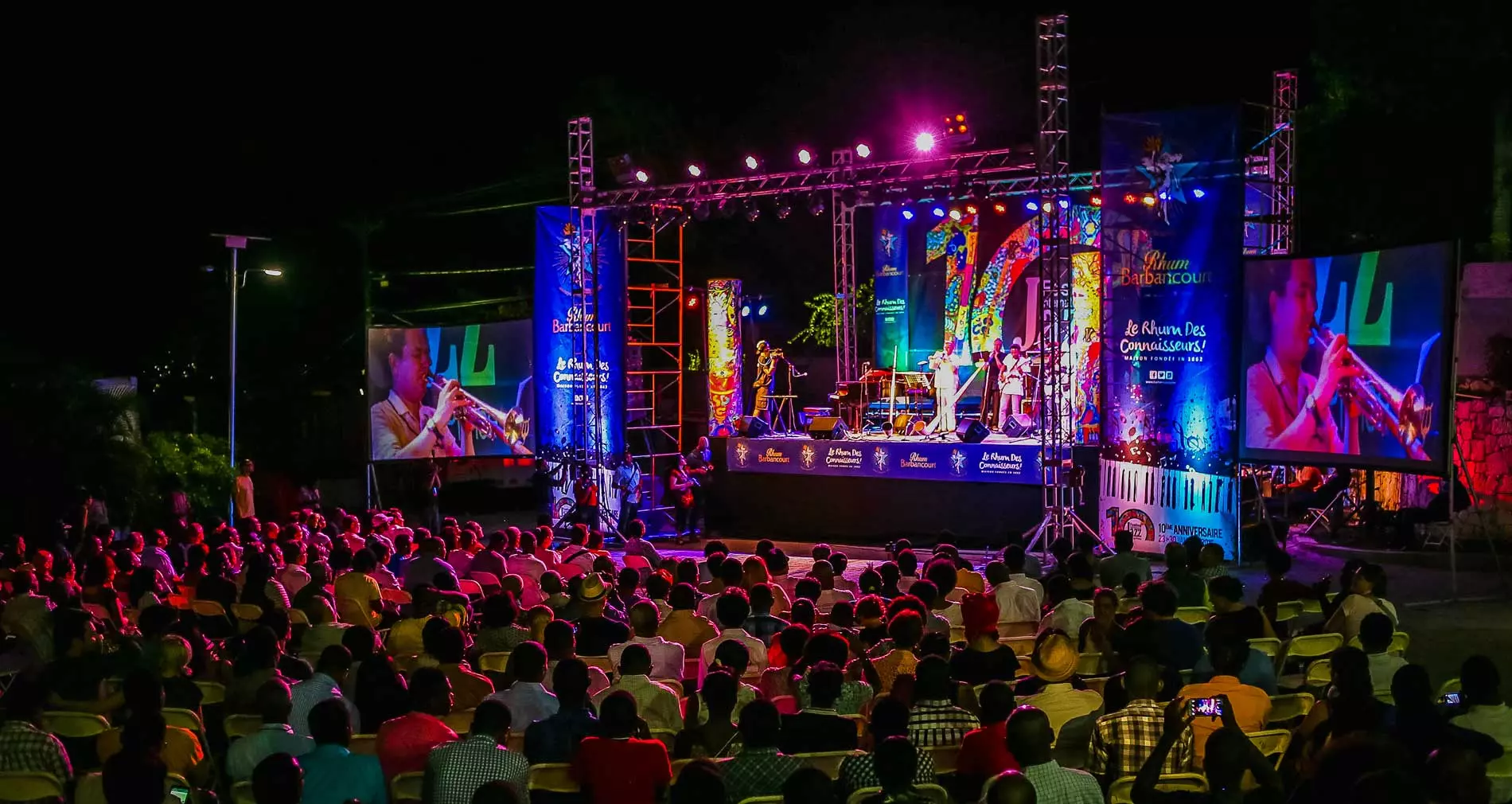
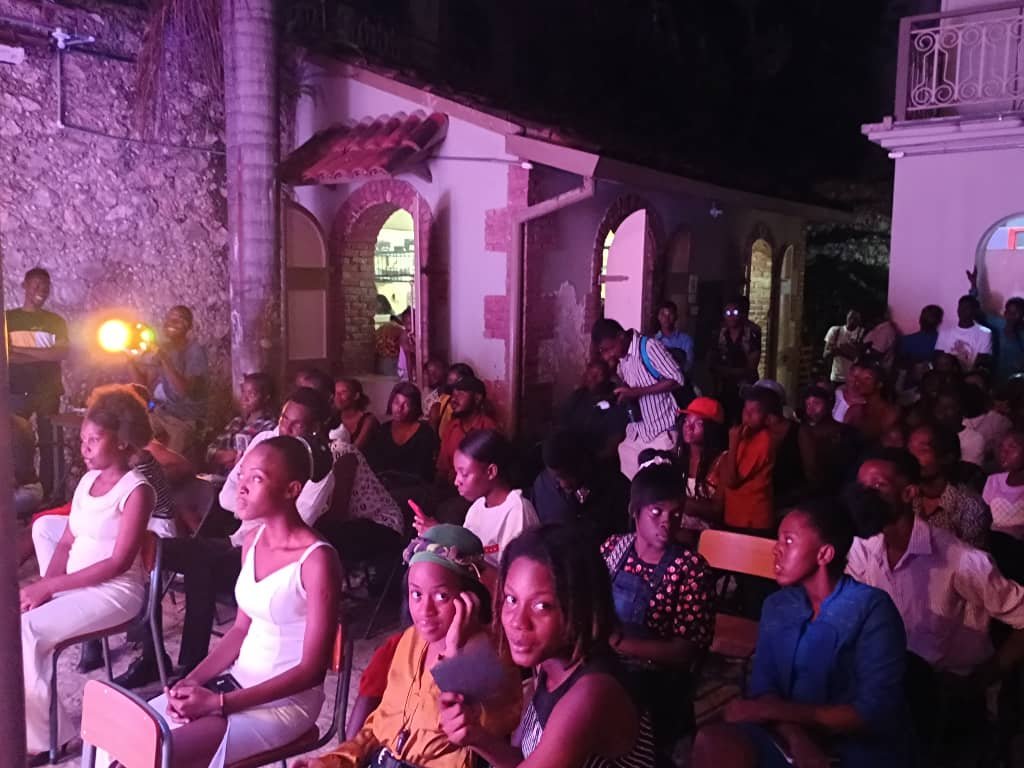
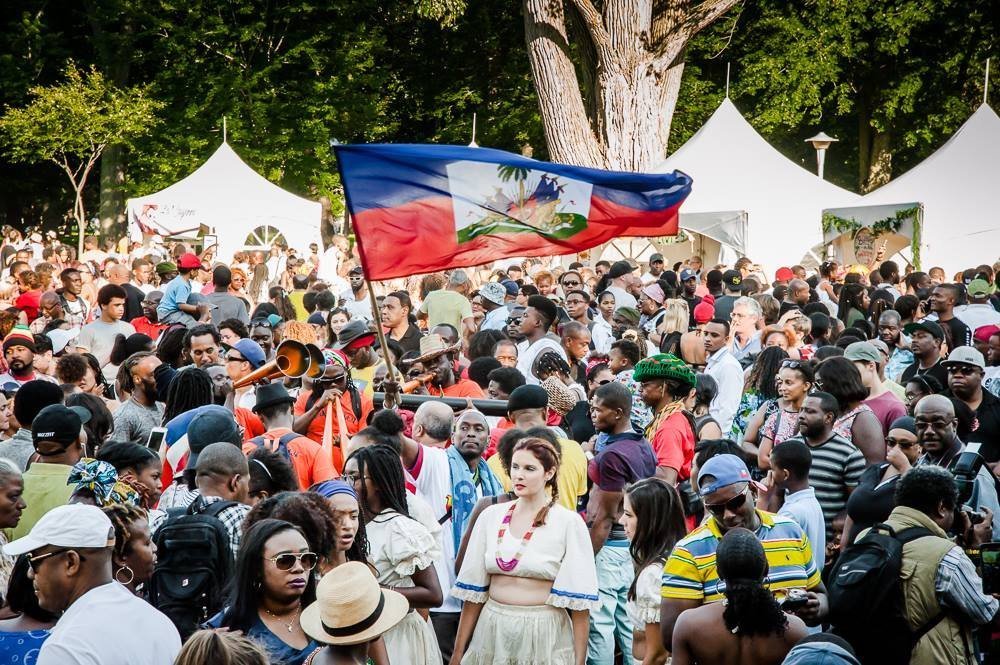
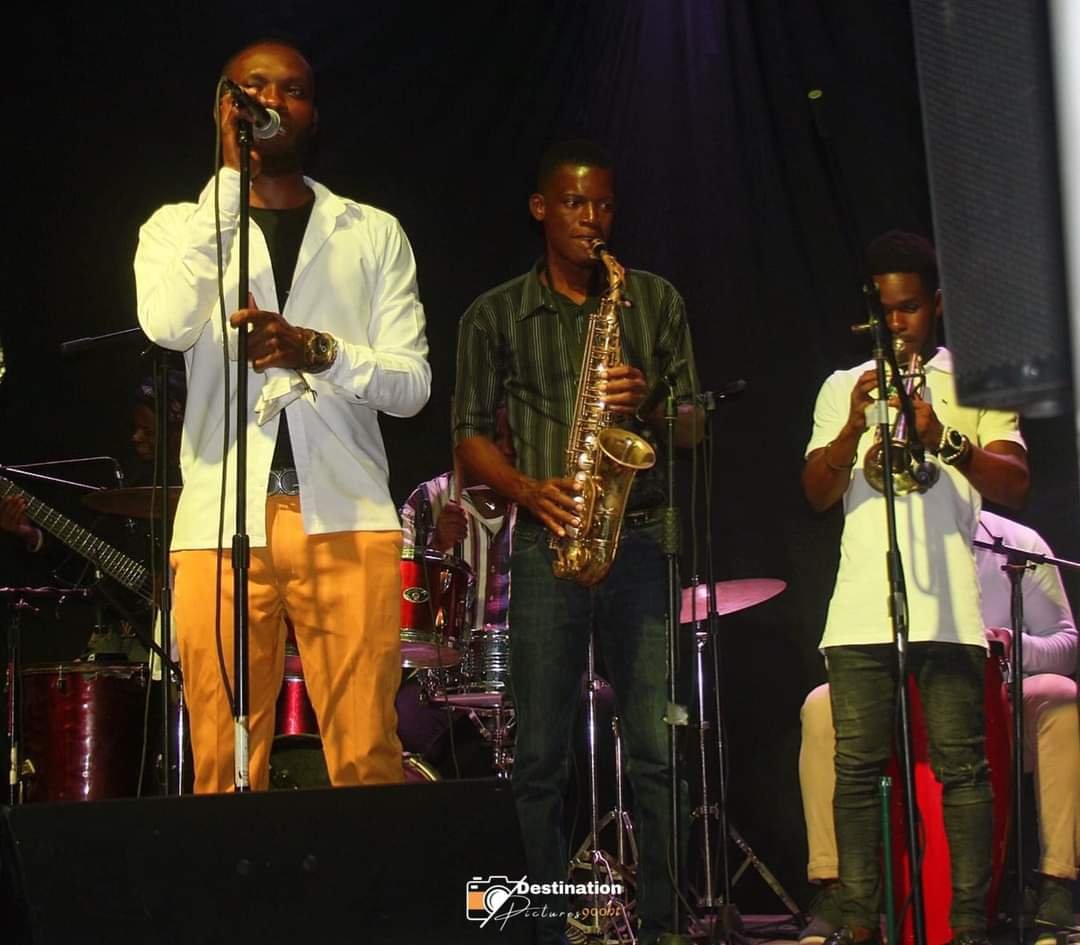
The Haïti Monde Festival is a major cultural event dedicated to promoting Haitian thought, memory, and creativity in the heart of Paris. Led for several years by Haitian intellectual Chadrac Charles and his team, it aims to be a space for expression, transmission, and reflection. In 2025, this fourth edition is organized around a theme that is more relevant than ever: “Repairing the World,” and will take place from June 25 to July 11 in the French capital. Gaël Octavia, winner of the 2025 Goncourt Prize for the short story, will be the guest of honor. Alongside her, other friends of the Haitian cause and powerful voices from the Haitian literary scene will be gathered. Among them: geographer Jean-Marie Théodat, Louis-Philippe Dalembert, Rocé, Mélissa Laveaux, Marie-Yemta Moussanang, Makenzy Orcel, Françoise Vergès, Lyonel Trouillot, Nicolas Idier, Nathania Périclès, Vladimir Delva, Sandra Dessalines, Claude Saturne, Kébert Bastien, Jude Joseph... and many others. A tribute will also be paid to Frankétienne and Anthony Phelps, two giants of Haitian literature who passed away this year.

Haïti
Haïti
Haïti

A Torn World

The world bears wounds across the whole expanse of its body; the wars declared and imposed by the powerful are becoming more and more frequent, and the voices of the weakest have never been so diminished since the end of World War II. This tendency to dominate by force is a serious blow to the reign of humanity. In addition to countless catastrophes, we are also facing a growing climate crisis. Hence the urgent need for healing. In this sense, the festival serves as a reminder and a way to amplify Haiti’s voice alongside the most vulnerable.

See as well

Haiti, the Country That Dared to Say No

This edition follows in a long tradition: that of a country that, as early as 1804, dared to overthrow an unjust global order. Haiti, the first Black republic in the world, not only conquered its own freedom but also stood alongside historical figures like Simón Bolívar in the liberation of Latin America in the early 19th century.
Even though the country is no longer the military force it was at the dawn of its independence, it remains an essential voice in the concert of nations, one that continues to say no to injustice for itself and for others. It is in this spirit that Haïti Monde rises, like a poetic cry against silence.

Poetry as a Universal Language

The organizers remain firm: poetic language is central to all Haitian expression. Because beyond facts, it is poetry that touches, crosses, and unites.
“It is a universal language capable of reaching any part of humanity,” says Chadrac Charles.
And it is indeed with words infused with poetry that he has set the tone of the festival:
“The world has cracked. Oceans are lined with corpses, and mountains are strewn with prayers without echo… We will say Haïti she who demands, in her fractured bones, the possibility of a repaired world…”

Haïti
Haïti
Haïti

To Reason in Paris, to Speak to the World

This year, as Haitian civil society reexamines the issue of the independence ransom, the festival’s resonance in the French capital takes on particular meaning. It is a responsible act of speech: to speak of Haïti beyond chaos, to honor its memory, and above all, to call for historical justice.
The bicentenary of the 1825 ordinance through which France demanded Haïti pay an exorbitant indemnity as the price of its freedom will be highlighted throughout the festival. This moment, described as a “builder of misfortune,” will be explored from various perspectives.
Can it be overcome without reparations? Can it be repaired without restitution?
To repair with words, to dream despite the ruins.
In a world still plagued by inequalities and domination, this edition of Haïti Monde will stand as a manifesto for justice, centered on the idea of reparation through culture.

To Write, to Speak, to Listen: these are the weapons of peaceful resistance that will be showcased by the organizing team.
“To repair the world is to believe that literature, fragile and stubborn, can still carry the voices of the damned, the dreams of the enslaved, the hopes of wanderers standing in the night...”
According to Chadrac Charles and he is absolutely right.

Share
About the Author
Moise Francois
Moise Francois
Moise Francois

Journalist editor, poet and apprentice lawyer.

See other articles from Moise Francois
Leave a comment

Recently Posted

Exploring Cayes-Jacmel, Haiti: Discovering a tourist and cultural treasure.

Nestled in the splendid mountains of the southeastern region of Haiti, the picturesque commune of Cayes-Jacmel emerges as a rare pearl, offering an incomparable tourist and cultural experience. With its lush green landscapes, rich cultural heritage and exciting activities, this destination promises an unforgettable journey for travelers seeking authenticity and natural beauty. As soon as you arrive in Cayes-Jacmel, you will be captivated by the splendor of its landscapes. The plains and hills that dominate the terrain offer a breathtaking spectacle, ideal for picturesque hikes and leisurely walks. The town is also full of crystal clear waterways, perfect for a refreshing break or a relaxing fishing session. Explore the hidden trails and let yourself be enchanted by the thriving biodiversity of the region, where nature reigns supreme. Without forgetting the magnificent beaches of Kabic like "Ti Mouillage", where the fine sand and turquoise waters invite relaxation and water sports. Cayes-Jacmel is steeped in rich history and vibrant culture, reflected in its majestic temples and churches. With more than thirty-two temples of all faiths, including Baptist churches, Churches of God and Catholic churches, the town is a symbol of religious diversity and tolerance. Immerse yourself in the region’s fascinating past by visiting the magistrate’s court and police station, witnesses to its political and legal legacy. Experience the excitement of local life by participating in the lively festivals and cultural events of Cayes-Jacmel. Immerse yourself in the haunting rhythms of Haitian music during community celebrations, and discover traditional crafts at local markets. Don’t miss the town’s annual festival, where dance, gastronomy and the arts combine to create a festive and warm atmosphere. Whether you’re a sports lover, adventure enthusiast, or simply looking for relaxation, Cayes-Jacmel has something to offer every traveler. Play football or basketball on the local pitches, or dance the night away at one of the town’s lively nightclubs. For an authentic experience, join a fishing excursion with the locals, or explore the region’s hidden gems on an exciting jeep tour. With its breathtaking natural beauty, rich cultural heritage and captivating activities, Cayes-Jacmel emerges as an incomparable tourist and cultural destination in Haiti. Whether you are looking for adventure, relaxation or cultural discoveries, this picturesque town promises you an unforgettable experience, imbued with the very essence of Haitian life. Embark on a journey to the heart of the magic of Cayes-Jacmel and let yourself be enchanted by its charm.

Newsletter

Subscribe to our newsletter to stay informed of all our activities and news on Haiti.

Haiti: The History of the World’s First Free Black Nation

Haiti, the pearl of the Antilles, is a Caribbean island with a rich and complex history. However, its special status as the world’s first free black nation gives it a unique place in the annals of history. This small island was the scene of an extraordinary revolution which resulted in independence, thus marking the beginning of a new era for the black community and the abolition of slavery. Let’s delve into the captivating story of the birth of the first black republic, Haiti. b~The colonial era and slavery~b Haiti’s history dates back to the arrival of Europeans in the 15th century, when Christopher Columbus discovered the island. European settlers, mainly Spanish and French, introduced slavery to exploit the island’s resources, including sugar, coffee and cotton. The indigenous Native American population was decimated, paving the way for the massive importation of African slaves. b~The Haitian Revolution~b On August 14, 1791, Haitian slaves rose up against their oppressors, sparking the Haitian Revolution. Under the leadership of iconic figures such as Toussaint Louverture, Jean-Jacques Dessalines and Henri Christophe, the insurgent slaves inflicted defeats on European armies, demonstrating fierce resistance and a desperate quest for freedom. b~The Declaration of Independence and the creation of the Republic of Haiti~b On January 1, 1804, Haïti proclaimed its independence, becoming the world’s first free black nation. This historic declaration symbolized the end of slavery and the triumph of the will of a people determined to live free. The Republic of Haïti was born in struggle and blood, asserting its autonomy in the face of the colonial powers. b~Post-independence challenges~b However, independence did not mean the end of challenges for Haiti. The country had to face external pressure, reparations imposed by France in exchange for recognition of its independence, as well as internal unrest. Despite these obstacles, Haïti strove to build a free and sovereign nation. The story of Haïti is that of a nation that overcame countless challenges to emerge as a pioneer of freedom for the black population. The Haitian Revolution remains a unique example of resistance, courage and determination, and Haïti continues to carry the torch of independence in the contemporary world. The legacy of this small Caribbean island still resonates today, reminding the world that freedom is a universal right that can be won even in the most difficult circumstances.

Recently Posted

History

History

First black nation to free itself from slavery and gain independence from France in 1804 and influenced other liberation movements around the world, inspiring struggles for freedom and equality.

Natural beauty

Natural beauty

Haïti is blessed with spectacular natural landscapes, including white sand beaches, mountains and rich biodiversity.

Heritage

Heritage

Haïti has a rich historical heritage, including sites like the Citadelle Laferrière and the Sans-Souci Palace, listed as UNESCO World Heritage Sites.

Culture

Culture

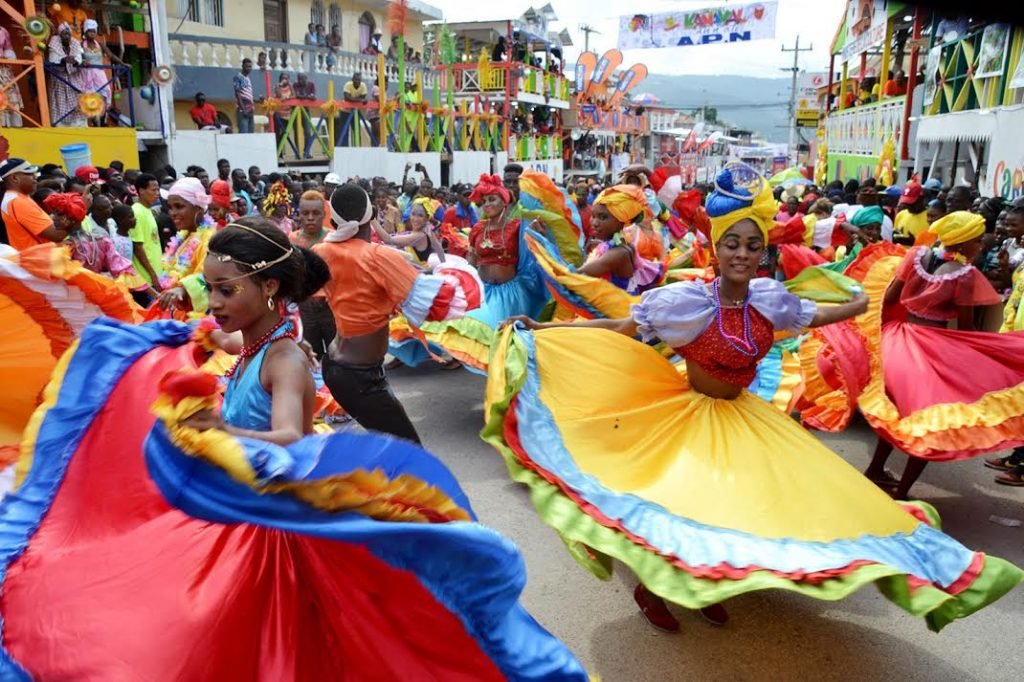
Haïti has a rich and diverse culture, influenced by African, European and indigenous elements. Haitian music, dance, art and cuisine are celebrated around the world.

  • +
    • Post