contact@haitiwonderland.com+509 36184317

Discover

Shopping Cart

A Pre-Parade to Kick Off the Festivities

A Pre-Parade to Kick Off the Festivities

Jacmel Opens Carnival 2026 with Splendor and Creativity

The city of Jacmel launched the festivities of the 2026 National Carnival with a spectacular pre-parade, organized by the city hall in partnership with the carnival committee. This first major event marks the official entry of the southeastern city into a festive season eagerly awaited by residents and visitors alike.

Streets Transformed into an Open-Air Stage

Early on, the city streets were transformed into a vast open-air theater. Dance troupes, traditional masquerades, and marching bands filled the main thoroughfares, offering a vibrant spectacle where movement, imagination, and cultural heritage intertwined. Musical entertainment, provided by several DJs, amplified the excitement, immersing the public in a rhythmic, colorful, and creative atmosphere.

A Celebration of Jacmel’s Cultural Identity

Under the theme "Jacmel in Our Dreams," this edition brought together an impressive crowd of carnival-goers, citizens, and visitors who came together to celebrate the city’s cultural identity. The originality of the performances, the exquisite costumes, and the quality of the organization were widely praised, confirming the artistic expertise for which Jacmel is renowned.

Jacmel, an Essential Showcase of Haitian Carnival

Through this successful pre-parade, the city reaffirms its status as a cultural benchmark for Haitian carnival. Tradition and innovation meet here, giving rise to a unique popular expression. Local authorities hope that this festive energy will continue throughout the scheduled activities, contributing to strengthening the tourist and cultural appeal of this southeastern metropolis.

The Jacmel Carnival, a Living and Historic Tradition

The Jacmel Carnival occupies a unique place in Haiti’s cultural history. Renowned for its papier-mâché masks, satirical characters, and keen sense of staging, it has established itself over the decades as one of the most authentic and creative carnivals in the country.

An artistic and symbolic heritage
Stemming from a long history of cultural resistance and popular expression, the Jacmel carnival draws its roots from African, European, and local traditions. It constitutes a space for freedom, social critique, and collective memory, where art becomes language and commitment.

A carnival that tells a story and questions society

Unlike carnivals dominated by musical floats, Jacmel distinguishes itself through a narrative and artistic approach. Each edition tells a story, questions the present, and summons the collective conscience. More than just a celebration, the Jacmel carnival remains a major cultural event, bringing renown to the city far beyond its borders.

Share
About the Author
Moise Francois
Moise Francois
Moise Francois

Journalist editor, poet and apprentice lawyer.

See other articles from Moise Francois
Leave a comment

Recently Posted

Newsletter

Subscribe to our newsletter to stay informed of all our activities and news on Haiti.

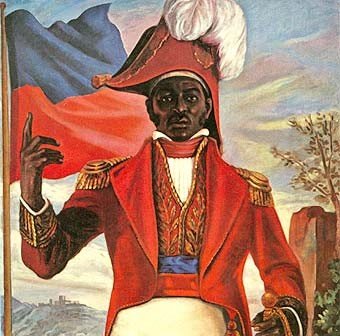
Jean-Jacques Dessalines, leader of the Haitian Revolution

In the annals of the history of Haiti, an island located in the Caribbean at the entrance to the Gulf of Mexico and shared with the Dominican Republic, Jean-Jacques Dessalines emerges like a phoenix from the ashes of oppression. Born a slave on September 20, 1758 in the home of Henri Duclos, in Cormier (Grande-Rivière-du-Nord), in the French colony of Saint-Domingue, Dessalines was a Creole of African (Afro-Caribbean) origin. Freed during the 1794 abolition achieved through slave revolts, actually served as an officer in the French army during the French Revolution. At that time, the ideas of freedom and equality were at the heart of the concerns of the inhabitants of the colonies. Dessalines actively participated in the fighting against the Spanish and British forces, alongside the French, in Santo Domingo. Having risen to the rank of Lieutenant General, Jean-Jacques Dessalines turned against the French during the Leclerc expedition, sent to Saint-Domingue by Bonaparte to reestablish colonial authority and slavery during the Haitian Revolution. After the capture and deportation of Toussaint Louverture to France on June 7, 1802, Dessalines assumed a leading role in continuing the struggle for independence. He led numerous battles, including the battle of Crête-à-Pierrot in March 1802, where he galvanized his soldiers with his famous declaration: “Let those who want to remain slaves of the French leave the fort, let those, on the contrary, who want to die as free men, line up around me.” On January 1, 1804, Jean-Jacques Dessalines achieved the long-awaited goal of independence by proclaiming Haïti as a sovereign nation, becoming the second country in the Americas to gain independence from a colonial power. He became the first leader of the newly formed nation and was named Emperor under the name James I. However, his imperial reign was marked by authoritarian and brutal policies, including the massacre of many white settlers and the redistribution of land to peasants that was in the hands of the generals of the independence army. In addition, he organized the hunt for delinquents in the city while implementing rigorous agrarian policies, considering that they represented a threat to the stability of the nation, these controversial actions caused divisions within Haitian society. Dessalines was assassinated on October 17, 1806 following a plot organized by some of his generals in the Haitian army. His death marked the end of his brief but influential period in power. Despite the controversies surrounding his methods, he is recognized as the main architect of Haiti’s independence and his name was honored in 1903 by being attributed to the Haitian national anthem, La Dessalinienne, composed by Justin Lhérisson.Finally, the great visionary man Jean Jacques Dessalines remains an emblematic figure in the history of Haiti, recognized for his role in the fight for independence and the end of slavery in the region.

Rutshelle Guillaume and Blondedy Ferdinand Team Up to Launch RGGlow

Elephant Haitian music and film icons Rutshelle Guillaume and Blondedy Ferdinand are adding another string to their bow with the launch of "RGGlow," a premium skincare brand. This unprecedented collaboration reflects their shared commitment to female empowerment and the celebration of beauty in all its diversity. Set to launch on December 12, 2024, the "RGGlow" line promises products designed to nourish, rejuvenate, and brighten the skin. Made with quality ingredients, "RGGlow" products aim to meet the specific needs of women looking for effective and elegant solutions for their beauty routine. The official launch will take place during an exclusive event at Blondedy Ferdinand Studio, starting at 5 p.m. The event will bring together celebrities, beauty professionals, and fans to celebrate this unique initiative. This is an anticipated moment that will mark the beginning of an ambitious and inspiring project. Beforehand, an exclusive live will be broadcast on December 11 at 7 p.m. on all platforms, allowing the general public to discover the behind the scenes of this entrepreneurial adventure. Rutshelle Guillaume and Blondedy Ferdinand will share the inspirations behind RGGlow, while revealing some secrets about the products that make up this range. This project represents much more than a simple cosmetics brand. RGGlow positions itself as a symbol of unity and determination, carried by two powerful and influential figures. Through this collaboration, Rutshelle and Blondedy wish not only to offer quality products, but also to convey a strong message: every woman deserves to feel beautiful, radiant and confident.

Recently Posted

History

History

First black nation to free itself from slavery and gain independence from France in 1804 and influenced other liberation movements around the world, inspiring struggles for freedom and equality.

Natural beauty

Natural beauty

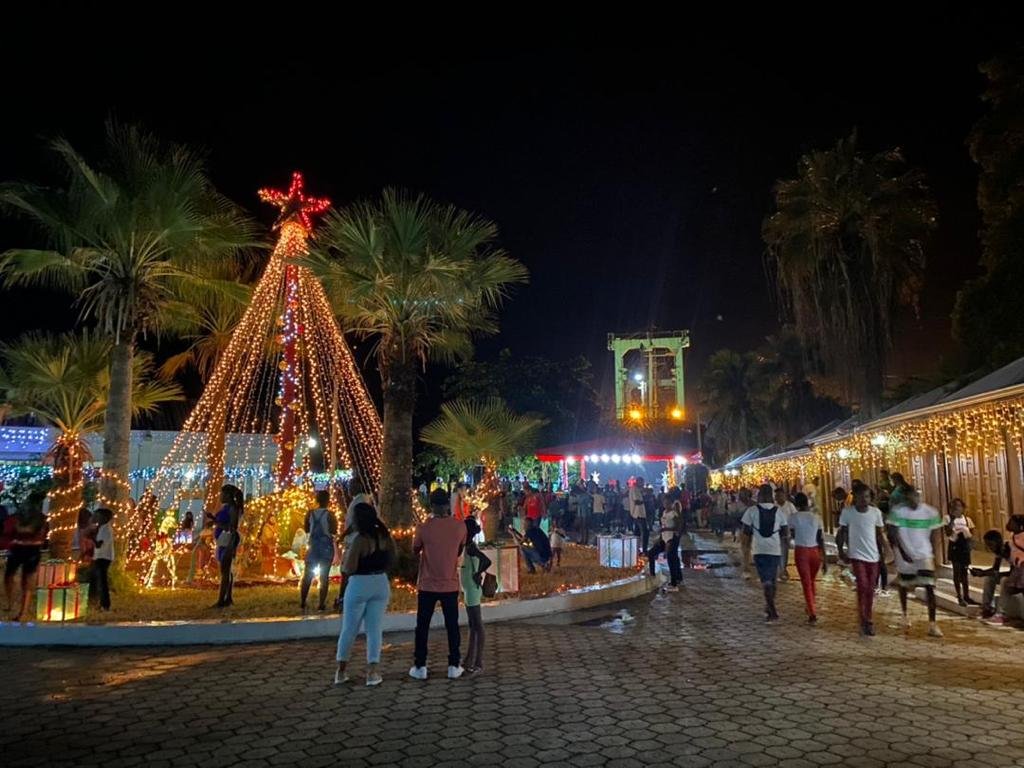
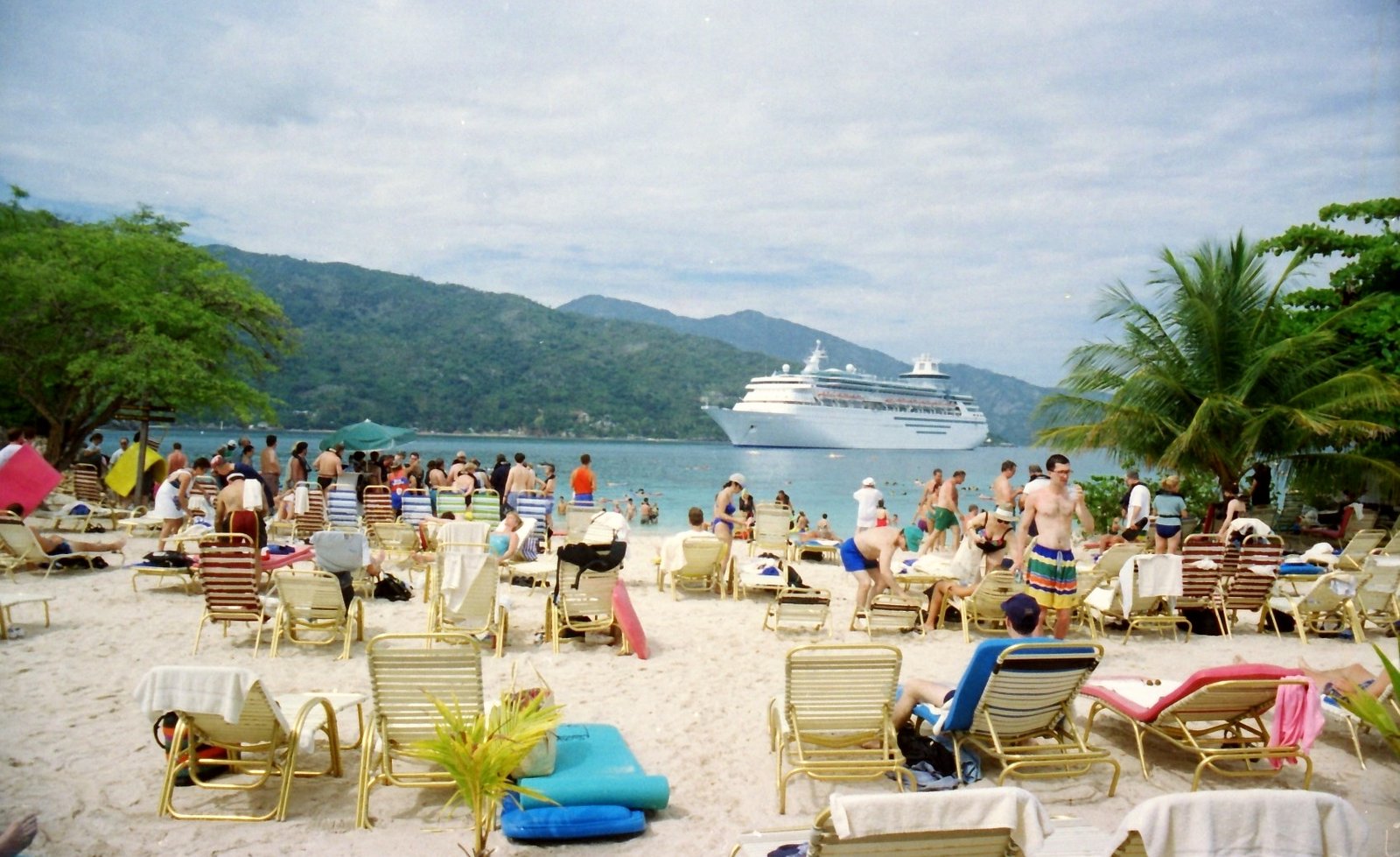
Haïti is blessed with spectacular natural landscapes, including white sand beaches, mountains and rich biodiversity.

Heritage

Heritage

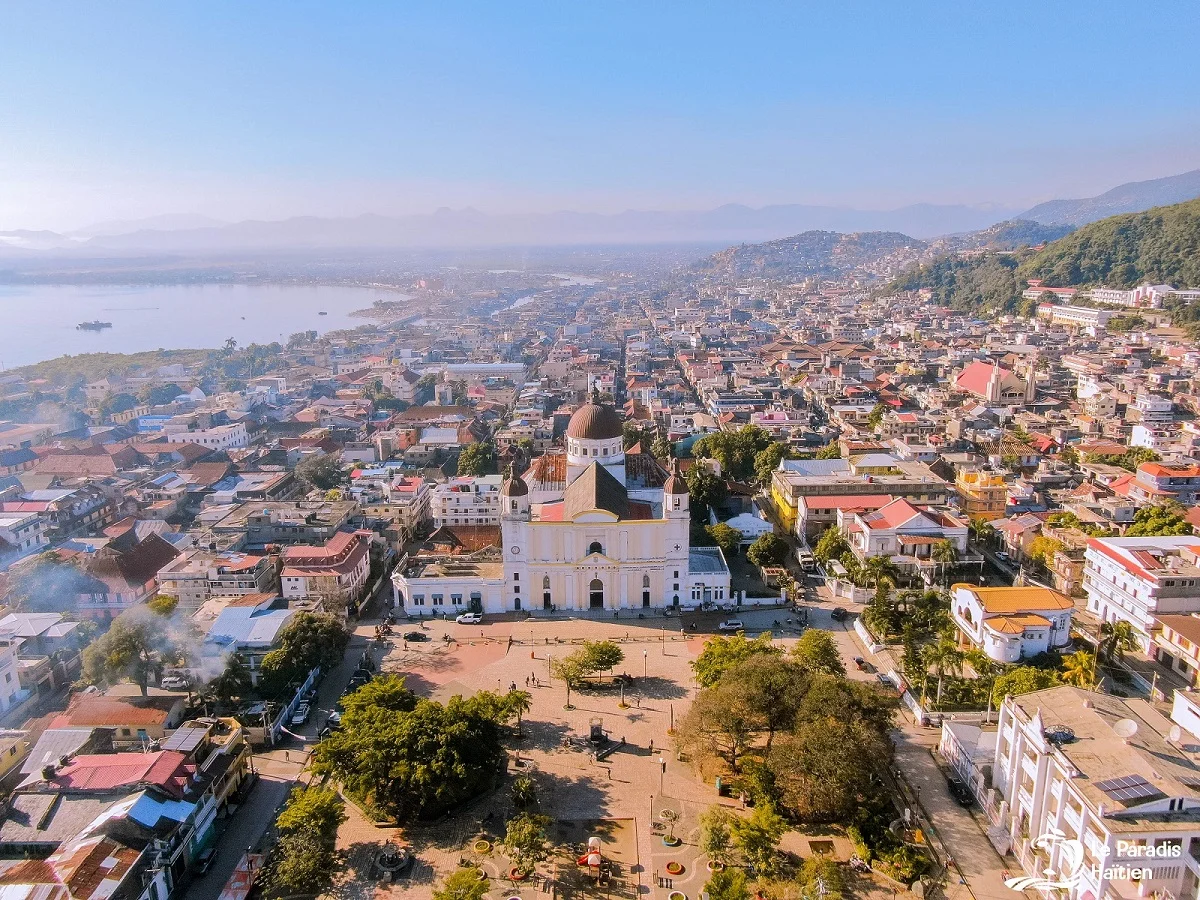
Haïti has a rich historical heritage, including sites like the Citadelle Laferrière and the Sans-Souci Palace, listed as UNESCO World Heritage Sites.

Culture

Culture

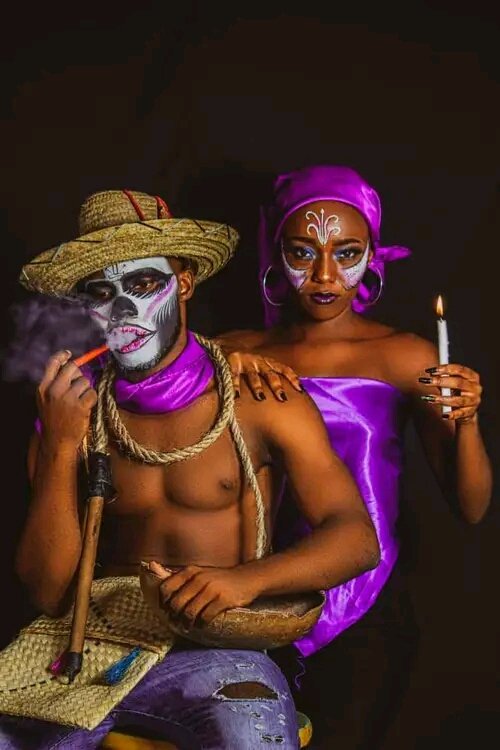
Haïti has a rich and diverse culture, influenced by African, European and indigenous elements. Haitian music, dance, art and cuisine are celebrated around the world.

  • +
    • Post