Recipes:
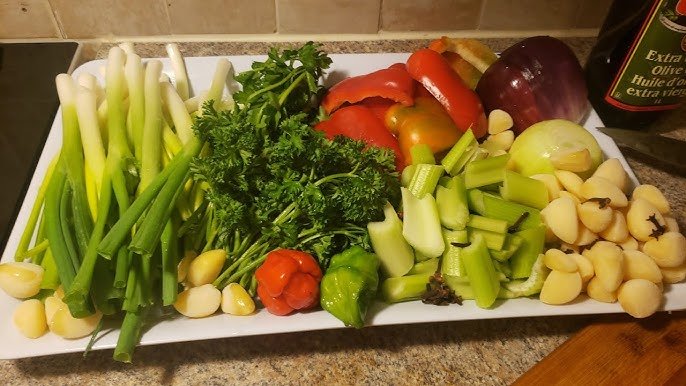
Ingredients
In a video that recently went viral, content creator Pigtoriasecret from Taiwan attempted to make Haitian vegetables. She showed off her culinary skills in a video captioned “Haitian Vegetable.” Her lighthearted approach to mixing culture, cuisine, and humor was creative and offered a unique twist that engaged food lovers and those curious about different cultures. However, comments from Haitians were pouring in from all sides, with criticism of the quality, sarcasm about the method, and irony about the creator’s courage in choosing to cook this dish. It didn’t stop!
Haïti Wonderland, far from setting itself up as a chef with Michelin stars, brings you the recipe for Haitian vegetables, “legim” or “toufe.”
Read the article in :
Ingredients

• 2 pounds of Haitian-seasoned beef • 2 tablespoons of olive or vegetable oil
• 3 tablespoons of tomato paste (optional)
• 2 cups of water
• 1 chicken bouillon cube (maggi or other)

• 1 cup of water
• 2 eggplants, peeled and cut into pieces
• 0.75 of cabbage, cut into pieces
• 1 package of watercress
• 2 carrots
• 1 medium-sized onion
• 1 mirliton
• 1 hot scotch bonnet pepper (be careful not to burst this pepper)
• ½ lime (juice only)
• ½ teaspoon of salt
• 4 cloves of cloves
• 2 cloves of garlic
• 2 chicken bouillon cubes (maggi or other)
• ¼ teaspoon of clove powder
• 4 tablespoons of olive oil

Cut all your vegetables into pieces. In a saucepan, brown the garlic and onion in a little hot oil. When the garlic becomes translucent, add the eggplant, mirliton, cabbage, carrot, leek and a little water. Cover the saucepan and let the vegetables simmer, which you will then reduce to a puree using a pestle. Return the puree to the heat, salt and pepper. Add a little vinegar, the bouquet garni and the whole goat pepper.
During the week, enjoy the "Toufe" with white rice or rice with the beans of your choice, and come back to give news in comments.

Facebook : https://www.facebook.com/haitiwonderland
Youtube : https://www.youtube.com/@haitiwonderland
Instagram : https://www.instagram.com/haitiwonderland/
Twitter : https://twitter.com/haitiwonderland
Linkedin : https://www.linkedin.com/in/haitiwonderland/
Haiti, associated with its rich history and vibrant culture, also offers a little-known aquatic paradise. With its pristine beaches, crystal clear waters and spectacular marine diversity, this Caribbean country is an ideal destination for lovers of water activities. Discover a fascinating underwater world, experience thrilling adventures and enjoy the Haitian coastline.
Subscribe to our newsletter to stay informed of all our activities and news on Haiti.
Diri kole ak pwa, a signature dish of Haitian cuisine, was recently recognized by the prestigious culinary magazine Taste Atlas as one of the best bean dishes in the world. This distinction highlights one of Haiti’s most beloved dishes, where rice and beans come together to create a rich and comforting culinary experience.
Haitians have long been misunderstood when it comes to their treatment of animals, especially pets like cats and dogs. However, the truth is, Haitians hold deep affection for their animal companions, and this bond is reflected in the way they care for and nurture their pets. From rural areas to urban neighborhoods, pets are often regarded as part of the family, with Haitians showing immense dedication to their well-being. Here are some key aspects that highlight the strong relationship Haitians have with their pets.
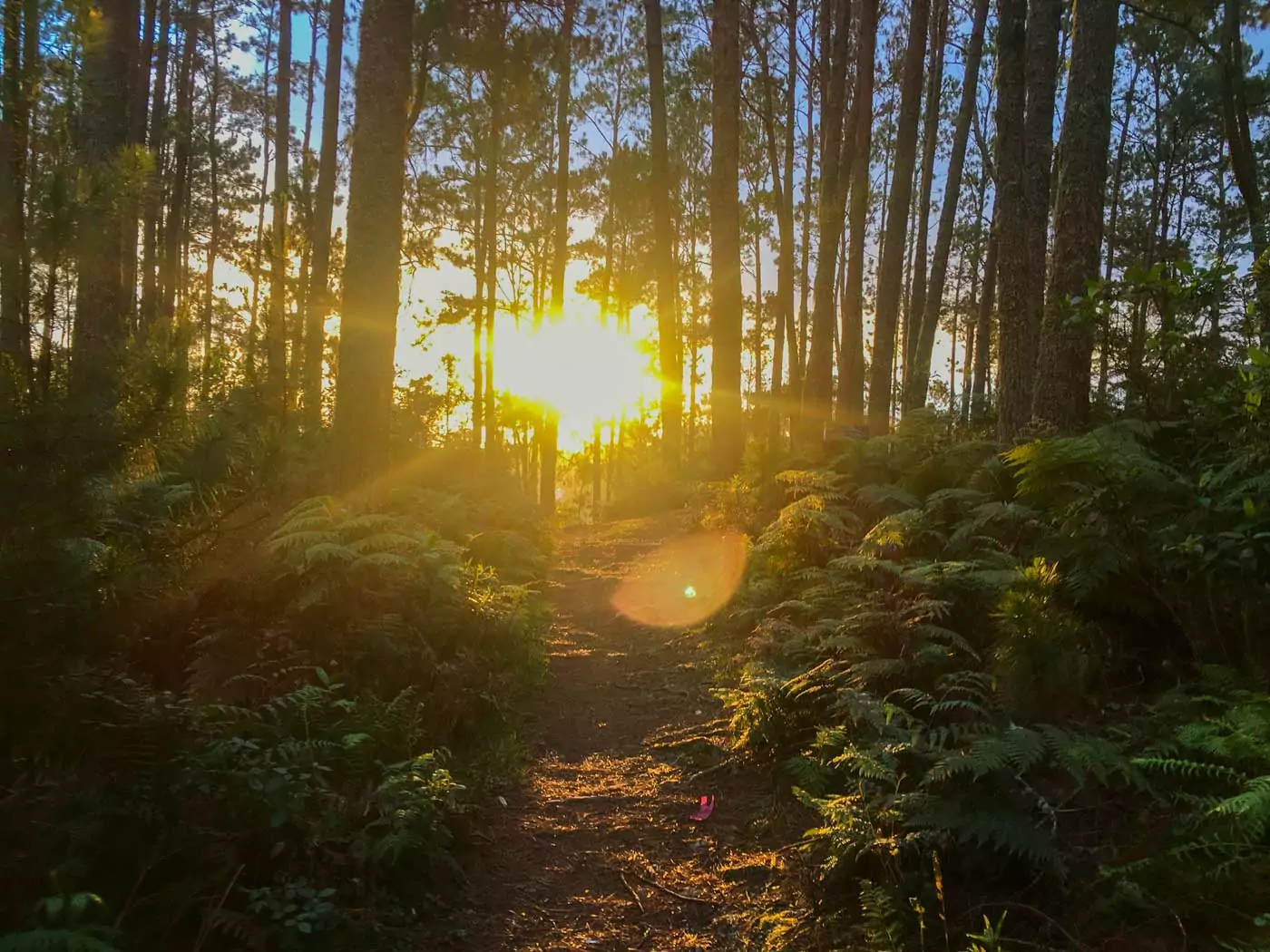
Haiti, rich in biodiversity and natural landscapes, is home to forests that are a testament to the beauty and ecological importance of the island. Among them, one stands out as the largest and most emblematic in the country. So, what is this forest? Discover its name, characteristics and importance for the Haitian environment.

First black nation to free itself from slavery and gain independence from France in 1804 and influenced other liberation movements around the world, inspiring struggles for freedom and equality.

Haïti is blessed with spectacular natural landscapes, including white sand beaches, mountains and rich biodiversity.

Haïti has a rich historical heritage, including sites like the Citadelle Laferrière and the Sans-Souci Palace, listed as UNESCO World Heritage Sites.

Haïti has a rich and diverse culture, influenced by African, European and indigenous elements. Haitian music, dance, art and cuisine are celebrated around the world.