contact@haitiwonderland.com+509 36184317

Discover

Shopping Cart

What is the name of the largest valley in Haiti?

What is the name of the largest valley in Haiti?

The largest valley in Haïti is called the Artibonite Valley. Nestled in the heart of the country, this valley is a true natural and economic wealth for the nation. Thanks to its fertile lands, its importance in agricultural production and its role in Haitian history and culture, the Artibonite Valley is an emblematic place in many ways. In this article, we will explore the characteristics that make this valley a national treasure.

The Artibonite Valley: an impressive geographical space

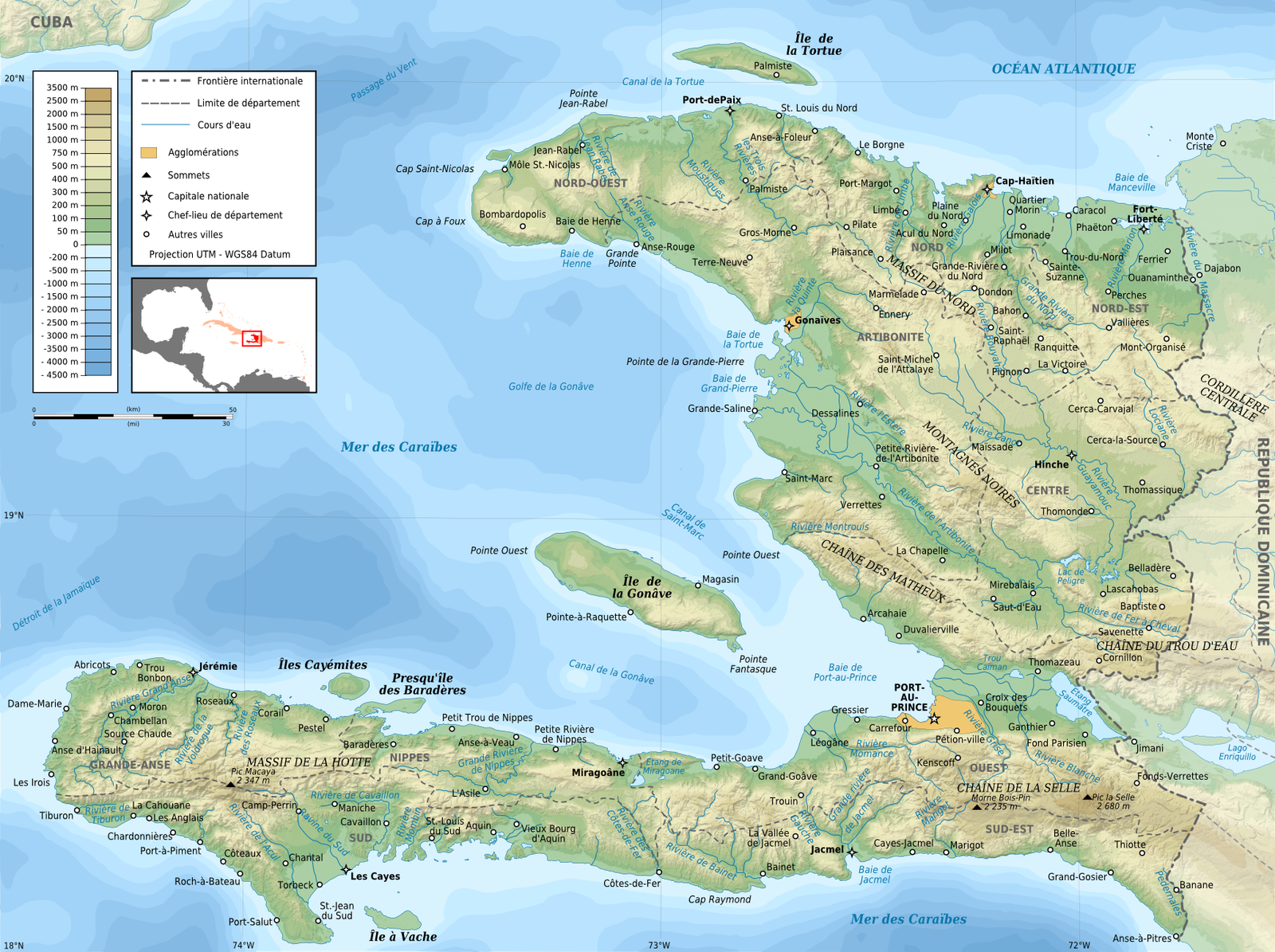
The Artibonite Valley is located in the department that bears its name, Artibonite, in the northwest of Haiti. It stretches for several kilometers and is crossed by the Artibonite River, the longest river in the country.

The lands of this valley are among the most fertile in Haiti, favoring flourishing agriculture. This agricultural dynamism makes the Artibonite Valley one of the most important rural areas for the Haitian economy, particularly thanks to the intensive cultivation of rice, an essential commodity for the population.

A granary for Haiti

The Artibonite Valley is often referred to as the country’s "rice granary". It produces approximately 80% of the rice consumed by Haitians, making it a strategic region for food security. In addition to rice, other crops such as corn, vegetables and fruits are grown there, strengthening the country’s food autonomy.

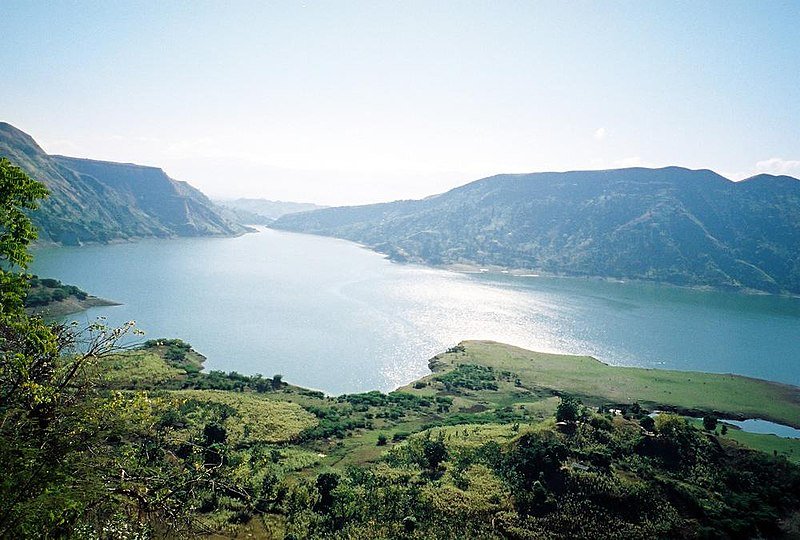
This agricultural production relies largely on the irrigation system supplied by the Artibonite River and the Péligre Dam. Despite these advantages, the region faces challenges such as soil erosion and frequent flooding, which require interventions to ensure the sustainability of agricultural land.

A place full of history and culture

The Artibonite Valley is also an important witness to Haiti’s history. During the Haitian Revolution, this region played a strategic role in the fight for independence. Many battles took place in and around the valley, which today houses historical remains related to this crucial period.

The local culture also reflects the importance of this region. The inhabitants of the Artibonite Valley celebrate their traditions through festivals, music and dances that highlight their connection with the land and water. The region’s rich and tasty gastronomy is another testimony to its heritage.

Some key figures about the Artibonite Valley

- Area: The valley covers a vast area of ​​approximately 4,000 km², making it one of the largest agricultural regions in the country. - Rice production: Approximately 80% of Haiti’s rice comes from this region.
- Population: More than 1.5 million people live in this region, largely dependent on agriculture for their livelihoods.
- Climate: The valley enjoys a tropical climate, ideal for growing rice and other agricultural products.

An ecosystem to preserve

Like any major agricultural region, the Artibonite Valley faces environmental challenges. Deforestation in the surrounding mountains causes soil erosion, which threatens the fertility of the land. In addition, unsustainable agricultural practices and climate change pose risks to the future of agricultural production.

Local and international initiatives are working to address these issues, including through reforestation programs, promoting agroforestry, and strengthening irrigation infrastructure.

The Artibonite Valley, a National Jewel

The Artibonite Valley is not only a place of agricultural production; it is a symbol of Haiti’s natural and cultural wealth. It embodies the resilience and creativity of a people who make the most of their environment to feed the nation and preserve their heritage.

If you have visited the valley or know other fascinating facts about it, please share them in the comments!

Share
About the Author
Appolon Guy Alain
Appolon Guy Alain
Appolon Guy Alain

Full Stack Developer, Créatif, expérimenté, passionné des nouvelles technologies et de l’art.

See other articles from Appolon Guy Alain
Leave a comment

Recently Posted

Vertières, Fort Mazi: Beyond historical truth;

If you look up the word vertière in a French dictionary, you will not find it for fear that the world does not know this place represents the Achilles heels of the most powerful European army. What’s more, this one had just successfully won the eastern campaign. French historians of the time erased this geographical location from the radar of history because they did not want to tell the story as it is in the sense of explaining the first great humiliation of the expeditionary army French by bands of slaves who were totally ignorant in the art of waging war, much less in the handling of weapons. However, these illiterate wars routed the Napoleonic army, the most powerful at that time, using the means at hand. This expeditionary army, after having brought Europe to its knees, would experience its first rout by slaves in this geographical location, located in the Northern department of Haiti. Funny story, this city is not on the list of French words even though given its historical importance, it should be at the heart of universal history, far from putting an end to the invincibility of the undefeated army army. So as not to offend the white masters, no political leader has ever asked why vertière does not appear in any French dictionary? However, they celebrate this battle with great fanfare every November 18. What historic hypocrisy among our leaders! After Vertière many other historical places are strangled by historians in order to hide the extremes of atrocities of the French colonists on the slaves. It is in this context of historical strangulation that “Fort Mazi” is not mentioned in school history textbooks. This is located in Petit-Goave, 2nd municipal section, Arnoux locality. We came across this mega fort, during a mobile clinic entirely financed by the Ernest Junior foundation, a charitable foundation which works in the social sector, particularly in the field of art and music. According to residents , the oldest in this locality, this fort was built on at least 20 squares of earth by the settlers. It was a huge military complex divided into compartments, outposts, turtle rooms, rooms for treating colonists, a large Catholic church, and a cemetery. However, we never talk about this fort so much so that it is ignored by history teachers in the town of Petit-Goave. Certainly, the desired disappearance of this fort under the radar of history buries the atrocities, the barbarities, the most inhumane punishments of the colonists on the slaves. Looking closely at reality, everything seems true that it is the largest fort ever built during the period of colonization. Moreover, it probably seems the most fortified in relation to its importance. Remember that Vertière only exists in Haitian school history textbooks while Fort Mazi does not appear, much less in French dictionaries or history books. This explains why this fort was a secret place in which the settlers practiced crimes and atrocities that went beyond human understanding. Is it not a clear desire of historians to hide what this immense fort built on at least 20 tiles of earth really was? Discover the history of Haiti: A fascinating story to explore! : https://haitiwonderland.com/haiti/histoire/decouvrez-l-histoire-d-haiti--un-recit-fascinant-a-explorer/81


Newsletter

Subscribe to our newsletter to stay informed of all our activities and news on Haiti.

Recently Posted

History

History

First black nation to free itself from slavery and gain independence from France in 1804 and influenced other liberation movements around the world, inspiring struggles for freedom and equality.

Natural beauty

Natural beauty

Haïti is blessed with spectacular natural landscapes, including white sand beaches, mountains and rich biodiversity.

Heritage

Heritage

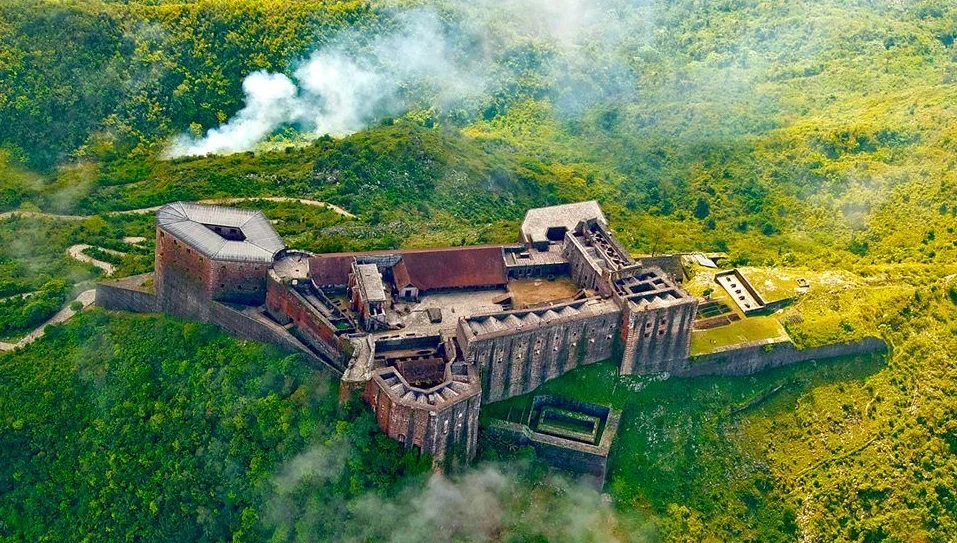
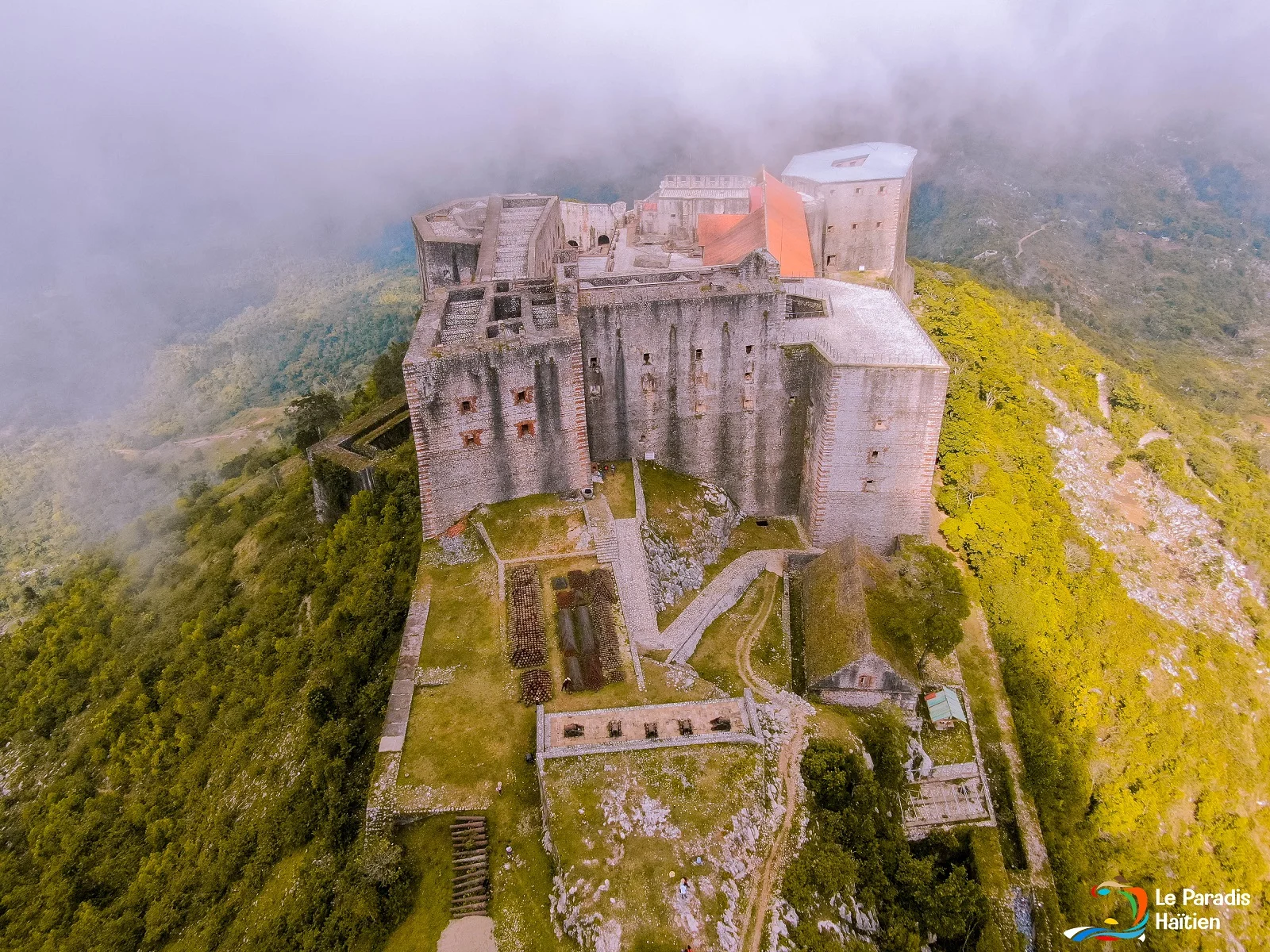
Haïti has a rich historical heritage, including sites like the Citadelle Laferrière and the Sans-Souci Palace, listed as UNESCO World Heritage Sites.

Culture

Culture

Haïti has a rich and diverse culture, influenced by African, European and indigenous elements. Haitian music, dance, art and cuisine are celebrated around the world.

  • +
    • Post