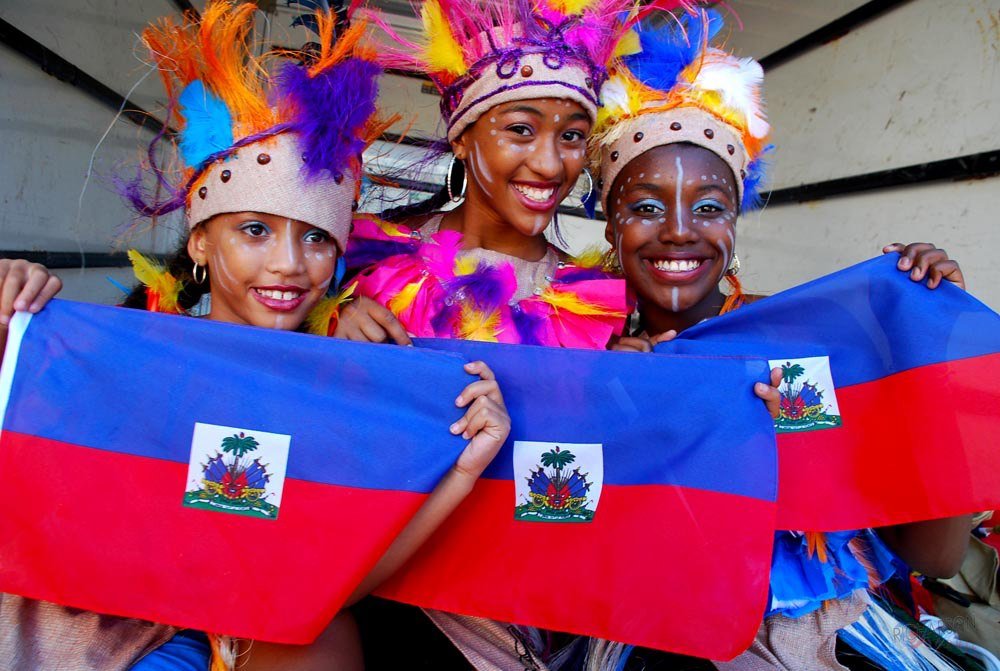



A Pre-Parade to Kick Off the Festivities
Jacmel Opens Carnival 2026 with Splendor and Creativity
Located in the southern metropolis of Haiti, within the commune of Camp Perrin, near the city of Les Cayes, Saut Mathurine is one of the largest and impressive waterfalls in Haiti. this natural site is a true treasure for nature lovers, adventurers and tourists in search of authentic beauty. If the southern region of Haïti is known for its many lush beaches under the weight of the Antilles sun, its numerous caves, forts of all kinds and other important historical sites. Among all this great natural wealth, there are cities which stand out for their exceptional side. And which does not leave those who are willing to visit them indifferent. The Mathurine jump is precisely one of them. The Saut Mathurine stands out for its impressive height and powerful flow, creating a breathtaking natural spectacle. The waterfall, which flows forcefully into a pool, is made up of clear, turquoise waters, while providing an idyllic and peaceful setting for those who bathe there. In other words, visitors can take advantage of this enchanting setting to relax, picnic or swim in the fresh and invigorating waters of Mathurine Falls.
The Francophone Youth Parliament (PFJ) is an entity of the Parliamentary Assembly of the Francophonie (APF), which itself is part of the International Organization of La Francophonie (OIF). Established in 1999 during the Moncton Summit in Canada, this parliament for Francophone youth provides a genuine opportunity to forge connections among young people from the Francophone world. This real platform for debate and advocacy allows young people to have their voices heard and actively participate in shaping the future of La Francophonie. The body meets sequentially, with young people from almost all Francophone backgrounds gathering at each edition to discuss contemporary issues affecting global youth, such as precariousness, a lack of faith in democracy, characterized by a high number of young people abstaining from elections, a lack of civic engagement, the fight against inequalities, climate change, and even the impact of social media on youth. It is important to note that although the decisions made during these meetings are not legally binding, they remain powerful tools to describe the real will and needs of youth in the Francophone space, with the aim of facilitating actions by leaders.
Vertières is the place where history’s light shines brightly. The war that led to the independence of the first black republic in the world, Haiti, spanned several decades. Jean-Jacques Dessalines, who proclaimed the victory on January 1, 1804, was a man who cleverly capitalized on the honorable legacy left by Toussaint Louverture at the head of this struggle for the first liberation of a black people in the Americas. The Battle of Vertières took place in the northern outskirts of Saint-Domingue, the name of Haïti under the yoke of slavery, near the current commune of Limbé. Under a pouring rain, mixing the mud with the blood of the freedom fighters represented by Dessalines’ indigenous army, on November 18, 1803.
Few people know that Haiti, often celebrated for its beaches and rich history, is also home to the largest cave system in the Caribbean. These underground formations, scattered across the country, are natural and cultural treasures that bear witness to millions of years of geological evolution and human interactions. Let’s dive into this fascinating universe together.
Haïti holds a unique and iconic place in world history as the first independent black republic. This historical fact, inscribed in the annals of the world, is a source of pride for the Haitian people and an inspiration for freedom and equality movements throughout the centuries. Let’s discover together the events that led to this historical feat and its impact on the international scene.
Located in the Bay of Cap-Haitien, Fort Saint-Joseph stands like a silent guardian of Haiti’s tumultuous history. Built in two stages, in 1748 and 1774, this defensive work was once a crucial element of the city’s protection system against French colonial assaults. Alongside other forts such as Picolet and Magny, its mission was to control maritime passages and defend Haitian sovereignty. However, its history is not limited to its defensive function. In 1802, then under the control of General Henry Christophe, the fort became the scene of a heroic act of resistance. Faced with the French expeditionary army, Christophe ordered the destruction of the powder magazine and the entrance gate to the fort, thus rendering it temporarily unusable. This courageous gesture, although tactical, left indelible scars on the very structure of the fort, testifying to the fierce clashes between French colonial forces and Haitian resistance fighters. These historic marks, still visible today, offer a window into the country’s tumultuous past. They allow visitors and historians to interpret the fierce struggles that forged Haitian identity. Fort Saint-Joseph, as a witness to the resistance and the struggle for freedom, embodies the indomitable spirit of the Haitian people. Recognizing its historical significance, the Haitian government officially classified Fort Saint-Joseph as national heritage in 1995. This recognition paved the way for restoration efforts aimed at preserving this precious vestige of Haitian military heritage. Thanks to collaboration between the public sector and local private funding, the fort has recently been restored and enhanced. Thus, Fort Saint-Joseph remains much more than a simple stone structure. It is a living symbol of the resilience and determination of the Haitian people, reminding all visitors that Haiti’s history is deeply rooted in the struggle for freedom and human dignity. To virtually discover this jewel of Haitian history, you can visit the following link: https://haitiwonderland.com/haiti-virtual-reality-ht/monuments-histoire/haiti--fort-saint-joseph--visite- virtual/11
Haitian cuisine is rich and flavorful and is a true reflection of the country’s culture, history and traditions. It combines African, European and indigenous influences to offer diverse and delicious dishes. From everyday meals to traditional feasts, food in Haïti is more than just a way to eat, it’s a cultural experience. Discover with us what they eat in Haiti, and let yourself be seduced by the unique flavors of this Caribbean country.

First black nation to free itself from slavery and gain independence from France in 1804 and influenced other liberation movements around the world, inspiring struggles for freedom and equality.

Haïti is blessed with spectacular natural landscapes, including white sand beaches, mountains and rich biodiversity.

Haïti has a rich historical heritage, including sites like the Citadelle Laferrière and the Sans-Souci Palace, listed as UNESCO World Heritage Sites.

Haïti has a rich and diverse culture, influenced by African, European and indigenous elements. Haitian music, dance, art and cuisine are celebrated around the world.