



Jacmel Carnival 2026: A major showcase of Haitian cultural creativity
Discover the Jacmel Carnival 2026, a symbol of Haitian cultural richness. Immerse yourself in the art and creativity of this unmissable festival!
Haiti’s largest plateau is the Central Plateau. This vast territory, located in the central region of the country, is an emblematic area of Haiti’s environment, rich in natural resources, history, and agricultural potential. In this article, we will explore the characteristics of this plateau that make it an essential region for understanding Haiti.
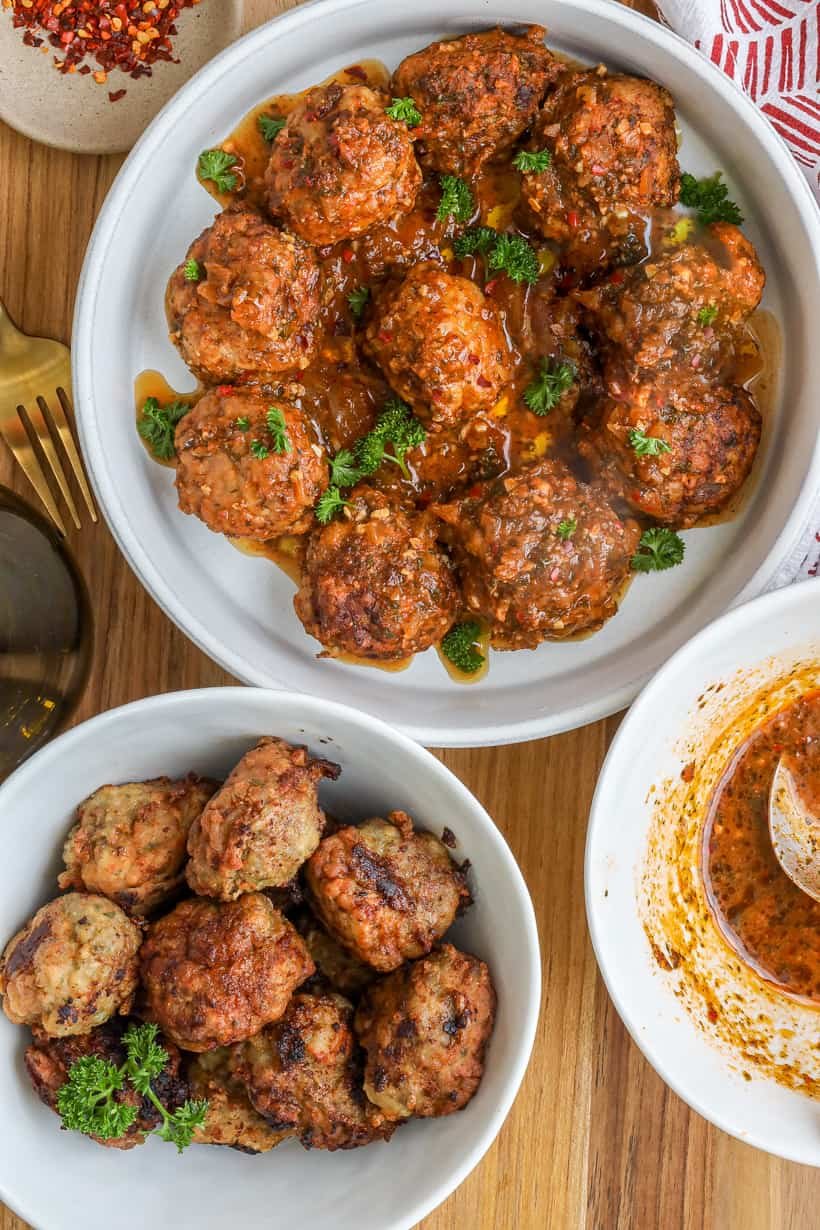
Are you a parent? Are your children already going to school? Don’t say anything, I know! Every morning, it’s the same question: "What’s in their lunch today?" You want it to be tasty, balanced, and, above all, for your child to enjoy what they’re eating. Here are 5 simple and delicious ideas to treat your child at school.
La musique joue un rôle crucial dans la formation de l’identité d’une nation, en haïti, elle occupe une place centrale dans la vie de presque tous les haïtiens. Elle est utilisée comme étant l’un des moyens les plus fiables dont se sert le peuple haïtien pour s’évader face aux nombreux événements qui constituent l’essentiel de son quotidien. Le genre musical qui prédomine en haïti est le compas direct. Créer par l’esprit créatif haïtien, le compas à évoluer au fil des années pour aboutir jusqu’à sa position actuelle.
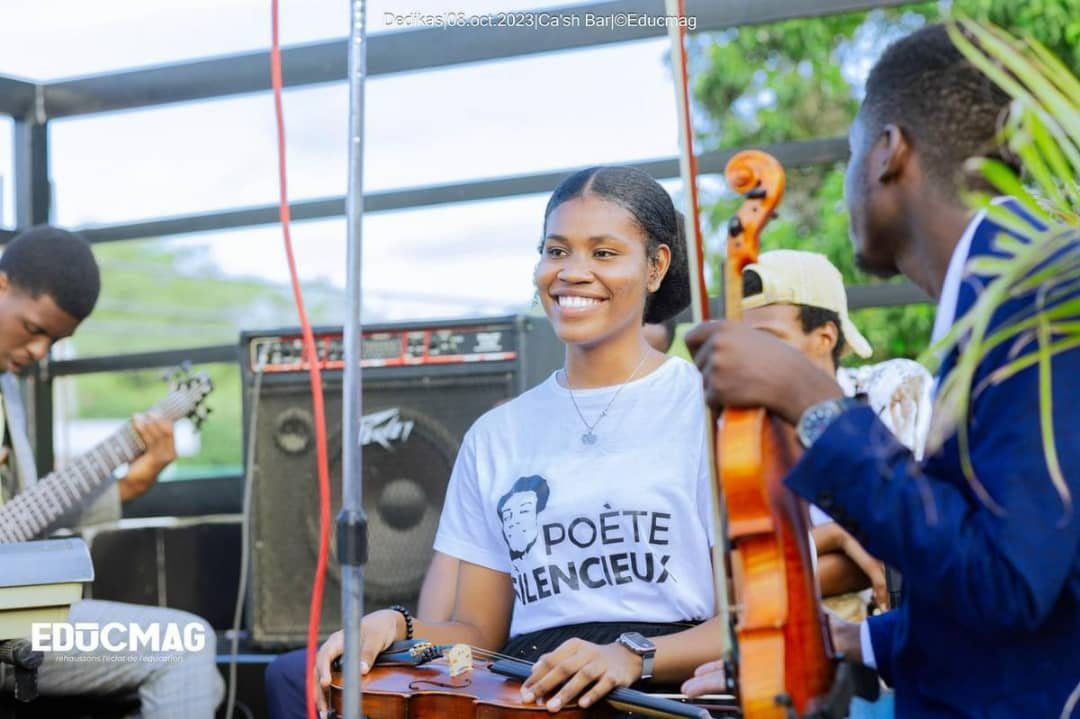
Dedikas is an initiative taken by the young Haitian slam poet, Jean Wood Jude, better known as the Silent Poet. It is a cultural event that highlights poetry and music in the heart of Port-au-Prince. The event aims to offer a space for expression to young artists, especially those evolving in the Haitian slam scene. Dedikas has already taken place twice, and a third edition is planned for Saturday, December 22, 2024, at the Soho premises, located at Delmas 41, number 16, from 2:30 p.m. to 7:00 p.m. This new edition follows on from the first two, which took place respectively on October 8 and December 20, 2023.
Perched majestically on the verdant mountain peaks of northern Haiti, Citadelle Laferrière stands as an enduring symbol of the resilience and greatness of the Haitian nation. This impressive historical monument is much more than just a stone structure; he embodies the spirit of freedom and pride that animates the Haitian people.
Religious diversity in Haïti is a key aspect of its cultural identity, but Christianity, and more specifically Catholicism, is the most popular religion in the country. With its roots deep in colonial history, Haitian spirituality is also enriched by unique cultural practices, such as Vodou, that coexist with Christian beliefs. In this article, we explore the history, practices, and key figures surrounding religion in Haiti.
It is more and more obvious that in Petit-Goave the media space is absorbed by the rivalry between Ratyèfè, triple champions and lambi gran lambi dlo, a former champion. The past weekend was once again irrefutable proof of the media tension over these two rival bands. With a carnival-like appearance, the fan club of the first dressed in a white shirt, short orange-yellow skirt, purple tie, black boot; the other dressed in a traditional hat, yellow jersey, red pants, red or yellow tennis shoes. This marriage of colors with the taste of carnival is the expression of cultural diversity as La Fontaine said in his book tales and short stories "diversity is my motto." This formula can adapt well to the rara. If it is true in Léogane this marriage of color has existed for ages. It is no less true that this was the case in Petit-Goave because we had to wait for the strong return of Ratyèfè in 2018 to see the rara fan clubs dress differently each new weekend. Last Saturday more than one expected a new face to face between Lambi gran dlo and Ratyèfè because the latter weighed anchor in the direction of the 2nd plain and the latter, in the direction of the city center. Less than in any other circumstance, this duel at the top was obvious. If for some comments it was a favorable opportunity for Lambi to take his revenge on his rival compared to the previous weekend because he had done the profile although he had the advantage because he was two against one. (Lambi,chenn tamarin vs Ratyèfè). This enormous advantage did not work in their favor because the hours that had passed worked against them, as proof they had gone to sleep while ratyèfè remained to play for at least 30 more rounds. Surprisingly but not surprisingly during the meeting long awaited by less than one, at the Acul not far from the Saint Jean-Baptiste church, lambi had decided not to play anymore. However, according to the customs and costumes of the rara when there are two bands, the one who stops playing first, shows weakness and surrender. Consequently, the other who is opposite out of decency and good morals has no other choice to do the same. It follows that for the umpteenth time the great power formation (lambi grand dlo) was unable to take revenge on its rival. For many cultural journalists who were present to witness this event did not have their tongue in their pocket to give their impression of Ratyèfè’s monster performance. This is the case for Brignol, a cultural commentary which wondered if Ratyèfè had the devil in his body so that the most incredulous were in their feeling of joy. On Sunday evening this monster of animation once again made its mark in the art of its know-how. This is what explains the almost unanimity among the cultural journalists of Petit-Goâve in granting first place to this band for its performance and its musical discipline. So, for this weekend according to the circle of cultural journalists of Petit-Goave and with the approval of many other cultural comments. We have the following classification: 1st Ratyèfè 2nd Grap Kenèp 3rd Orgueil de la jeunesse
Originally from Bainet and raised in Petit-Goâve, Haiti, Emmanuel Joseph embodies one of the rising figures of the Haitian intelligentsia. A jurist, ethicist, and Ph.D. candidate in philosophy at the University of Sherbrooke (Canada), his journey reflects a rigorous commitment to justice, human rights, and critical thinking. Local Roots, Global Outlook Educated in Haiti’s public and religious schools, Emmanuel Joseph began his intellectual path at the Apostolic School of Petit-Goâve, then excelled at the Lycée Faustin Soulouque. His grades, consistently between 8 and 9 out of 10, demonstrated remarkable discipline and rigor from an early age. His university education began at the Faculty of Ethnology (FE) and the Faculty of Law and Economics (FDSE) of the State University of Haiti, where he earned his bachelor’s degree in November 2013. His academic profile sharpened in Canada, especially at the University of Quebec in Rimouski (UQAR), where he completed a master’s degree in philosophy/ethics in 2020, before pursuing a Ph.D. at the University of Sherbrooke, focusing on a broad yet fundamental theme: humanitarian action as experience.
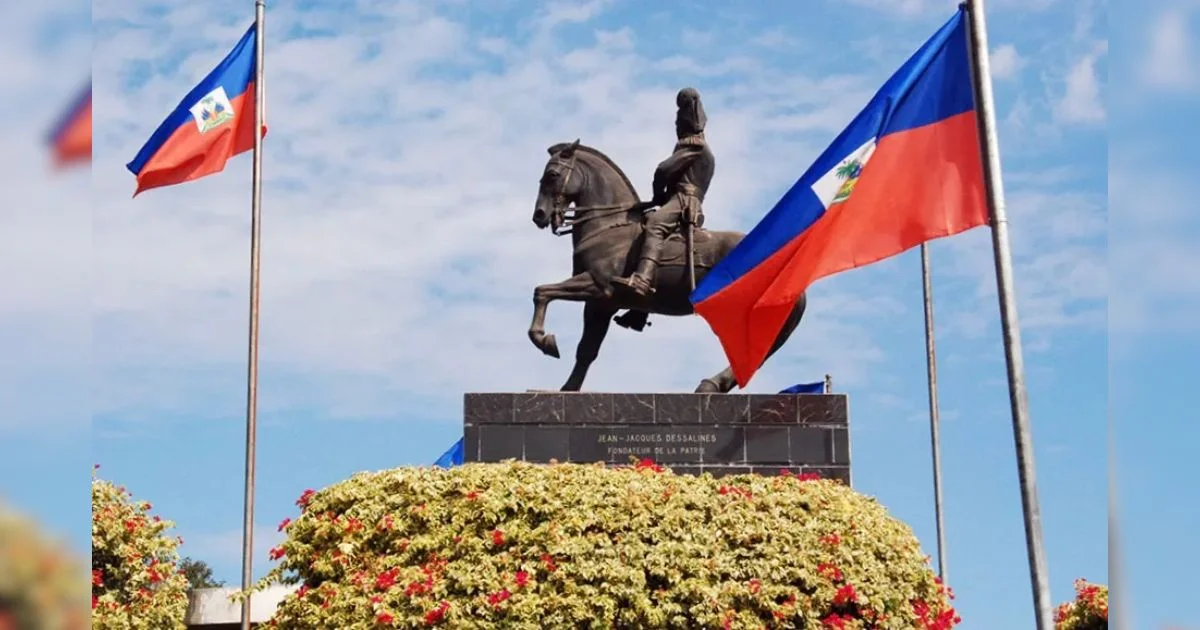
Haiti’s independence, proclaimed on January 1, 1804, marked a major turning point in world history. As the first independent black republic, Haïti laid the foundation for an exceptional legacy, forged through the struggle for freedom, dignity, and equality. This legacy extends far beyond the borders of this island nation, influencing generations and inspiring movements around the world.
On Thursday, May 15, 2025, the Karibe Hotel hosted the launch conference of the 4th edition of the national essay contest organized by Centre Muse Haïti. The event was attended by members of the Centre, including Father Gilbert Peltrop, contest coordinator, Mr. Arnold Antonin, special guest of this edition, as well as representatives from institutions such as the Ministry of National Education, represented by Emmanuel Bernard speaking on behalf of Minister Antoine Augustin; the OPC; the State University of Haiti, represented by Rector Dieuseul Prédélus; LONAPÉ, represented by Mr. Hervé Boursiquot; the Ombudsman Me Wilner Morin; and representatives of the UNDP, BINUH, and UNESCO, represented respectively by Mr. Xavier Michon, Armor BouBarkri (on behalf of Ms. Maria Isabel Salvador), and Ms. Erica Francillon Célestin (on behalf of Mr. Éric Voli Bi), partners of Centre Muse in this initiative. Members of the press were also present.
Receive your packages from the United States stress-free, without a credit card, even in difficult times! Waiting for a package from the United States can quickly turn into a nightmare in Haiti: thefts, delays, blocked or lost packages... Lorvenson Don Pierre has experienced these situations. But instead of giving up, this talented young developer decided to take action. He founded Smartcore Express, a simple, reliable, and secure solution to allow all Haitians to receive their packages from the United States, hassle-free.
January 1 is an emblematic date for Haiti, marking not only the start of the new year but above all the commemoration of the country’s independence. In 1804, after a fierce struggle against French colonial rule, Haïti became the world’s first independent black republic. This day is celebrated with pride and fervor across the country, combining tradition, history and culture.
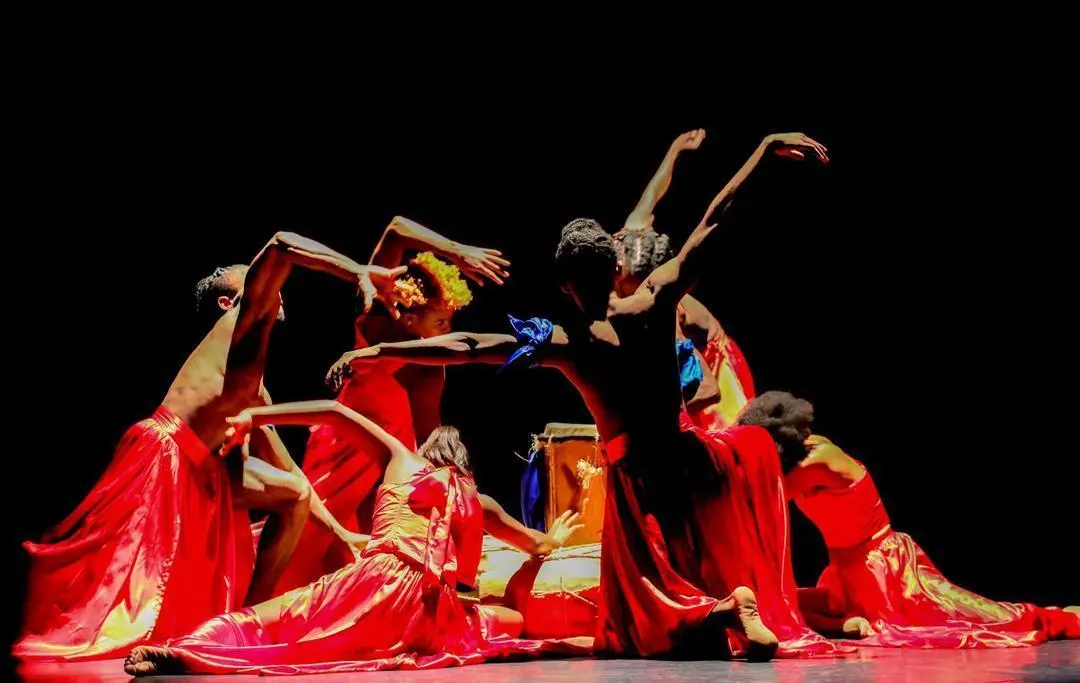
Haiti, a land rich in history and cultural diversity, offers a unique musical treasure through its captivating rhythms. Haitian music, deeply rooted in the fusion of different African, European and Caribbean influences, constitutes a vibrant expression of national identity. One of the distinctive elements of Haitian music is its rhythmic diversity, reflecting the many facets of daily life, from religious celebrations to moments of joy and sorrow. Haitian rhythms, carrying contagious energy, are a reflection of the soul of the Haitian people. One of Haiti’s most iconic musical genres is direct compas, which emerged in the 1950s. This catchy rhythm, coupled with captivating melodies, has captured hearts globally. The direct compass embodies the fusion of different musical styles, including jazz, merengue, and elements of traditional Haitian music. Haitian musical traditions are not limited to contemporary sounds. Vodou, an ancestral spiritual practice, also has a major influence on Haitian music. Vodou rhythms, often associated with religious ceremonies, create a deep connection between spirituality and artistic expression. Furthermore, dance is inseparable from Haitian music. The graceful and energetic movements of traditional dances like rasin, combined with captivating rhythms, transport dancers and spectators to a world where bodily expression becomes a living art form. Exploring the musical and dance traditions of Haïti is like diving into a universe where history, culture and spirituality are harmoniously woven together. These rhythms, passed down from generation to generation, are much more than simple notes; they embody the soul of a people and the richness of its diversity. Celebrating these traditions pays homage to Haiti’s exceptional cultural heritage and its invaluable contribution to the global music scene.
On August 24, 2024, in the heart of the sumptuous Manoir Adriana in Jacmel, Cathiana Désiré, a lawyer and feminist, and Darlin Johancy Michel, a producer and cultural operator, reinvented the Haitian wedding in a dazzling celebration of their roots. While traditional weddings often consist of white dresses and suits, this union was distinguished by its deep respect for Haitian traditions and its emphasis on a captivating spirituality.

First black nation to free itself from slavery and gain independence from France in 1804 and influenced other liberation movements around the world, inspiring struggles for freedom and equality.

Haïti is blessed with spectacular natural landscapes, including white sand beaches, mountains and rich biodiversity.

Haïti has a rich historical heritage, including sites like the Citadelle Laferrière and the Sans-Souci Palace, listed as UNESCO World Heritage Sites.

Haïti has a rich and diverse culture, influenced by African, European and indigenous elements. Haitian music, dance, art and cuisine are celebrated around the world.