



What does October 17th represent for Haiti?
Why is October 17th etched in the hearts of Haitians? The brutal assassination of Jean-Jacques Dessalines reveals the dark secrets of the young republic. The story you need to know.
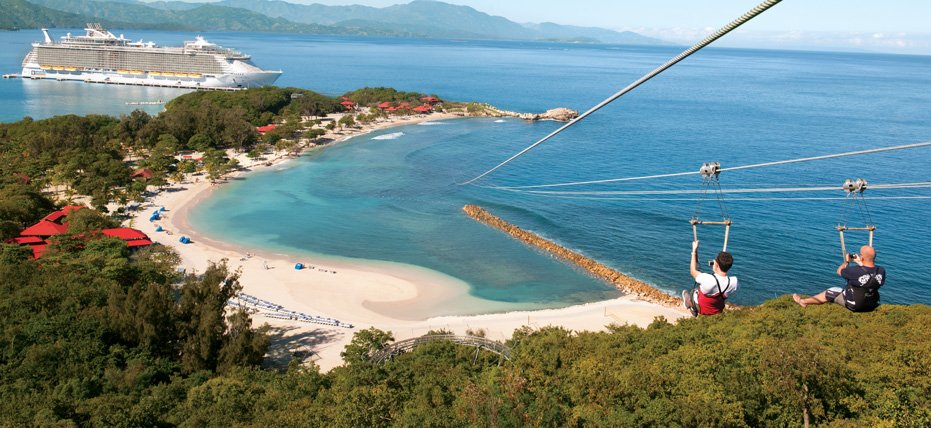
Jacmel is a city located on the southern coast of Haiti, specifically in the southeastern department. To this day, the city is known for its well-preserved colonial architecture and rich historical heritage, as well as its carnival, one of the most famous in the Caribbean. Jacmel is one of the oldest cities in Haiti. Its origins, according to some historians, trace back to the time of the Taíno people, the island’s first inhabitants, who lived here long before the arrival of Christopher Columbus and his settlers in 1492. Long before it became Jacmel, this city in southeastern Haïti was called Yakimel. The renaming of Jacmel was carried out by the French during their colonization of the western part of the island of Hispaniola. Over the years, Jacmel has transformed into a city where living well blends with the beauty of the sea, in the hearts of its visitors. Nature is fully embraced here, and the sea remains a source of joy throughout the day. Jacmel offers all of this, in addition to its glorious past, which anchors it as a major location in Haiti’s grand history. With its unique charm, Jacmel is among the Haitian cities that can leave a lasting impression. In the 1950s and 60s, until the early 1980s, Jacmel was one of the most popular tourist destinations in the Caribbean due to its reputation as a city with unmatched natural beauty and grace. During this time, the Jacmel coastline warmly welcomed cruise ships filled with tourists from all corners of the world. It was also during this period that Jacmel was one of the most commercially active cities in Haiti, among the country’s most economically flourishing, thanks to the significant influx of tourists.
Imagine a country where history pulsates on every street corner, where sandy beaches rival the finest in the Caribbean, and where a vibrant culture transports you into a whirlwind of colors, flavors and captivating rhythms. Welcome to Haiti, the pearl of the Antilles! Too often overshadowed by its tourist neighbors, Haïti nevertheless conceals treasures that are just waiting to be discovered by travelers. This country, the first independent black republic in the world, offers a unique travel experience, far from the beaten track of mass tourism. From the majestic Citadelle Laferrière dominating the northern mountains to the turquoise waters of Bassin Bleu near Jacmel, via the colorful markets of Port-au-Prince, Haïti is a land of striking contrasts. It’s a country where art springs up on every street corner, where Vodou spirituality rubs shoulders with Catholicism, and where the legendary hospitality of its inhabitants will make you feel at home. Whether you are a history buff, a lover of heavenly beaches, a gourmet in search of new flavors or simply curious to discover a fascinating culture, Haïti has something unique to offer you. In this article, we reveal 7 irresistible reasons to pack your bags for Haiti. Prepare for a journey that will awaken your senses, nourish your spirit and leave an indelible imprint on your heart. Find out why Haïti should be at the top of your list of destinations to explore!
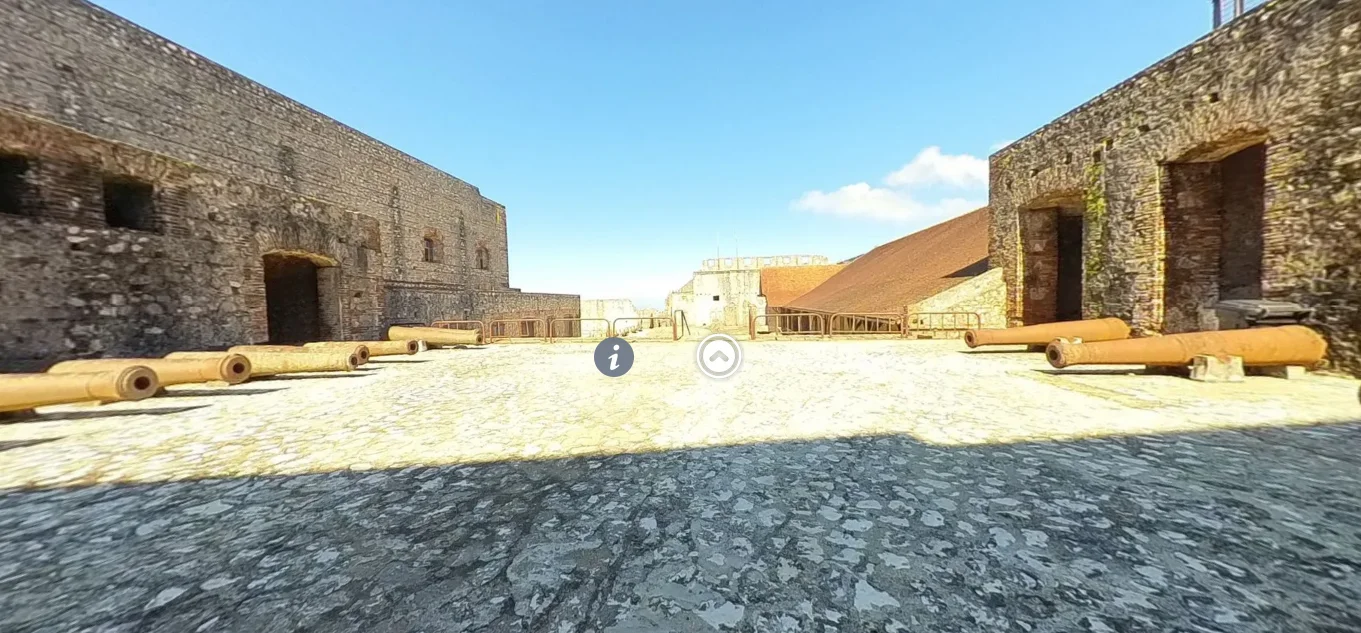
Haiti, the jewel of the Caribbean, is full of historical and tourist treasures just waiting to be explored. From its historic monuments to its idyllic beaches to its vibrant culture, the country offers a unique experience to every visitor. But today, there is no need to pack your bags to discover these wonders. Thanks to virtual reality, Haïti invites itself to your home with Haïti Wonderland, an immersive adventure that transports you to the heart of its most emblematic sites, wherever you are in the world.
Melchie Daëlle Dumornay is a professional Haitian footballer who plays in the first division of the French women’s league. She was born in Haiti, in a mid-sized town called Mirebalais, on August 17, 2003. At just 21 years old, she has become the only Haitian personality, regardless of gender or category, to be nominated among the 30 candidates for the prestigious individual award that is the France Football Ballon d’Or. Indeed, the 21-year-old finds herself — unsurprisingly — on the shortlist for the 2025 Ballon d’Or, alongside some of the biggest names in world football, after an exceptional season both individually — scoring 24 goals and providing 10 assists in just 31 matches — and collectively. She reached the semi-finals of the UEFA Women’s Champions League (where she was named best player of the 2024-2025 season) and won the French league title with her Lyon teammates.
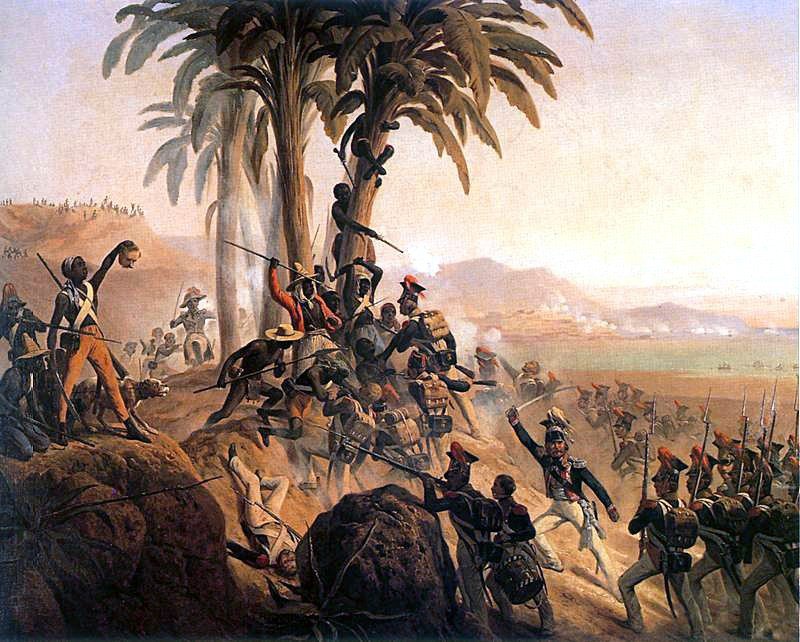
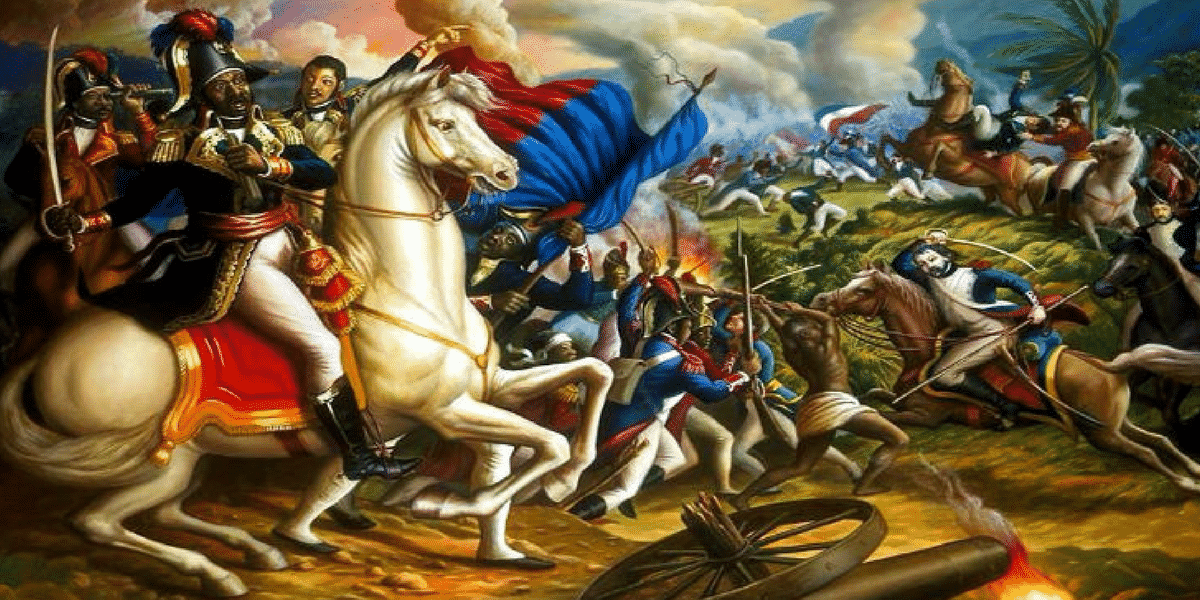
Every year, on November 18, Haïti celebrates one of the most significant events in its history: the Battle of Vertières. This date, a symbol of courage and determination, recalls the decisive victory of Haitian troops over French colonial forces in 1803, thus paving the way for the independence of Haiti, proclaimed on January 1, 1804.
Haiti, often referred to as the "Pearl of the Antilles," is a vibrant and culturally rich destination, particularly during the summer. This period is marked by a series of colorful festivals, heavenly beaches, and a festive atmosphere that attracts visitors from all over the world. Here’s a look at what you can experience while exploring Haïti in summer.
Haiti, often called the "Pearl of the Antilles", is a hidden treasure of the Caribbean, full of breathtaking natural and historical sites. If you are planning a trip in 2025, here are seven heavenly places that are sure to amaze you. Prepare yourself to explore fascinating landscapes, discover a rich heritage and enjoy the warm welcome of the Haitians.
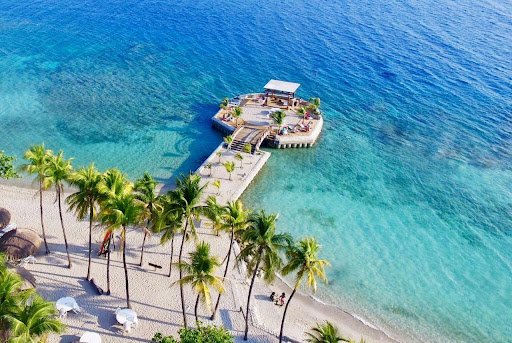
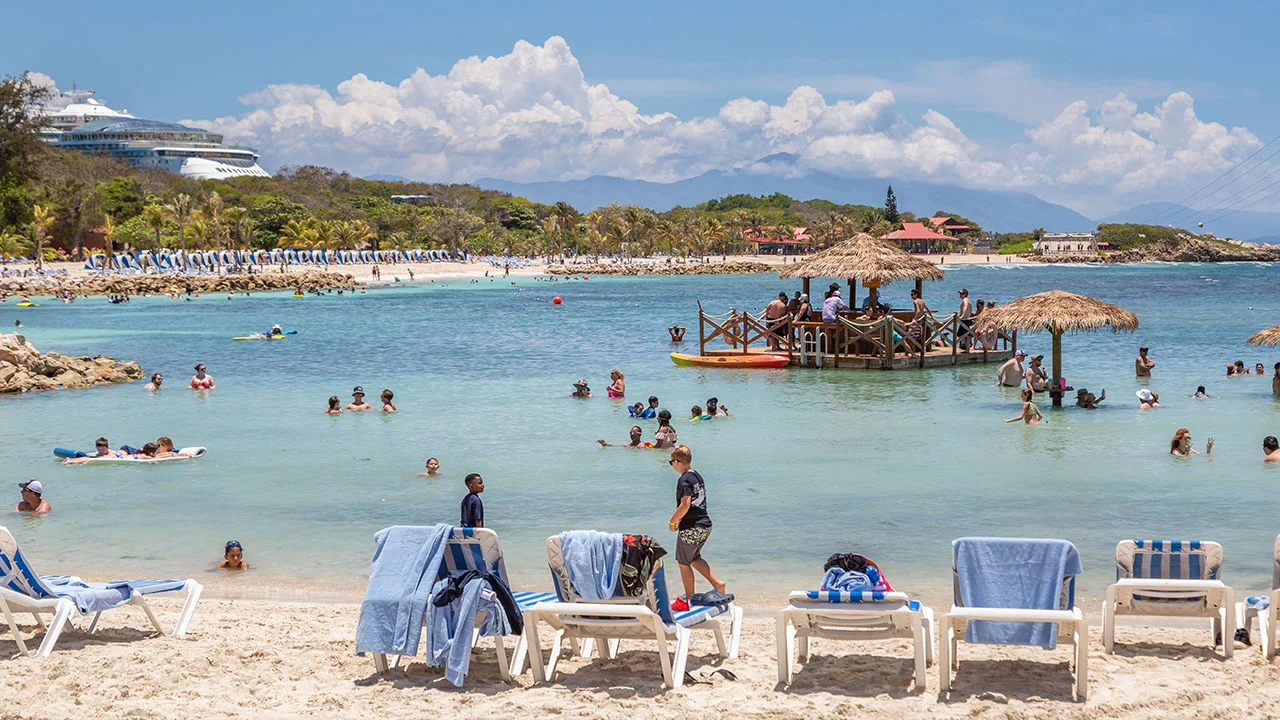
Haiti, pearl of the Caribbean, is full of natural and cultural treasures that deserve to be explored. Among these treasures, the breathtakingly beautiful beaches occupy pride of place. Here is our selection of the 10 must-see beaches to visit in Haiti, offering unique and memorable seaside experiences.
After two years of absence, Dev Expo made its big comeback in 2024, bringing a breath of enthusiasm and optimism to the Haitian tech community. This long-awaited event was officially announced on August 20, 2024 by Marc Alain Boucicault, CEO of Banj, triggering excitement in the tech community. Since the last edition, held in 2021, the following years had been marked by the cancellation of this flagship event due to the instability that reigned in the country. However, despite the many challenges still present, the organizers chose to take up the challenge of organizing this edition, demonstrating the resilience and commitment of the Haitian tech community.
The Légendaires collective, based in Montreal, announces the celebration and commemoration of the 100th anniversary of the births of Coupé Cloué and Celia Cruz, born on May 16th for Coupé Cloué and October 21st for Celia Cruz. This highly deserved gesture of appreciation for these two major figures of Caribbean music is a demonstration of the bright legacy they left behind after their time on this earth. When referring to their contributions to the musical world and the magnificent symbolism their voices represent for their respective countries, this commemoration is indeed an opportunity to celebrate their identity alongside their music. The main events scheduled for this commemoration will take place on February 28th, May 10th, and October 18th. The event on February 28th at the Maison d’Haïti located at #3245, Émile-Journault Avenue will mark the launch of the celebrations honoring both artists. There will also be a Gala on May 10th in honor of King Coupé and October 18th in honor of the Cuban Queen.

First black nation to free itself from slavery and gain independence from France in 1804 and influenced other liberation movements around the world, inspiring struggles for freedom and equality.

Haïti is blessed with spectacular natural landscapes, including white sand beaches, mountains and rich biodiversity.

Haïti has a rich historical heritage, including sites like the Citadelle Laferrière and the Sans-Souci Palace, listed as UNESCO World Heritage Sites.

Haïti has a rich and diverse culture, influenced by African, European and indigenous elements. Haitian music, dance, art and cuisine are celebrated around the world.