






News / Little-known places / View Recent Posts
Culture
Learn more
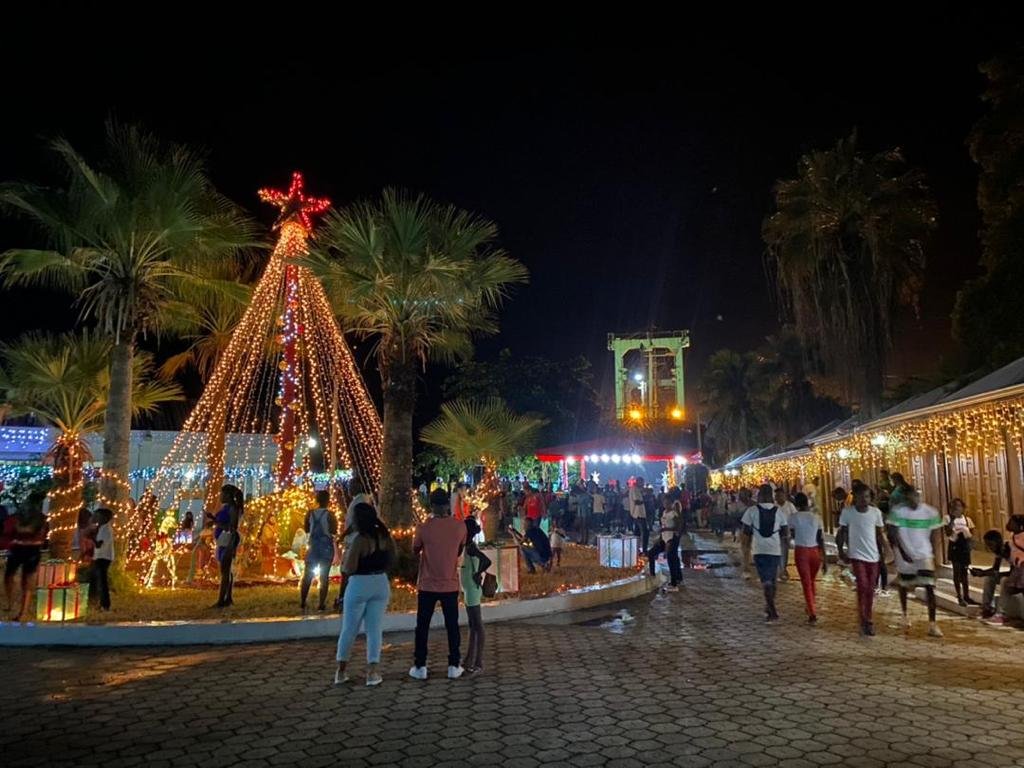
Christmas in Haiti: Traditions, Festivities and Unique Flavors to Discover
Christmas in Haïti is a celebration rich in traditions, festivities and moments of sharing. Unlike other countries, where decorations and lights illuminate the streets during the month of December, Christmas in Haïti is a time of great human warmth, family reunions and cultural events. This article explores the different customs and flavors that make Christmas in Haïti a unique and unforgettable experience.
Learn more 
History
Learn more
Haiti: A Little-Known Pillar of World Independence
Haiti, the world’s first independent black republic, played an exceptional role in the quest for independence for other nations. Although often overshadowed by other historical events, Haiti’s contribution to the liberation of other countries was significant and deserves to be highlighted. b~The Haitian Revolution~b At the turn of the 19th century, Haïti threw off the chains of slavery and achieved the impossible by freeing itself from French colonial rule. In 1804, the country proclaimed its independence, ushering in a new era for oppressed peoples around the world. b~Inspiration for Latin America~b The Haitian Revolution was a major source of inspiration for independence movements in Latin America. Iconic figures such as Simón Bolívar and Francisco de Miranda recognized the courage and determination of Haitians as a driving force for their own struggles. By materially and ideologically supporting these movements, Haïti contributed to the emergence of several independent nations in South America. b~Influence in Africa~b Beyond the Americas, Haïti also played a crucial role in the quest for independence in Africa. African leaders have left a legacy that has inspired entire generations of freedom fighters on the African continent. The idea that oppressed people could rise up against their oppressors found a powerful echo in the struggles for independence in Africa. b~Support for Liberation Movements~b Throughout its history, Haïti has provided substantial support to liberation movements around the world. Whether through troop dispatches, financial resources or active diplomacy, the country has demonstrated its solidarity with those fighting for their autonomy. Haiti’s contributions have often been discreet but crucial. Haiti, as a pioneer of independence and freedom, has left a lasting impact on the world stage. His legacy resonates across continents, reminding the world that the quest for freedom is universal. By recognizing and celebrating Haiti’s role in the independence of other nations, we not only honor its history, but we also commit to promoting a future where all people have the opportunity to shape their destiny.
Learn more 
Events and Festivals
Learn more
A 100% Lakay Pap Jazz for 2025
On Tuesday, March 11, 2025, the Haïti Jazz Foundation officially announced the launch of the 18th edition of Pap Jazz during a press conference with festival partners, such as the Canadian Embassy, represented by H.E. Mr. André François Giroux, the French Embassy represented by H.E. Mr. Antoine Michon, the Spanish Embassy represented by H.E. Mr. Marco Peñin Toledano, and the Mexican Embassy, represented by Mr. Jesús Cisneros, Chargé d’Affaires ad hoc of Mexico in Haiti. The Bank of the Republic of Haiti, represented by Mr. Rotchild Jean François Junior and Mrs. Stéphanie St Louis from the Direction of Artistic and Literary Creation, Ministry of Culture and Communication, Mr. Joel Widmaier, Artistic Director of the festival, along with the General Director of the Haïti Jazz Foundation, took the time to explain the details of this 18th edition, including the logistical complexities involved in organizing the festival this year due to the country’s precarious security situation. This edition will take place from March 20 to 22, 2025, across four venues: Quartier Latin, the Brazil-Haïti Cultural Center, the French Institute in Haiti, and the Karibe Hotel.
Learn more 
Kitchen
Learn more
Sweet Potatoes in Haiti: Different Ways to Consume Them
Sweet potatoes, often considered a superfood, are not only delicious but also rich in nutrients. In addition to their versatility, sweet potatoes can be prepared in a multitude of ways, making them a popular ingredient in many cuisines.
Learn more 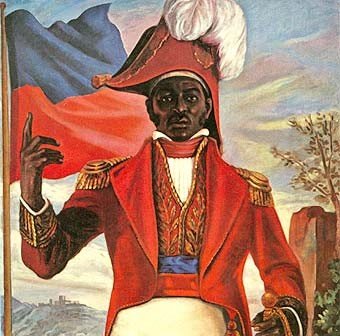
History
Learn more
Jean-Jacques Dessalines, leader of the Haitian Revolution
In the annals of the history of Haiti, an island located in the Caribbean at the entrance to the Gulf of Mexico and shared with the Dominican Republic, Jean-Jacques Dessalines emerges like a phoenix from the ashes of oppression. Born a slave on September 20, 1758 in the home of Henri Duclos, in Cormier (Grande-Rivière-du-Nord), in the French colony of Saint-Domingue, Dessalines was a Creole of African (Afro-Caribbean) origin. Freed during the 1794 abolition achieved through slave revolts, actually served as an officer in the French army during the French Revolution. At that time, the ideas of freedom and equality were at the heart of the concerns of the inhabitants of the colonies. Dessalines actively participated in the fighting against the Spanish and British forces, alongside the French, in Santo Domingo. Having risen to the rank of Lieutenant General, Jean-Jacques Dessalines turned against the French during the Leclerc expedition, sent to Saint-Domingue by Bonaparte to reestablish colonial authority and slavery during the Haitian Revolution. After the capture and deportation of Toussaint Louverture to France on June 7, 1802, Dessalines assumed a leading role in continuing the struggle for independence. He led numerous battles, including the battle of Crête-à-Pierrot in March 1802, where he galvanized his soldiers with his famous declaration: “Let those who want to remain slaves of the French leave the fort, let those, on the contrary, who want to die as free men, line up around me.” On January 1, 1804, Jean-Jacques Dessalines achieved the long-awaited goal of independence by proclaiming Haïti as a sovereign nation, becoming the second country in the Americas to gain independence from a colonial power. He became the first leader of the newly formed nation and was named Emperor under the name James I. However, his imperial reign was marked by authoritarian and brutal policies, including the massacre of many white settlers and the redistribution of land to peasants that was in the hands of the generals of the independence army. In addition, he organized the hunt for delinquents in the city while implementing rigorous agrarian policies, considering that they represented a threat to the stability of the nation, these controversial actions caused divisions within Haitian society. Dessalines was assassinated on October 17, 1806 following a plot organized by some of his generals in the Haitian army. His death marked the end of his brief but influential period in power. Despite the controversies surrounding his methods, he is recognized as the main architect of Haiti’s independence and his name was honored in 1903 by being attributed to the Haitian national anthem, La Dessalinienne, composed by Justin Lhérisson.Finally, the great visionary man Jean Jacques Dessalines remains an emblematic figure in the history of Haiti, recognized for his role in the fight for independence and the end of slavery in the region.
Learn more 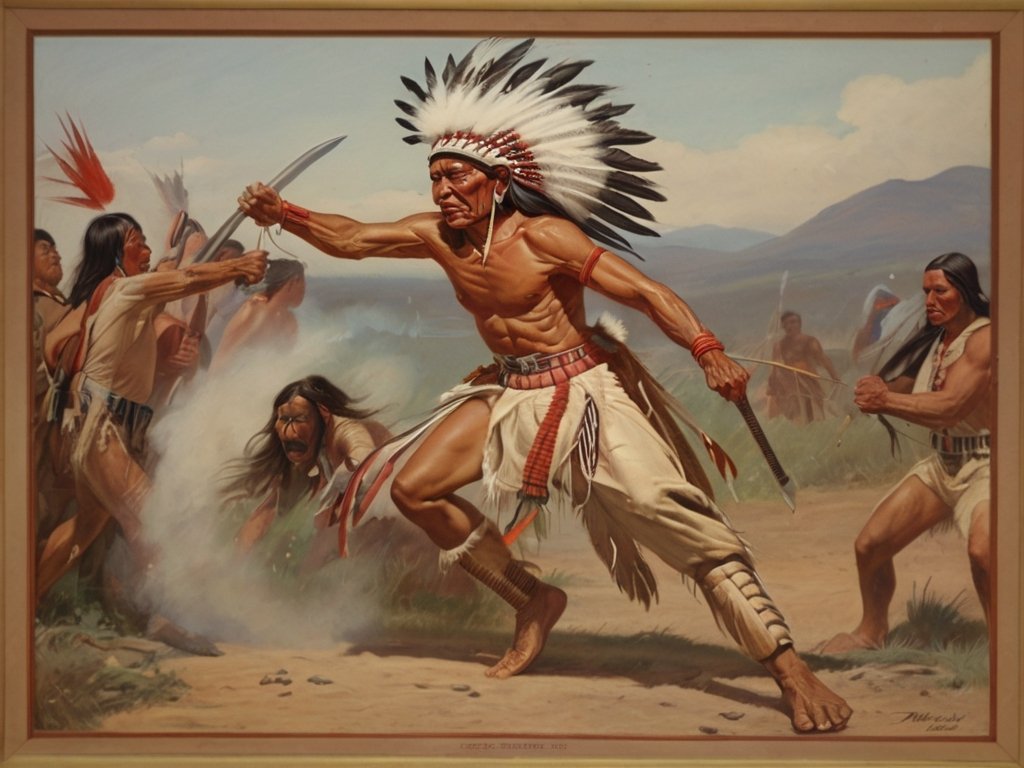
History
Learn more
CAONABO, the first to defend Haiti
We are all familiar with the words of this song: "Caonabo fut mis en prison à Isabella et quelques mois plus tard embarqué pour l’Espagne, il disparut en mer avec le bateau qui le portait...". But do you know the story of CAONABO, the first to defend the island?
Learn more 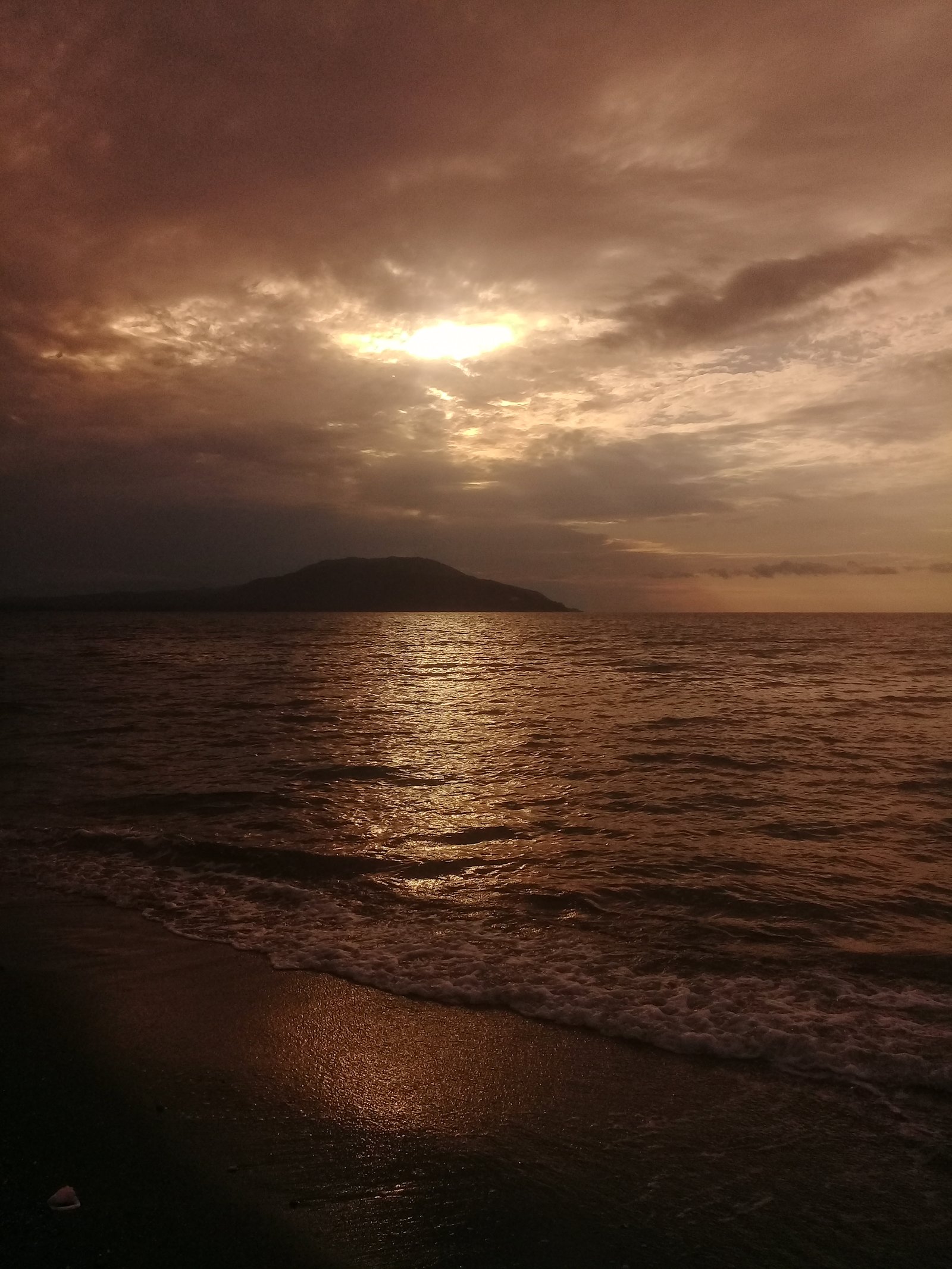
Beache
Learn more
There are several reasons why a foreign national might be interested in visiting Haiti
There are several reasons why a foreign national might be interested in visiting Haiti: Rich and diverse culture: Haïti has a unique culture resulting from a mixture of African, European (particularly French) and Caribbean influences. This is reflected in its music, cuisine, art and traditions. Fascinating history: Haïti was the first country in Latin America and the Caribbean to gain independence in 1804 after a successful slave revolt. Its history is rich in significant events and important historical figures. Magnificent natural landscapes: The island of Haïti offers a variety of breathtaking landscapes, from white sandy beaches to lush green mountains, picturesque waterfalls and isolated islands. Hospitality of the locals: Haitians are known for their warmth and hospitality towards foreign visitors, making the travel experience very pleasant and enriching on a human level. Opportunities for Sustainable Tourism: Haïti offers opportunities for sustainable tourism, including encouraging visits that directly benefit local communities and environmental conservation. Exploring historic sites: Historic sites such as the UNESCO-listed Citadelle Laferrière offer visitors a chance to discover colonial architecture and remains from pre-Columbian times. Vibrant cultural celebrations: Haïti is famous for its colorful festivals and cultural celebrations throughout the year, such as Carnival, where music, dance and traditional costumes are in the spotlight. In summary, visiting Haïti can offer a deep and authentic cultural experience, as well as an exploration of the unique natural and historical beauties of this Caribbean nation.
Learn more 
Beache
Learn more
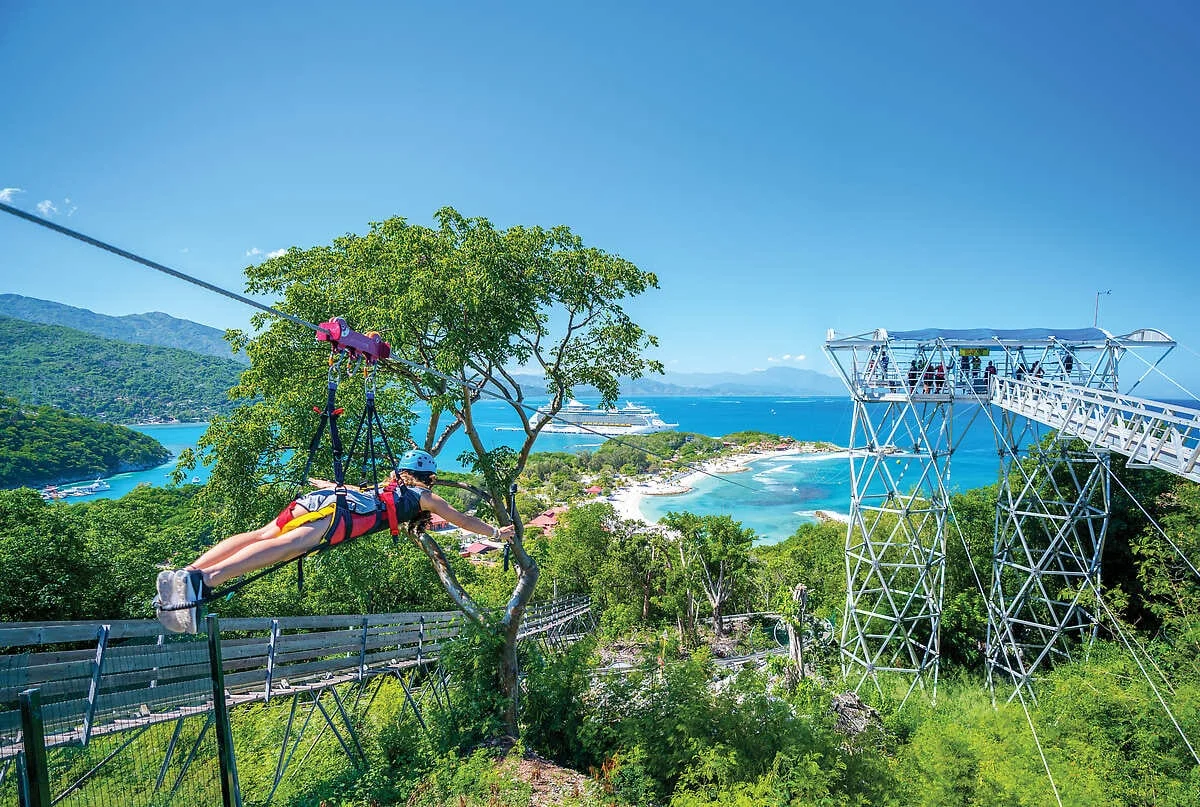
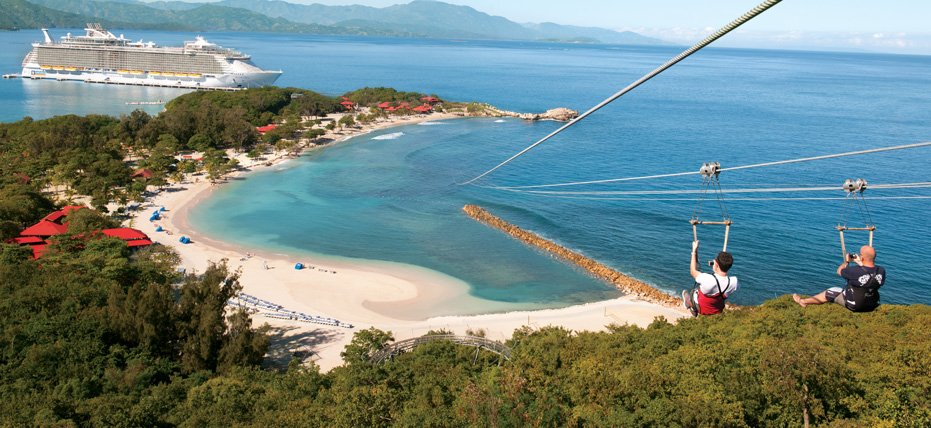
What is the Most Beautiful Beach in Haiti?
Haiti, nicknamed the pearl of the Caribbean, is full of idyllic beaches with crystal clear waters and breathtaking landscapes. But among these natural treasures, one question often comes up: what is the most beautiful beach in Haiti? Although the choice depends on each person’s tastes, some beaches stand out for their exceptional beauty and unique charm.
Learn more 
Culture
Learn more
Haiti: Music and dance
Haiti, pearl of the Antilles, is a multifaceted country where vibrant culture is manifested through its captivating music and dances. Let’s dive into the sound and choreographic world of Haiti, exploring the catchy rhythms, captivating melodies and graceful movements that captivate souls around the world.
Learn more Recently Posted

Expert in SEO and UI/UX Design: Discover the Haitian developer, Appolon Guy Alain
In the vast universe of software development in Haiti, one figure emerges as an undisputed reference: Appolon Guy Alain. Originally from Carrefour, passionate about new technologies, Appolon has carved out a place of choice in the sector thanks to its versatile expertise.

Haiti: Jacmel Vibrates to the Sound of Jazz: A Memorable Performance of the Acoustic Revival at the Alliance Française
The night of February 17, 2024 will remain engraved in the memories of music lovers in Jacmel, Haiti, thanks to a breathtaking show which took place at the Alliance Française. This remarkable event, part of the prestigious Jacmel Jazz Festival calendar, offered spectators an exceptional musical experience with its Acoustic Revival program.

The painter Shneider L. Hilaire brings the honor of Haïti to New York
Schneider Léon Hilaire is a young Haitian painter endowed with exceptional talent, trained at the prestigious Centre d’Art in Port-au-Prince. From the very beginning, he captured the hearts of art lovers throughout the Haitian capital, quickly making a positive impression on the local art scene. His talent, nourished by the rich and diverse Haitian culture, has not been confined to the borders of Haiti. Indeed, after a successful exhibition in Paris last year, Schneider Léon Hilaire’s work has found a new place to spread its wings, continuing to captivate beyond the oceans.

Haiti: Between Contrasting Geography and Natural Wealth
On January 1, 1804, Haïti became free after a fierce struggle against colonization and slavery. Located in the Caribbean region, it occupies the western third of the island of Hispaniola, which it shares with the Dominican Republic. With an area of 27,750 km², it is bordered to the north by the Atlantic Ocean, to the south and west by the Caribbean Sea and to the east by a land border of 376 kilometers with its eastern neighbor. This geographical location, rich in contrasts, shapes not only its identity, but also the economic and environmental challenges that the country must face.
Where is Haïti located in the Caribbean?
Haiti, a nation rich in history and culture, occupies a special position in the Caribbean region. But where exactly is Haïti located in this tropical archipelago? Discover its geographical location and what makes this country stand out among its island neighbors.
Category
- Recent articles 100
- Heritage 2
- Kitchen 53
- Culture 35
- Music 16
- History 48
- Nature 13
- Beache 27
- Craftsmanship 3
- Literature 16
- Religion 4
- Movie 2
- Ecology 0
- Tourism 68
- Personality 13
- Languages 1
- Theater 0
- Games 2
- Other 2
- Community 5
- Entrepreneurship 4
- Technology 16
- Country 3
- City 8
- Business 3
- News 40
- Geography 4
- Scientific Research 0
- Education 2
- Production 3
- Diaspora 9
- Good to know 60
- Business and economy 1
- Events and Festivals 19
- Things To Do 1
- Little-known places 0
- Sponsored Articles 0
Recently Posted















History
First black nation to free itself from slavery and gain independence from France in 1804 and influenced other liberation movements around the world, inspiring struggles for freedom and equality.

Natural beauty
Haïti is blessed with spectacular natural landscapes, including white sand beaches, mountains and rich biodiversity.

Heritage
Haïti has a rich historical heritage, including sites like the Citadelle Laferrière and the Sans-Souci Palace, listed as UNESCO World Heritage Sites.

Culture
Haïti has a rich and diverse culture, influenced by African, European and indigenous elements. Haitian music, dance, art and cuisine are celebrated around the world.
- +
Post