The Legend of Haiti: The Island That Broke the Chains of Slavery
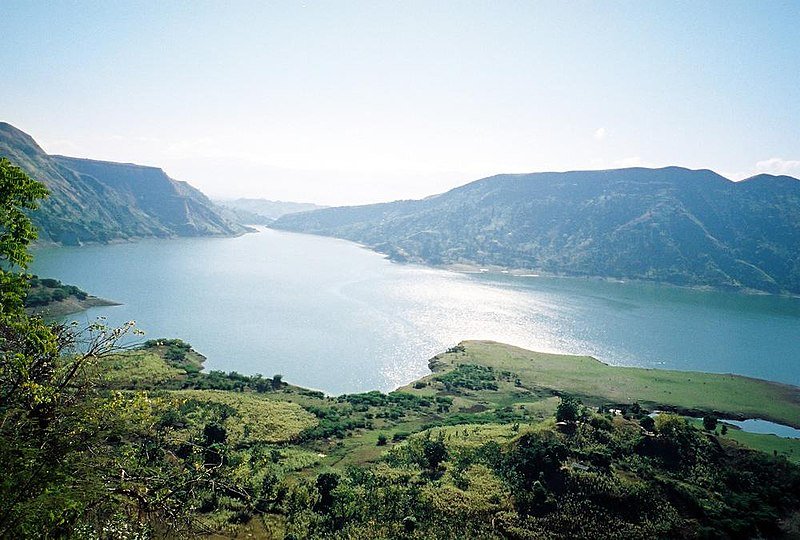
Once upon a time, in the turquoise waters of a dazzling sea, in the heart of the Caribbean, lay a magical island called Ayiti, "the Land of High Mountains."

Maello ERO, whose real name is Woodmaer DOLMA, was born in Petit-Goâve on November 17, 1994. From a young age, he stood out for his talent and determination. He completed his primary studies at the Wesleyan School of Fond-Doux and his secondary studies at the Collège Mixte Capois La Mort (COMICAM). In 2013, while still a student, he began his artistic career as a rapper. His integration into the group “Zerocks”, made up of young singers and rappers, allowed him to develop his talent and express his passion for music. In 2016, Maello ERO distinguished himself by winning third prize in the rap competition organized in Petit-Goâve under the theme: "Ann fete Nwel nan pataj pou lanmou jemen nan Tigwav". This victory marked a turning point in his musical career. The following year, in 2017, he released his debut track titled "Koz mwen se ERO Star", which received a warm reception from the audience. In 2021, he joined the group MJM (Maello Jay-T and Master Guy), with whom he produced several titles including "Mwen vle mennen w" in collaboration with Povenzoe (October 2022), "MJM nan kay la" (September 2022), “Fanm sadomin m” (November 2022), “Mèsi manman” and a carnival song entitled “Leve kanpe”.
Discover the Cap-Haïtien Christmas Market 2025, a magical event not to be missed on December 23rd and 24th. Festive atmosphere guaranteed! #Christmas
La musique joue un rôle crucial dans la formation de l’identité d’une nation, en haïti, elle occupe une place centrale dans la vie de presque tous les haïtiens. Elle est utilisée comme étant l’un des moyens les plus fiables dont se sert le peuple haïtien pour s’évader face aux nombreux événements qui constituent l’essentiel de son quotidien. Le genre musical qui prédomine en haïti est le compas direct. Créer par l’esprit créatif haïtien, le compas à évoluer au fil des années pour aboutir jusqu’à sa position actuelle.
Haiti, rich in history and resilience, is defined by six terms enshrined in its Constitution. These terms are not only legal principles, but also fundamental values that reflect the essence and identity of this unique nation. According to the first article of the Constitution of March 29, 1987, amended on May 14, 2011, Haïti is an "indivisible, sovereign, independent, free, democratic and social" Republic. These words embody the spirit of the Haitian people and the vision of a unified nation.

Nestled in the picturesque coastal town of Jacmel, in southeastern Haiti, Bassin Bleu is a true haven of tranquility in the heart of nature. Its crystal-clear blue waters and imposing rock formations make it a breathtakingly beautiful site, attracting travelers from around the world in search of escape and discovery. The sparkling turquoise waters of Bassin Bleu offer a feast for the eyes, inviting visitors to relax and rejuvenate in this idyllic setting. Whether swimming in its refreshing waters or lounging on its lush green banks, this natural oasis provides a welcome escape from the hustle and bustle of daily life. Surrounded by lush tropical vegetation, Bassin Bleu is home to exceptional biodiversity, with a multitude of unique plants and animals to discover. Hiking enthusiasts can venture along winding trails that meander through the surrounding forest, offering spectacular views of this pristine landscape. As a tourist destination, Bassin Bleu also offers economic development opportunities for local communities. By promoting sustainable tourism, it contributes to job creation, infrastructure development, and the promotion of local culture. Moreover, by raising awareness among visitors about the importance of preserving this fragile natural environment, tourism plays an essential role in its long-term conservation. Bassin Bleu in Jacmel is much more than just a tourist attraction: it is a true natural treasure to be preserved and appreciated. With its stunning natural beauty, remarkable biodiversity, and sustainable development opportunities, this magical place offers an authentic experience for travelers seeking moments of tranquility in the heart of nature.
Haiti, associated with its rich history and vibrant culture, also offers a little-known aquatic paradise. With its pristine beaches, crystal clear waters and spectacular marine diversity, this Caribbean country is an ideal destination for lovers of water activities. Discover a fascinating underwater world, experience thrilling adventures and enjoy the Haitian coastline.
Few people know that Haiti, often celebrated for its beaches and rich history, is also home to the largest cave system in the Caribbean. These underground formations, scattered across the country, are natural and cultural treasures that bear witness to millions of years of geological evolution and human interactions. Let’s dive into this fascinating universe together.
Haiti, often called the "Pearl of the Antilles", is a hidden treasure of the Caribbean, full of breathtaking natural and historical sites. If you are planning a trip in 2025, here are seven heavenly places that are sure to amaze you. Prepare yourself to explore fascinating landscapes, discover a rich heritage and enjoy the warm welcome of the Haitians.
Haiti, this vibrant and characterful country, is located in a fascinating region of the world. Although many know it as an island state in the Caribbean, one question often comes up: in which continent is Haïti located? This article provides you with the answer while exploring the unique geographical and cultural identity of this jewel of the Antilles.
Haiti, a land rich in history and culture, has had several names over the centuries, each reflecting a significant period in its evolution. These names reveal the changing identity of the island, from pre-Columbian times to today. Let’s discover together the different names that this emblematic territory has had and their meaning.
Livre en Folie, this annual event long awaited by literature enthusiasts in Haiti, will be held on Thursday, August 15, 2024 at the Caribe Convention Center hotel in Juvénat. Indeed, Le Nouvelliste, in collaboration with its usual partners, invites the Port-au-Prince public to come and celebrate, for the thirtieth time, the great intellectual wealth of Haitian writers and other thinkers, in this great annual book fair. This year, the entrance fee is set at 1,000 gourdes, which will be returned to you in the form of coupons, in order to be able to buy books once inside. Thirty years after the first edition, livre en folie has become a pillar of Haitian literary life and a highlight of the Haitian year. This year, it will take place in a particularly difficult context for the country, both economically and in terms of security, but will still have the merit of bringing together thousands of Haitians around the subject of the book.
Haiti, the world’s first independent black republic, played an exceptional role in the quest for independence for other nations. Although often overshadowed by other historical events, Haiti’s contribution to the liberation of other countries was significant and deserves to be highlighted. b~The Haitian Revolution~b At the turn of the 19th century, Haïti threw off the chains of slavery and achieved the impossible by freeing itself from French colonial rule. In 1804, the country proclaimed its independence, ushering in a new era for oppressed peoples around the world. b~Inspiration for Latin America~b The Haitian Revolution was a major source of inspiration for independence movements in Latin America. Iconic figures such as Simón Bolívar and Francisco de Miranda recognized the courage and determination of Haitians as a driving force for their own struggles. By materially and ideologically supporting these movements, Haïti contributed to the emergence of several independent nations in South America. b~Influence in Africa~b Beyond the Americas, Haïti also played a crucial role in the quest for independence in Africa. African leaders have left a legacy that has inspired entire generations of freedom fighters on the African continent. The idea that oppressed people could rise up against their oppressors found a powerful echo in the struggles for independence in Africa. b~Support for Liberation Movements~b Throughout its history, Haïti has provided substantial support to liberation movements around the world. Whether through troop dispatches, financial resources or active diplomacy, the country has demonstrated its solidarity with those fighting for their autonomy. Haiti’s contributions have often been discreet but crucial. Haiti, as a pioneer of independence and freedom, has left a lasting impact on the world stage. His legacy resonates across continents, reminding the world that the quest for freedom is universal. By recognizing and celebrating Haiti’s role in the independence of other nations, we not only honor its history, but we also commit to promoting a future where all people have the opportunity to shape their destiny.
Haiti, a country rich in history and culture, is divided into several administrative departments that structure its territory and reflect its geographical and cultural diversity. Each department has unique characteristics, contributing to the wealth of the nation. Discover the 10 departments of Haiti, their characteristics, and their role in the life of the country.

First black nation to free itself from slavery and gain independence from France in 1804 and influenced other liberation movements around the world, inspiring struggles for freedom and equality.

Haïti is blessed with spectacular natural landscapes, including white sand beaches, mountains and rich biodiversity.

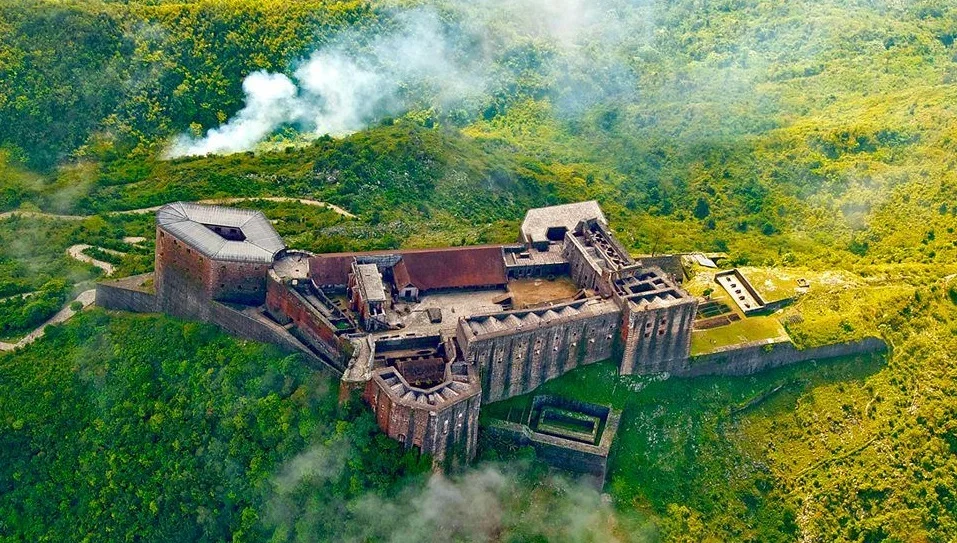
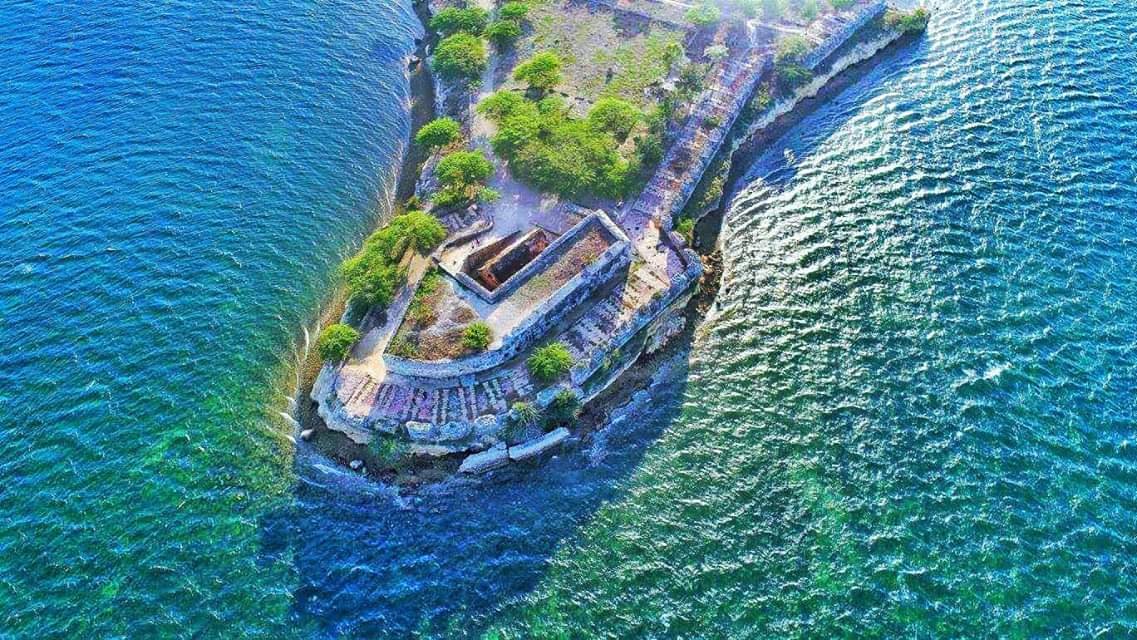
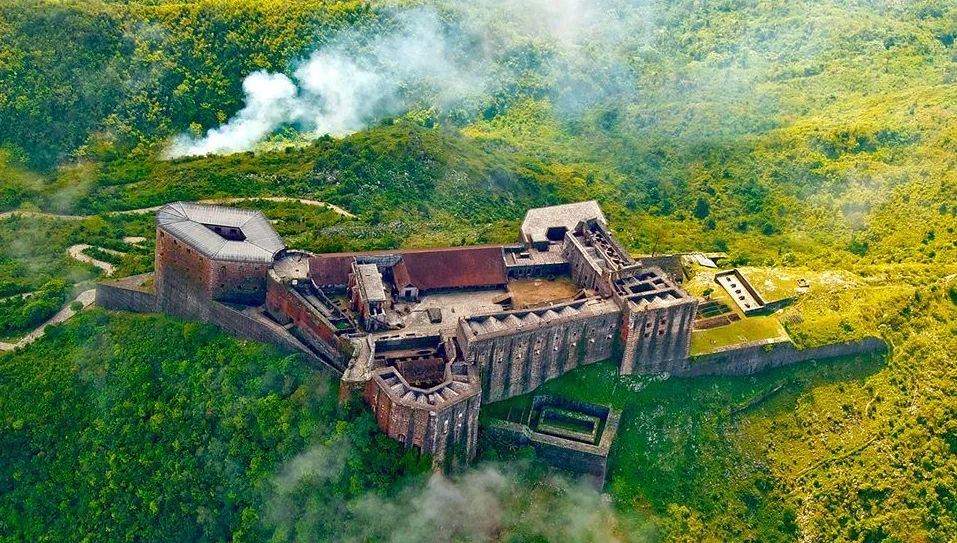
Haïti has a rich historical heritage, including sites like the Citadelle Laferrière and the Sans-Souci Palace, listed as UNESCO World Heritage Sites.

Haïti has a rich and diverse culture, influenced by African, European and indigenous elements. Haitian music, dance, art and cuisine are celebrated around the world.