What is Haiti’s National Motto? Discover Its Deep Meaning
Discover Haiti's national motto: Liberty, Equality, Fraternity. Its revolutionary origins, profound meaning, and unique global impact.

The name "Haiti" is much more than just a word; it carries within it the history, culture and identity of a people. But what does this term really mean and what is its origin? Let’s discover together the richness of this word that resonates through the centuries.
Emeline Michel was born on March 21, 1966 in Dubedou, a small town located in the 5th communal section of Gonaïves, the city of Haitian independence. Both a singer and composer, today her influence transcends and goes beyond the borders of Haïti and the French-speaking world. After starting secondary studies at the Lycée Louis Diaquoi commonly known as the Lycée de jeunes filles des Gonaïves, she entered Port-au-Prince, at one point, to continue her studies at the Collège St Pierre de Port-au-Prince. It was in the Haitian capital, more precisely at the Baptiste de Bolosse church, that her talent was discovered and supported by religious leaders, who offered her scholarships to study music. It is his steps that will be the basis of his exceptional musical career, placing his name among the proudest Haitians and alongside the greatest names in Haitian music, such as Lionel Benjamin, Beethova Obas and Yole Dérose his mentor.
Diri kole ak pwa, a signature dish of Haitian cuisine, was recently recognized by the prestigious culinary magazine Taste Atlas as one of the best bean dishes in the world. This distinction highlights one of Haiti’s most beloved dishes, where rice and beans come together to create a rich and comforting culinary experience.
Do you want to discover beautiful images by typing ‘Haiti’ on the Internet? Together, let’s make it a reality! Today, searching for Haïti online often gives degrading results that are far from reflecting the true essence of our country. However, Haïti is full of breathtaking landscapes, heavenly beaches, a vibrant culture and an inspiring history that deserve to be highlighted. We are committed to changing this, we produce and share positive content that shows the beauty and wealth of our nation. Thanks to our efforts, many keywords related to Haïti are starting to display honorable results. But to go further, we need your support.
The Guédés Festival is a significant event in the Haitian Vodou religion. It takes place every November 1st and 2nd in Haiti, and it is dedicated to paying homage to the dead. Here are some elements to better understand this celebration: Meaning of Guedes: Guédés are spirits of death in the voodoo pantheon. They symbolize the transition between life and the afterlife. Different names are attributed to these spirits: Papa Guédé, Guédé Nibo, Guédé Masaka, Guédé fouillé, Guédé plumage. In the Voodoo concept, the Guédés maintain a harmonious relationship with the dead. Ritual of the Feast of the Gedes: Vodouists clean the graves and bring flowers to honor the memory of the deceased. They dance and sing to the rhythm of vodou and rara music. Vèvè (sacred symbols) are drawn to invoke the spirits. The color black, symbol of mourning, marks the beginning of life in the voodoo world. Purple mauve evokes transformation, and white symbolizes purity. Relationship with Protestants and Christians: Some Protestants reject the Feast of Geeds and organize days of prayer to chase away “evil spirits”. Christians do not pray for their dead, because their faith teaches them that the deceased are welcomed by the Lord. In short, the Guédés festival is a crucial moment for Vodouists, marking the temporary return of spirits to the world of Vodou. It shows respect for the dead and is an integral part of Haitian culture.
Haiti’s largest river is called the Artibonite. This majestic waterway, which crosses the country from one end to the other, is a key element in the geography, economy and daily life of Haitians. With its crucial role in agriculture, its historical importance and its impact on the local ecosystem, the Artibonite deserves special attention. This article explores the many facets of this iconic river.
Port-au-Prince, June 26, 2025 - During a ceremony held at the El Rancho Hotel, the Haïti Wonderland website haitiwonderland.ht was named the best Creole website using the .ht national domain for 2025. This prestigious award was presented at the national competition "Pi bon sit an kreyòl ki sèvi ak domèn .ht," organized by ISOC Haïti (Internet Society) and the Fondation Rezo pou Devlopman Dirab Ayiti (FRDDH).
Haïti Surf, a hidden space on the coast of Jacmel which offers an unforgettable surfing experience in a breathtaking tropical setting. Situated among the crystal clear waves of the Caribbean Sea, Haïti Surf is a paradise for water sports enthusiasts and adventure-seeking travelers.
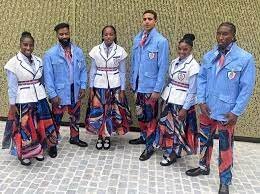
On Friday, July 26, 2024, the eyes of the world turned to Paris for the highly anticipated opening of the Olympic Games. As flags flew and excitement mounted, Haïti captured the attention and imagination of millions of spectators. In a spectacular parade, Haïti proved that it could compete with the world’s greatest powers, not only on the playing field, but also on the fashion and cultural catwalk.
On May 18, Haïti celebrates "Flag Day", a public holiday marking the creation of the Haitian flag in 1803. Displayed for the first time in Arcahaie by Jean-Jacques Dessalines, this national symbol results from the fight for independence against slavery and French domination. Established in 1926 by Timothée Paret, then Minister of Justice under the presidency of Louis Borno, this celebration took on a particular dimension in the midst of American occupation and remains as a tradition. Haitians honor this day with school parades, musical groups in the streets and patriotic songs, recalling the union and solidarity of ancestors. The “Flag Festival” is an opportunity to reflect on the values of freedom and determination which continue to forge the Haitian national identity.
Haiti, a Caribbean island country, is much more than just a tourist destination. It embodies a symbol of resistance, freedom and the struggle for emancipation, a historical example for the whole world. In this article, we will explore why Haïti is considered a true symbol of freedom, by highlighting its history, culture and its essential role in the fight against oppression.
Kre-Yole, a Haitian company dedicated to the promotion and sale of local, artisanal and agricultural products. Founded with the aim of highlighting Haiti’s cultural richness and unique talents, Kre-Yole positions itself as a sales channel allowing artisans, agricultural producers and others to share their creations with the world.

First black nation to free itself from slavery and gain independence from France in 1804 and influenced other liberation movements around the world, inspiring struggles for freedom and equality.

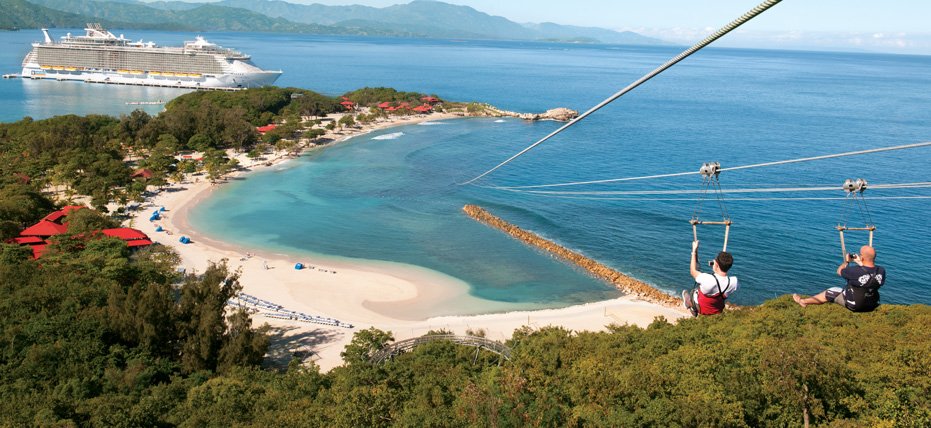
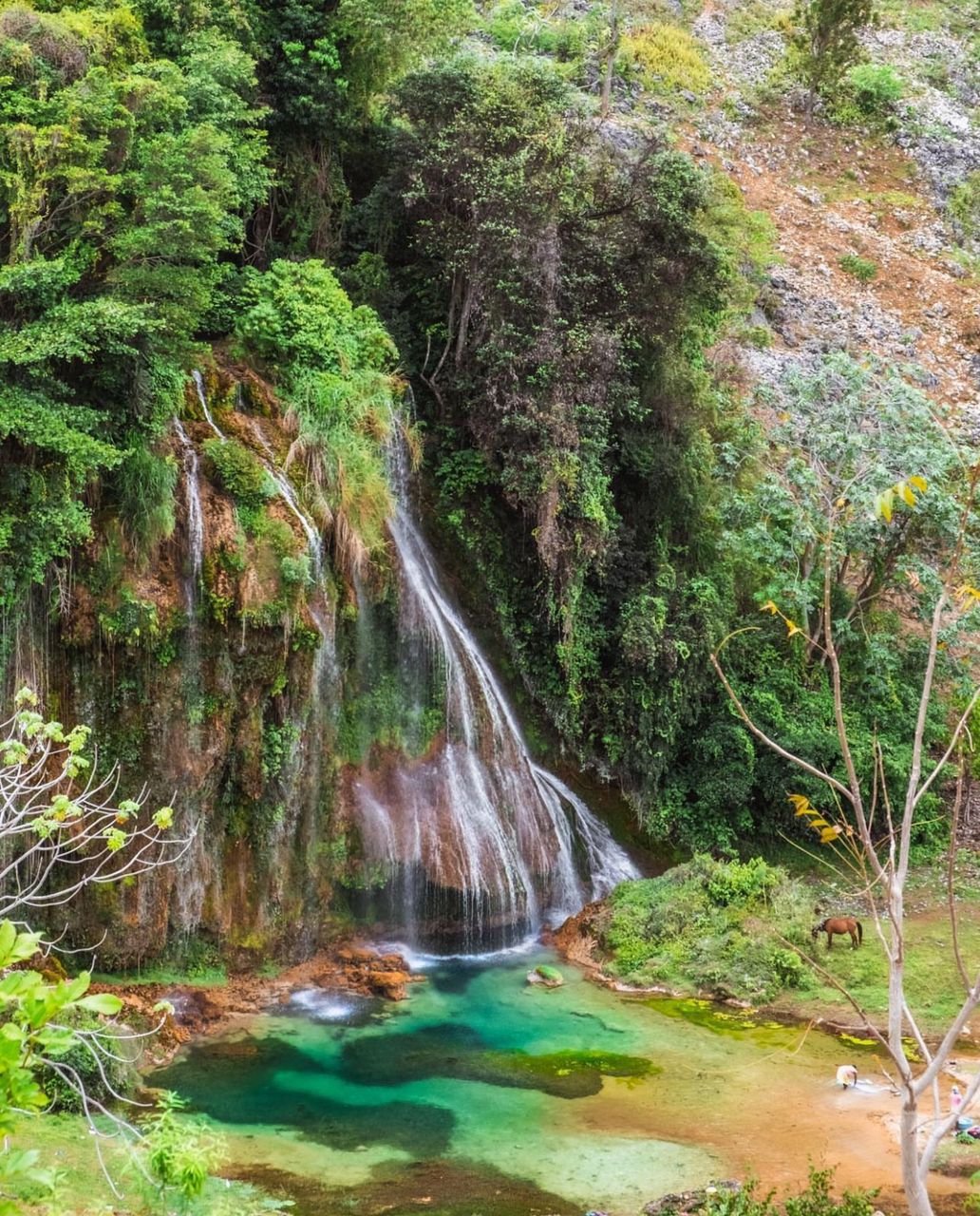
Haïti is blessed with spectacular natural landscapes, including white sand beaches, mountains and rich biodiversity.

Haïti has a rich historical heritage, including sites like the Citadelle Laferrière and the Sans-Souci Palace, listed as UNESCO World Heritage Sites.

Haïti has a rich and diverse culture, influenced by African, European and indigenous elements. Haitian music, dance, art and cuisine are celebrated around the world.