contact@haitiwonderland.com+509 36184317

Discover

Shopping Cart

Introducing Haiti: Discover the Island’s Authentic Beauty, History and Culture

Introducing Haiti: Discover the Island’s Authentic Beauty, History and Culture

Haïti is a small but fascinating Caribbean country with a unique history, vibrant culture and stunning landscapes. Located on the island of Hispaniola, which it shares with the Dominican Republic, Haïti is distinguished by its resilience, historical independence, and natural and cultural wealth. This article offers you a detailed overview of this impressive country, from its history to the geographical and cultural features that make it a must-see destination.

Haïti
Haïti
Haïti

A Little History: The First Independent Black Country

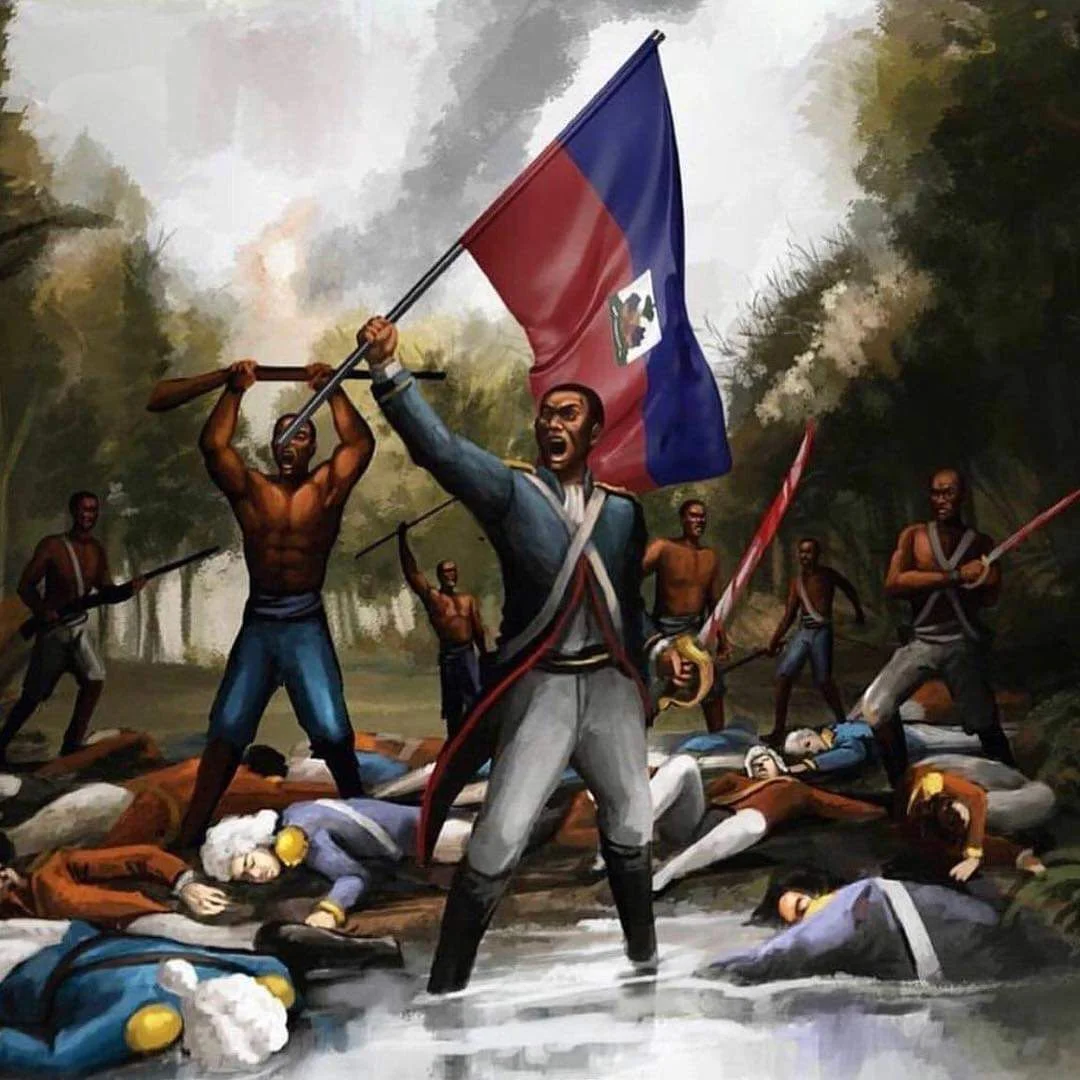
On January 1, 1804, Haïti became the world’s first independent black country, marking a major turning point in world history. After a long struggle led by black slaves, Haïti managed to free itself from French colonial rule, a feat unique in the annals of history. This struggle, known as the Haitian Revolution, is an example of emancipation that has inspired many other independence movements around the world. Haiti’s victory demonstrated that a people could resist and free themselves from colonial oppression. As of 2023, the country has a population of approximately 12 million, many of whom retain a deep sense of pride in the legacy of this independence.

Haïti
Haïti
Haïti

Geography: Exceptional Natural Beauty

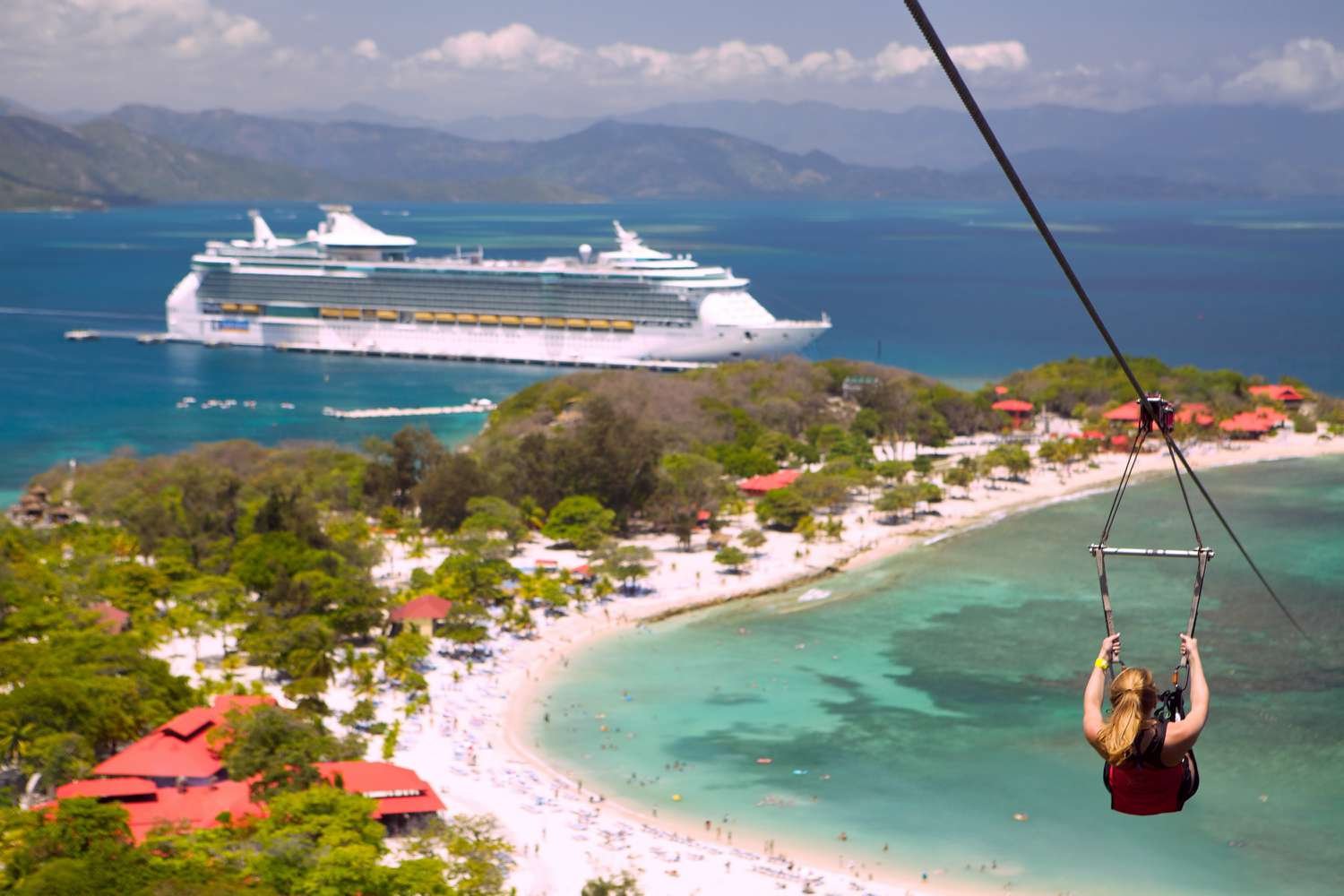
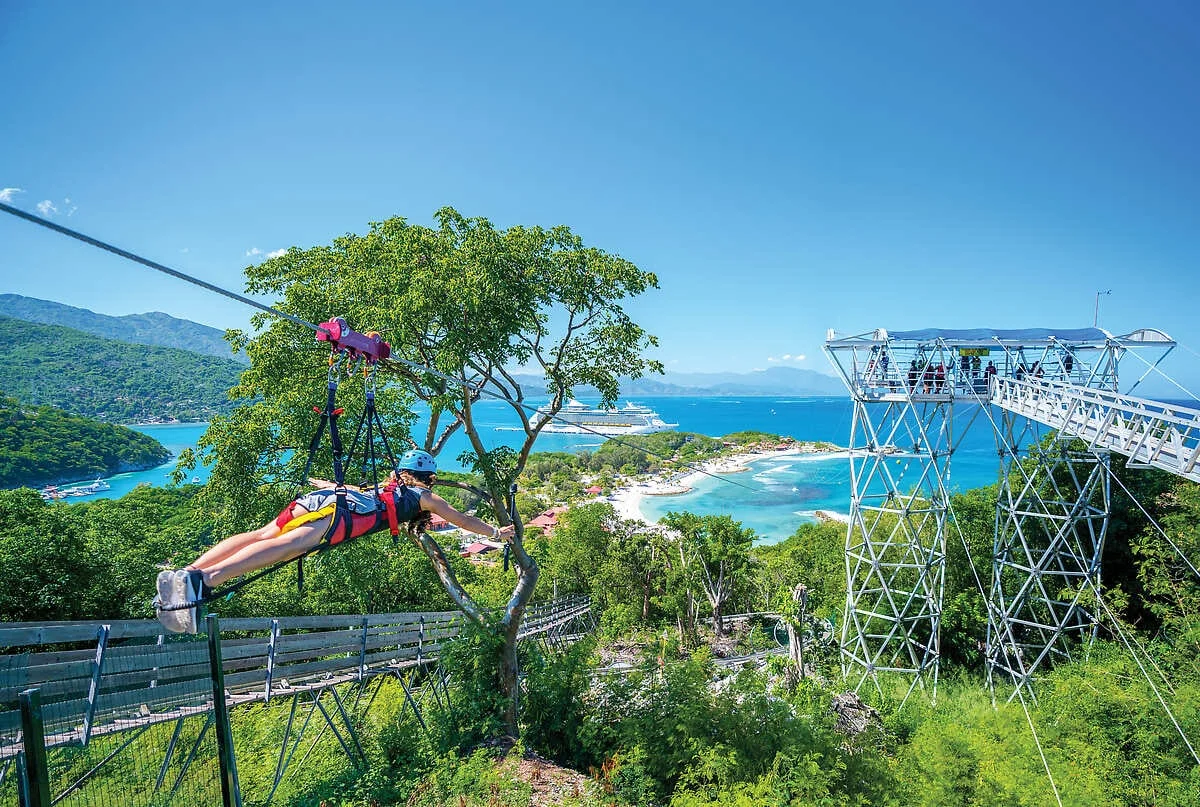
Haïti covers an area of ​​27,750 km². Located in the Caribbean region, the island of Hispaniola is shared between Haïti to the west and the Dominican Republic to the east. Haïti has a varied geography, ranging from mountains to paradisiacal beaches. The country is dominated by mountains, with peaks that exceed 2,500 meters in altitude, such as the Montagne de la Selle, the highest point in the country. Its geographical diversity also includes beaches such as Labadie, Bassin-Bleu, and rivers of great beauty. The country enjoys a tropical climate, with average temperatures around 27°C, making it an ideal destination all year round.

Haïti
Haïti
Haïti

Language and culture: A melting pot of traditions

Haïti has two official languages: French and Haitian Creole. Creole is spoken by approximately 95% of the population, and it has become a strong symbol of Haitian identity, rooted in the history of the Revolution. Haitian culture is a rich blend of African, French and indigenous influences, visible in its arts, music and dances. Haïti is particularly famous for its folk art, especially painting and sculptures, which are known worldwide for their unique style. Haitian music is also a central part of its culture, with genres like kompa, zouk, and rasin punctuating the country’s festivities.

Haïti
Haïti
Haïti

World Heritage and Historic Monuments

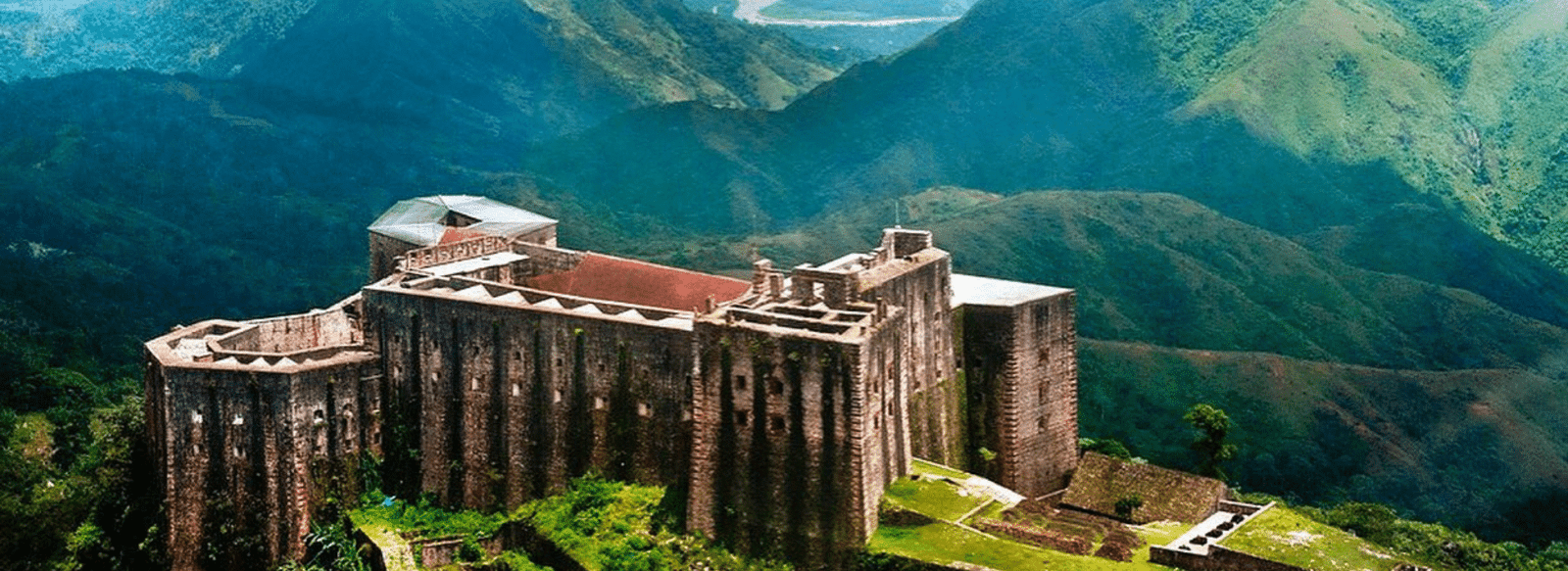
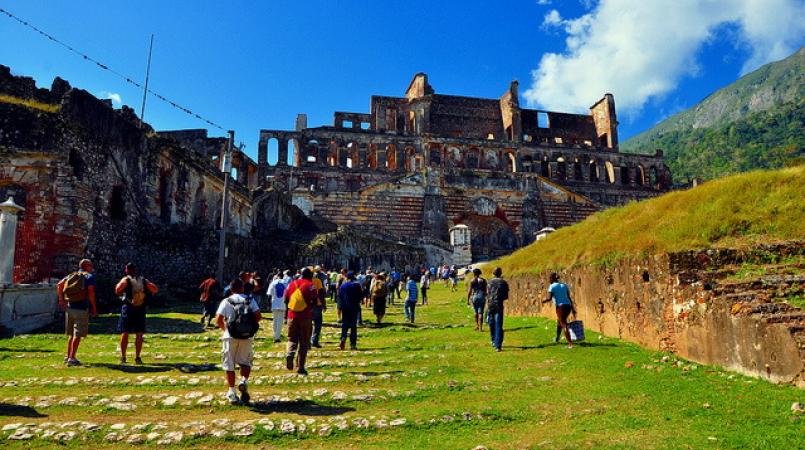
Haïti is proud of its heritage, and this is reflected in its historic sites, including the Citadelle Laferrière, a UNESCO World Heritage Site. Built by freed slaves after the war for independence, the Citadelle is a symbol of victory over French colonizers. Another important site is the Sans Souci Palace, the royal residence of King Christophe. This historic heritage is of major importance, and Haïti attracts tourists who are passionate about history to explore these iconic monuments. The country also has other valuable cultural sites such as the Musée du Panthéon National Haïtien (MUPANAH), which displays relics and objects that have marked the country’s history.

Haïti
Haïti
Haïti

Nature: A treasure trove of biodiversity

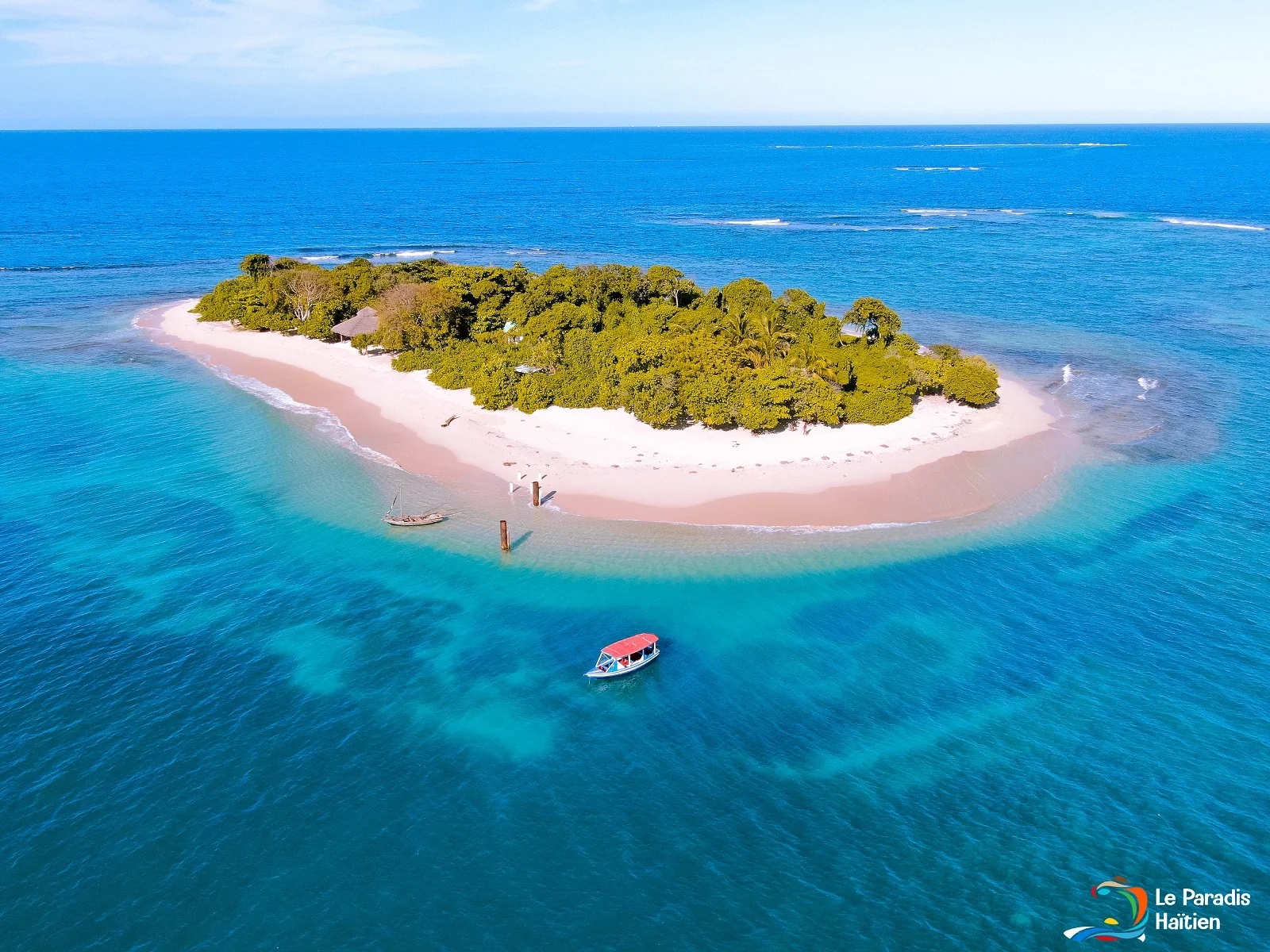
Haïti is blessed with impressive biodiversity, with over 1,100 species of plants, some of which are endemic, as well as 300 species of birds. The country is home to many protected natural areas, such as La Visite National Park, which is a prime example of the richness of its ecosystem. The country also has heavenly beaches, such as Île-à-Rat, a favorite spot for nature and sea lovers. These natural wonders are crucial to the country’s economy, particularly the tourism sector, which is a driver of growth. In 2019, the tourism sector accounted for approximately 4% of Haiti’s GDP, although it remains underexploited.

An economy in transition

Haiti’s economy is growing, despite challenges such as political crises, natural disasters, and persistent poverty. Agriculture remains one of the economic pillars, with products such as coffee, bananas, mangoes, and sugarcane. The country also has untapped mineral resources, including gold and copper. However, Haïti faces a high poverty rate, with approximately 60% of its population living below the poverty line. The government and various international organizations are working to improve infrastructure and promote foreign investment, particularly in free zones and the textile industry.

A Resilient People

Haiti, despite the challenges, is an example of resilience. The Haitian people have overcome many obstacles over the centuries, including devastating natural disasters such as the 2010 earthquake, which killed more than 230,000 people and displaced millions more. The Haitian people’s ability to rise up after these tragedies is a testament to their strength and indomitable spirit. Haitians are known for their solidarity, community spirit, and ability to keep their culture alive in the face of adversity.

Haïti
Haïti
Haïti

Haiti, a country to discover

Haïti is much more than its challenges. It is a country rich in history, culture, and nature, with a proud and resilient people. Its independence, historical sites, exquisite cuisine, and beautiful landscapes make it a must-see destination for travelers. Haïti is a nation of hope and determination, a model of resistance and freedom. The country has enormous potential and continues to fight to improve the living conditions of its people while preserving its heritage and culture.

Haïti deserves to be seen in a positive light, not only for its historic struggle for independence, but also for its spirit of solidarity, diversity, and the beauty of its landscapes. If you have visited Haïti or would like to share other fascinating aspects of this country, leave a comment below.

Share
About the Author
Appolon Guy Alain
Appolon Guy Alain
Appolon Guy Alain

Full Stack Developer, Créatif, expérimenté, passionné des nouvelles technologies et de l’art.

See other articles from Appolon Guy Alain
Leave a comment

Recently Posted

Newsletter

Subscribe to our newsletter to stay informed of all our activities and news on Haiti.

Haïti, a rich and impoverished country

Located in the western part of the island of Hispaniola, Haïti is a land imbued with natural, cultural and historical wealth. Unfortunately, behind the beauty of its landscapes, the richness of its culture and the delicacy of its cuisine lies a complex reality marked by the debt of its independence and the persistent interference of third countries, casting a shadow over its stability. b~The Natural Beauty of Haïti~b Haïti, nicknamed the "Pearl of the Antilles", dazzles with the diversity of its landscapes. From majestic mountains and lush valleys to meandering rivers and sandy beaches, the country offers natural beauty worth celebrating. The famous Citadelle Laferrière mountains and the refreshing waterfalls of Bassin-Bleu are just a few examples of the splendor that characterizes this nation. b~A Rich and Diverse Culture~b Haïti stands out for its vibrant and diverse culture. A heritage of African, French and indigenous influence, Haïtian music, dance and art reflect a unique fusion. Colorful festivals, like Carnival, are celebrations of this cultural richness, attracting visitors from all over the world. b~Delicious Cuisine~b Haïtian cuisine, tasty and spicy, is another aspect worth celebrating. Dishes like griot, sticky rice, and the legendary joumou soup, traditionally prepared to commemorate independence, are all culinary delights that demonstrate the country’s gastronomic ingenuity. b~Heritage Treasures and Paradise Beaches~b Haïti’s heritage treasures, such as the remains of the Sans-Souci Palace and the Citadelle Laferrière, listed as UNESCO World Heritage Sites, are testimonies to the architectural grandeur of Haïti’s past. At the same time, beaches like Labadee and Jacmel offer havens of peace with crystal clear waters, attracting travelers in search of a tropical paradise. b~A Fascinating Story~b The history of Haïti is both fascinating and tragic. It was the first country in the Americas to gain its independence, in 1804, after a courageous slave revolt. However, this independence came with a heavy financial price. France demanded exorbitant compensation, thus laying the foundations for Haïti’s foreign debt. b~The Debt of Independence and Foreign Interference~b Despite these treasures, Haïti struggles with the reality of its independence debt. After gaining its freedom, the country was forced to pay France a considerable sum in compensation for losses associated with the abolition of slavery. This debt has been a major economic burden for Haïti, hindering its development. Additionally, foreign interference continues to create significant challenges. External political and economic interventions have often contributed to the country’s instability, hindering its ability to build a sustainable future for its citizens. b~In conclusion~b Haïti remains a country of multiple riches, but its challenges persist. Despite its natural beauty, rich culture and fascinating history, the nation needs enlightened international support and lasting solutions to overcome the obstacles that stand in its way. Haïti’s wealth lies not only in its enchanting landscapes, but also in the potential of its people to be resilient and prosper despite persistent challenges.

Exploring Cayes-Jacmel, Haiti: Discovering a tourist and cultural treasure.

Nestled in the splendid mountains of the southeastern region of Haiti, the picturesque commune of Cayes-Jacmel emerges as a rare pearl, offering an incomparable tourist and cultural experience. With its lush green landscapes, rich cultural heritage and exciting activities, this destination promises an unforgettable journey for travelers seeking authenticity and natural beauty. As soon as you arrive in Cayes-Jacmel, you will be captivated by the splendor of its landscapes. The plains and hills that dominate the terrain offer a breathtaking spectacle, ideal for picturesque hikes and leisurely walks. The town is also full of crystal clear waterways, perfect for a refreshing break or a relaxing fishing session. Explore the hidden trails and let yourself be enchanted by the thriving biodiversity of the region, where nature reigns supreme. Without forgetting the magnificent beaches of Kabic like "Ti Mouillage", where the fine sand and turquoise waters invite relaxation and water sports. Cayes-Jacmel is steeped in rich history and vibrant culture, reflected in its majestic temples and churches. With more than thirty-two temples of all faiths, including Baptist churches, Churches of God and Catholic churches, the town is a symbol of religious diversity and tolerance. Immerse yourself in the region’s fascinating past by visiting the magistrate’s court and police station, witnesses to its political and legal legacy. Experience the excitement of local life by participating in the lively festivals and cultural events of Cayes-Jacmel. Immerse yourself in the haunting rhythms of Haitian music during community celebrations, and discover traditional crafts at local markets. Don’t miss the town’s annual festival, where dance, gastronomy and the arts combine to create a festive and warm atmosphere. Whether you’re a sports lover, adventure enthusiast, or simply looking for relaxation, Cayes-Jacmel has something to offer every traveler. Play football or basketball on the local pitches, or dance the night away at one of the town’s lively nightclubs. For an authentic experience, join a fishing excursion with the locals, or explore the region’s hidden gems on an exciting jeep tour. With its breathtaking natural beauty, rich cultural heritage and captivating activities, Cayes-Jacmel emerges as an incomparable tourist and cultural destination in Haiti. Whether you are looking for adventure, relaxation or cultural discoveries, this picturesque town promises you an unforgettable experience, imbued with the very essence of Haitian life. Embark on a journey to the heart of the magic of Cayes-Jacmel and let yourself be enchanted by its charm.

Cultural exploration: Discovering the Haitian soul

Cultural exploration offers a fascinating window into the richness and diversity of world heritage. Among destinations that captivate with their history, art and unique identity, Haïti stands out as a cultural gem worth discovering. b~Historical heritage:~b The history of Haïti is marked by the resilience of the Haitian people in the face of slavery, colonization and political challenges. It is the first independent state in Latin America and the only one founded by a successful slave revolt. Haiti’s historical heritage is reflected in its art, music, dance and beliefs. b~Art and Crafts:~b Haitian artistic expression is vibrant and powerful. Naive painting, famous for its bright colors and narrative themes, has its roots in Vodou traditions and local folklore. Haitian artists have gained international fame by capturing the mystical spirit and daily life of the country. b~Music, rhythm of the Haitian soul:~b Music is the pulsating soul of Haiti. From direct compass to voodoo to jazz to rasin, each musical genre has a deeply rooted history in Haitian culture. The iconic band, Boukman Eksperyans, fuses traditional rhythms with modern influences, creating a unique sonic experience that transcends boundaries. b~Dance and movements:~b Dance in Haïti is a celebration of life and spirituality. Voodoo dances, such as Yanvalou and Banda, embody sacred rituals while preserving African heritage. The graceful movements and colorful costumes tell stories from Haitian history, creating a deep connection between past and present. b~Spirituality and Voodoo:~b Vodou, often misunderstood, is an essential component of Haitian culture. It is a syncretic religion that combines African, Native American and Catholic elements. Vodou ceremonies, with their intoxicating dances and mystical rituals, are powerful expressions of Haitian spirituality and are rooted in the quest for connection with ancestors and deities. Exploring the Haitian soul means delving into a world where history, art, music and spirituality intertwine to form a unique cultural web. Haiti, with its diversity and resilience, offers an experience rich in emotions and discoveries. Whether through the bustling streets of Port-au-Prince, the vibrant art galleries or the captivating rhythms, every corner of this Caribbean country reveals a captivating facet of its deep and living soul.

Haïti Music: Haitian artist Rutshelle Guillaume crowned “Best Caribbean Artist” at the Trace Awards & Festival 2023

The international music scene buzzed with excitement on Saturday, October 20, 2023 when talented Haitian singer Rutshelle Guillaume was crowned “Best Caribbean Artist” at the prestigious Trace Awards & Festival 2023, held in Kigali, Rwanda. This award recognizes a remarkable career and a significant contribution to the evolution of Caribbean music. Rutshelle Guillaume is an artist who has captured the hearts of music lovers thanks to her undeniable talent and her numerous quality productions. The Trace Awards & Festival is an event renowned for its promotion of Afrocentric music and culture. It is a platform that celebrates the musical diversity of the Caribbean while highlighting the creativity of the region. Caribbean artists are honored for their exceptional contribution to the enrichment of world music. Rutshelle Guillaume’s victory at this prestigious event is not only a tribute to her talent, but also a recognition of the richness of Caribbean music and its ability to transcend geographical boundaries. The Haitian singer knew how to embody this musical diversity and touched the hearts of many listeners around the world. Her career, marked by memorable titles and collaborations with other talented artists, has made her an ambassador for Caribbean music on an international scale. His commitment to promoting Haitian and Caribbean culture has helped strengthen ties between artists in the region and the rest of the world. Rutshelle Guillaume continues to inspire many emerging artists and show that passion, talent and dedication can lead to extraordinary achievements. His victory at the Trace Awards & Festival 2023 is a well-deserved tribute to his influence and undeniable contribution to Caribbean music. Ultimately, Rutshelle Guillaume’s recognition as "Best Caribbean Artist" at the Trace Awards & Festival 2023 is a reminder of the power of music to unite cultures and celebrate artistic diversity. It is a historic moment for the Haitian artist and a source of pride for the Caribbean as a whole. Rutshelle Guillaume continues to be an inspiration to many artists and music lovers around the world, and her music will live on as a testament to her incredible talent and dedication to her art.

Recently Posted

History

History

First black nation to free itself from slavery and gain independence from France in 1804 and influenced other liberation movements around the world, inspiring struggles for freedom and equality.

Natural beauty

Natural beauty

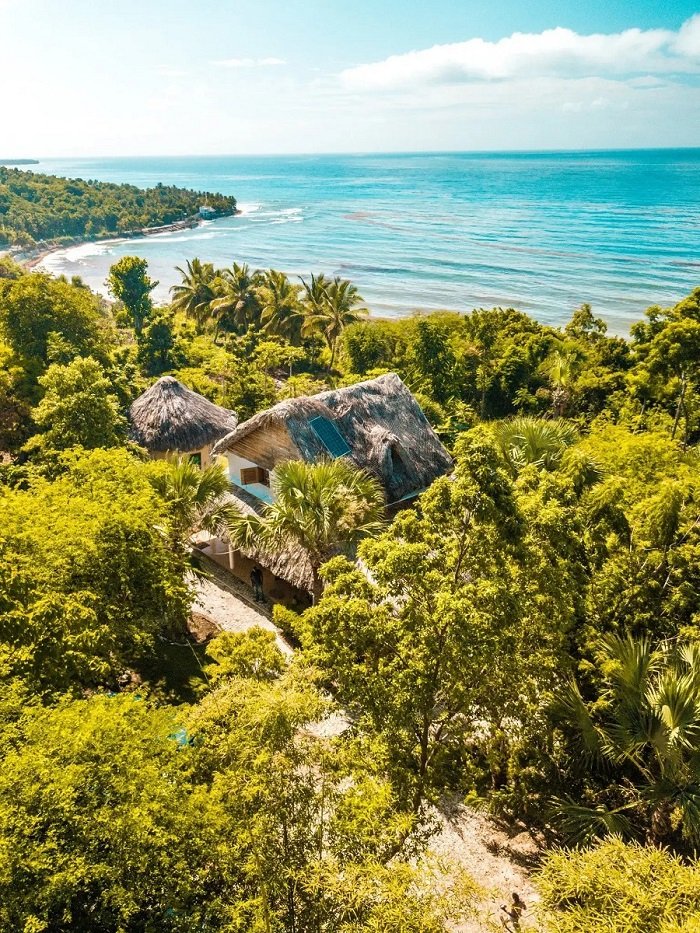
Haïti is blessed with spectacular natural landscapes, including white sand beaches, mountains and rich biodiversity.

Heritage

Heritage

Haïti has a rich historical heritage, including sites like the Citadelle Laferrière and the Sans-Souci Palace, listed as UNESCO World Heritage Sites.

Culture

Culture

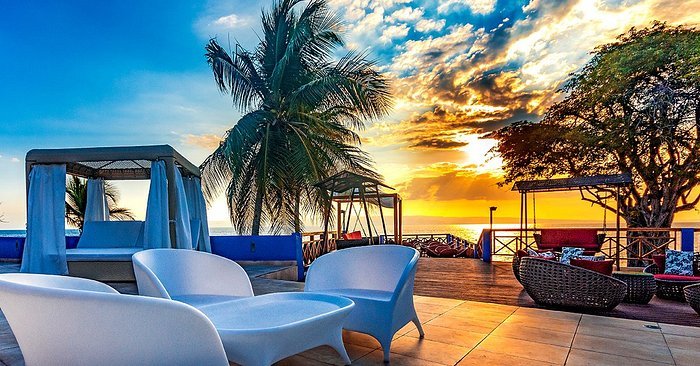
Haïti has a rich and diverse culture, influenced by African, European and indigenous elements. Haitian music, dance, art and cuisine are celebrated around the world.

  • +
    • Post