contact@haitiwonderland.com+509 36184317

Discover

Shopping Cart

Did You Know? Haïti is Home to the Largest Fort in the Caribbean

Did You Know? Haïti is Home to the Largest Fort in the Caribbean

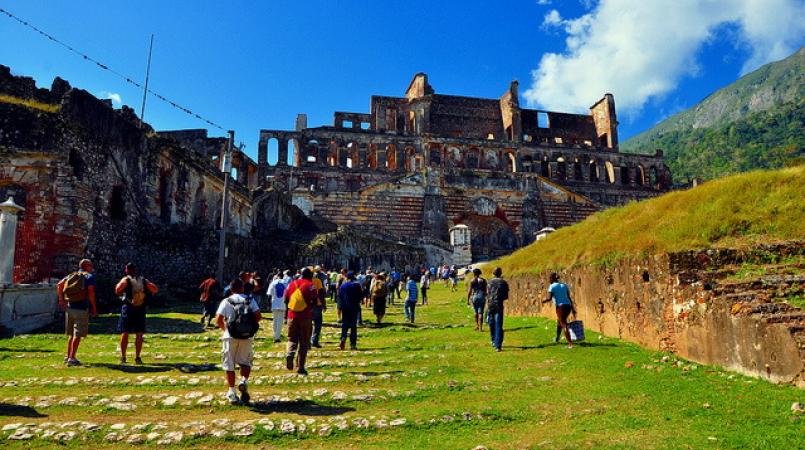
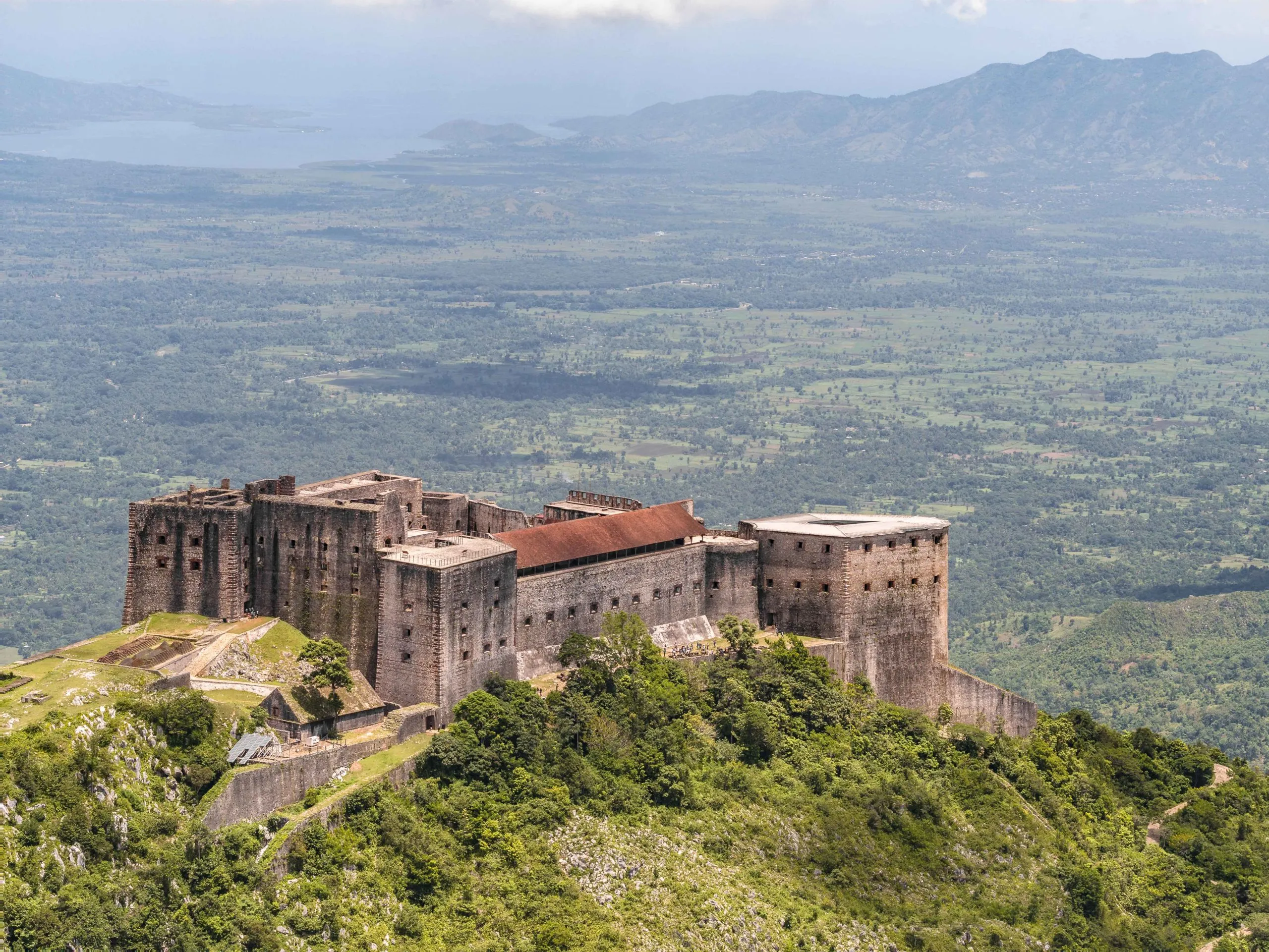
When we think of Haiti, we often think of its rich culture, heroic history, and breathtaking landscapes. But did you know that Haïti is also home to the largest fort in the Caribbean? The Citadelle Laferrière, located in the Nord department, is an architectural masterpiece and a symbol of freedom that attracts thousands of visitors each year. This historic monument is a national pride and a testament to the resilience of the Haitian people.

Haïti
Haïti
Haïti

A Fortress Born of Freedom

Built between 1805 and 1820 under the orders of King Henri Christophe, the Citadelle Laferrière was a strategic response to the threat of a possible return of French colonial troops after Haiti’s independence. Situated 900 metres above sea level, on top of a mountain in the Milot region, the Citadel majestically dominates the surroundings, offering panoramic views of the valleys and, on a clear day, the Atlantic Ocean.

With its 130 metres long, its walls 40 metres thick in some places, and its capacity to accommodate up to 5,000 soldiers, this fortress is a true feat of engineering for its time.

Haïti
Haïti
Haïti

A symbol of resistance and ingenuity

The Citadel was not just a simple defensive building. It was equipped to withstand long sieges:
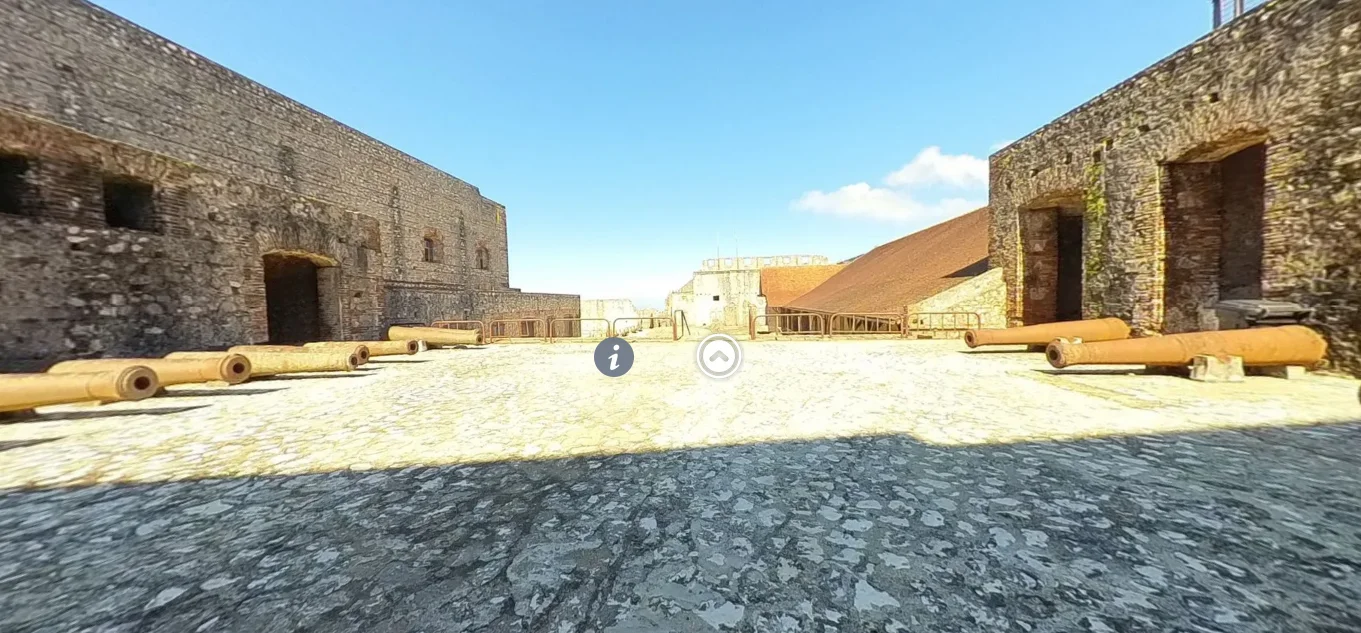
- It housed more than 365 cannons, some of which are still visible today.
- Tons of munitions and provisions were stored there to support the troops in the event of a prolonged attack.
- Building materials, such as lime and rocks, were transported by man and mule over steep paths, demonstrating the incredible determination of Haitian workers.

Haïti
Haïti
Haïti

A UNESCO World Heritage Site

In 1982, the Citadelle Laferrière was inscribed on the UNESCO World Heritage List, as part of the National Historical Park, which also includes the Sans-Souci Palace and other historical remains from the Christophe era. This international recognition underlines the importance of the Citadelle not only for Haiti, but also for the world history of the struggle for freedom.

Some key figures

- Surface area: The Citadelle covers approximately 10,000 square meters.
- Altitude: It peaks at 900 meters, offering a spectacular view.
- Workers: More than 20,000 people participated in its construction, including former soldiers and peasants.
- Cannons: More than 365 cannons from various European countries are stored there.

Haïti
Haïti
Haïti

A must-see tourist site

The Citadelle Laferrière is today one of the main tourist attractions in Haiti. Visitors can access the site on foot, on horseback or by car, through trails winding through the mountains. Once at the top, they are rewarded with breathtaking views and a dive into the country’s history.

Each year, thousands of local and international tourists come to explore this architectural marvel, learning more about Haiti’s central role in the history of the struggle against oppression.

Did you know?

- The Citadelle is sometimes nicknamed the "Eighth Wonder of the World" because of its grandeur and historical importance.
- The cannons and cannonballs of the Citadel come mainly from Napoleonic battles, captured by the Haitians after their victory over the French.
- The Citadel was designed to be a last refuge: even if destroyed, its ruins would serve as an eternal symbol of Haiti’s freedom.

Haïti
Haïti
Haïti

A monument to preserve

The Citadelle Laferrière is not only a symbol of national pride, but also a reminder of the ongoing struggle for independence and human dignity. Preserving this iconic site is essential for future generations, so that they can understand and celebrate the legacy of their ancestors.

If you haven’t visited the Citadelle Laferrière yet, it’s time to plan a trip. And if you have already, share your experiences and photos in the comments to inspire others to discover this unique gem!

Share
About the Author
Appolon Guy Alain
Appolon Guy Alain
Appolon Guy Alain

Full Stack Developer, Créatif, expérimenté, passionné des nouvelles technologies et de l’art.

See other articles from Appolon Guy Alain
Leave a comment

Recently Posted

Haiti: A look back at the First Rara Weekend in Petit-Goave

Haitian culture is a true treasure, woven from the creativity of its artists, its rich heritage and the diversity of its cultural expressions. Among these cultural gems, the rara stands as a true national emblem, uniting Haitians through its captivating rhythms and centuries-old traditions. During the first Rara weekend, this very essence of Haitian culture shone brightly, revealing palpable social cohesion. Despite the absence of law enforcement, tranquility reigned in Petit-Goâve, testifying to the ability of citizens to come together in peace and conviviality. However, media attention was mainly focused on the first plain, leaving a certain imbalance in the coverage of the festivities. Ratyèfè, three-time reigning champion, once again captivated minds with his talent and artistic mastery, offering an unparalleled spectacle. But his rival, Lambi gran dlo, was not to be outdone, displaying a determination to compete for first place. The event was also marked by unfortunate incidents, reminding us that despite the beauty of tradition, tensions can arise. Clashes between fans of different groups tarnished the festive atmosphere, highlighting the need for careful management of celebrations to avoid such excesses. At the heart of this musical competition, where each group aspires to recognition and victory, a complex picture of rivalries and alliances emerges. Chenn tamarin, although appearing asleep in the first moments, shows signs of waking up, ready to shake up the established order. On Sunday evening, Lambi gran dlo honored the memory of one of its loyal supporters, while Grap Kenèp was the scene of violence between fans, recalling the fragility of social cohesion when passion runs wild. In this whirlwind of emotion and competition, it is crucial to keep in mind that it is the journalist who must look to the events, and not the other way around. This is how we draw up the first ranking for this first weekend: 1. Ratyèfè 2. Lambi grand dlo 3. Chenn tamarind Beyond the results, it is the preservation of unity and mutual respect that must remain at the heart of these celebrations, making the rara not only a musical festival, but above all a symbol of the wealth and resilience of the people Haitian.

Newsletter

Subscribe to our newsletter to stay informed of all our activities and news on Haiti.

Haïti / Fort Picolet: Historical Guardian of Liberty

Cap-Haïtien, Haiti’s historic jewel, is home to a fascinating architectural relic: Fort Picolet. Built at the end of the 18th century by the French, this imposing bastion majestically dominates the bay of Cap-Haïtien, bearing witness to the tumults of Haitian history and the fierce struggle for independence. The history of Fort Picolet is closely linked to that of Haiti, particularly at the time of the Haitian Revolution. During this tumultuous period, when slaves and freedmen rose up against colonial oppression, the fort was the scene of epic battles and fierce sieges. Sometimes used by French forces, sometimes by Haitian revolutionaries, Fort Picolet was a silent witness to the events that shaped the destiny of the nation. Designed with a strategic vision, the fort embodies the military architecture of its era. Its thick stone walls, strategically positioned cannons and viewpoints overlooking the bay make it an impregnable bastion. Its name, Fort Picolet, pays homage to General Louis Marie, Marquis de Picolet, French governor of Cap-Français at the end of the 18th century. Today, Fort Picolet remains much more than a simple historical monument. It is a living symbol of the resilience and determination of the Haitian people. Visitors who wander through its ruins can feel the imprint of history and contemplate the remains of a tumultuous past. From up there, a panoramic view of the bay of Cap-Haitien is available to them, offering a unique perspective on the strategic importance of this place in the maritime history of Haiti. As a pillar of Haitian tourism, Fort Picolet attracts visitors from around the world. Its historical aura, combined with the natural beauty of its environment, makes it a must-see destination for history and culture lovers. More than just a tourist attraction, Fort Picolet is a poignant testimony to the endless struggle for freedom and the cultural richness of Haiti. Throughout the centuries, Fort Picolet has survived the test of time, reminding everyone that freedom is an inalienable right, hard won and carefully preserved. By exploring its ramparts, contemplating its silent cannons, visitors find themselves immersed in the tormented history of Haiti, a story of courage, resistance and hope. Live an extraordinary experience by virtually visiting the ruins of Fort Picolet: https://haitiwonderland.com/haiti-virtual-reality-ht/monuments-histoire/haiti--fort-picolet--visite-virtuelle/14

Recently Posted

History

History

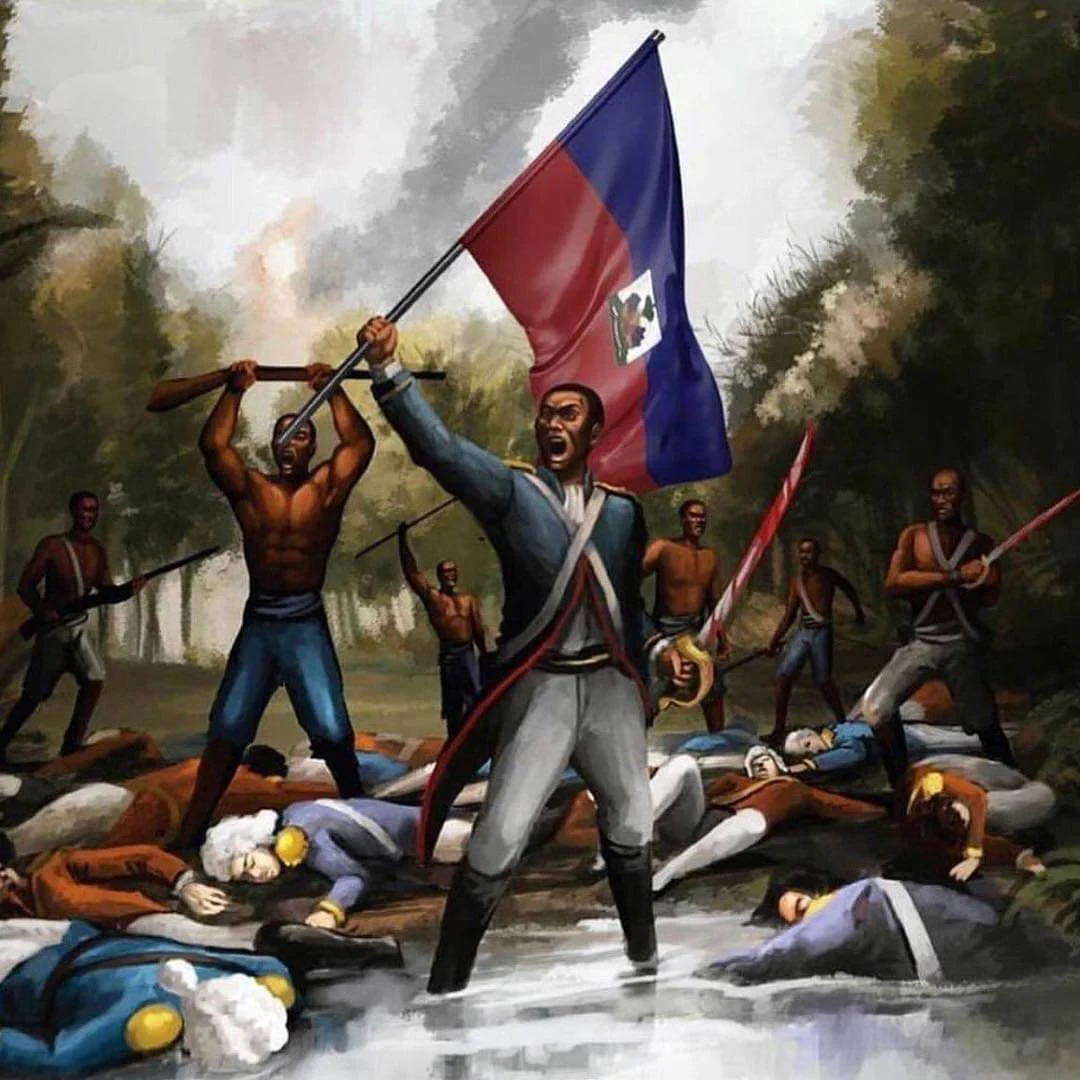
First black nation to free itself from slavery and gain independence from France in 1804 and influenced other liberation movements around the world, inspiring struggles for freedom and equality.

Natural beauty

Natural beauty

Haïti is blessed with spectacular natural landscapes, including white sand beaches, mountains and rich biodiversity.

Heritage

Heritage

Haïti has a rich historical heritage, including sites like the Citadelle Laferrière and the Sans-Souci Palace, listed as UNESCO World Heritage Sites.

Culture

Culture

Haïti has a rich and diverse culture, influenced by African, European and indigenous elements. Haitian music, dance, art and cuisine are celebrated around the world.

  • +
    • Post