John Wisky Louirard, the commitment of a generation that still believes in HaitiJohn Wisky Louirard, the commitment of a generation that still believes in Haiti
John Wisky Louirard, the commitment of a generation that still believes in Haiti
Discover the commitment of Haitian youth to a promising future with John Wisky Louirard. A glimmer of hope for Haiti.
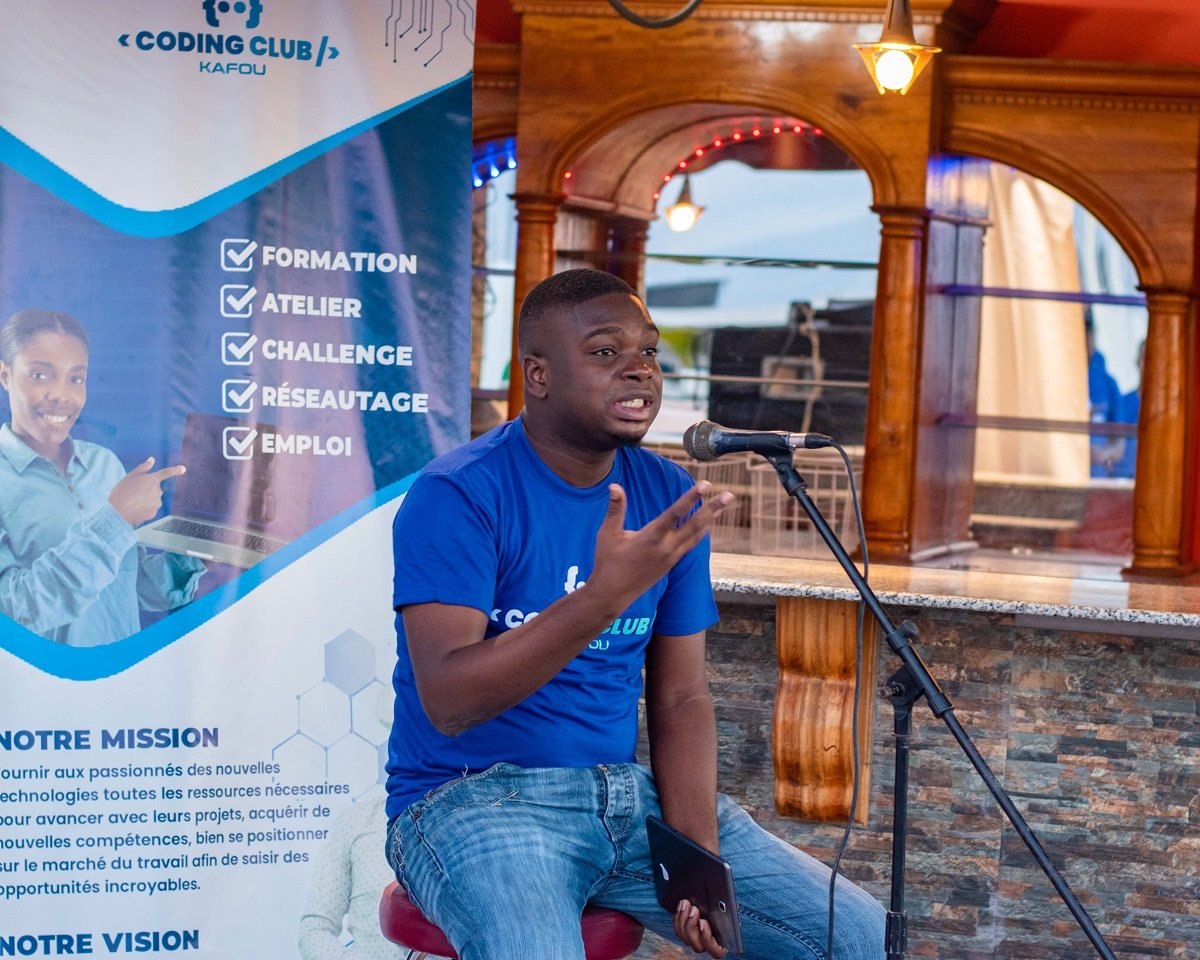
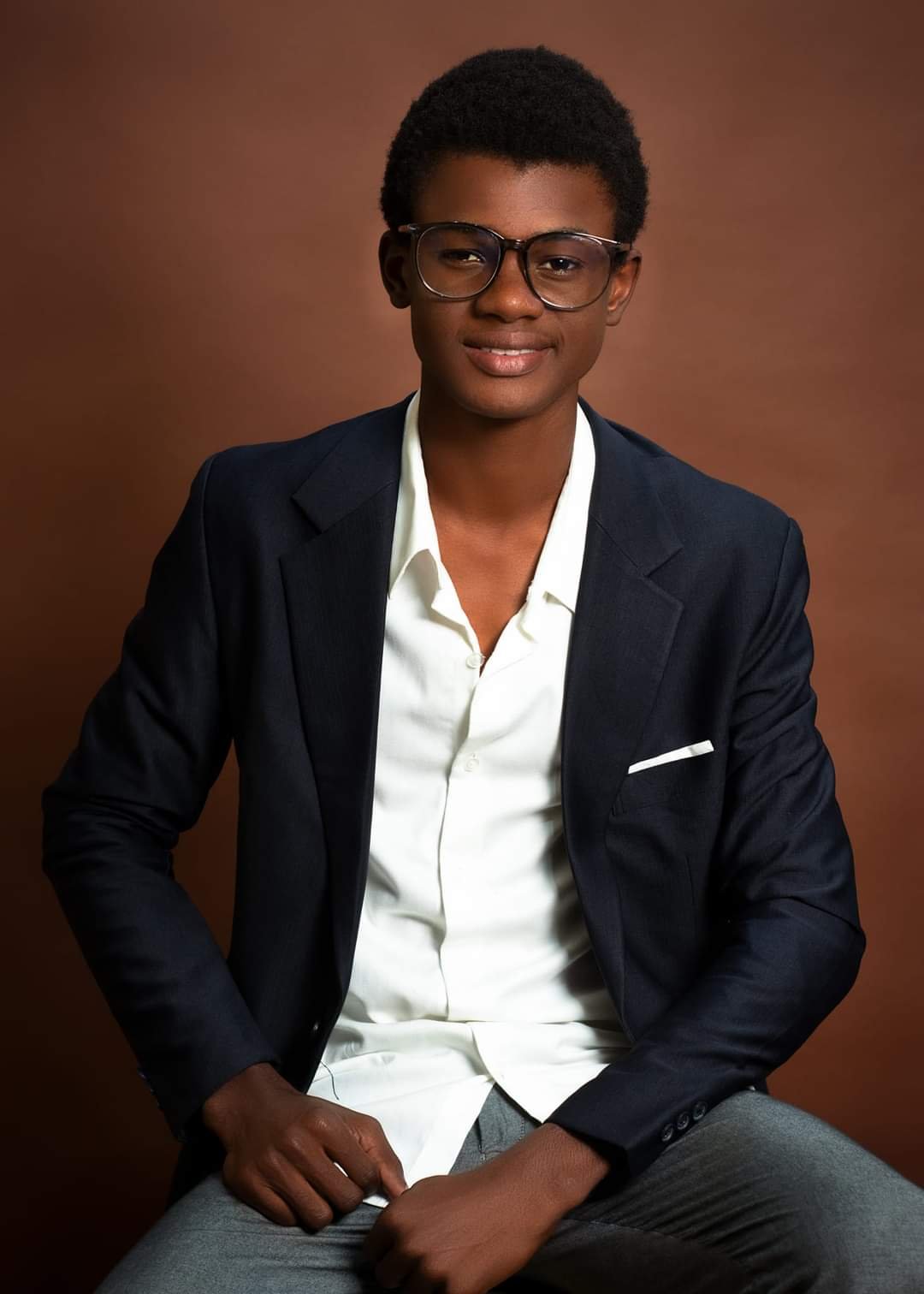
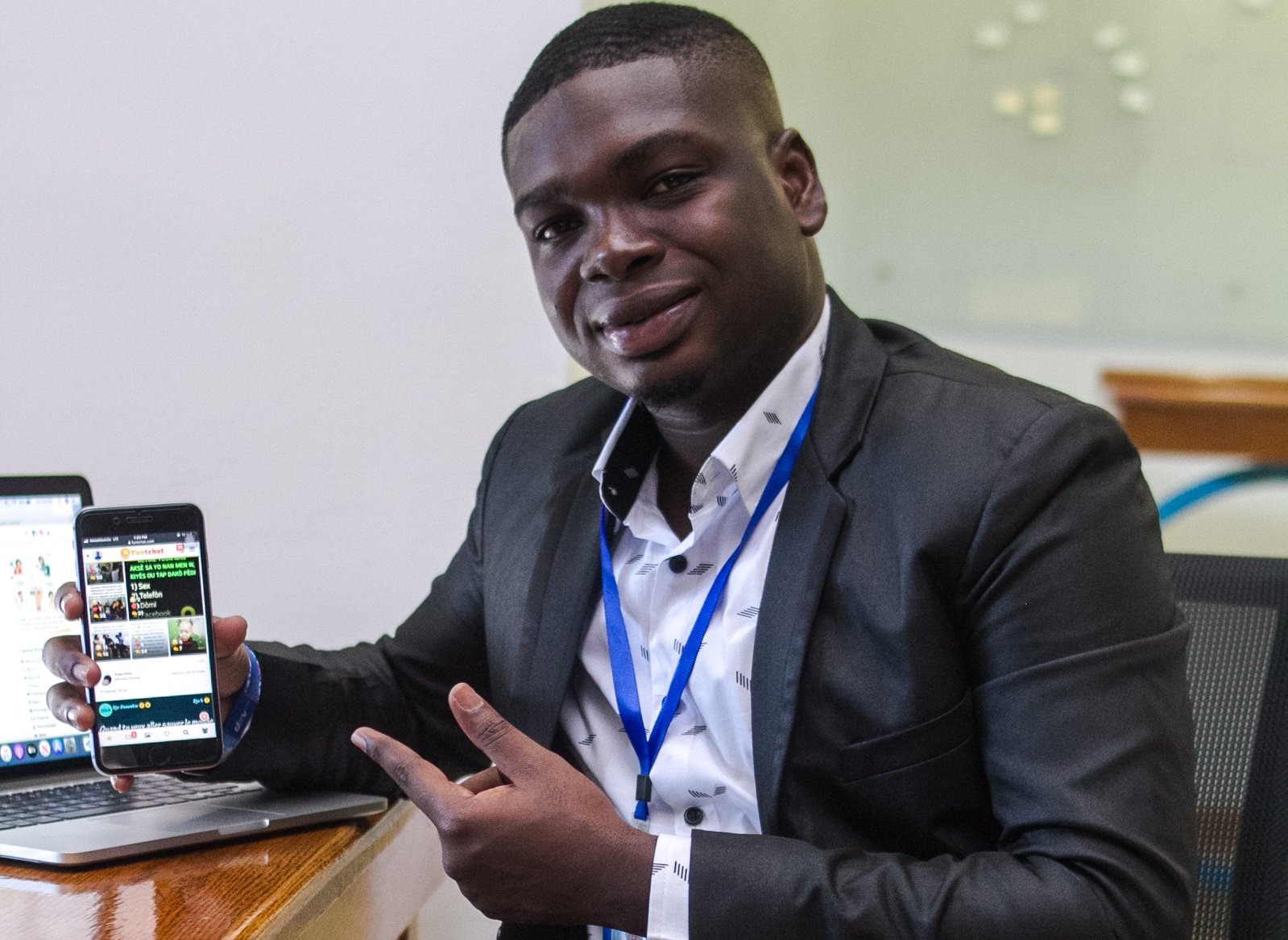
John Wisky Louirard is a young man from Gonâve, the 6 janvier 1996. who has chosen to dedicate a significant part of his life to education, culture, and supporting the most vulnerable. Trained in educational sciences at USFAH, theology at INUKA, art history and archaeology at IERAH/ISERSS, as well as online child psychology (FUN), he has built an academic path deeply rooted in understanding human beings and in the desire to transform society through knowledge. He describes himself as a young man who grew up in the shadows, but who has managed to accomplish many things through his personal projects. Among them is PROFORMAT-AIDE, a training platform he established to provide free support to numerous young people in the fields of psychology and educational sciences. He is also the driving force behind LENDI BATBOUCH, a training and reflection space designed to empower young people. Educational and cultural initiatives across the country. His commitment doesn’t stop there. He also helps many children with learning difficulties, without asking for anything in return. For him, offering a child a new perspective on the future is already an act of social transformation. He has conducted various training sessions throughout the country on Creole language and culture, leadership, and technology, convinced that these elements are essential pillars of individual and collective development. John is also the driving force behind the Port-au-Prince book fair, as he is a founding member of ACSLPAP, which organizes the event every year-end in the Haitian capital.
Several fundamental principles guide his daily actions: living in harmony with one another; defending and promoting Creole language and culture; and promoting technology as a tool for empowerment. These convictions lead him to dedicate himself to those in great need who, all too often, find no one to listen to their stories. His commitment aims to make a concrete contribution to the rehabilitation of young Haitians, particularly through mentoring, training, and the transmission of strong values.
Also a poet and slammer, the young man is currently working on a collection of poems scheduled for publication in 2026. This literary project is a continuation of his intellectual and cultural commitment, he told us. He is also developing a training project focused on preserving and perpetuating Haitian moral and cultural values, believing that the country’s future also depends on the strength of its ethical foundations. Despite the difficult realities of life for a young person currently living in Port-au-Prince, he remains convinced that renewal is possible for Haiti. He has a different perspective on his country. Where some see only collapse, he sees a youth that is beginning to understand the challenges and to engage in various fields. For him, the future is built through education, work, and perseverance, because these paths do not betray those who invest themselves in them seriously. His message to Haitian youth is consistent. He urges them not to give up on school: "Go to school. Learn. Get involved. Dare. Preserve your moral and ethical values in everything you undertake," he declared. Furthermore, he advises young people to refuse to submit to the scourge of corruption: "Reject corruption and compromises that destroy dignity." He reminds them that every young person represents a great force for the country and that doing a good deed every day is a concrete way to build the edifice of change. Through his exemplary journey, John Wisky Louirard embodies a generation that still believes in hope, beyond the stereotypes that characterize Haitian youth in these very difficult times. He aspires to be an integral part of a generation that chooses to act, to educate, to mentor, and to pass on its knowledge. A generation that refuses to give up on Haïti and that works, step by step, to prepare a better tomorrow.
First black nation to free itself from slavery and gain independence from France in 1804 and influenced other liberation movements around the world, inspiring struggles for freedom and equality.
Natural beauty
Haïti is blessed with spectacular natural landscapes, including white sand beaches, mountains and rich biodiversity.
Heritage
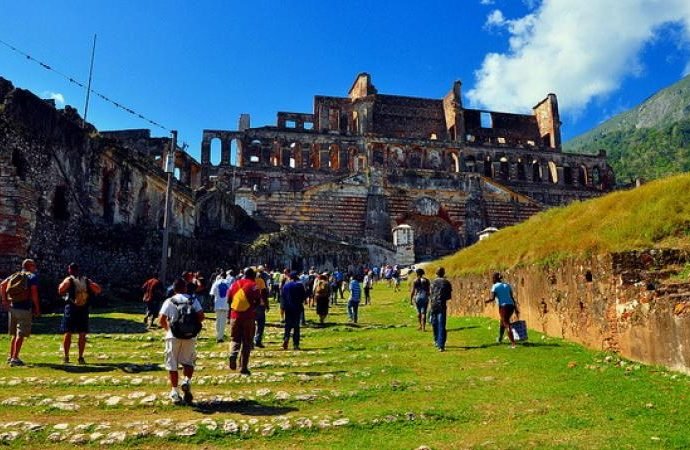
Haïti has a rich historical heritage, including sites like the Citadelle Laferrière and the Sans-Souci Palace, listed as UNESCO World Heritage Sites.
Culture
Haïti has a rich and diverse culture, influenced by African, European and indigenous elements. Haitian music, dance, art and cuisine are celebrated around the world.