contact@haitiwonderland.com+509 36184317

Discover

Shopping Cart

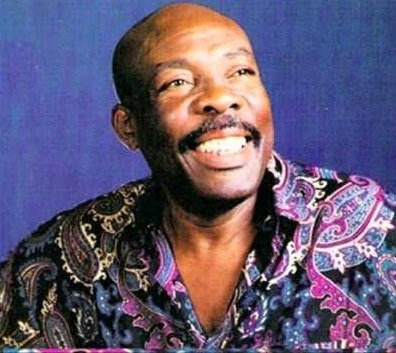
Coupé Cloué, the king of Haitian music.

Coupé Cloué, the king of Haitian music.

Coupé Cloué, whose real name is Jean Gesner Henry, is a genius of Haitian music, both singer and musician, his mark in the musical pantheon of Haïti is alongside the most prestigious names, such as Nemours Jean-Baptiste, Robert Sico et al.

The first steps of the legend

The King Coupe was born in Léogâne (in the city of Anacaona), on May 4, 1925, he died on January 29, 1998 in Port-au-Prince. Twenty-five years after his death, his music remains among the most consumed by Haitians living in Haïti and those of the Haitian diaspora.

In some African countries, it is quite common to listen to his music in nightclubs even today. He is considered by Haitian music lovers, and many compas fans around the world, as one of the emblematic figures of Haitian music, for his great contribution to the direct compas musical genre.

See as well

The beginnings of King Coupé in music.

Coupé Cloué began his musical career in the 1950s and quickly became one of the most popular artists in Haiti. His music skillfully blended elements of compass, voodoo and Haitian folklore, infiltrating the Haitian being in its most intimate aspects, creating a unique style highly appreciated by the Haitian public and elsewhere.

The King Coupe discography.

Over the years, Coupé Cloué has recorded numerous successful albums and has been praised for his lyrics and his commitment to Haitian culture. Songs like "myanm myanm", "Yeye", "Djo ak ti Djo".. have marked the memory of Haïti and the French West Indies. Making the legendary voice of King Coupé an important part of Caribbean music.

Furthermore, his fabulous side allowed him to be one of the few to be able to address themes such as politics, sexuality and Haitian traditions in his songs, in the midst of a dictatorship. He lived through the entire Duvaliers dictatorship, without having been censored by the regime.

Coupé Cloué the timeless

The Haitian who has not yet listened to a song by this legend of Haitian music has not yet seen the light of day. His powerful voice is one of the rare symbols that runs through Haitian society in its entirety, and on which almost everyone has consensus. His music is traced with a timeless accent, and resonates with the same effectiveness in the ear of the child, the young, and in the heart of the old Haitian. His music has the ability to take the shape of the listener. His polysemous words are accessible to all and are welcomed according to the maturity of his listener.
Coupé Cloué is also known for his ability to ignite crowds with his powerful and expressive voice. He is an entertainer at heart, his performances on stage were always very appreciated by the public, who admired his talent and charisma.

Despite his death in 1998, Coupé Cloué remains an essential figure in Haitian music and his musical legacy continues to influence many contemporary Haitian artists. His timeless songs and his commitment to Haitian culture have made him a music icon for his country in the same way that Bob Marley was for Jamaica. Even today, his voice is recognized as a powerful symbol of national pride for the Haitian people in all their diversity.
The legendary name of Coupé Cloué will remain engraved in gold letters, among the most worthy Haitians of all time.

Share
About the Author
Moise Francois
Moise Francois
Moise Francois

Journalist editor, poet and apprentice lawyer.

See other articles from Moise Francois
Leave a comment

Recently Posted

A Call for Online Media Awareness to improve the image of Haïti on the internet

A simple Google search for "Haïti" will leave you with a bitter taste, as you will mostly discover degrading images that fail to pay homage to Haïti’s natural beauty, rich history, and vibrant culture. This reality stems from a multitude of online media outlets that, in their relentless quest for visibility and profit, disseminate images that do not reflect the true essence of Haïti. It is time to challenge this trend and raise awareness among Haïtian online media of the profound impact of their editorial choices on the image of their own country. b~The Consequences of the Dissemination of Degrading Images:~b Sharing degrading images of Haïti contributes to perpetuating prejudices and reinforcing negative stereotypes associated with the country. This can have serious consequences for tourism, foreign investment, and even the national pride of Haïtians. Furthermore, it creates a distortion of reality, masking the many positive and inspiring aspects of Haïti. b~A Call for Editorial Responsibility:~b It is imperative that Haïtian online media take editorial responsibility in ensuring that the images and stories they broadcast reflect the diversity and richness of Haïti. Rather than focusing only on the negative aspects, they should highlight the successes, positive initiatives, and exceptional contributions of Haïtians to global society. b~Promote a Balanced Image:~b Haïti’s diversity, both culturally and socially, deserves to be celebrated. Haïtian online media have the opportunity to play a key role in promoting a more balanced image of the country by highlighting its successes, its innovations and its rich history. This will not only help educate the global public, but also inspire pride and confidence in Haïtians themselves. It is time for Haïtian online media to realize their power as opinion shapers and actively contribute to transforming Haïti’s image. By choosing to share balanced and positive stories, they can play a vital role in building a more accurate and respectful perception of this remarkable country. It is a call for editorial responsibility, sensitivity and national pride, in order to restore Haïti to its rightful place on the world stage.

Newsletter

Subscribe to our newsletter to stay informed of all our activities and news on Haiti.

Recently Posted

History

History

First black nation to free itself from slavery and gain independence from France in 1804 and influenced other liberation movements around the world, inspiring struggles for freedom and equality.

Natural beauty

Natural beauty

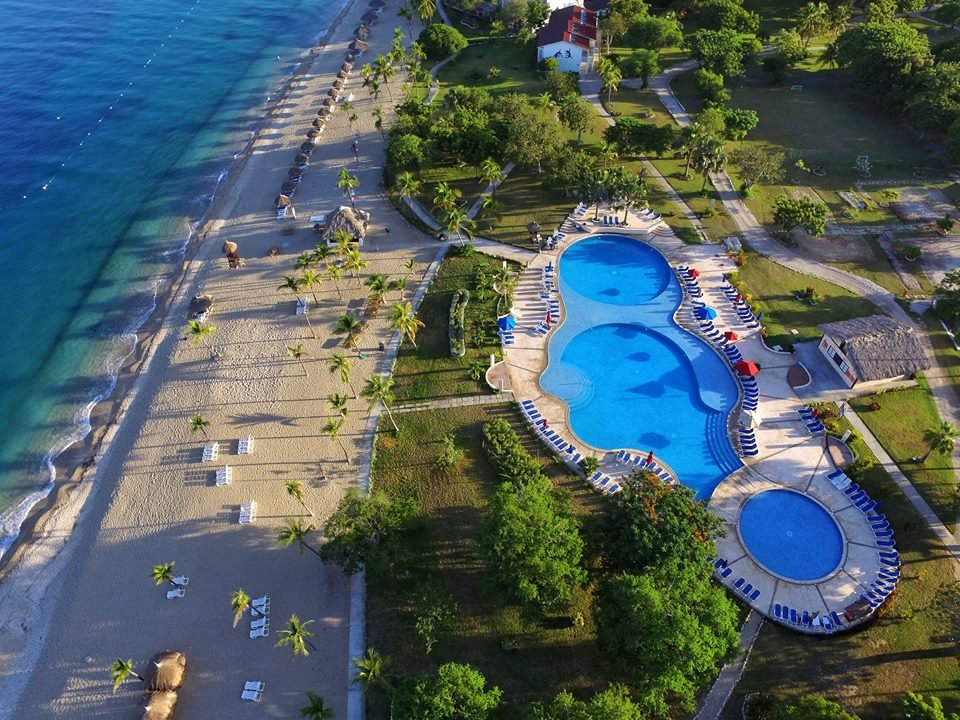
Haïti is blessed with spectacular natural landscapes, including white sand beaches, mountains and rich biodiversity.

Heritage

Heritage

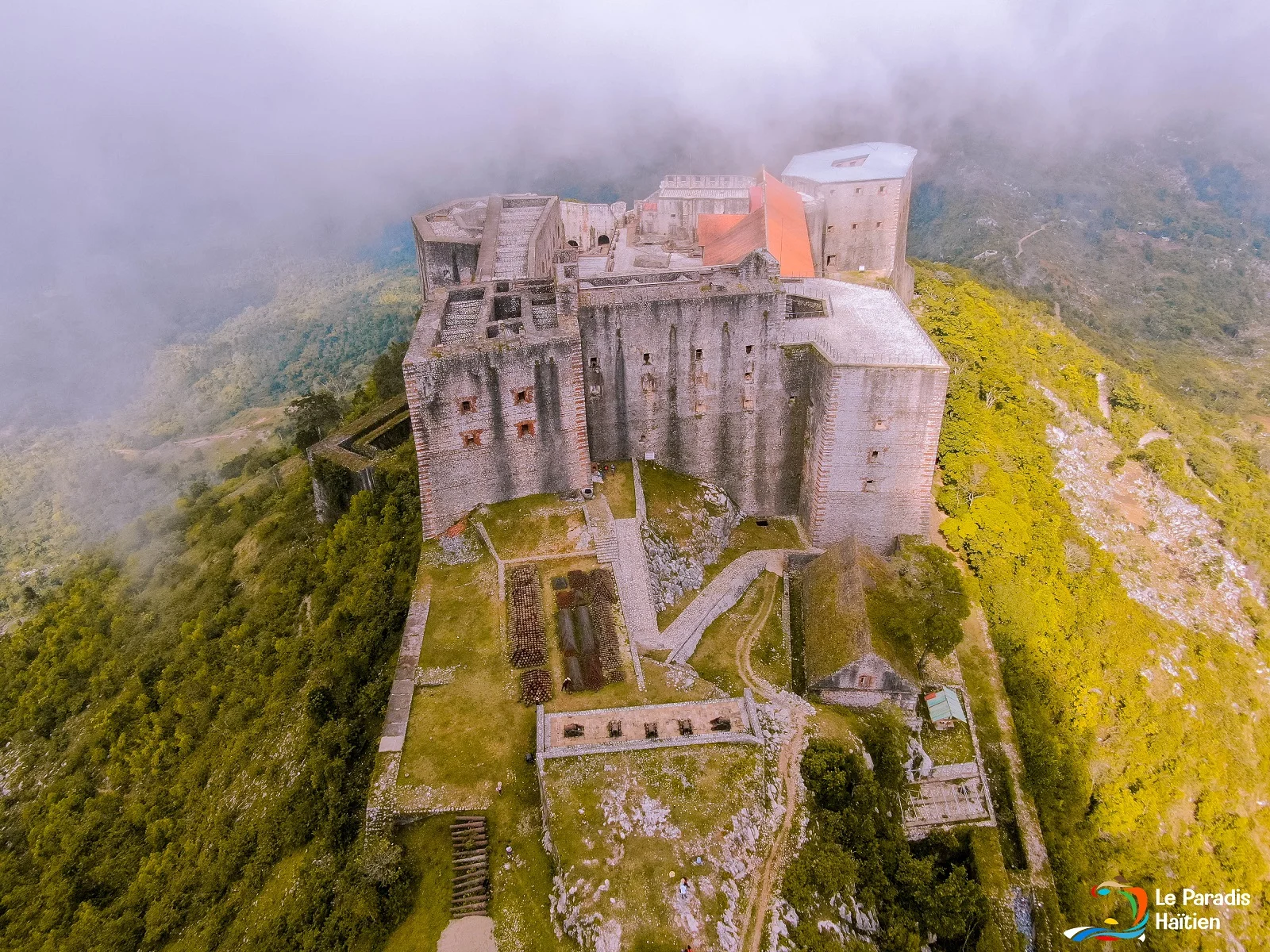
Haïti has a rich historical heritage, including sites like the Citadelle Laferrière and the Sans-Souci Palace, listed as UNESCO World Heritage Sites.

Culture

Culture

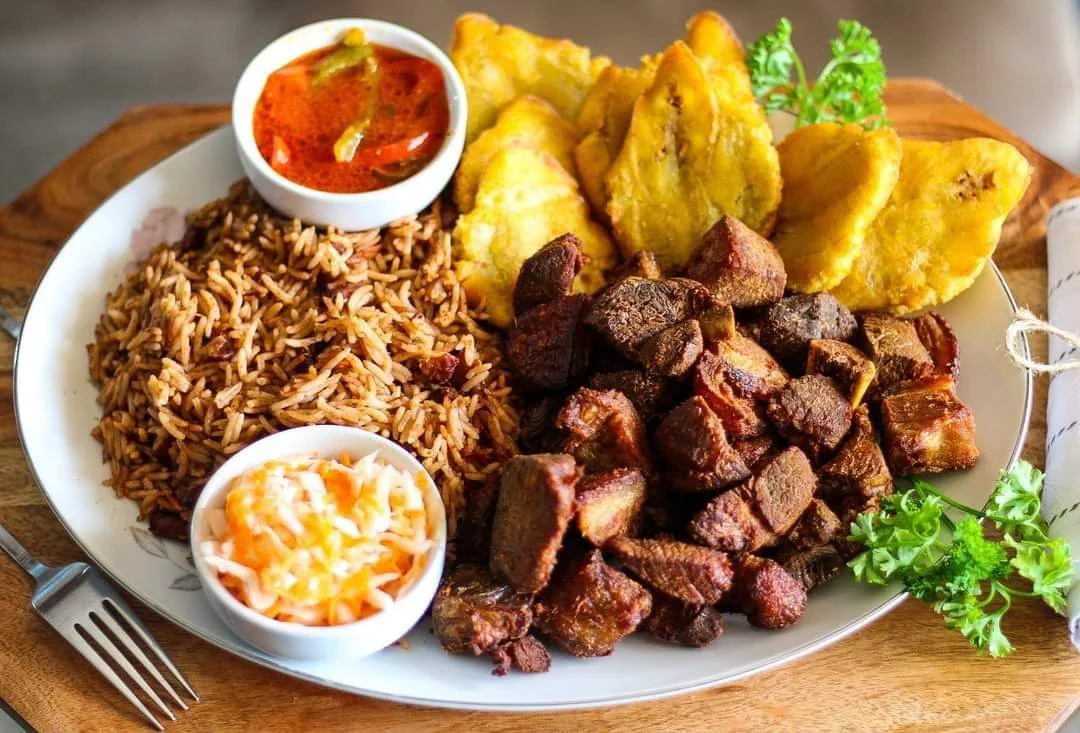
Haïti has a rich and diverse culture, influenced by African, European and indigenous elements. Haitian music, dance, art and cuisine are celebrated around the world.

  • +
    • Post