contact@haitiwonderland.com+509 36184317

Discover

Shopping Cart

The compas direct: an important part of Haitian identity
  • Music
  • July 03, 2024
  •     2

The compas direct: an important part of Haitian identity

La musique joue un rôle crucial dans la formation de l’identité d’une nation, en haïti, elle occupe une place centrale dans la vie de presque tous les haïtiens. Elle est utilisée comme étant l’un des moyens les plus fiables dont se sert le peuple haïtien pour s’évader face aux nombreux événements qui constituent l’essentiel de son quotidien. Le genre musical qui prédomine en haïti est le compas direct. Créer par l’esprit créatif haïtien, le compas à évoluer au fil des années pour aboutir jusqu’à sa position actuelle.

Music plays a crucial role in shaping the identity of a nation; in Haiti, it occupies a central place in the lives of almost all Haitians. It is used as one of the most reliable means used by the Haitian people to escape from the many events that constitute the majority of their daily lives.

The musical genre that predominates in Haïti is direct compass. Created by the Haitian creative spirit, the compass evolved over the years to reach its current position. Today we can say with certainty that it is a musical genre that transcends generations and borders, becoming a symbol of pride and an inspiring sign for Haitians around the world.

Compas
Compas
Compas

The compass a real instrument of social cohesion

The privileged place occupied by the compass allows it to be an omnipresent musical genre in Haitian society. It is found both in the most exclusive salons and in the neighborhoods most exposed to poverty. It manifests itself strongly in all religious cults (Protestants; Catholics; Vodouists); popular festivities, including political movements. It is also a means of celebration, protest, and above all, preservation of Haitian cultural identity in the face of the challenges of acculturation due to the strong exposure of young Haitians to dominant external cultures.

Compas
Compas
Compas

The origin of the direct compass.

The direct compass was born in the middle of the 20th century and then was popularized by Nemours Jean-Baptiste, a famous Haitian musician, internationally recognized and considered the father of the direct compass, it was he who launched the genre in 1955 with his orchestra musical.

Technically the compass is a mixture of Afro-Caribbean rhythms, meringue and African-American jazz influences, characterized by driving rhythms and bass lines. This fusion gave birth to a distinctive sound that quickly captured the hearts of Haitians and West Indians in general.

Compas
Compas
Compas

The influence of the compass in life in Haïti and within the Haitian diaspora.

The compass is not just a musical genre; it is a way of life for many Haitians. For the Haitian diaspora, the compass is a means of attachment to the country. It is an effective tool for combating exile and feeling in the middle of your culture just by listening to a piece of music.

The lyrics of compas songs most often reflect the social and political realities of the country and those of Haitians in the diaspora. We can cite as examples the works of ti manno, with his group dipi-exprès those of skacha #1, a group of internationally recognized compass, whose sounds recount the daily adventures of Haitians, the beauty of Haitian women and the joys of Haitians despite their difficulties. We can take "koupé klouré" as an example to conclude, Gesner Henry, his real name, is the greatest phenomenon of the compass. Listening to him we feel very clearly the intimacy of Haitians which is revealed in broad daylight, thus becoming a mirror of Haitian society. Generally speaking, compass artists are emblematic figures who inspire and mobilize in society. Their voice matters a lot.

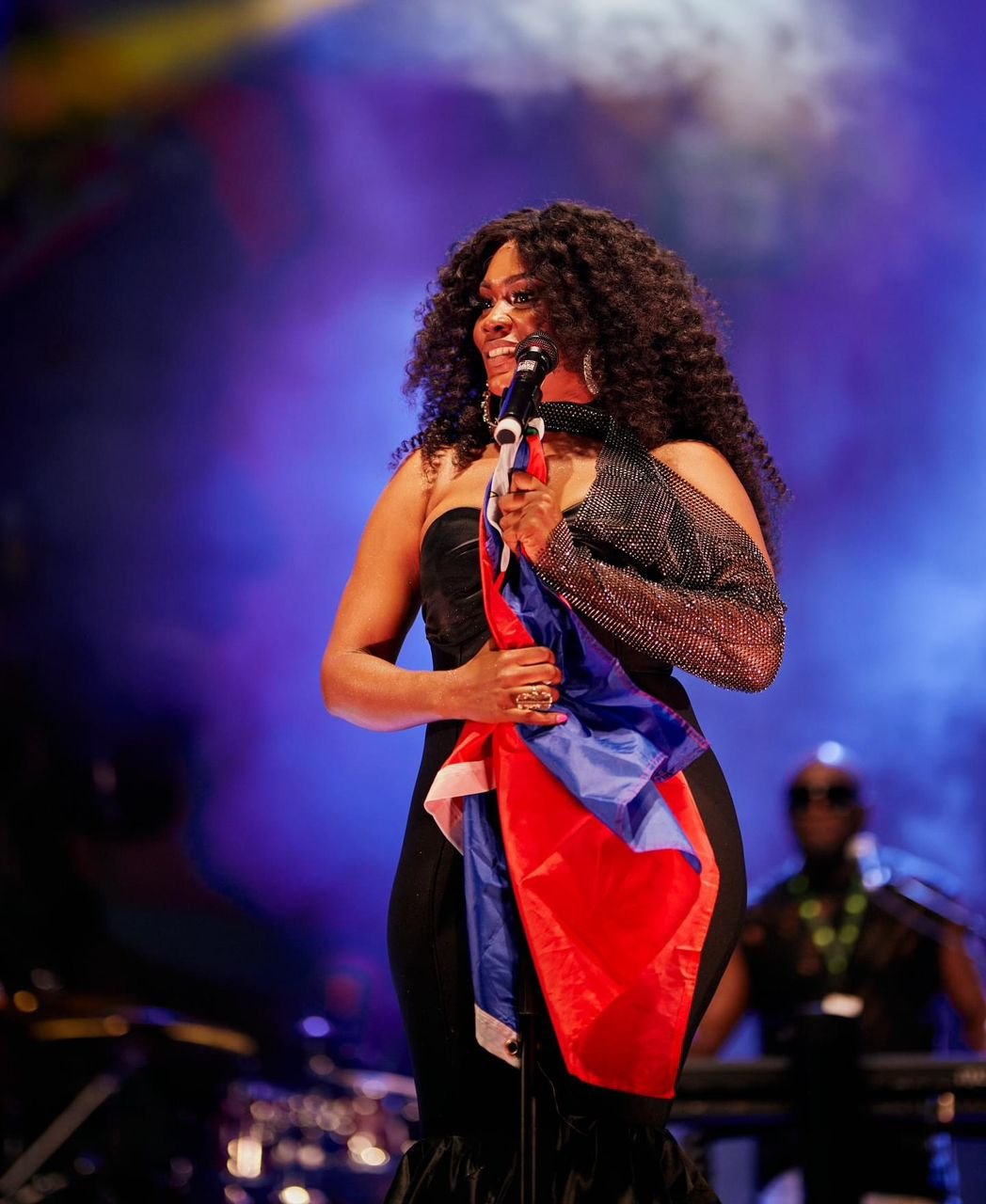
Rutshelle Guillaume and Blondedy Ferdinand Team Up to Launch RGGlow

Rutshelle Guillaume and Blondedy Ferdinand Team Up to Launch RGGlow

Elephant Haitian music and film icons Rutshelle Guillaume and Blondedy Ferdinand are adding another string to their bow with the launch of "RGGlow," a premium skincare brand. This unprecedented collaboration reflects their shared commitment to female empowerment and the celebration of beauty in all its diversity. Set to launch on December 12, 2024, the "RGGlow" line promises products designed to nourish, rejuvenate, and brighten the skin. Made with quality ingredients, "RGGlow" products aim to meet the specific needs of women looking for effective and elegant solutions for their beauty routine. The official launch will take place during an exclusive event at Blondedy Ferdinand Studio, starting at 5 p.m. The event will bring together celebrities, beauty professionals, and fans to celebrate this unique initiative. This is an anticipated moment that will mark the beginning of an ambitious and inspiring project. Beforehand, an exclusive live will be broadcast on December 11 at 7 p.m. on all platforms, allowing the general public to discover the behind the scenes of this entrepreneurial adventure. Rutshelle Guillaume and Blondedy Ferdinand will share the inspirations behind RGGlow, while revealing some secrets about the products that make up this range. This project represents much more than a simple cosmetics brand. RGGlow positions itself as a symbol of unity and determination, carried by two powerful and influential figures. Through this collaboration, Rutshelle and Blondedy wish not only to offer quality products, but also to convey a strong message: every woman deserves to feel beautiful, radiant and confident.

Compas
Compas
Compas

The evolution of the compass.

Since its creation, the compass has undergone numerous developments. In the 1970s and 1980s it went international with bands like Tabou Combo and Magnum Band who brought the genre to the world stage. In the 1990s and 2000s, Compass incorporated elements of electronic music, rap and reggae, while still retaining its roots. Today, the compass continues to reinvent itself, influencing and being influenced by other musical genres, while remaining true to its essence.
At first glance, the nemours compass is not that of zenglen, djakout, or even zafèm to cite the current group of superstars of the direct compass at the moment. It is a music reworked almost from top to bottom and whose most necessary tools and instruments have been reworked in order to be able to adapt to the demands of our time.

Compas
Compas
Compas

The compass at the origin of zouk

The impact of the direct compass on zouk and West Indian music in general is very considerable. And can only be measured on a multiple variation scale.
Departing from this significant impact, the Antilles remain favorable terrain for the development of the compass outside of Haiti. And it is practically from this influence that the greatest classics of West Indian music emerge.

In the 1980s, Guadeloupean and Martinican musicians, such as the founders of the group Kassav’, were inspired by the compass to create zouk. This new genre which had quickly gained popularity in the Caribbean, Africa and beyond, establishing a musical bridge between the West Indians and the rest of the world. Enriching the Caribbean musical heritage, by uniting all the West Indian peoples through a common musical history.
The compass can boast of being at the origin of West Indian zouk.

In other words, beyond the painful memories of slavery and the socio-economic challenges that characterize the West Indies, the direct compass from its great influence stands out as a unifying element which Haitians and West Indians use to create a common voice. It represents the resilience, creativity and joy of living of the Haitian people who refuse to stay on the ground.

In short, direct compass is much more than a musical genre; it is a reflection of the Haitian soul and a testimony to the cultural richness of the Antilles. It continues to evolve, and will continue to unite and inspire, affirming its central place in the identity of an entire region. And Haïti has the precious privilege of being at the origin of this highly impactful musical phenomenon. It is one of the elements which confirms the great cultural wealth of this beautiful little Caribbean country.

Share
About the Author
Moise Francois
Moise Francois
Moise Francois

Journalist editor, poet and apprentice lawyer.

See other articles from Moise Francois
François Dordy

Mwen ta renmen aprann plis sou kilti m avèk Wonderland.
Mèsi anpil pou gwo travay sa a.
Kenbe djanm.

November 01, 2024 - 06:40:10 AM
Allian Gentille

Felisitasyon!

May 18, 2026 - 07:57:17 AM
Leave a comment

Recently Posted

Newsletter

Subscribe to our newsletter to stay informed of all our activities and news on Haiti.

Haiti: Immerse yourself in the Serenity of Étang Bossier in Cayes-Jacmel

Located about an hour’s drive northeast of the bustling town of Jacmel, Étang Bossier emerges like a verdant gem from the heart of the hills, captivating the senses and offering an idyllic getaway for nature and adventure lovers. This natural sanctuary, anchored in the picturesque community of Bossier, is a premier destination for travelers seeking authentic discoveries and enchanting landscapes. With a generous surface area extending over 4 to 5 hectares, Étang Bossier stands majestically at an altitude of 600 meters in the 2nd section of the commune of Cayes-Jacmel, in Gaillard, surrounded by the magnificent sections of Ravine Normande , Cap Rouge and Michinot. This geographical diversity gives the place an incomparable ecological and landscape richness, inviting visitors to immerse themselves in the heart of lush nature. Beyond its natural charm, Étang Bossier is the cradle of community life rich in agricultural and pastoral traditions. The green fields resonate with local agricultural activities, with varied crops such as pistachio, congo pea, millet, and corn which bear witness to the ancestral know-how of the region’s inhabitants. Every Thursday, the local market comes alive with colors and flavors, offering a tempting range of fresh produce, robust livestock and of course, “pèpè” fish, a delight for fishing enthusiasts. However, behind this bucolic facade there are also challenges and needs. Despite the abundance of natural resources, many residents live in precarious conditions, highlighting the importance of sustainable support and development for the Bossier community and surrounding areas. For travelers looking for authentic and enriching experiences, Étang Bossier is an invitation to escape. By exploring its winding paths, being lulled by the song of birds and discovering the daily life of its welcoming inhabitants, visitors will have the unique opportunity to delve into the heart of Haitian culture and create unforgettable memories. During your next getaway to Cayes-Jacmel, let yourself be seduced by the magic of Étang Bossier. Whether for a day of adventure, a cultural immersion or simply a moment of relaxation in the middle of unspoiled nature, this hidden oasis promises you an extraordinary experience, imbued with authenticity and natural beauty. Come explore Étang Bossier and let yourself be enchanted by the simplicity and splendor of Haitian rural life.

Here are five compelling reasons why you should definitely visit Haiti’s beaches

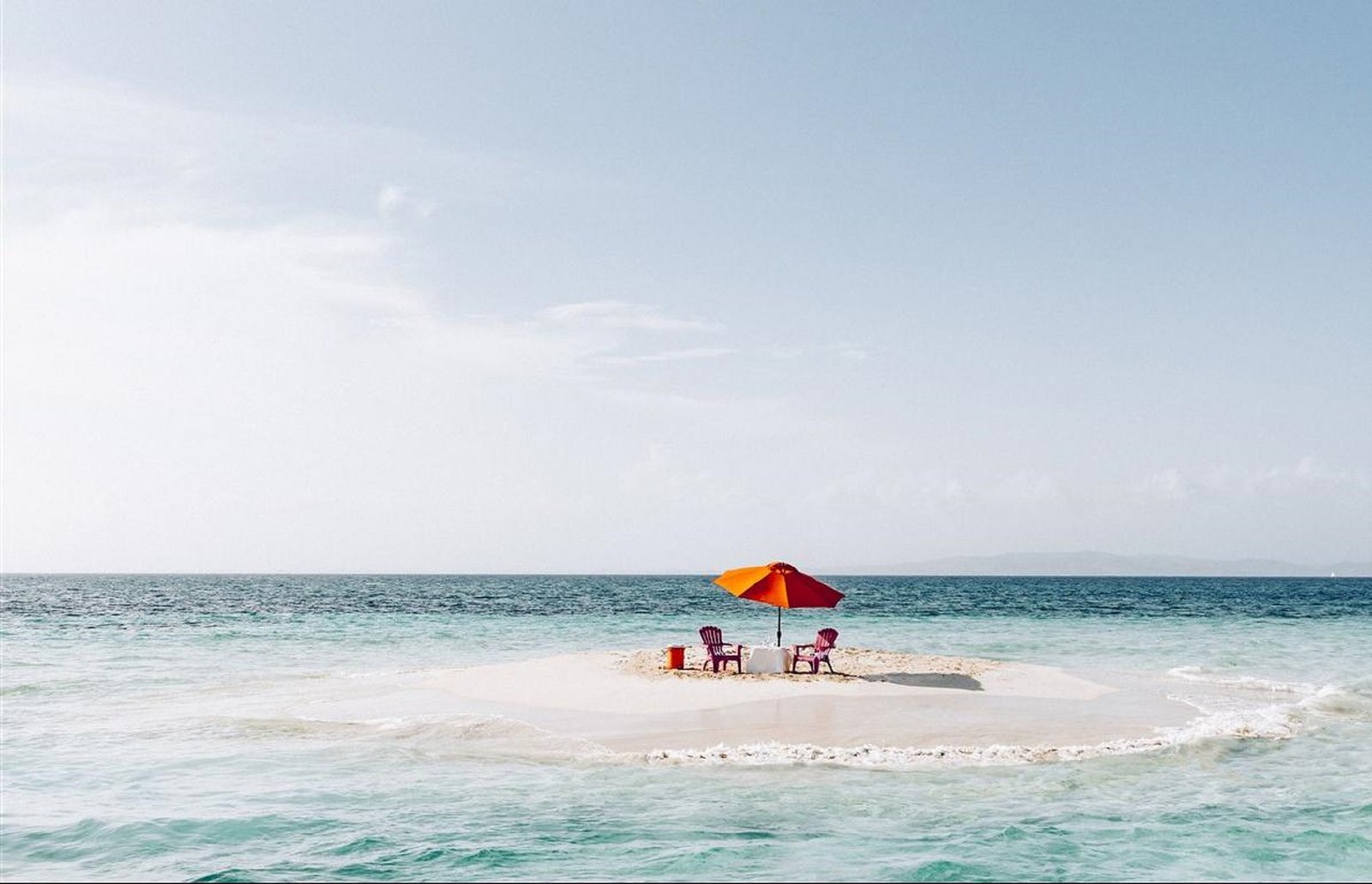
1- Abaka Bay (Île-à-Vache): Start your Haitian adventure with the magnificent Abaka Bay, recently named one of the most beautiful beaches in the world by CNN. Located on the enchanting island of Île à Vache, this bay offers a pristine white sand beach and calm Caribbean waters, framed by lush green hills. Abaka Bay Resort offers a truly exclusive and secluded experience, with bungalows located directly on the beach, offering panoramic views and direct access to the fine sand and crystal clear sea. The dining options are equally impressive, with one restaurant offering breathtaking ocean views and epic sunsets. To get to Île à Vache, simply take a 15-20 minute boat ride from Les Cayes, located off the southern coast of Haiti. 2- Île à Rat (Amiga Island): As soon as you set foot on Île à Rat (also known as Amiga Island), this little slice of paradise will steal your heart. Its smooth white sand beach immediately catches the eye, while gentle waves create a dreamy oasis against the pearly shore. Located in the turquoise waters off the coast of Plaine du Nord in northern Haiti, Île à Rat is a 1.8 hectare piece of white coral covered in a small wild forest. The island is a peaceful retreat, especially for couples looking for a serene getaway. To get to Île à Rat, you can take one of the many water taxis waiting in Labadee, a 30-minute drive from Cap-Haïtien. Keep in mind that the island is uninhabited, so it is important to bring everything you need for a comfortable stay, including drinking water. 3- Côtes des Arcadins: Nestled north of the bay of Port-au-Prince, Côtes des Arcadins stretches over 19 kilometers of white sand beaches lined with palm trees, making it one of the most popular seaside destinations from Haiti. The combination of the deep blue sea, mountains, mangrove forests and the coral reef formed by the Arcadins islets creates a breathtaking spectacle. It is also a great place for divers. To get there, follow the road north of the bay of Port-au-Prince. You will be amazed by the natural beauty of this region. 4- Plage de Gelée: This beach is one of the most popular thanks to its crystal clear waters and soft sand, all with a pastoral landscape in the background. If you are looking for a place to relax and soak up the sun, Gelée Beach is a great choice. 5- Jacmel Beach: Although swimming is not recommended here, Jacmel Beach is famous for its picturesque charm and artistic atmosphere. It is located in the historic town of Jacmel, known for its lively carnival and colorful houses. Explore the beach, admire the architecture and soak up Haitian culture. Don’t forget your swimsuit and sunscreen, and enjoy these hidden treasures of Haiti! 🏖️☀️

Recently Posted

History

History

First black nation to free itself from slavery and gain independence from France in 1804 and influenced other liberation movements around the world, inspiring struggles for freedom and equality.

Natural beauty

Natural beauty

Haïti is blessed with spectacular natural landscapes, including white sand beaches, mountains and rich biodiversity.

Heritage

Heritage

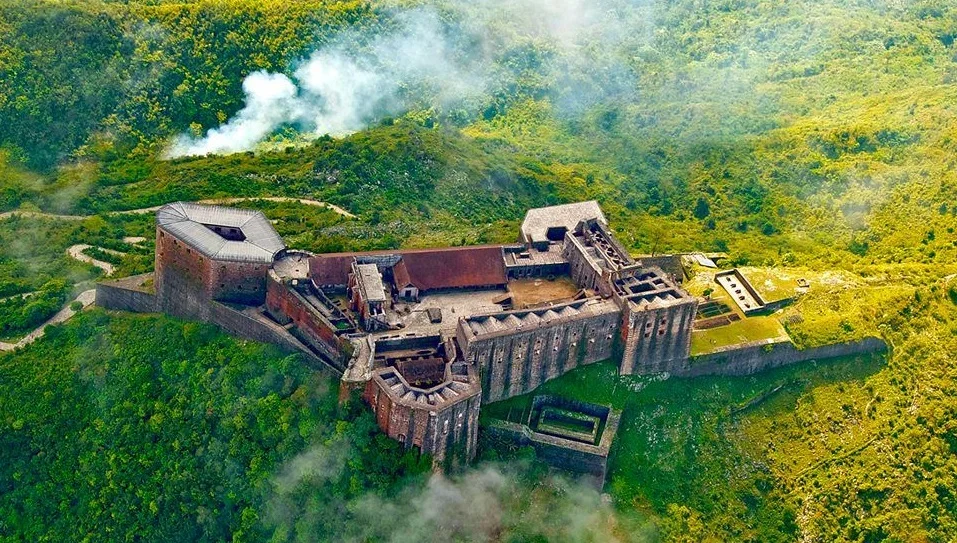
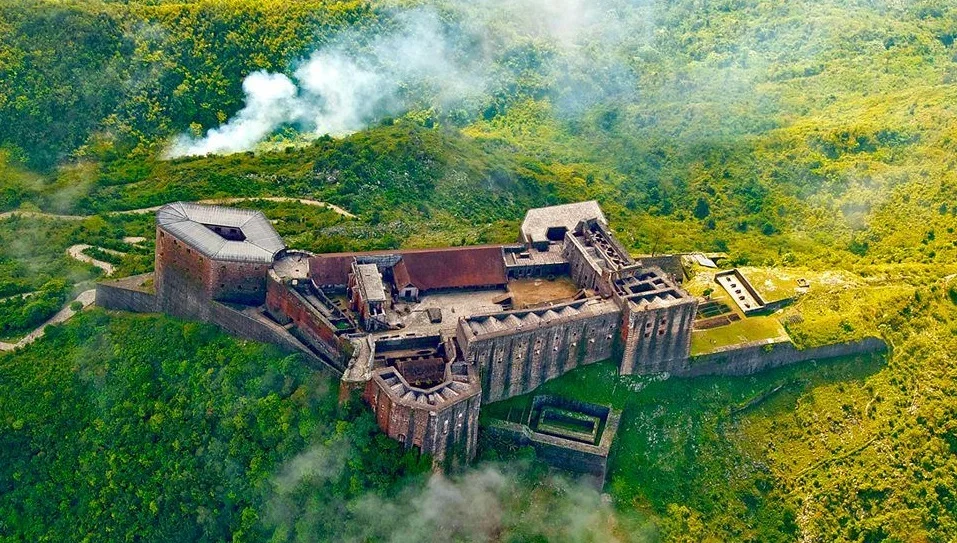
Haïti has a rich historical heritage, including sites like the Citadelle Laferrière and the Sans-Souci Palace, listed as UNESCO World Heritage Sites.

Culture

Culture

Haïti has a rich and diverse culture, influenced by African, European and indigenous elements. Haitian music, dance, art and cuisine are celebrated around the world.

  • +
    • Post