contact@haitiwonderland.com+509 36184317

Discover

Shopping Cart

Haiti, the Caribbean country with a rich and unmatched history

Haiti, the Caribbean country with a rich and unmatched history

Haïti is this small Caribbean country whose almost entire history is made up of great atrocities and a more than fabulous feat that a group of men had to accomplish for their own survival. The country was born at the heart of a story of resistance, of great importance and unparalleled in certain aspects, which can be proudly told to the rest of the world.

Haiti’s history is capable of awakening in any man, strong feelings against any form of injustice, with the power to inspire the revolt of the weakest against any criminal tendency of injustice. In this regard, it would be appropriate to consider Haïti as a great country, given the richness of its history. Although the country has gone through difficult times at certain points in its past and has a present with dark spots in some of its areas, it remains, nonetheless, the country of Toussaint Louverture, Jean-Jacques Dessalines, Henri Christophe, and Alexandre Pétion (father of Pan-Americanism). And above all, a country with a rich history, capable of competing with the richest histories of the world.

Haïti
Haïti
Haïti

The arrival of Christopher Columbus

The arrival of Christopher Columbus on the island of Hispaniola coincided with the landing of barbarism and genocide in the lives of the essentially peaceful indigenous peoples who populated the American continent before 1492. The brutal reign of the French colonists, after the Treaty of Ryswick in 1697, which ceded the western part of Hispaniola to them, is a notable black mark in this part of Haiti’s history. For the French colonists are largely responsible for the transatlantic slave trade. They were the first to decide to go to Africa, seize the Blacks, and bring them to the slave fields of Saint-Domingue. These fields, places of torment for the minds of the Blacks of that era, were where the most abominable atrocities prevailed everywhere, in everything. It is also important to note that the indigenous peoples, unable to withstand the inhuman barbarism of slavery, were the first victims of this evil system. It was to replace them that the Blacks were brought to the American continent, as they had suffered a genocide perpetrated by the European colonists.

Haïti
Haïti
Haïti

The resistance of Toussaint and the triumph of Dessalines

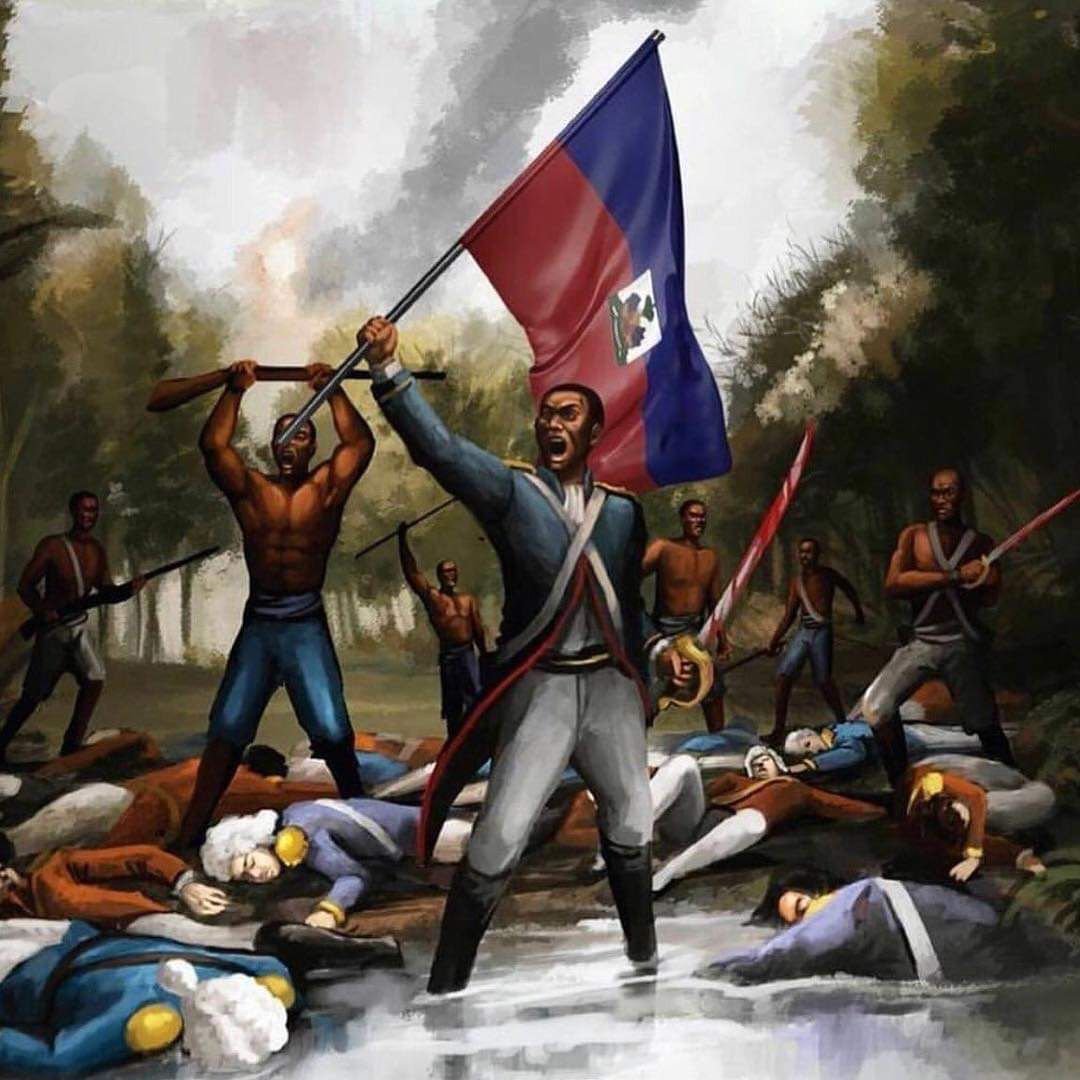
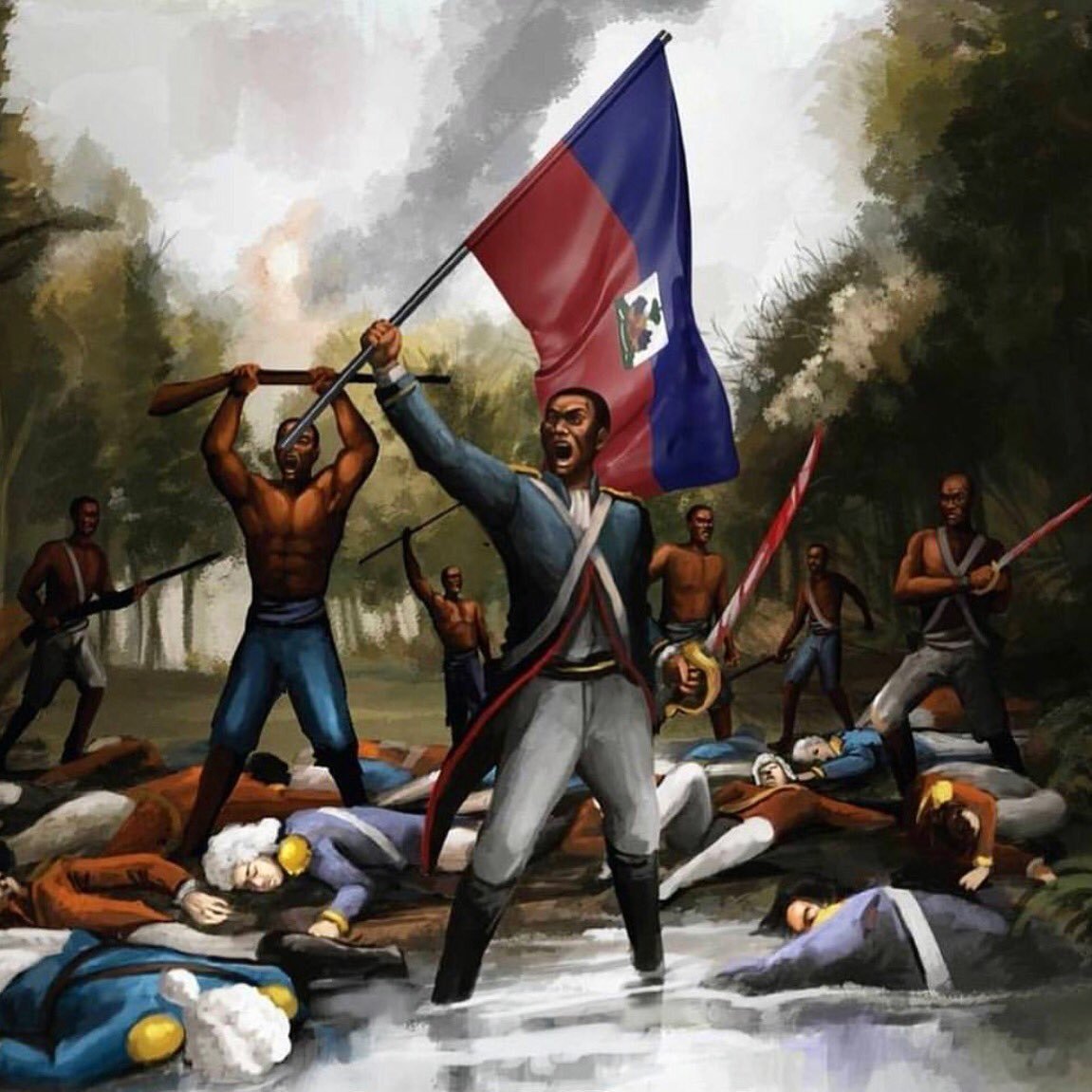
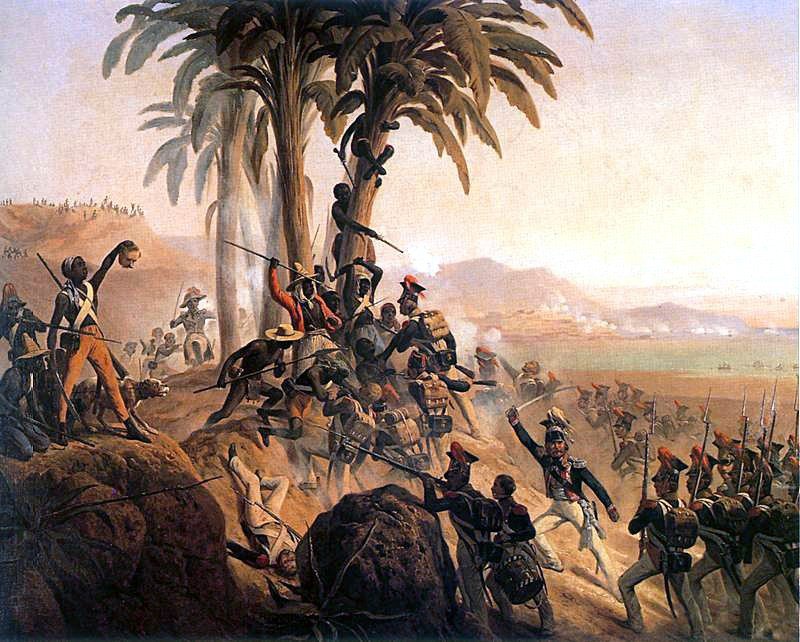
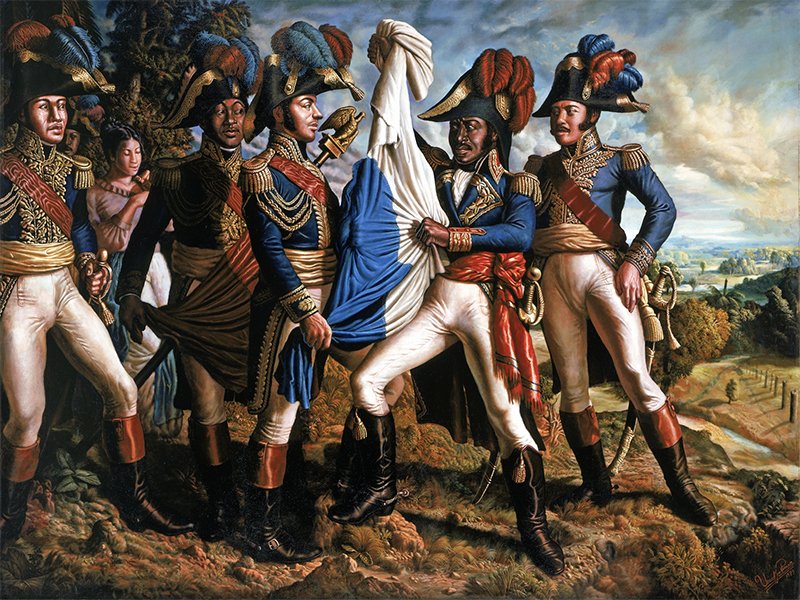
The Haitian Revolution, culminating in the glorious victory of 1804, saw important leaders at its helm. Among them, we can mention Makandal and Bookman. But the genius of Toussaint Louverture, combined with the success of Dessalines, crowned these great names in the most beautiful way. Indeed, although Toussaint Louverture died in France before the Haitian victory of 1804, he was the precursor of the Haitian Revolution, remaining a name the world associates with military genius. Dessalines, for his part, completed Toussaint’s legacy with his charisma, leadership, and pragmatism, leading the triumph of freedom and life in Saint-Domingue. He carried the flame of liberty to lands where the blood of the Blacks had historically flowed, where barbarism and the dirtiest depravity humanity had ever known over such a long period took root. This refers to the 400 years of slavery perpetrated by a race of men at the expense of another part of humanity, which resembles it despite some small nuances of difference.
Haïti, a rich and impoverished country

Haïti, a rich and impoverished country

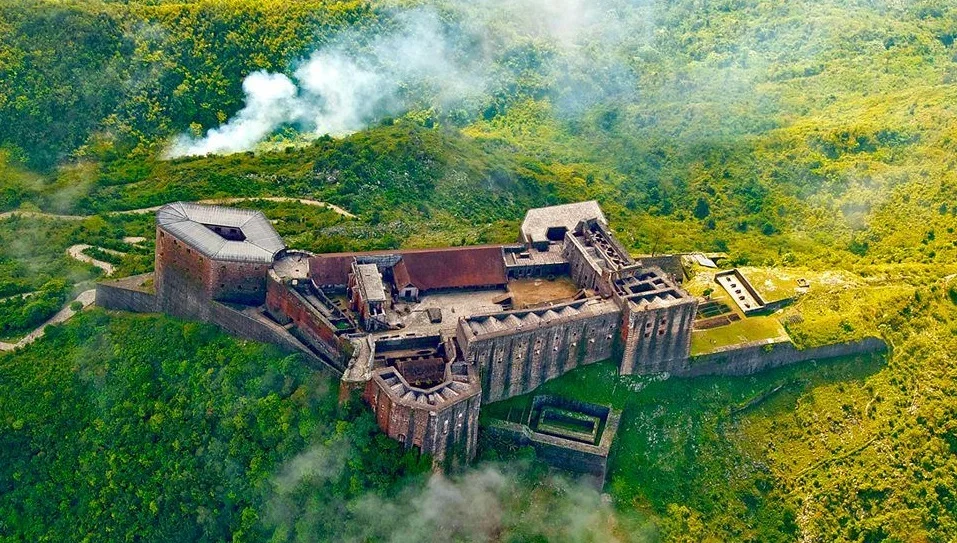
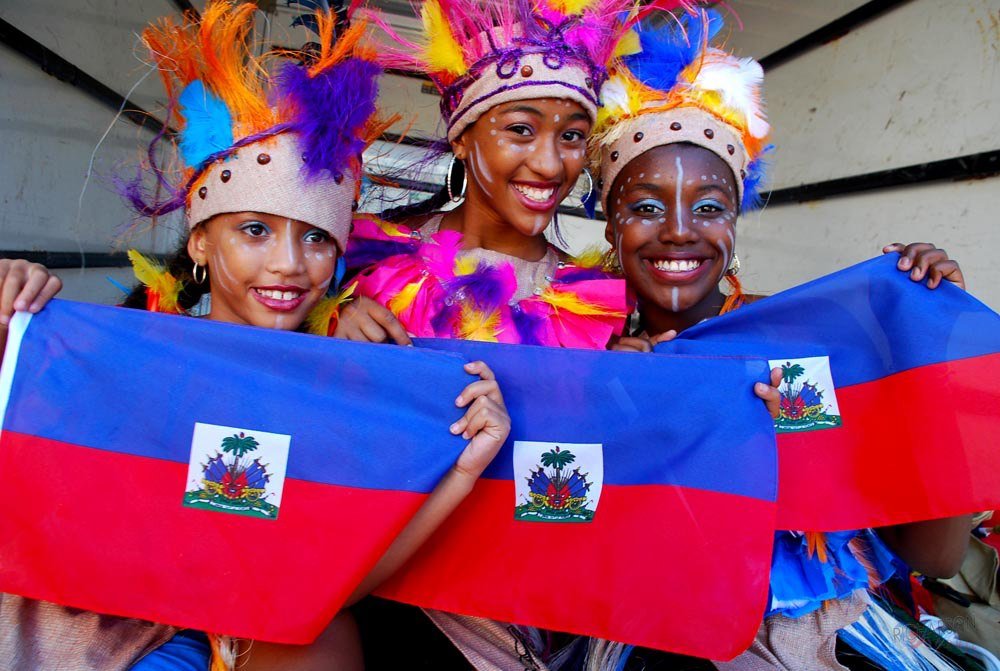
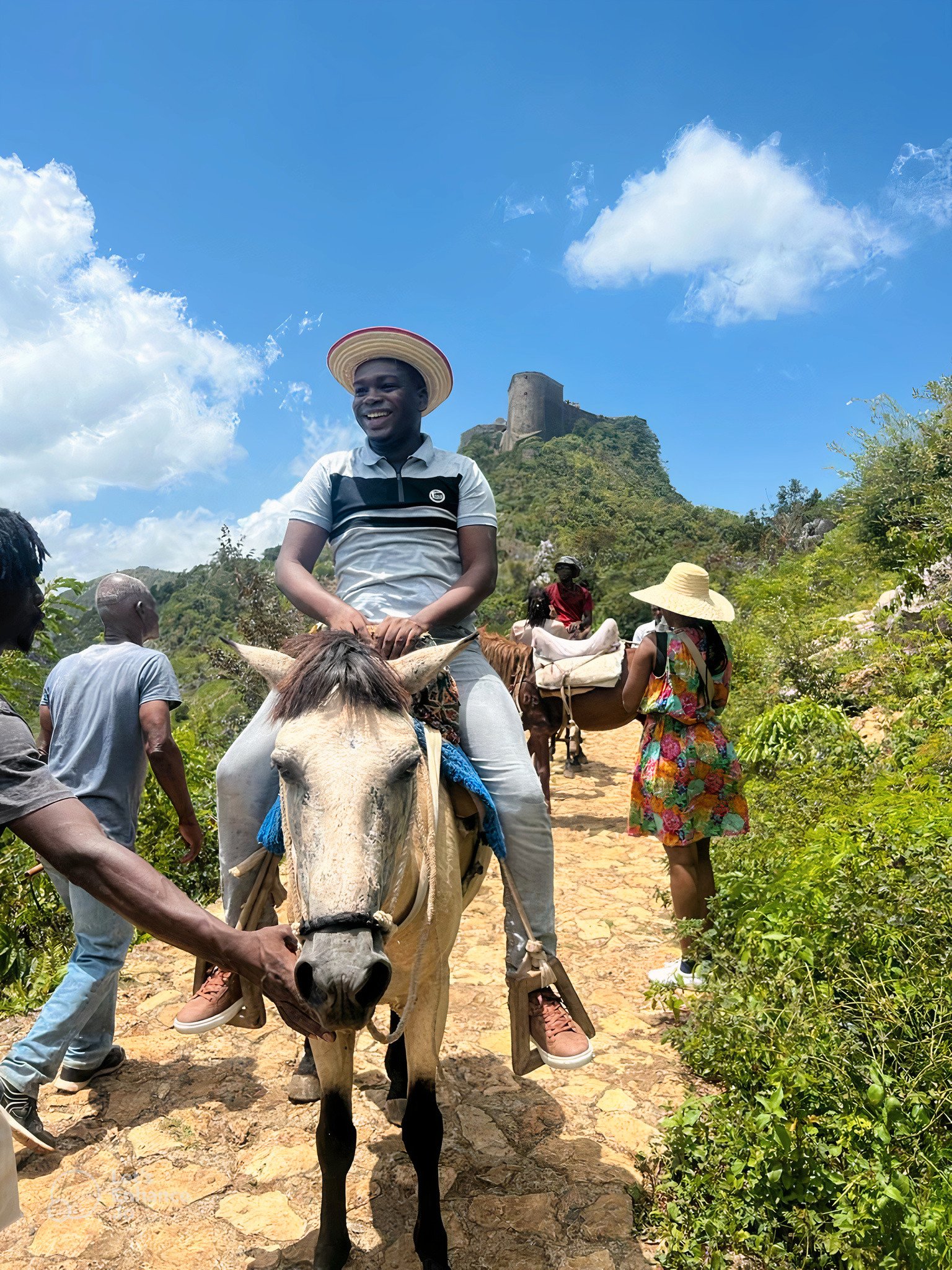
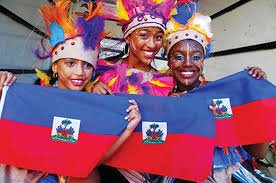
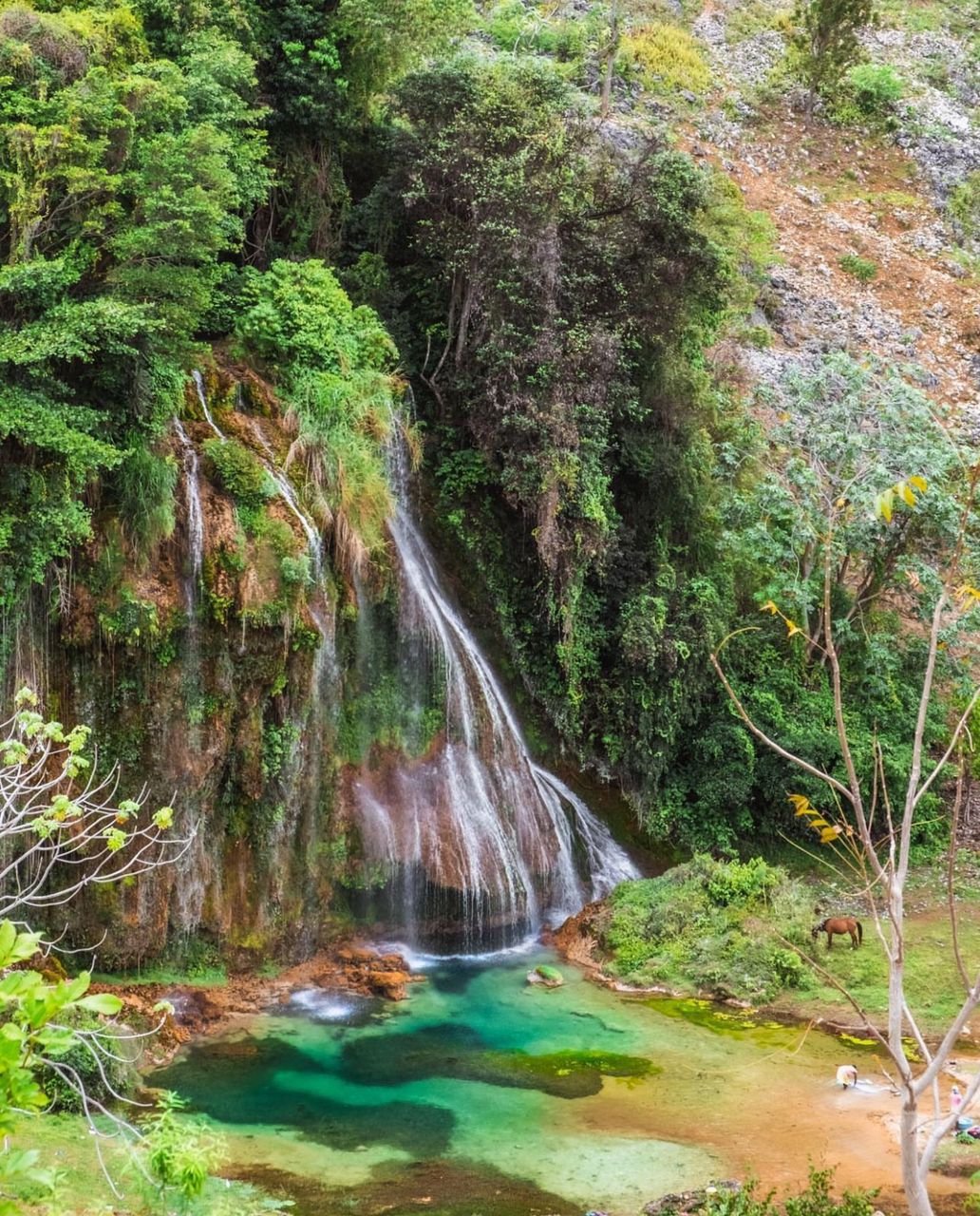
Located in the western part of the island of Hispaniola, Haïti is a land imbued with natural, cultural and historical wealth. Unfortunately, behind the beauty of its landscapes, the richness of its culture and the delicacy of its cuisine lies a complex reality marked by the debt of its independence and the persistent interference of third countries, casting a shadow over its stability. b~The Natural Beauty of Haïti~b Haïti, nicknamed the "Pearl of the Antilles", dazzles with the diversity of its landscapes. From majestic mountains and lush valleys to meandering rivers and sandy beaches, the country offers natural beauty worth celebrating. The famous Citadelle Laferrière mountains and the refreshing waterfalls of Bassin-Bleu are just a few examples of the splendor that characterizes this nation. b~A Rich and Diverse Culture~b Haïti stands out for its vibrant and diverse culture. A heritage of African, French and indigenous influence, Haïtian music, dance and art reflect a unique fusion. Colorful festivals, like Carnival, are celebrations of this cultural richness, attracting visitors from all over the world. b~Delicious Cuisine~b Haïtian cuisine, tasty and spicy, is another aspect worth celebrating. Dishes like griot, sticky rice, and the legendary joumou soup, traditionally prepared to commemorate independence, are all culinary delights that demonstrate the country’s gastronomic ingenuity. b~Heritage Treasures and Paradise Beaches~b Haïti’s heritage treasures, such as the remains of the Sans-Souci Palace and the Citadelle Laferrière, listed as UNESCO World Heritage Sites, are testimonies to the architectural grandeur of Haïti’s past. At the same time, beaches like Labadee and Jacmel offer havens of peace with crystal clear waters, attracting travelers in search of a tropical paradise. b~A Fascinating Story~b The history of Haïti is both fascinating and tragic. It was the first country in the Americas to gain its independence, in 1804, after a courageous slave revolt. However, this independence came with a heavy financial price. France demanded exorbitant compensation, thus laying the foundations for Haïti’s foreign debt. b~The Debt of Independence and Foreign Interference~b Despite these treasures, Haïti struggles with the reality of its independence debt. After gaining its freedom, the country was forced to pay France a considerable sum in compensation for losses associated with the abolition of slavery. This debt has been a major economic burden for Haïti, hindering its development. Additionally, foreign interference continues to create significant challenges. External political and economic interventions have often contributed to the country’s instability, hindering its ability to build a sustainable future for its citizens. b~In conclusion~b Haïti remains a country of multiple riches, but its challenges persist. Despite its natural beauty, rich culture and fascinating history, the nation needs enlightened international support and lasting solutions to overcome the obstacles that stand in its way. Haïti’s wealth lies not only in its enchanting landscapes, but also in the potential of its people to be resilient and prosper despite persistent challenges.

The celebration of January 1, 1804

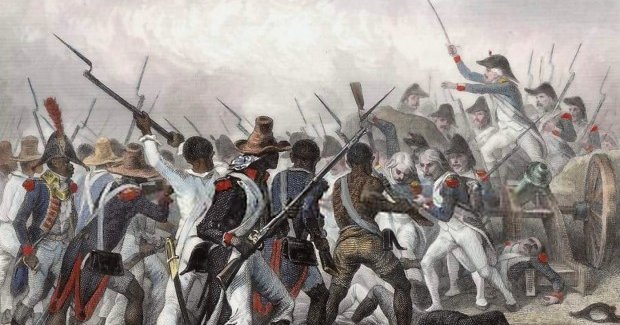
On the heels of the great triumph of Vertières, after decades of struggle, the enslaved masses, heavily trampled by the heavily armed chains that framed the barbarism of slavery, finally triumphed and freed themselves from their unparalleled suffering. Moreover, Dessalines, at their head, agreed to lend a hand to other countries in the region in their struggle for freedom. The help given by the first Haitian emperor to Miranda can testify to this. Furthermore, the Haitian Revolution remains the most complete of its time. It was the only one to be both anti-colonial, anti-racist, and bitterly opposed to the muddy shame of slavery. Not to mention the fact that Dessalines officially declared free every human being subjected to slavery who reached Haitian shores.

Share
About the Author
Moise Francois
Moise Francois
Moise Francois

Journalist editor, poet and apprentice lawyer.

See other articles from Moise Francois
Leave a comment

Recently Posted

Newsletter

Subscribe to our newsletter to stay informed of all our activities and news on Haiti.

Recently Posted

History

History

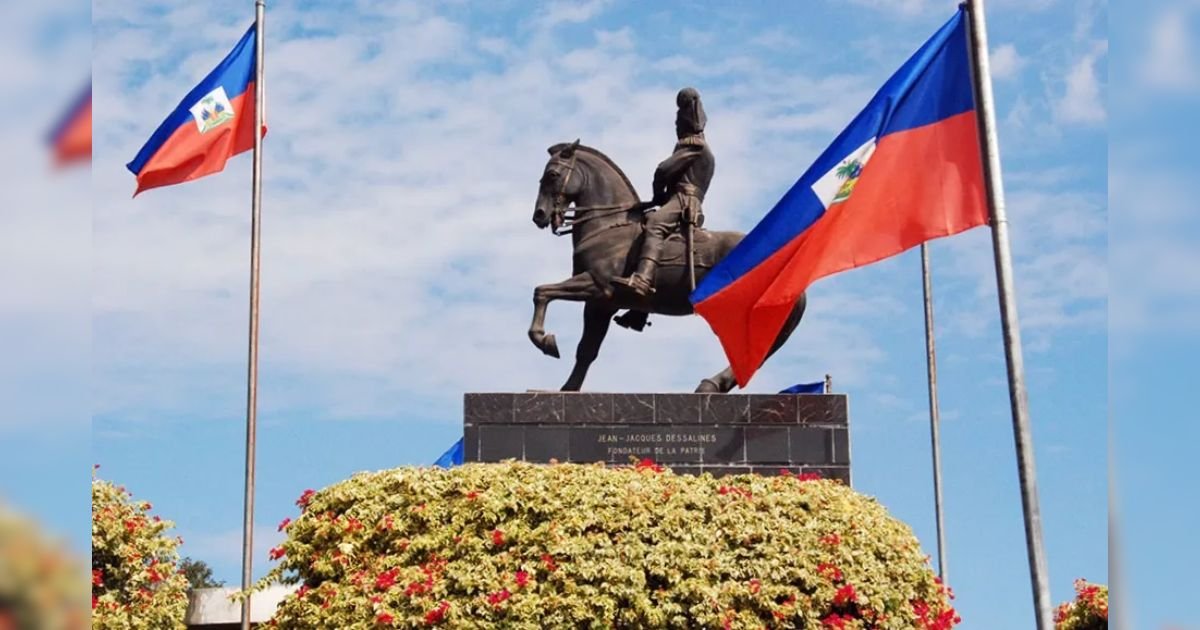
First black nation to free itself from slavery and gain independence from France in 1804 and influenced other liberation movements around the world, inspiring struggles for freedom and equality.

Natural beauty

Natural beauty

Haïti is blessed with spectacular natural landscapes, including white sand beaches, mountains and rich biodiversity.

Heritage

Heritage

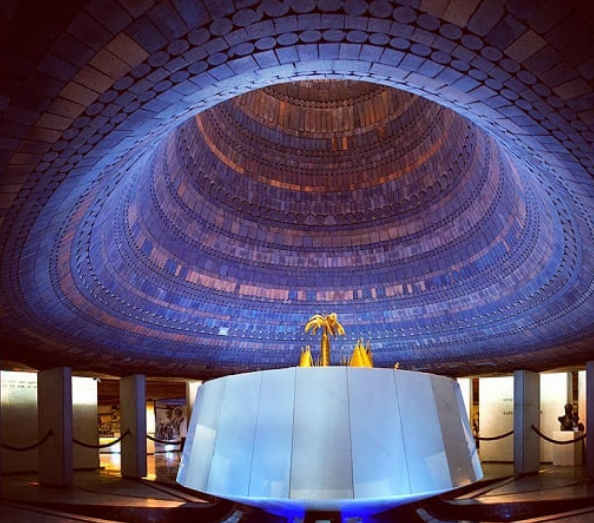
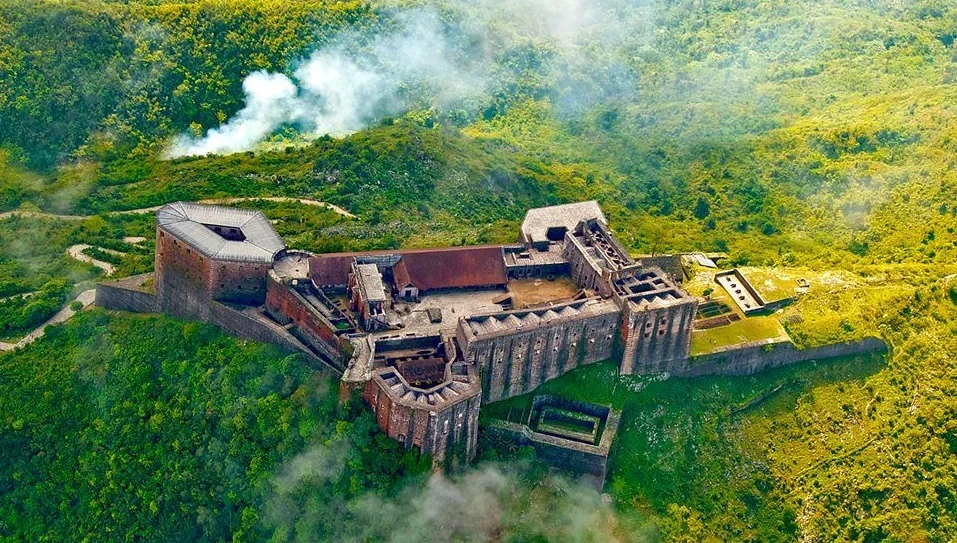
Haïti has a rich historical heritage, including sites like the Citadelle Laferrière and the Sans-Souci Palace, listed as UNESCO World Heritage Sites.

Culture

Culture

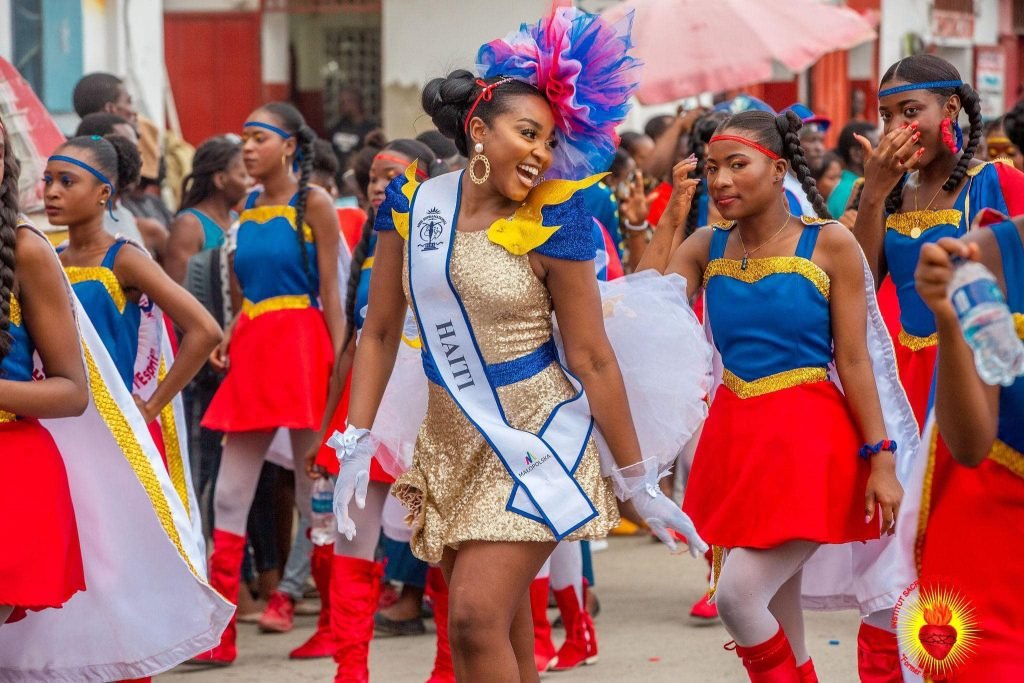
Haïti has a rich and diverse culture, influenced by African, European and indigenous elements. Haitian music, dance, art and cuisine are celebrated around the world.

  • +
    • Post