contact@haitiwonderland.com+509 36184317

Discover

Shopping Cart

7 Things to Know About Haiti

7 Things to Know About Haiti

Haïti is much more than a Caribbean island. It is a country rich in history, culture, gastronomy, and nature. Behind the challenges it has faced, Haïti shines with its unique heritage and major historical role. Here are seven fascinating facts that show why Haïti is a land of pride.

Haïti
Haïti
Haïti

1- First Free Black Nation in the World

Haïti entered world history on January 1, 1804, by becoming the first independent black republic and the second nation in the Americas to free itself from European colonization, after the United States. This feat was the result of the Haitian Revolution, a struggle led by African slaves under the leadership of leaders such as Toussaint Louverture, Jean-Jacques Dessalines, and Henri Christophe.

The Battle of Vertières, on November 18, 1803, was instrumental in this historic victory. This triumph upended the global colonial order and inspired other freedom struggles. Approximately 500,000 slaves were emancipated, making Haïti a global symbol of hope and social justice.

Today, this victory is celebrated every January 1st, not only as a national holiday, but also as a reminder of the resilience and determination of the Haitian people.

Haïti
Haïti
Haïti

2- A Nation Engaged in Other Independence Struggles

After gaining its independence, Haïti played a vital role in other freedom struggles. In 1815, Haitian President Alexandre Pétion supported Simon Bolivar in his quest to free several Latin American nations from Spanish colonial rule.

Haïti provided Bolivar with weapons, soldiers, and supplies. In return, Pétion asked him to abolish slavery in the countries he liberated, a condition that reflects Haiti’s humanist values. This gesture of solidarity is a testament to Haiti’s contribution to the global history of justice and human rights.

This international role also allowed Haïti to become a refuge for African-American and Caribbean communities seeking to escape oppression in the 19th century.

Haïti
Haïti
Haïti

3- A Cuisine Ranked Among the Best in the World

Haitian cuisine is a blend of African, French, Caribbean and Taíno traditions, offering a unique gastronomic experience. Iconic dishes such as djon djon rice (prepared with local black mushrooms), griot (marinated and fried pork) and soup joumou (squash soup) are not only delicious, but also deeply rooted in the country’s history and culture.

Soup joumou, which symbolizes freedom and independence, was inscribed as a UNESCO intangible cultural heritage in 2021. Every year, on January 1st, millions of Haitian families enjoy it to celebrate independence.

Haïti is also famous for its sweets such as dous makòs, the syrup candy and its traditional drinks such as crémas and akasan, which delight gourmands.

Haïti
Haïti
Haïti

4- A Rich and Diverse Culture

Haitian culture is a unique blend of African, European and indigenous influences. It is manifested in its dances, music, visual arts and oral traditions. The compas direct, a musical genre invented by Nemours Jean-Baptiste in 1955, is one of the country’s most precious legacies.

The Haitian Carnival, one of the largest cultural events in the Caribbean, is a vibrant celebration with colorful costumes, lively music, and spectacular parades. In addition, writers like Jacques Roumain and artists like Hector Hyppolite have placed Haïti on the world cultural map.

Haïti is also the land of voodoo, a spirituality that, despite prejudices, is recognized for its philosophical depth and importance in the daily lives of Haitians.

Haïti
Haïti
Haïti

5- A Historical Heritage Classified as a World Heritage Site

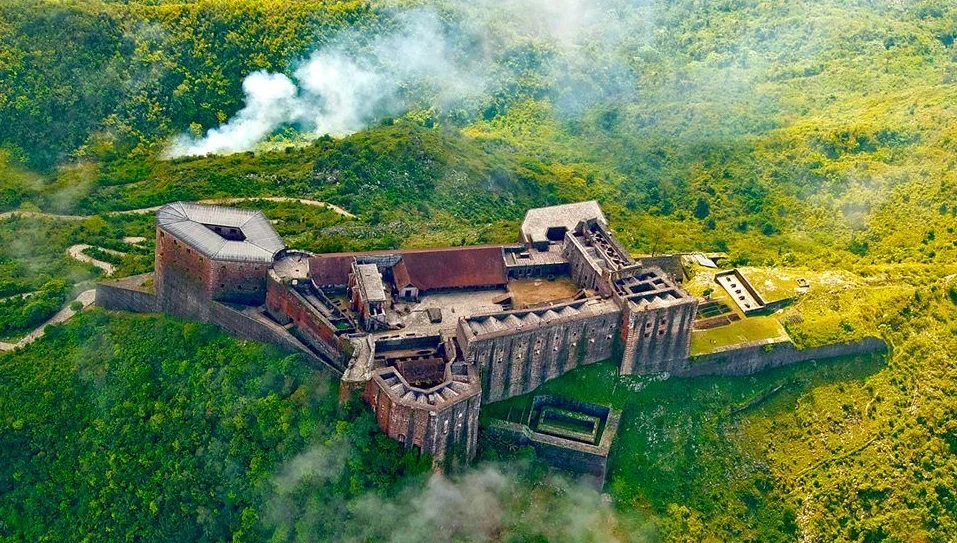
Haïti is home to historical monuments of global importance. The Citadelle Laferrière, the largest fortress in the Caribbean, was built to protect the young republic against a possible French invasion. Listed as a UNESCO World Heritage Site, it is a symbol of the Haitian people’s determination to preserve their freedom.

The Sans Souci Palace, the former royal residence of King Henri Christophe, and Les Ramiers, an archaeological site, also bear witness to the greatness and ingenuity of Haitians after independence. These places attract thousands of visitors each year and reinforce Haiti’s position as a cultural tourist destination.

Haïti
Haïti
Haïti

6- A Tropical Climate All Year Round

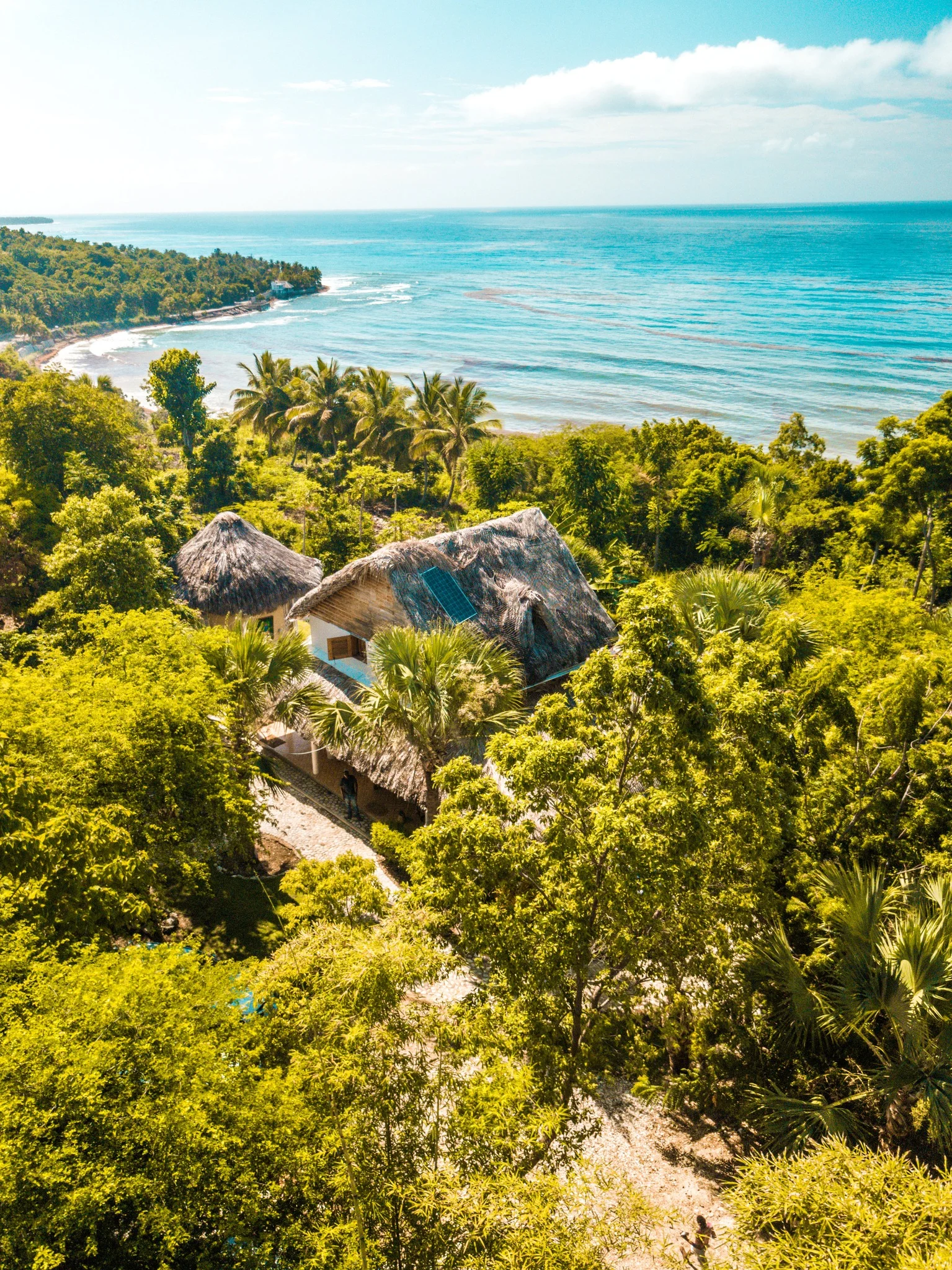
With an average temperature of 27°C, Haïti enjoys a tropical climate that attracts visitors from all over the world. Its white sand beaches, such as those of Labadie, and its turquoise waters offer a heavenly setting.

Aside from the beaches, natural sites such as the Bassin Bleu and the Saut-d’Eau waterfall are perfect for hiking and discovery enthusiasts. This sunny climate, combined with the country’s exceptional biodiversity, makes Haïti a dream destination for nature lovers.

Haïti
Haïti
Haïti

7- Invaluable Natural Resources

Haïti has enormous potential with natural resources such as gold, copper and bauxite. The country also exports agricultural products such as coffee, mango (of which it is one of the world’s leading producers) and cocoa.

These resources offer an opportunity for sustainable development. With reforestation projects and local initiatives to protect the environment, Haïti is focused on the responsible exploitation of its natural resources.

Haiti, Land of Wealth and Pride

Haiti, rich in its history, culture and nature, is a source of global inspiration. Behind the challenges, the country continues to reinvent itself and shine through its resilience and uniqueness. If you know other fascinating aspects of this exceptional land, share them in the comments to celebrate together the greatness of Haiti!

Share
About the Author
Appolon Guy Alain
Appolon Guy Alain
Appolon Guy Alain

Full Stack Developer, Créatif, expérimenté, passionné des nouvelles technologies et de l’art.

See other articles from Appolon Guy Alain
Leave a comment

Recently Posted

Newsletter

Subscribe to our newsletter to stay informed of all our activities and news on Haiti.

Holidays in Haiti

Haiti, the pearl of the Antilles, is a country rich in history and culture. Its public holidays are moments of celebration, commemoration and reflection on its glorious past. Each date has a special meaning, plunging Haitians into a festive and memorable atmosphere. b~January 1: National Independence Day and New Year~b January 1st is a doubly special day in Haiti. On the one hand, it is National Independence Day, commemorating the victory of Haitian slaves over French colonial forces in 1804. On the other hand, it is New Year’s Eve, marking the start of a new year full of promises and hopes. b~January 2: Feast of the Forefathers~b January 2 is dedicated to the memory of ancestors. It is an opportunity for Haitians to remember their roots, to celebrate the cultural heritage passed down from generation to generation. b~February: Carnival, Shrove Monday, Fat Tuesday, Ash Wednesday~b The month of February is marked by Carnival, one of the most colorful and dynamic festivities in Haiti. The streets fill with parades, lively music and wild dancing. Mardi Gras is the culmination of Carnival, followed by Ash Wednesday, marking the start of Lent. b~April: Easter, Maundy Thursday, Good Friday~b Easter celebrations in Haïti include the religious traditions of Maundy Thursday and Good Friday. It is a time of prayer and reflection for many Haitians. b~May 1: Agriculture and Labor Day~b May 1 is dedicated to celebrating the work and importance of agriculture in the life of the country. It is an opportunity to recognize the efforts of workers and to highlight the agricultural sector. b~May 18: Flag Festival~b Flag Day celebrates the Haitian flag, a symbol of independence and national pride. Haitians honor their colors and remember the courage of their ancestors in the fight for freedom. b~May 23: National Sovereignty Day~b This day commemorates the recognition of Haitian sovereignty by France in 1805. It is a moment of national pride and reaffirmation of independence. b~May - August: Ascension~b The Ascension is celebrated between May and August, a religious festival marking the ascension of Jesus Christ into heaven. b~June: Fête-Dieu~b Fête-Dieu, also known as the Feast of the Body and Blood of Christ, is an important religious celebration in June. b~August 15: Assumption of Mary~b The Assumption of Mary is a Christian holiday marking the ascension of the Virgin Mary into heaven. It is celebrated with fervor in Haiti. b~September 20: Birth Anniversary of Jean-Jacques Dessalines~b This date commemorates the birth of Jean-Jacques Dessalines, one of the founding fathers of Haïti and a key leader in the struggle for independence. b~October 17: Death of Dessalines~b October 17 is a day of commemoration of the death of Jean-Jacques Dessalines, recalling his impact on Haitian history. b~November 1: All Saints’ Day~b All Saints’ Day is a religious holiday honoring all saints, celebrated with prayers and visits to cemeteries. b~November 2: Day of the Dead~b All Souls’ Day is an opportunity to pay homage to the deceased by decorating graves and participating in religious ceremonies. b~November 18: Commemoration of the Battle of Vertières~b This day honors the decisive Haitian victory at the Battle of Vertières in 1803, marking the end of the French occupation. b~December 5: Discovery Day~b December 5 celebrates the discovery of the island by Christopher Columbus in 1492. b~December 25: Christmas~b Christmas celebrations in Haïti are marked by family reunions, festive meals and religious traditions. Public holidays in Haïti are much more than breaks from everyday life; these are moments that embody the soul and resilience of a people. Each celebration provides an opportunity to come together, remember the past and look to the future with hope and determination.

Haiti: Discover the Magic of the Pichon Waterfall in Belle-Anse: A Natural Treasure to Explore

Located in the heart of southeastern Haiti, the Pichon Waterfall emerges as a natural gem, providing a breathtaking experience for visitors seeking adventure and natural beauty. Nestled in the lush greenery of the Belle-Anse region, this majestic waterfall amazes with its imposing height and its crystal clear waters which cascade down the rocks with grace. The Pichon waterfall is much more than just a natural wonder; it is a place steeped in history and legends, captivating visitors with its mystical ambiance. According to local tradition, it would have been a gathering place for indigenous communities, testifying to the cultural richness of the region. For outdoor enthusiasts and adventure-seeking travelers, Pichon Waterfall offers a myriad of exciting activities. Scenic hikes through the surrounding jungle lead to spectacular viewpoints of the waterfall, offering unforgettable opportunities to take stunning photos. Additionally, travelers can refresh themselves in the crystal clear waters of the waterfall, letting themselves be enveloped by the revitalizing freshness of nature. The more adventurous can even venture to swim in the natural pools formed by the waterfall, creating lasting memories of their visit to Belle-Anse. As an emerging tourist destination, Pichon Waterfall also offers a unique opportunity to experience local culture and support surrounding communities. Visitors can explore the nearby picturesque villages, discover local crafts and taste delicious traditional Haitian cuisine. Whether you are a nature enthusiast, an adventure lover or simply in search of tranquility and beauty, the Pichon waterfall in Belle-Anse invites you to immerse yourself in a world of natural wonders and unforgettable discoveries. Come discover this hidden treasure and let yourself be seduced by the magic of the Pichon waterfall, an unforgettable experience in the heart of Haiti.

Conference / Festival Quatre Chemins / 21st edition

The impact of collective and individual trauma on the personal development of young people in Port-au-Prince While writers, actors, dancers, poets, among others, have gratified us with their performances, the master’s degree student in psychology at the Faculty of Human Sciences (FASCH), Lourdya Blaise, spoke with the audience about trauma. Structured around the theme "Youth and Trauma, analysis of the impact of collective and individual trauma on the personal development of young people living in Port-au-Prince between 2010-2024", this conference gave rise to enriching discussions. During this meeting, moderated by Michaël Formilus, Ms. Blaise showed how the events that have taken place in the country have caused cases of trauma among Haitians. According to the student, citing the American Psychological Association, we speak of trauma as a consequence of trauma. The latter is explained by the fact that we feel threatened, whether it is the person in question or their loved ones. However, she specifies that a collective trauma remains depending on the impact that the event has on the individual. To illustrate her remarks, she mentioned the earthquake of January 12, 2010, considered a collective trauma, insofar as it still occupies our minds. This tragedy reminds us of the disappearance of our loved ones and enormous losses. This is the case of a trauma that becomes a collective trauma. For the student, it should be emphasized that when an event occurs, some people are traumatized and others are not. According to him, the violence of armed gangs is not perceived in the same way, says Ms. Blaise. There are people who have fled their homes but are not traumatized. In fact, some people see traumatic situations as a passing event, she says. The speaker also spoke about collective trauma, which, according to him, preoccupies the mind, even if we no longer experience it. It manifests itself in several forms: lack of sleep, fear psychosis, intrusive thoughts, intense heartbeat, etc. Generally, symptoms related to trauma are hard to die. When it persists, it becomes acute stress. To deal with it, we must talk to other people. If the situation persists, acute stress turns into a phase of post-traumatic stress; in this case, we must confide in a trusted person or go see a mental health specialist, she advises. In her presentation, Lourdya Bazile also drew attention to the psychological state of children in these times. According to the presenter, children are also facing this crisis situation, even if they do not talk about it to their parents. As much as adults, children also plan their future. Faced with flouted school years, they become pensive and worried, she stressed. They withdraw. The child who used to be brilliant can become violent and perform less well at school. Parents are called upon to listen to them and understand them. A good moment of exchange, rich in practical advice. The audience participated fully. In turn, the presenter invites them to breathe better and meditate. "We live in a country where worries mix, we must take time for ourselves, do sports, eat well, make sure that the sleeping space is clean and take time for ourselves. There is more than one way to find calm," recalls the psychologist. Gertrude Jean-Louis

Recently Posted

History

History

First black nation to free itself from slavery and gain independence from France in 1804 and influenced other liberation movements around the world, inspiring struggles for freedom and equality.

Natural beauty

Natural beauty

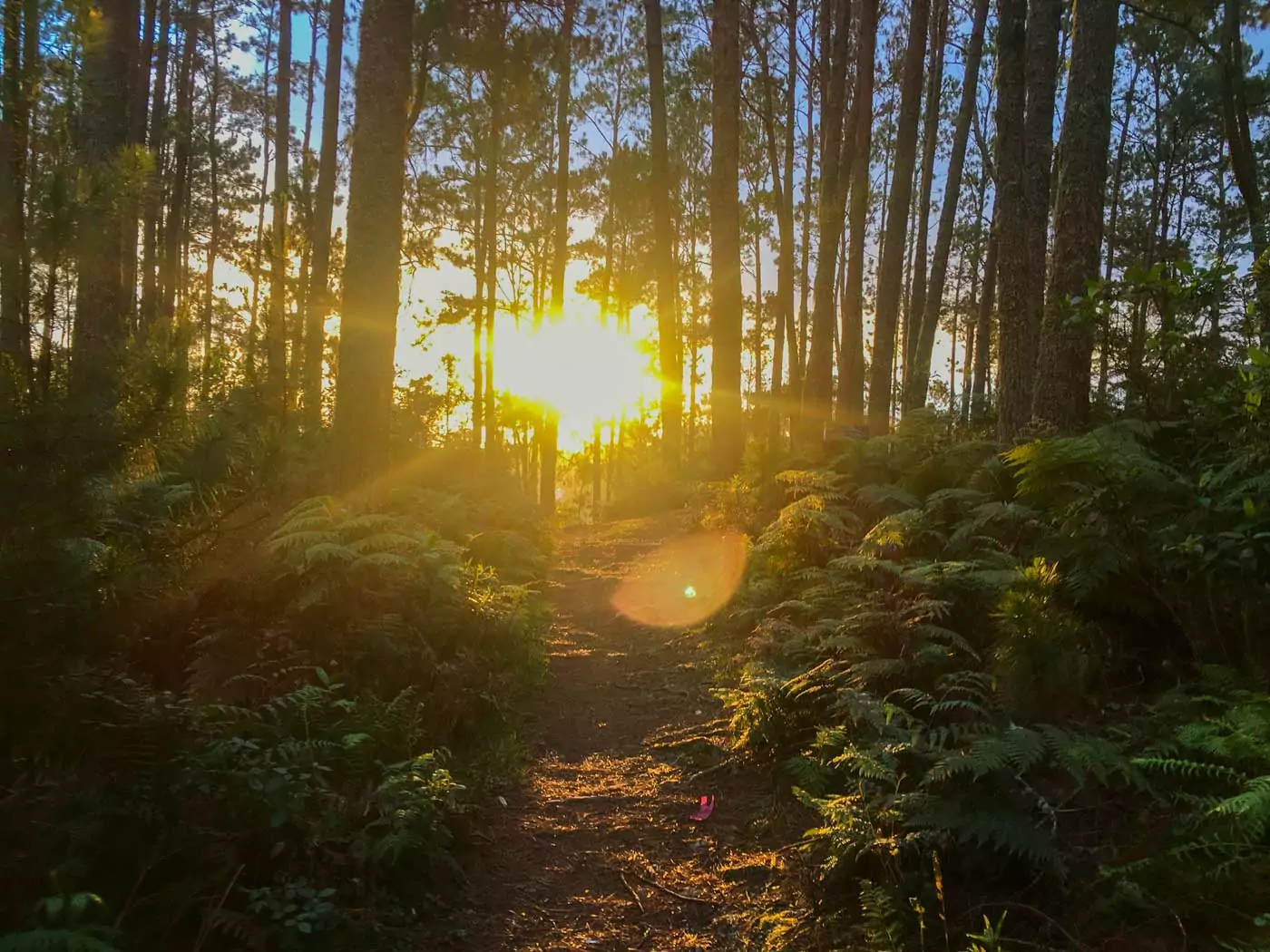
Haïti is blessed with spectacular natural landscapes, including white sand beaches, mountains and rich biodiversity.

Heritage

Heritage

Haïti has a rich historical heritage, including sites like the Citadelle Laferrière and the Sans-Souci Palace, listed as UNESCO World Heritage Sites.

Culture

Culture

Haïti has a rich and diverse culture, influenced by African, European and indigenous elements. Haitian music, dance, art and cuisine are celebrated around the world.

  • +
    • Post