contact@haitiwonderland.com+509 36184317

Discover

Shopping Cart

When Haiti’s talent and cultural wealth become one.

When Haiti’s talent and cultural wealth become one.

“Haïti and its incredible genius” is the great competition that the city of Lowell, Massachusetts, had the pleasure of hosting on October 5th. Organized by IVAP Haiti, an organization that, despite the many difficulties, remains faithful to its mission. IVAP firmly believes that the new Haïti is already written somewhere, and it is up to us, through our actions, to make it concrete and constantly highlight it. Hence the need to organize such a competition.

A competition hosted by promising talents

Under the enlightened animation of Ishtar Pady and Zachary Thermo, the event left a memorable mark. This atmosphere, both calm and solemn, highlighted civics, Haitian literature, the geography of Haiti, as well as its history, by opposing two brilliant young people: Bens Hervens Toussaint and Youry Darly Fleurissaint.

Inspiring conferences on the Haitian community

This moment of fraternity also allowed the presentation of various conferences, including that of Sabyne Denaud, who addressed the challenges and support provided to immigrants in the United States, Fatima Al-Muntafik, who discussed the educational benefits for immigrants in community colleges, and finally Marcna Pierre, who encouraged participants to pursue their dreams with determination, whatever the challenges encountered. All these interventions were born from love for Haïti and a deep knowledge of the subject.

A poignant speech on the situation in Haiti

Despite the distance, the winds of despair blowing over Haïti and the weight of poverty have not spared the CEO of IVAP Haiti, who continues to defend his country with vigor. In a speech tinged with anger and indignation, he stated: “Haïti is not a poor country, but a country that the great powers have destroyed, and where they continue to fuel unrest.” These words explain the duration of political instability and the inevitable flight of Haitian youth.

Haitian rhythms: Exploring musical and dance traditions

Haitian rhythms: Exploring musical and dance traditions

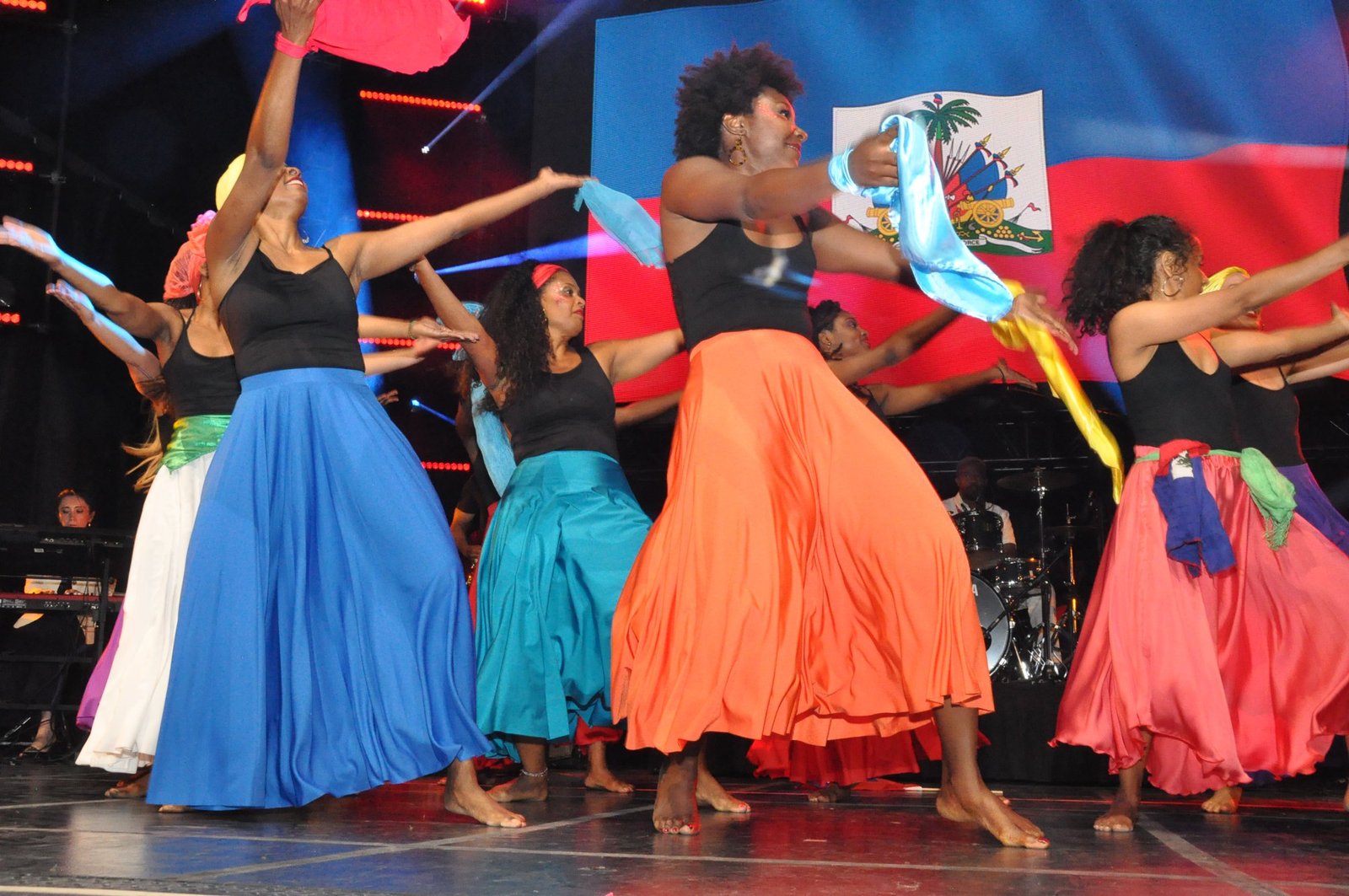
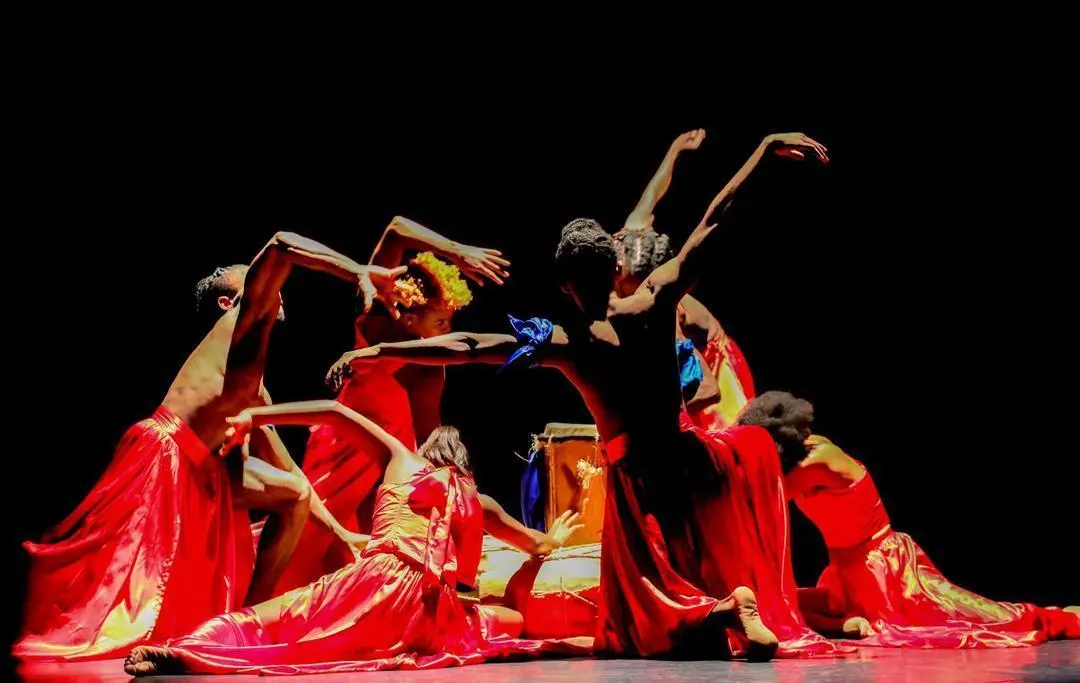
Haiti, a land rich in history and cultural diversity, offers a unique musical treasure through its captivating rhythms. Haitian music, deeply rooted in the fusion of different African, European and Caribbean influences, constitutes a vibrant expression of national identity. One of the distinctive elements of Haitian music is its rhythmic diversity, reflecting the many facets of daily life, from religious celebrations to moments of joy and sorrow. Haitian rhythms, carrying contagious energy, are a reflection of the soul of the Haitian people. One of Haiti’s most iconic musical genres is direct compas, which emerged in the 1950s. This catchy rhythm, coupled with captivating melodies, has captured hearts globally. The direct compass embodies the fusion of different musical styles, including jazz, merengue, and elements of traditional Haitian music. Haitian musical traditions are not limited to contemporary sounds. Vodou, an ancestral spiritual practice, also has a major influence on Haitian music. Vodou rhythms, often associated with religious ceremonies, create a deep connection between spirituality and artistic expression. Furthermore, dance is inseparable from Haitian music. The graceful and energetic movements of traditional dances like rasin, combined with captivating rhythms, transport dancers and spectators to a world where bodily expression becomes a living art form. Exploring the musical and dance traditions of Haïti is like diving into a universe where history, culture and spirituality are harmoniously woven together. These rhythms, passed down from generation to generation, are much more than simple notes; they embody the soul of a people and the richness of its diversity. Celebrating these traditions pays homage to Haiti’s exceptional cultural heritage and its invaluable contribution to the global music scene.

Louino Robillard calls on youth to hope

Louino Robillard, the guest of honor, also expressed his pride for Haiti, evoking its glorious past and calling on the young generation to pursue their dreams without ever giving up.

The grand finale took place under a temperate moon, in a friendly atmosphere that brought together several nations and reflected the diversity and richness of the Haitian diaspora. With the positive outcome of the competition, coordinator Ms. Peladja Menelas did not hide her satisfaction. She said she was proud of the finalists’ performances and the hard work of her team, which prompted IVAP Haïti founder Mr. Zachary Thermo to passionately declare: “We may be forced to leave Haiti, but we will never give up on our dreams.”

Youry Daly Fleurissin, the champion who inspires his community

Youry Daly Fleurissin, the genius who won the trophy, inspires hope and pride in his community. Despite the difficulties facing the Artibonite region, he persevered and, today, it is impossible to talk about him without mentioning his champion title. He worked hard for this award, and he deserved it.

Guédés: When Haïti celebrates its ancestors with color and fervor

Guédés: When Haïti celebrates its ancestors with color and fervor

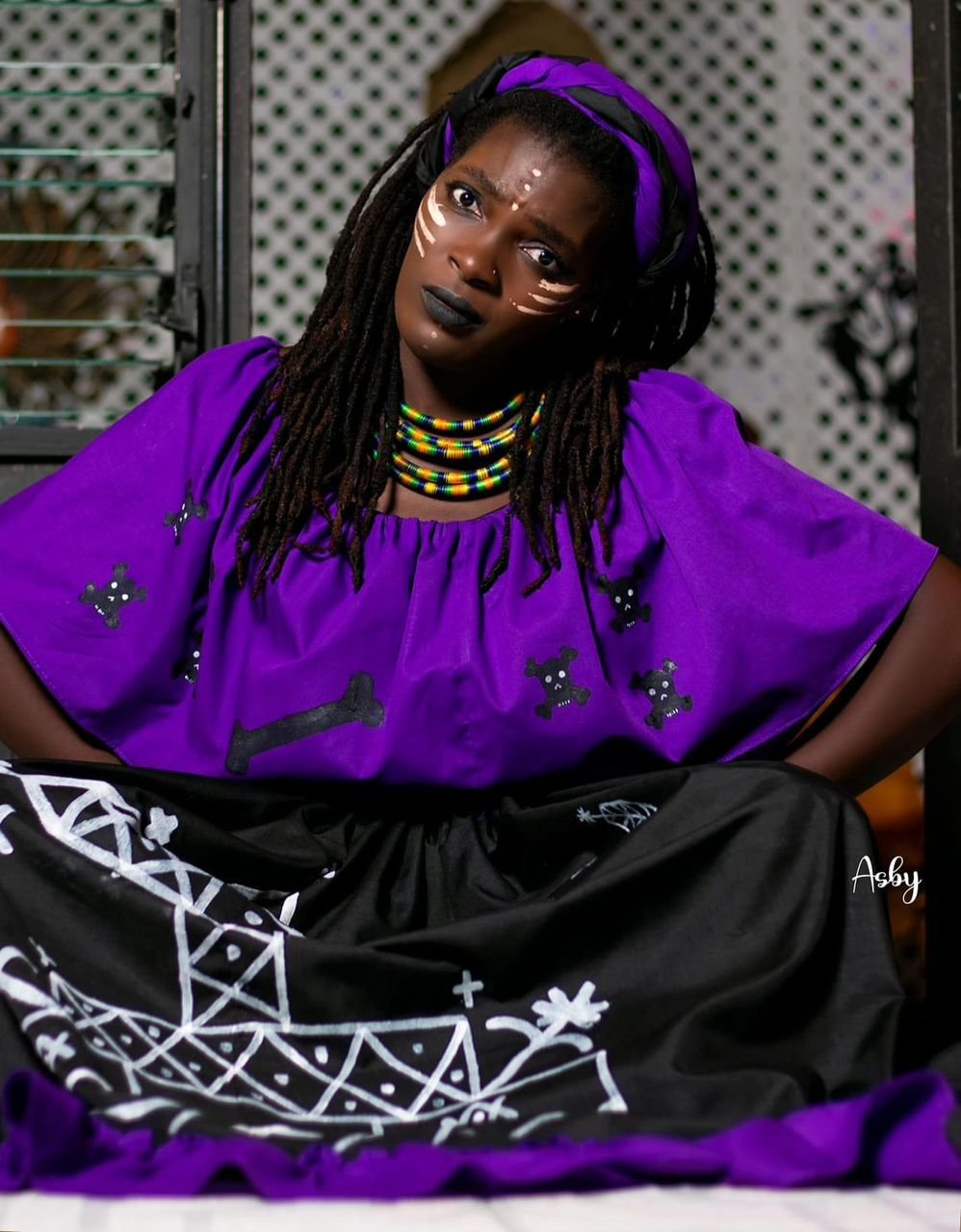
Every November 1st and 2nd, Haïti comes alive with the colors black and purple to celebrate the Guédés, spirits venerated in the voodoo religion, symbols of a powerful bond between the living and the dead. Fascinating, indomitable and provocative, the Guédés form a true family in the pantheon of Haitian voodoo, where they are respected for their role as spiritual guides of the deceased to the afterlife. Led by iconic figures such as the legendary Baron Samedi and his companion Grann Brigitte, the Guédés embody the paradoxes of life and death. Each Baron has a unique personality: Baron Cimetière, Baron Kriminel, and Baron La Croix are the guardians of the souls that wander on the borders of the world of the dead. Together, they form a powerful and somewhat frightening presence, but one that is deeply rooted in Haitian culture. The Guédés are not like other voodoo spirits; they demonstrate their fearlessness in a spectacular way. Accustomed to death, they are fearless and are provocative: they eat glass, raw peppers, and coat their sensitive parts with rum and pepper. These gestures mark their indifference to danger and remind us that they have already known earthly life. They are thus psychopomps – these beings who lead the souls of the dead – and act as bridges between the world of the living and that of the dead. Some Guédés, like Guédé Nibo, wear black, purple, and white clothing, each with unique characteristics. They are many and varied: Guédé Fouillé, Guédé Loraj, Papa Guédé, and many others. These are the spirits who, each year, remind Haitians of the importance of remembering and honoring the deceased. The cult of the Guédés is not only religious; it is also cultural and historical. According to tradition, their spiritual territory, or “Fètomè” – nicknamed the “Country without Hats” – is a place where the souls of ancestors reside. According to stories, the origins of this cult go back to the Abomey plateau, the ancient capital of the kingdom of Dahomey, in Africa, where death and life coexist in a form of symbiosis. This celebration in Haïti even finds echoes in ancient history. The Romans also honored their dead with the “Fête des Lémuria”, which took place in February, to ward off spirits and restore peace between the world of the living and that of the deceased. For Haitians, honoring the Guédés is about accepting death as a part of life and celebrating the invisible bonds that unite us with those who have left us. It is also a way of resisting, because life, despite its challenges, must be celebrated in all its complexity and depth.

Share
About the Author
Jose-Dentha DENOYER
Jose-Dentha DENOYER
Dessalines Toutânkhamon (Wolkens TIRONÉ)

Je tiens à féliciter le coordinateur Thermo Zachary pour son courage d'avoir pris la décision d'organiser une telle activité malgré tant de difficultés qui se trouvaient dans le processus. Félicitations méritoires également à toute l'équipe organisatrice pour les énormes efforts conjugués avec le PDG afin d'arriver à concrétiser ce grand objectif. Je vous encourage malgré de continuer à rehausser les valeurs de notre chère mère, Hayti.

J'exprime particulièrement ma joie d'avoir été l'un participant pour le département du centre. J'étais à la deuxième position (2è) au département du centre au phase de la rencontre des départements et l'international.

Vive IVAP-Hayti !

Dessalines Toutânkhamon (Wolkens TIRONÉ), Panafricaniste, Révolutionnaire, Poète, Prof d'histoire.
2è pour le département du centre au phase de la rencontre des départements et l'international organisé par IVAP-HAYTI .

October 15, 2024 - 03:38:06 AM
Leave a comment

Recently Posted

Newsletter

Subscribe to our newsletter to stay informed of all our activities and news on Haiti.

Recently Posted

History

History

First black nation to free itself from slavery and gain independence from France in 1804 and influenced other liberation movements around the world, inspiring struggles for freedom and equality.

Natural beauty

Natural beauty

Haïti is blessed with spectacular natural landscapes, including white sand beaches, mountains and rich biodiversity.

Heritage

Heritage

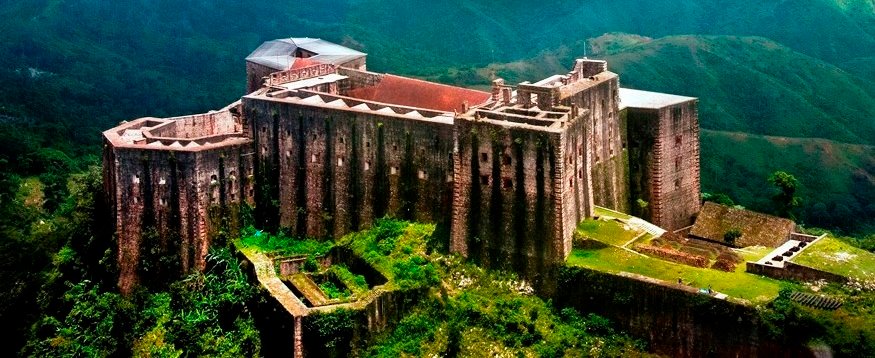
Haïti has a rich historical heritage, including sites like the Citadelle Laferrière and the Sans-Souci Palace, listed as UNESCO World Heritage Sites.

Culture

Culture

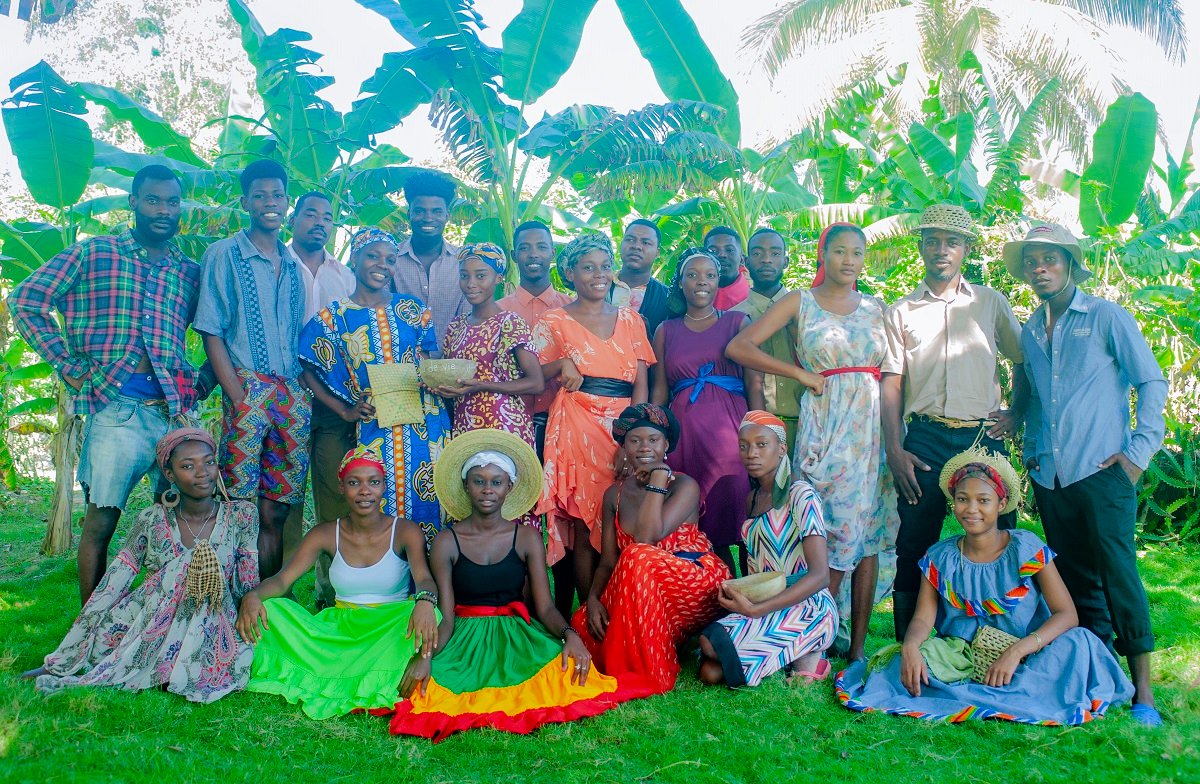
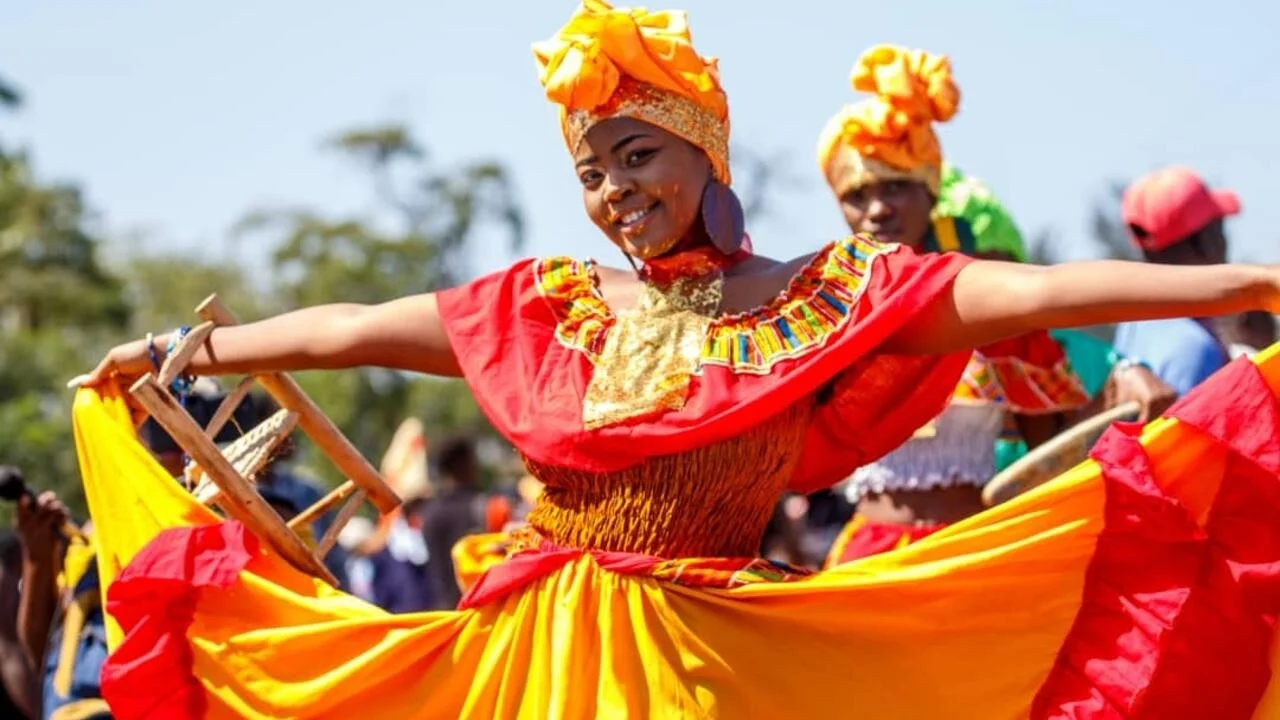
Haïti has a rich and diverse culture, influenced by African, European and indigenous elements. Haitian music, dance, art and cuisine are celebrated around the world.

  • +
    • Post