Celebrating Christmas in Haiti: How Haitian Culture Makes the Holidays ShineCelebrating Christmas in Haiti: How Haitian Culture Makes the Holidays Shine
Celebrating Christmas in Haiti: How Haitian Culture Makes the Holidays Shine
Christmas in Haïti is a time when culture, spirituality, and conviviality come together to create a unique and warm atmosphere. This holiday, deeply rooted in the country’s traditions, is an opportunity to bring families together, share delicious meals, and celebrate together in a spirit of solidarity. This article explores how Christmas is celebrated in Haiti, highlighting the local traditions, feasting, and community spirit that make this time of year an unforgettable experience.
Religious Celebrations: A Time for Spiritual Gathering
In Haiti, Christmas is first and foremost a religious celebration. Haitians flock to Midnight Mass, a central event on Christmas Eve. This mass is an opportunity to gather as a family and community to celebrate the birth of Jesus Christ. The church becomes a place of prayer, carols and Christmas hymns, creating a spiritual atmosphere filled with devotion and joy.
After mass, celebrations continue at home, where families gather for a festive meal. It is a time of sharing, exchanges and strengthening family and community ties. Christmas in Haïti is also a time to remember the importance of unity and brotherhood, values dear to Haitian culture.
Christmas Feasts: Traditional Dishes and Local Flavors
Haitian cuisine takes center stage during the Christmas holidays. Meals often consist of typical dishes, carefully prepared for the occasion. Among the most popular dishes is griot, a marinated and fried pork, accompanied by diri ak pwa (rice and beans), local vegetables and fried plantains. These tasty and nourishing dishes are shared with loved ones and create a warm atmosphere.
Another popular dish during the holidays is ham soup, a traditional dish that symbolizes Haitian generosity and hospitality. This rich dish, often prepared with boiled ham, fresh vegetables and local spices, is enjoyed on Christmas Eve and is one of the must-have delicacies of this period.
Desserts also occupy a special place in Christmas meals. Candied fruits, pain patate (a sweet potato cake) and homemade chocolate candies are typical sweets found on tables during this festive period.
Cultural Traditions: Music, Dance and Sharing
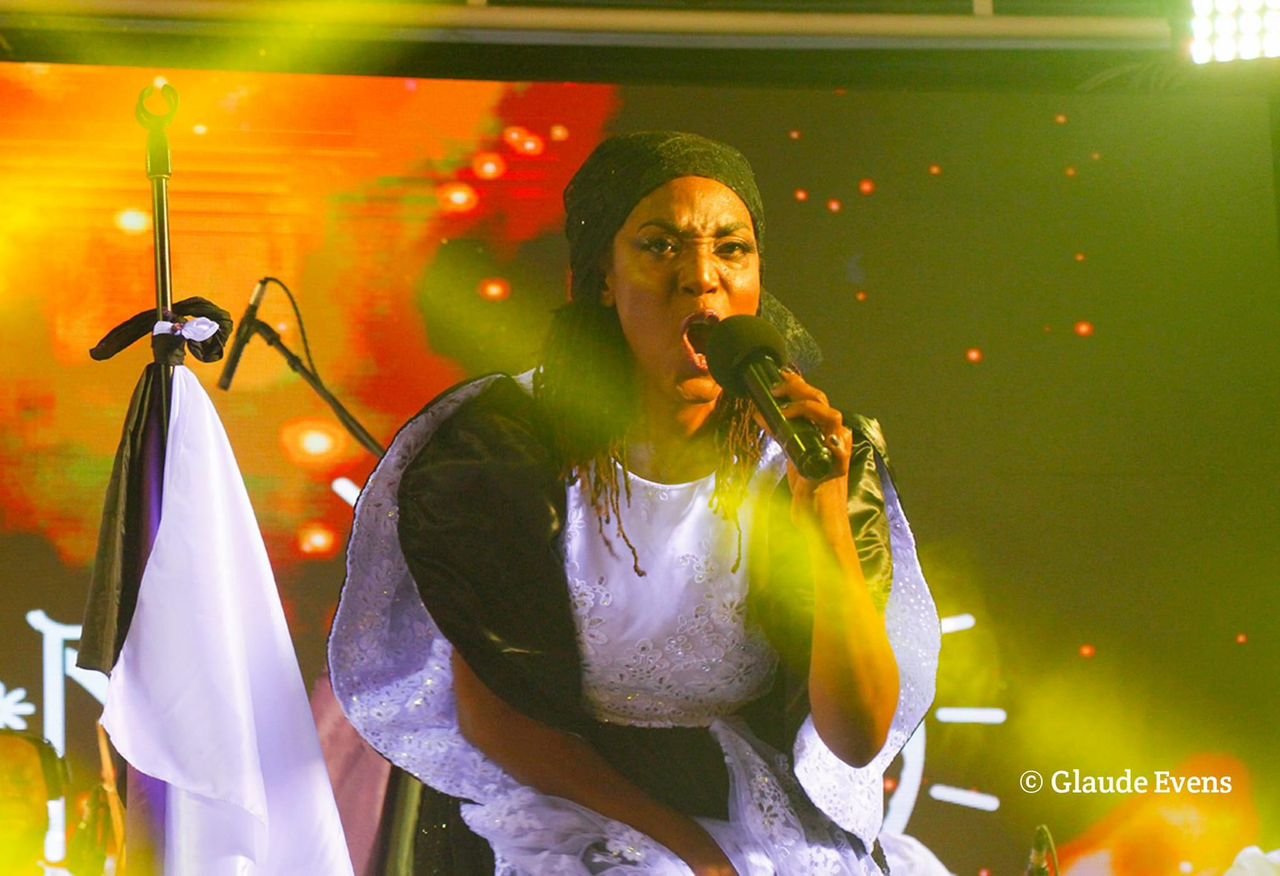
Christmas in Haïti is not only a religious or culinary celebration, it is also a time of great conviviality. Haitians love to get together with family and friends to sing, dance and share moments of happiness. Music is essential to the celebration: traditional Christmas carols performed by local bands are often heard, as well as Haitian folk music that punctuates the evenings.
Dancing is an integral part of the festivities. After dinner, family members gather for dancing, where Haitian rhythms such as kompa and zouk set the tone. These dances and music create a lively and joyful atmosphere, where everyone gets carried away by the collective energy.
Bonfires are also an important tradition during the holidays. They symbolize the light brought by the birth of Christ and are often lit in courtyards or community spaces to bring people together. These fires create a friendly atmosphere where people share, sing and dance together.
The Spirit of Solidarity: Christmas, A Time of Sharing and Generosity
Christmas in Haïti is also a time when the spirit of solidarity and sharing is at its height. Beyond family festivities, many charitable actions are organized during this period. Families and communities share their meals with the most deprived, offering hot meals and gifts to poor children.
Churches and charities play an important role in this dynamic of solidarity. Events are organized so that everyone can participate in the collective effort, whether it is giving a meal, raising funds or providing clothing to those in need. This social dimension of Christmas strengthens community ties and reminds us of the importance of generosity and mutual support.
Haitian Christmas in the Diaspora: A Tradition That Brings People Together Across Borders
Christmas is also widely celebrated in the Haitian diaspora around the world. Whether in Miami, New York, or Montreal, Haitians living abroad carry on Christmas traditions with the same fervor as they do in their home countries. These communities organize parties, religious services, and community meals to mark this time of year.
The Haitian diaspora uses Christmas as a way to maintain ties to their culture, introducing younger generations to the customs and traditional foods of their home countries. Christmas meals are often shared with friends from other backgrounds, thus introducing Haitian culture to a wider audience and strengthening intercultural ties.
Christmas in Haiti, A Moment of Joy, Brotherhood, and Tradition
Christmas in Haïti is a vibrant holiday, where religious traditions, family celebrations, delicious cuisine, and a spirit of solidarity blend together. It is a time when unity, generosity and the joy of living are fully expressed through rituals and festivities. From midnight mass to shared meals, to music and wild dancing, Christmas in Haïti is a true immersion in Haitian culture and values. Whether at home or abroad, Christmas remains a special time to honor traditions and celebrate national unity.
Share
About the Author
Appolon Guy Alain
Appolon Guy Alain
Full Stack Developer, Créatif, expérimenté, passionné des nouvelles technologies et de l’art.
First black nation to free itself from slavery and gain independence from France in 1804 and influenced other liberation movements around the world, inspiring struggles for freedom and equality.
Natural beauty
Haïti is blessed with spectacular natural landscapes, including white sand beaches, mountains and rich biodiversity.
Heritage
Haïti has a rich historical heritage, including sites like the Citadelle Laferrière and the Sans-Souci Palace, listed as UNESCO World Heritage Sites.
Culture
Haïti has a rich and diverse culture, influenced by African, European and indigenous elements. Haitian music, dance, art and cuisine are celebrated around the world.